Stockholm Food Markets & Food Halls Guide (2026)
Stockholm food market guide — saluhallen with vendor highlights, hours, and recommendations.
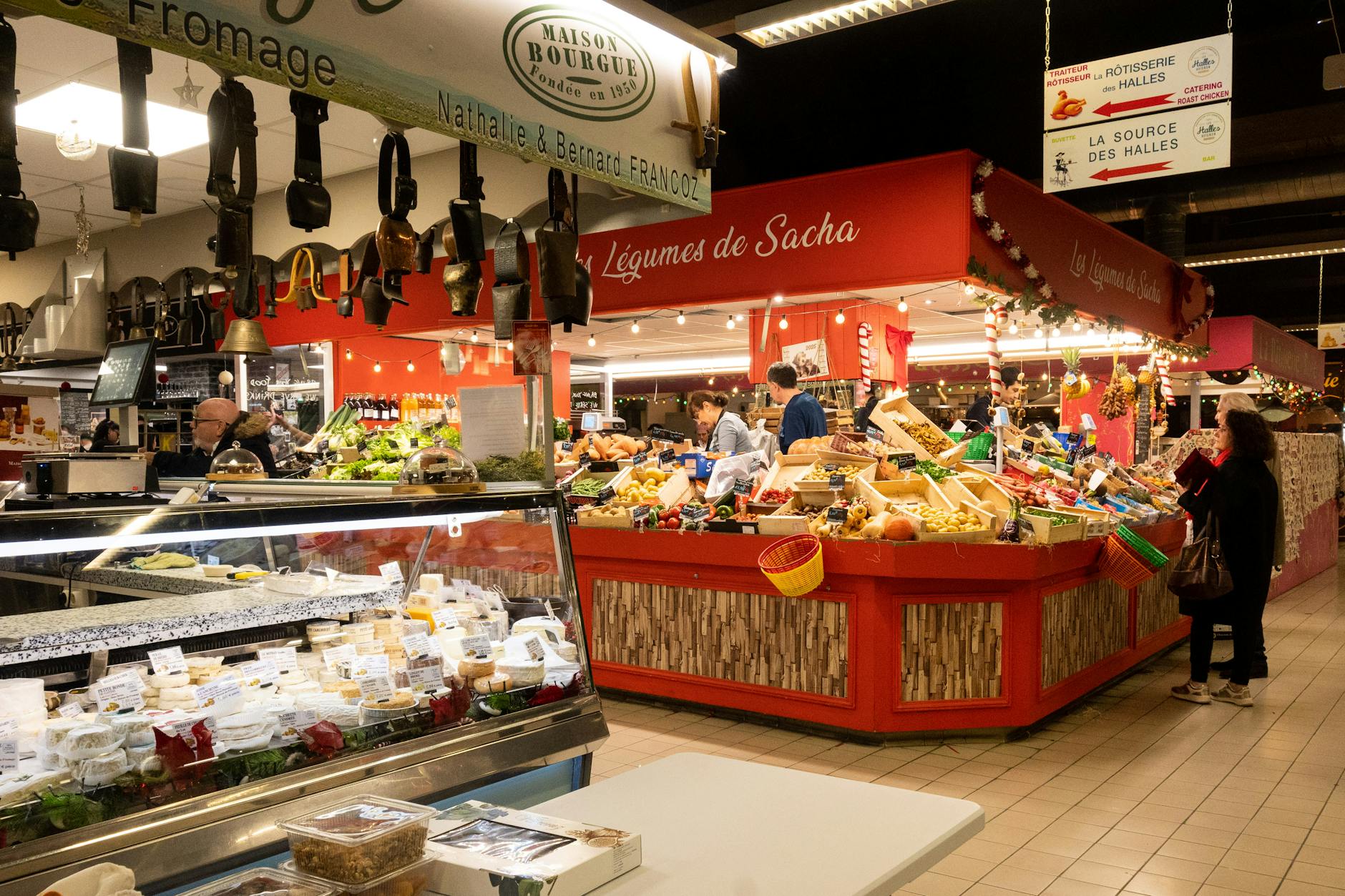
My favourite way to eat in Stockholm doesn’t involve a reservation. It’s a stool at a marble counter inside a saluhall, a shrimp sandwich the size of a paperback, and the low hum of vendors who’ve been slicing cheese and gutting fish in the same spot for decades. The city’s food halls are where locals actually shop and lunch, and they make for one of the best-value meals in an expensive town.
The Stockholm food market scene revolves around three grand indoor halls: Östermalms Saluhall, the beautiful 1888 flagship; Hötorgshallen, the cheaper, more international basement hall by Hötorget; and Söderhallarna, Söder’s easygoing local option on Medborgarplatsen, which reopened in stages from 23 October 2026 after three years of renovation (and is the only one of the three open on Sundays). Add weekend farmers’ markets, summer food-truck parks and the famous Christmas markets, and there’s a market for every day of the trip. This guide is part of our wider Stockholm Food & Restaurants coverage; here we focus on the halls themselves.
Below you’ll find every current saluhall with its standout vendors, opening hours, prices and how to use it. Hours and prices shift, so double-check the current details before you go, and note that all of them are card and Swish only, no cash.
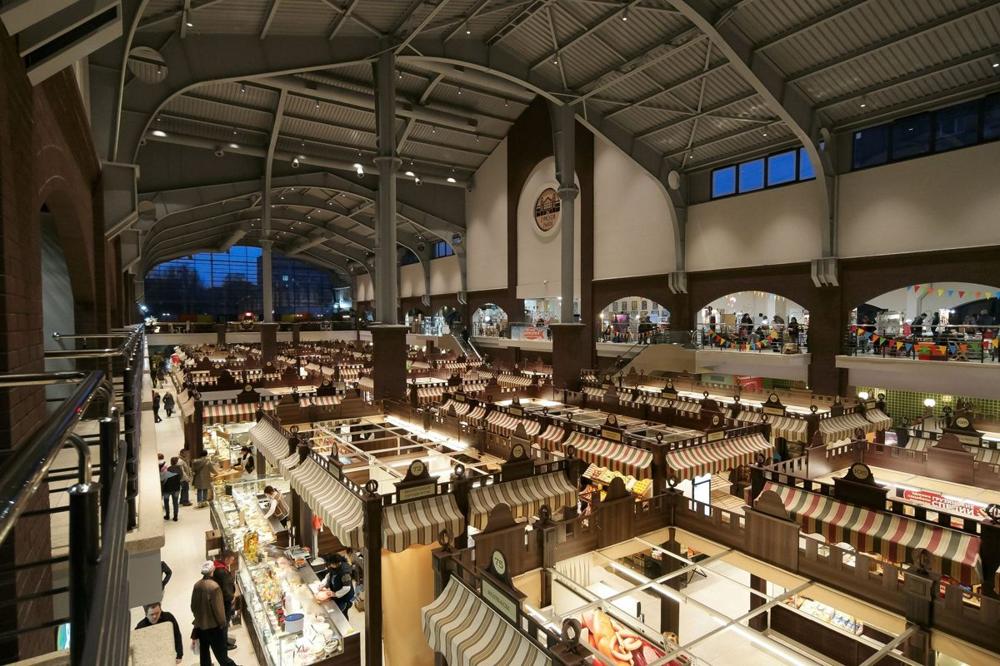
Stockholm’s food halls at a glance
Three halls, three personalities. Östermalms for the heritage splurge, Hötorgshallen for a cheap and cheerful lunch, Söderhallarna, newly reopened after its renovation, for a low-key local feel (and Sundays).
| Food hall | Area / metro | Vibe | Lunch (SEK) | Sunday? |
|---|---|---|---|---|
| Östermalms Saluhall | Östermalmstorg | Heritage flagship, upscale | 95–225 (restaurants 245–395) | Closed |
| Hötorgshallen | Hötorget | International, affordable | 95–175 | Closed |
| Söderhallarna | Medborgarplatsen | Local Söder hall, reopened October 2026 | 95–175 | Open from 10:00 |
Food halls make a brilliant lazy lunch, but they pair well with the city’s other eating traditions. If you’d rather graze bakeries or settle in for a long weekend brunch, our guides to the best bakeries in Stockholm and the best brunch spots in Stockholm are the natural next stops.
Östermalms Saluhall: the flagship
If you visit one hall, make it this one. Housed in a glorious 1888 building on Östermalmstorg and reopened in 2020 after renovation, it mixes counter-service stalls, proper sit-down restaurants and premium groceries. It’s polished, yes, but Stockholmers genuinely shop here, so it never tips fully into theme-park territory.
Hours: Mon–Fri 09:30–19:00, Sat 09:30–17:00, closed Sunday; holiday hours differ.
The vendors I’d seek out:
- Lisa Elmqvist — the heritage fish counter, family-run since 1926. Come for the räksmörgås, an open shrimp sandwich piled ludicrously high (275 SEK in the restaurant, with 120 g of shrimp). This is the classic Stockholm market lunch.
- Husman — an honest husmanskost (Swedish home-cooking) lunch counter, roughly 125–175 SEK for the dish of the day.
- Tysta Mari — a classic sandwich and small-plates counter that’s been a Stockholm fixture for years.
- Ekstedt’s deli counter — a more affordable taste of the Michelin chef’s cooking, with a short daily menu.
Best for: first-timers who want the full heritage experience, a proper sit-down lunch, or serious grocery souvenirs (cured meats, cheese, herring). This hall sits in Östermalm’s smart shopping quarter, so it slots neatly into a wider afternoon in the district.
Hötorgshallen: the affordable, international hall
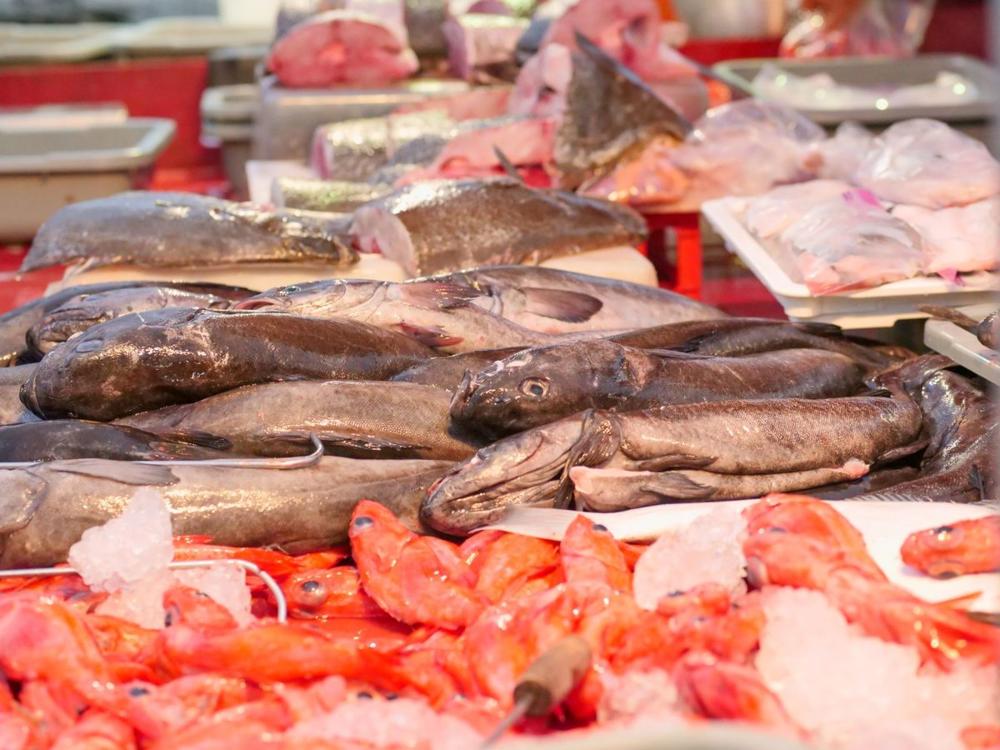
Down a flight of stairs below Hötorget, in the building joined to Filmstaden Sergel, is my pick for a cheap, brilliant lunch. Hötorgshallen is grittier and busier than Östermalms, with a strong cast of international vendors alongside Swedish classics, and prices that actually let you eat lunch in central Stockholm without wincing.
Hours: Lower level Mon–Thu 10:00–18:00, Fri 10:00–19:00, Sat 10:00–17:00; upper level Mon–Thu 10:00–19:00, Fri 10:00–20:00, Sat 10:00–17:00. Both levels close on Sunday, and holiday hours vary.
The vendors I’d seek out:
- Kajsas Fisk — a much-loved casual fish counter where the fish soup comes with free refills. Herring plates and fried fish too, roughly 125–195 SEK.
- Greek counters — Greek Street on the lower level does fresh gyros and souvlaki in pita; gyros run about 95–125 SEK.
- Pasta and Italian stalls — dependable plates around 125–175 SEK.
- Asian and Middle Eastern counters — the international mix is the whole appeal here.
Best for: budget travellers, a filling lunch under 175 SEK, and variety. It’s a short walk from Stockholm Central, which makes it a great first or last meal in the city. For more wallet-friendly ideas beyond the halls, see our guide to the best cheap eats in Stockholm under 150 SEK.
Söderhallarna: the local Söder hall
On Medborgarplatsen in Södermalm, Söderhallarna is the neighbourhood food hall, back after three years of renovation: it reopened in stages from 23 October 2026, with the food hall and several restaurants first. Its trump card is Sunday opening, which makes it the fallback when the other two are shut.
Hours: Open every day from 10:00; closing times vary, so check with the hall and the individual vendors.
What’s here: sushi counters, pizza by the slice (around 45–85 SEK), a Söder bakery and casual lunch spots at roughly 95–175 SEK. Seating is more limited than the bigger halls.
Best for: anyone staying on Söder, and Sunday visits when Östermalms and Hötorgshallen are closed.
Farmers’ markets and seasonal markets
Hötorget outdoor market
Right on the square in front of Hötorgshallen, this daily open-air market sells fresh produce, flowers and seasonal goods.
Weekend farmers’ markets
Stockholm’s farmers’ markets rotate around the city on weekends; Skansen runs popular ones, and Hagaparken hosts seasonal markets. Dates move, so check locally, but they’re a lovely way to spend a summer Saturday morning.
Stockholm Christmas markets
From late November through Christmas, the city fills with traditional julmarknader. The most atmospheric are:
- Skansen Christmas Market — the most traditional, held on weekends inside the 19th-century open-air museum, with glögg, crafts and folk atmosphere.
- Stortorget Christmas Market — the small, storybook market that returns each year to Gamla Stan’s main square; the 2026 dates haven’t been announced yet.
- Kungsträdgården — a larger market in the royal park, strong on food and shopping.
- Drottninggatan — the main pedestrian street, strung with lights and dotted with food pop-ups.
Summer food-truck parks
Warm months bring a growing pop-up scene: food trucks gather at Tantolunden on Söder, seasonal stalls appear around Sergels Torg, and the Slussen waterfront draws trucks and pop-ups on sunny days.
Specialty food shops and department-store halls
Bakeries that double as markets
Stockholm’s best bakeries, Vete-Katten, Fabrique, Bröd & Salt, Lillebrors Bageri, function as informal markets for bread, pastries and a quick lunch. Worth a stop between halls.
Specialty merchants
The city has a dense network of specialist shops: artisan sourdough at places like Bageri Petrus on Söder, spice merchants such as Cardamom & Co, and modern chocolatiers dotted around the centre.
Department-store food halls
For fine grocery shopping, NK Saluhall (NK Market Hall) in the basement of the NK department store at Hamngatan 18 is the classic upscale pick, while Åhléns City has a larger, more everyday grocery floor. Both are handy central spots for edible souvenirs.
Using Stockholm food markets: quick tips by plan
First-time visitors
Head to Östermalms Saluhall via Östermalmstorg metro and lunch at Lisa Elmqvist, Husman or Ekstedt’s deli counter. It’s the postcard version and it delivers.
Budget travellers
Hötorgshallen, near Stockholm Central: Greek gyros, pasta or Kajsas Fisk for under 175 SEK.
Sunday visits
Söderhallarna, open from 10:00 on Sundays too; the other two halls close on Sundays.
Grocery and souvenir shopping
Östermalms Saluhall for premium meats, cheese and herring; NK Saluhall for a fine central selection.
Christmas atmosphere
Skansen’s market for the most traditional setting, then the tiny Stortorget market in Gamla Stan.
What to buy at a Stockholm food market
- Pickled herring (sill) — in a dozen styles, from mustard and dill to glasmästarsill. Östermalms has the widest range.
- Charcuterie — reindeer salami, smoked sausages, cured meats.
- Cheese — look for aged Västerbottensost, Prästost and Herrgård, and ask at the cheese counter.
- Crispbread and rye — knäckebröd and rågbröd travel well and make great gifts.
- Smoked salmon and gravlax — Lisa Elmqvist is the heritage source.
- Lingonberry jam — the essential Swedish pantry staple.
Many of these are classic Swedish staples worth knowing before you shop. And if all that cured fish and cheese leaves you craving something hot, the halls are also a fine place to try köttbullar, our guide to the best Swedish meatballs in Stockholm has the rest.
Stockholm food market essentials
Cashless. Every hall takes cards or Swish only, no cash accepted.
Seating. Östermalms and Hötorgshallen have counter stools at most vendors; Söderhallarna’s seating is more limited. Östermalms also has dedicated sit-down restaurant zones.
Families. If you need a high chair, ask at the counter or restaurant you pick before you order.
Tipping. Not expected at counter service; rounding up is a nice touch.
Timing. The popular counters fill up at lunch, so arrive a little early or late for a stool.
Frequently asked questions
What is the best food market in Stockholm?
Östermalms Saluhall is the flagship: a heritage 1888 building, beautifully renovated in 2020, with a superb vendor mix. Highlights include Lisa Elmqvist (the family fish business here since 1926) and Husmans Deli for Swedish home cooking. For a cheaper, more international lunch, Hötorgshallen is the better pick.
How much is a meal at a Stockholm food hall?
A counter lunch at Hötorgshallen or Söderhallarna runs about 95–175 SEK. Östermalms Saluhall counters sit at 95–225 SEK, while its full sit-down restaurants run 245–395 SEK. Food halls are among the better-value meals in an expensive city, especially at Hötorgshallen.
What are the food market opening hours in Stockholm?
Östermalms Saluhall: Mon–Fri 09:30–19:00, Sat 09:30–17:00, closed Sunday. Hötorgshallen: lower level Mon–Thu 10:00–18:00, Fri 10:00–19:00, Sat 10:00–17:00; upper level Mon–Thu 10:00–19:00, Fri 10:00–20:00, Sat 10:00–17:00; closed Sunday. Söderhallarna: daily from 10:00, with closing times set by each vendor. Holiday hours differ at all three, so confirm before visiting.
Is Östermalms Saluhall worth visiting?
Yes. The 1888 building alone is worth a look, and the 2020 renovation kept its character while sharpening the food. Between the heritage Lisa Elmqvist fish counter, casual lunch stalls and premium groceries, it’s an easy highlight for first-time visitors and a genuine local shopping spot.
What food markets are open on Sunday in Stockholm?
Söderhallarna is the only one of the three main halls open on Sundays, from 10:00; check the vendors for closing times. Both Östermalms Saluhall and Hötorgshallen close on Sundays. If you’re after a Sunday food fix elsewhere, sit-down brunch spots across the city are a good alternative.
Where is Stockholm’s Christmas market?
The most traditional is at Skansen, held on weekends from late November through December inside the open-air museum. Others include the small, atmospheric market on Stortorget in Gamla Stan, a larger one in Kungsträdgården, and food pop-ups along Drottninggatan. Dates vary each year, so check ahead.
What’s the cheapest food hall in Stockholm?
Hötorgshallen, where counter lunches run about 95–175 SEK: Kajsas Fisk’s fish soup is 150 SEK and its fried herring 135 SEK. Östermalms Saluhall is the premium option. For the very cheapest bite, the Greek gyros counters at Hötorgshallen are hard to beat at around 95–125 SEK.
Are Stockholm food markets touristy?
Östermalms Saluhall draws visitors but locals genuinely shop and lunch there, so it never feels staged. Hötorgshallen and Söderhallarna are noticeably more local in feel. At Östermalms you’ll find destination counters like Lisa Elmqvist sitting right beside everyday neighbourhood spots.
Where can I buy fresh fish in Stockholm?
Lisa Elmqvist at Östermalms Saluhall is the heritage fish counter, a family business since 1926 and famous for its shrimp sandwich. For a cheaper fish lunch, Kajsas Fisk at Hötorgshallen does a beloved fish soup with refills. Both are happy to sell takeaway if you’re self-catering.
If you’d like someone to walk you through the stalls, many Stockholm food tours start in a market hall. Our guide to Stockholm tours explains which food tours are worth the money and how to build your own tasting day instead.
Most of Stockholm’s guided food tours begin at Östermalms Saluhall. If you’d like a guide to walk you through the stalls and on into Gamla Stan, our guide to Stockholm food tours compares the options and prices, and explains when a tour is worth it and when you’re better off tasting your way round on your own.