Unusual Things to Do in Stockholm: 25+ Hidden Gems (2026)
Unusual things to do in Stockholm — 25+ hidden gems, oddities, and locals' favorites that get past the standard tourist circuit.
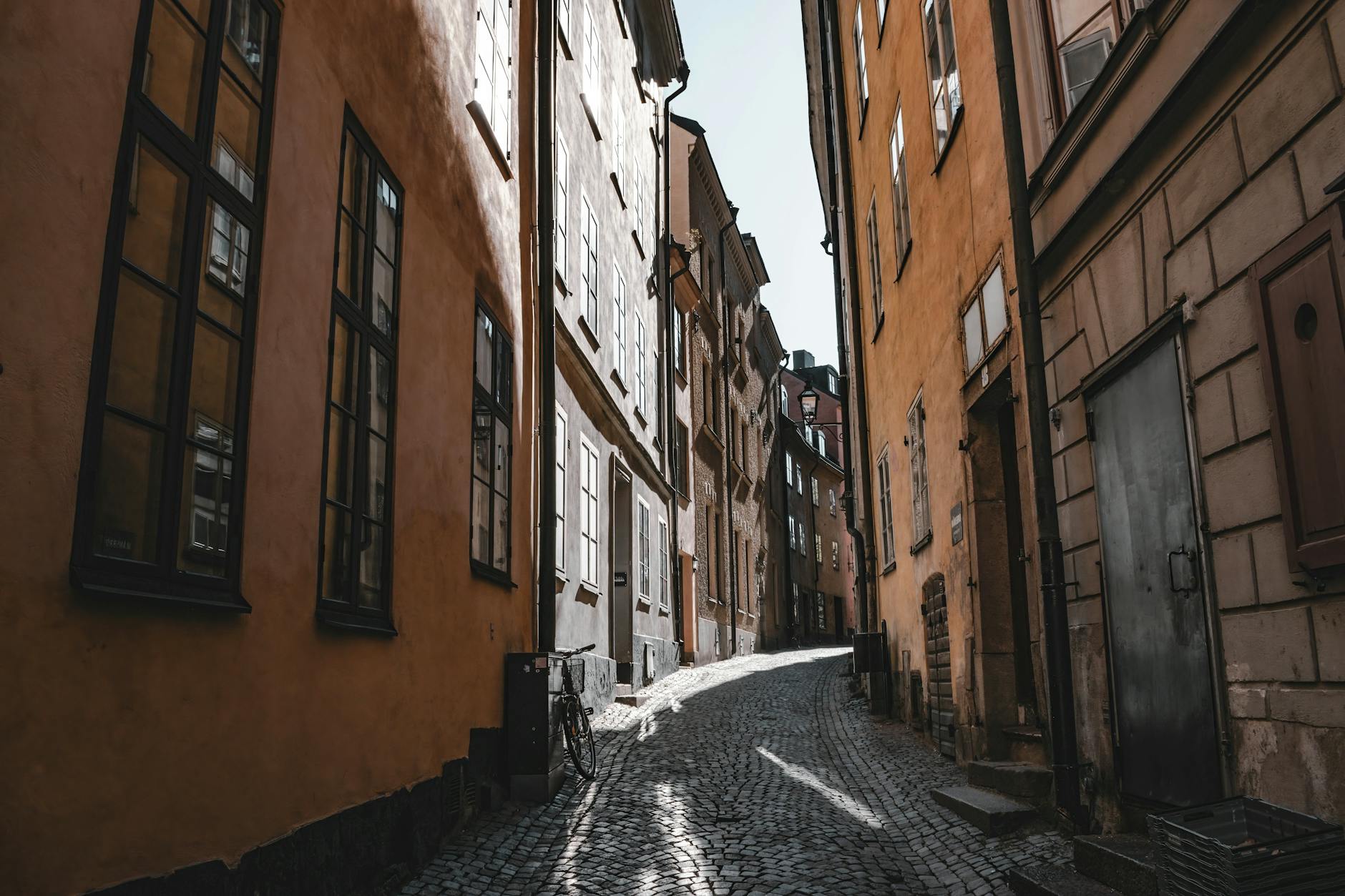
Once you’ve ticked off the Vasa Museum, Skansen, and the Royal Palace, Stockholm gets a lot more interesting. The city has been quietly collecting eccentric museums, strange outdoor spaces, and odd little rituals for centuries, and most of them never make the guidebooks — which is exactly why they’re worth your time.
This is my running list of unusual things to do in Stockholm: the hidden museums, the underground art gallery that doubles as a transit system, a fermented-fish tasting locals dare each other to try, an 18th-century theatre with its original machinery, and a clutch of low-key experiences that feel like the real city rather than a postcard. Most are free or cheap, most fit a half-day, and all are unmistakably Stockholm. If you’re still building the basics, pair this with our main guide to things to do in Stockholm.
Hidden museums and strange collections
Hallwylska Museet
The 1898 mansion of Count and Countess von Hallwyl, preserved exactly as they left it. The countess catalogued everything she owned — tens of thousands of objects, all numbered and indexed — so the house survives as an unusually complete time capsule of turn-of-the-century wealth. Free entry, on Hamngatan, and one of my favourite quiet hours in the centre.
Spritmuseum (the Museum of Spirits)
A museum devoted entirely to Sweden’s complicated relationship with alcohol, including the story of Absolut Vodka. It sits on Djurgården, smaller and stranger than the Vasa next door, with a sensory wall of Swedish spirit aromas to identify and exhibits on midsummer drinking and the meaning of “skål.” Adult entry is 190 SEK; confirm current pricing.
The Postal Museum & the Match Museum
Two small, unexpectedly charming museums. Postmuseum in Gamla Stan covers five centuries of Swedish post — with a miniature “postal city” where kids deliver mail — while the Tobacco & Match Museum at Skansen tells the story of the era when Sweden made most of the world’s matches. Postmuseum is free; the match museum is included with a Skansen ticket.
Sven-Harrys Konstmuseum
A private art museum in Vasaparken with a genuine oddity on its roof: the 17th-century farm cottage of collector Sven-Harry Karlsson, moved and rebuilt brick by brick above a modern building. Contemporary Swedish art below, a preserved historic home above. Entry is 195 SEK (175 SEK for seniors and students, free under 18).
Skogskyrkogården, the Woodland Cemetery
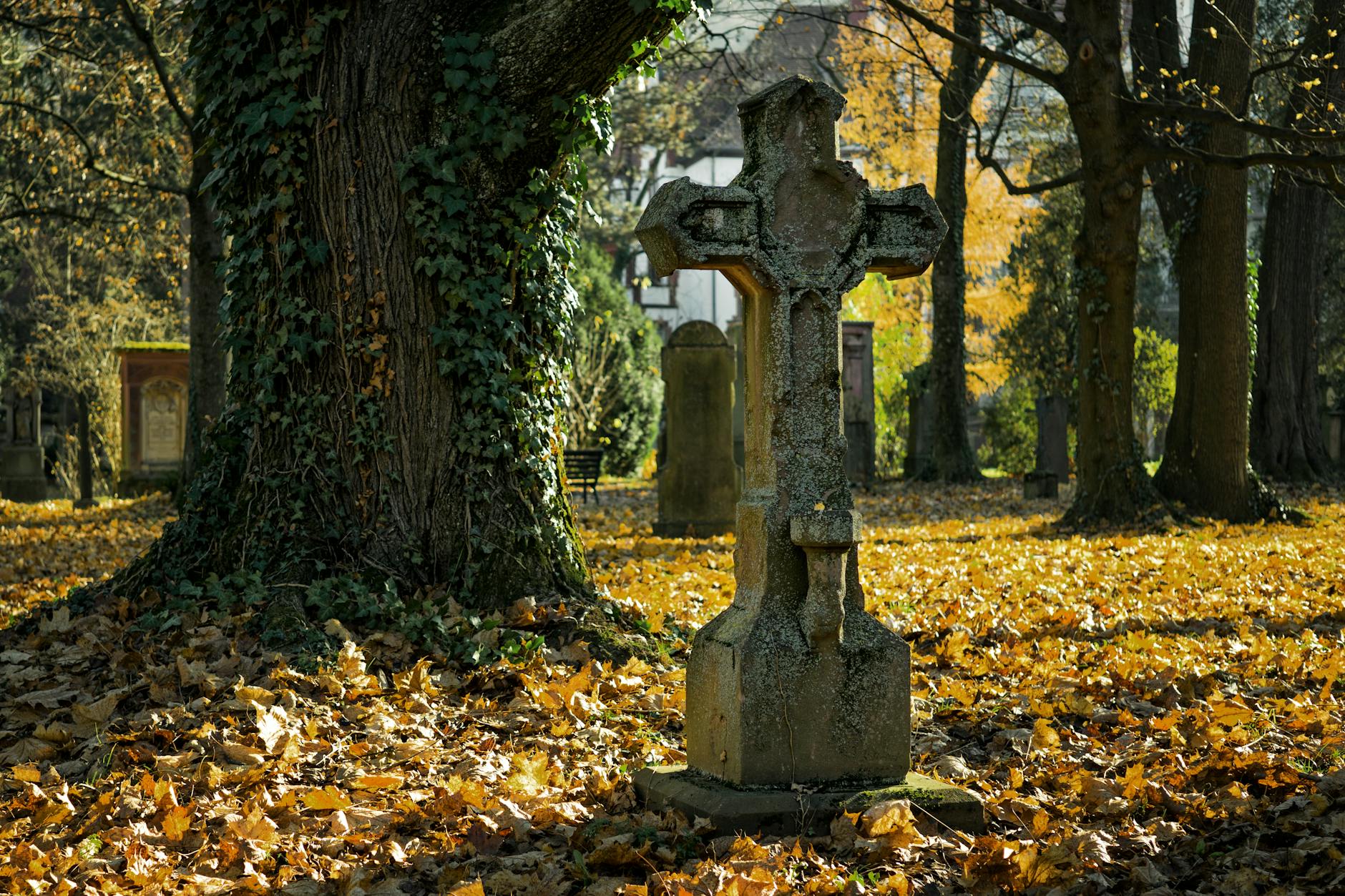
A UNESCO World Heritage Site and, to my mind, the single most uniquely Stockholm thing on this list. Designed by Gunnar Asplund and Sigurd Lewerentz between 1915 and 1940, it’s a hushed forest of pines, paths, and modernist chapels that shaped 20th-century landscape architecture worldwide. Greta Garbo is buried here. Free, and a short green-line metro ride to Skogskyrkogården station.
Unusual outdoor spaces and viewpoints
The metro art tour
Stockholm’s metro is often called the world’s longest art gallery, with work in most of its 100 stations. Everyone photographs T-Centralen, Solna Centrum, and Stadion, but the deeper cuts are just as striking: the vibrant murals at Tensta, the golden cave-like walls at Rinkeby, the grotto and Roman fragments at Kungsträdgården, and the giant pendulum at Universitetet. A single travel ticket turns a rainy afternoon into a gallery crawl — our guide to the most Instagrammable places in Stockholm maps the best stops.
The Globe (Avicii Arena) SkyView
The world’s largest spherical building, 110m tall, has glass gondolas that ride up its outside to a viewing platform on top. It’s less famous than the City Hall tower (closed for renovation until 2029) and, frankly, more fun — you’re riding a sphere. Tickets around 200 SEK.
The back-of-City-Hall walk
Almost everyone photographs the City Hall from across the water. Far fewer walk the quiet Kungsholms Strand path that runs behind it and around Kungsholmen, past small public artworks and calmer angles. Free, and a peaceful hour away from the crowds.
Tantolunden’s allotment gardens
More than 100 allotment gardens, each with a tiny painted cottage, rented and lovingly tended by Stockholmers through the short summer. Wandering the paths between them on a Söder Saturday is one of the city’s quiet joys, and it costs nothing.
Skinnarviksberget at midsummer
Söder’s highest natural point (around 53m). On Midsummer’s Eve, locals climb up with blankets and drinks for one of the year’s most anticipated sunsets — an unofficial ritual more than an organised event. Come early to claim a rock.
Unusual food and drink
Surströmming at Skansen
Fermented Baltic herring, famous as one of the world’s most pungent foods. Skansen runs seasonal tastings (roughly August–October) served the proper way, with thin bread, butter, potato, and red onion. You may not love the smell, but you’ll never forget it — and that’s the point.
An elk dinner at Pelikan
The grand 1904 Söder beer hall occasionally runs game dinners built around Swedish elk (älg), paired with beer, in a wonderfully old-school room. Hearty, atmospheric, and very Swedish; around 350 SEK, reservations advised.
Rosendals Trädgård picnics
The biodynamic garden café on Djurgården sources almost everything within a few hundred metres. In summer you can buy a picnic basket of farm bread, cheese, charcuterie, and pickles and eat it among the apple trees — genuinely local, and lovely.
A drink at the ice bar
An ICEHOTEL-style bar kept at sub-zero year-round, with sculpted ice walls and cocktails in ice glasses. It’s touristy, but a novelty worth 20 minutes if you’ve never done one; entry around 200 SEK including a drink.
After dark and offbeat evenings
Långholmen at sunset
The little island south of Söder holds a former prison (closed in 1975), now with a free outdoor museum on its history. The walk around the island at dusk — old prison walls, harbour, city lights in the distance — is quietly atmospheric.
The Mosebacke terrace
An open-air café-bar founded in 1846, perched around 50m up with the whole central skyline across the water. It’s a Stockholm classic that most visitors never find; the terrace bar runs May–September. For more after-dark ideas, see our guide to things to do in Stockholm at night.
Midnight swimming in summer
The city’s free bathing spots — Smedsuddsbadet, Långholmsbadet, Tantolunden — never really close in summer. Slipping into the water near midnight in mid-June, when the sky barely darkens, is one of the most memorable things you can do here. Bring a towel and a sense of adventure.
The Patricia Sunday club
A boat moored at Stadsgården that runs a famously fun, LGBTQ+-friendly Sunday-night club all year, late into the small hours. It’s a locals’ institution most tourists never hear about; cover around 220 SEK.
Walpurgis Night bonfires (30 April)
Valborg is Sweden’s bonfire night, welcoming spring with fire, choral singing, and a drink or two. Free public bonfires are lit around 20:00 — the biggest at Skansen, the most central on Riddarholmen. Genuinely local and strangely magical.
Hidden Stockholm walks
Söder’s quiet backstreets
Skip Hornsgatan and Götgatan and weave instead through SoFo’s residential lanes — Bondegatan, Östgötagatan, Folkungagatan — past 19th-century ironwork, hidden courtyards, and pocket gardens the tour groups never see.
The Riddarholmen loop
The small island west of Gamla Stan, home to the 13th-century Riddarholmen Church and the burial place of Swedish kings. A 30-minute exterior loop rewards you with dramatic brick architecture and one of the best harbour views in the city — and hardly anyone crosses the bridge.
The Strindberg literary walk
In Vasastan, link Tegnérlunden park with the Strindbergsmuseet — the writer’s last apartment, kept as he left it in 1912 — and the Adolf Fredrik Church opposite. A thoughtful, free 90 minutes for anyone who loves books.
The Public Library and Sveavägen
Asplund’s 1928 cylindrical reading room at the Stockholm Public Library is quietly astonishing, but the building is closed for renovation and plans to reopen in early 2028; meanwhile a small replacement library is at Odengatan 59. The walk down Sveavägen still works on its own, past the memorial to Prime Minister Olof Palme, assassinated on this street in 1986 — a sober, very Stockholm piece of history.
Offbeat outings with kids
Beyond Junibacken and Skansen, a few less obvious hits for school-age children:
- Tom Tits Experiment in Södertälje — a huge hands-on science museum, about 30 minutes by commuter train, with hundreds of interactive experiments.
- Kulturhuset’s TioTretton — a free space at Sergels Torg just for 10-to-13-year-olds, with art supplies, books, and games; most parents don’t know it exists.
- The Public Library kids’ floor — a dedicated children’s section with books in dozens of languages, back once the library reopens after its renovation (planned for early 2028).
Unusual stays and bookable experiences
- The af Chapman — the 1888 sailing ship moored at Skeppsholmen was a hostel from 1949 to 2022. Since the summer of 2026 it has opened as a summer café and events venue, so you can go aboard for a drink on deck but not stay the night; STF’s hostel on dry land beside it is open all year. Our guide to unusual places to stay in Stockholm has the quirky beds that are still open.
- Långholmen prison hostel — sleep in a (comfortable) converted cell in the old island prison, with a free museum attached.
- A winter sauna boat — floating wood-fired bastu on the city’s lakes, with the option of an icy plunge; several operators run public sessions.
- A helicopter over the archipelago — a 25-minute flight (around 2,800 SEK per person) is the only way to grasp the archipelago’s scattered geography from above.
Unusual things to do in Stockholm by season
Summer (June–August)
Midsummer sunset at Skinnarviksberget, midnight swimming at Långholmsbadet, allotment-garden strolls at Tantolunden, drinks on the Mosebacke terrace, and summer performances at the 18th-century Drottningholm Theatre.
Autumn (September–October)
Surströmming season at Skansen, autumn colour at Skogskyrkogården, the free late-September culture night, and last-chance archipelago walks before the islands wind down.
Winter (November–February)
Lucia at Skansen, ice-bar drinks, free skating in Kungsträdgården, the Skansen Christmas market, and February’s Nobel Week Lights festival.
Spring (March–May)
Walpurgis bonfires on 30 April, cherry blossom in Kungsträdgården in late April, and the buzz of the Stockholm Marathon and May Day parades.
The locals’ Stockholm
Sometimes the most “unusual” thing for a visitor is simply doing what Stockholmers do:
- A midweek fika at a kiosk — a coffee and a cinnamon bun at a neighbourhood Pressbyrån on a plain Wednesday is about as authentic as it gets.
- A supermarket lunch — the classic Coop or ICA sandwich-drink-cookie deal for a handful of kronor is a genuine weekday ritual. Try it once.
- Saturday morning at Hötorgshallen — the underground food hall under Hötorget is quieter and more local than the grander Östermalm Saluhall.
- A silent rush-hour metro ride — pack onto an 8am train and marvel at how quiet it is; Stockholmers famously don’t chat on the metro.
If it’s this everyday, low-key side of the city you’re after, our lists of free things to do in Stockholm and the properly odd weird and quirky Stockholm both go further down the rabbit hole.
The unusual list, ranked by uniqueness
If you want to prioritise, here’s how I’d rank them:
Most uniquely Stockholm: Skogskyrkogården, the metro art tour, surströmming at Skansen, the Walpurgis bonfires, and the Drottningholm Theatre.
Unique but easy to reach: Hallwylska Museet, the Globe SkyView, the Långholmen prison walk, the Mosebacke terrace, and, once it reopens in early 2028, the Public Library reading room.
Worth it for the niche appeal: Spritmuseum, the Tantolunden gardens, a summer drink on the af Chapman’s deck, the Patricia Sunday club, and Tom Tits Experiment.
For a more romance-minded twist on the offbeat — candle-lit concerts, hidden bars, a wooden-boat ride — our guide to romantic things to do in Stockholm for couples overlaps nicely with this one.
The strangest gallery in Stockholm runs on rails. The metro’s art includes an underground garden at Kungsträdgården, a raw rock cave at Rådhuset, children’s drawings at Hallonbergen and a 1980s video game at Thorildsplan. Our guide to Stockholm metro art explains where to find them and how to join a guided art tour in summer.
If the Woodland Cemetery has caught your eye, our full guide to Skogskyrkogården covers a walking route past Asplund’s and Lewerentz’s chapels, the seasonal visitor centre, Stadsmuseet’s guided tours and the etiquette of visiting a cemetery that still holds more than 2,000 funerals a year.
A note on the af Chapman: the ship stopped taking overnight guests in 2022, and since the summer of 2026 it has been open as a summer café and events venue instead. For unusual places to sleep that are open, from a former prison on Långholmen to a 1924 yacht at Riddarholmen, see our guide to unusual places to stay in Stockholm.
Frequently asked questions
What are the most unusual things to do in Stockholm?
Beyond the standard circuit, I’d point you to the metro art tour, the UNESCO-listed Skogskyrkogården Woodland Cemetery, a surströmming tasting at Skansen, the Walpurgis Night bonfires on 30 April, the 18th-century Drottningholm Theatre, the Långholmen prison walk, Spritmuseum, and drinks on the Mosebacke terrace. Most are free or cheap and feel like the real city.
What are some hidden gems in Stockholm?
The Hallwylska mansion (free), Sven-Harrys Konstmuseum with its rooftop 17th-century cottage, the Postal and Match museums, the lesser-photographed metro stations like Tensta, Rinkeby, and Universitetet, and the Tantolunden allotment gardens. Each rewards a bit of curiosity and none of them draws big crowds.
Where can I try surströmming in Stockholm?
Skansen runs seasonal surströmming tastings, usually from August to October, served properly with bread, butter, potato, and red onion. The fermented herring’s smell is legendarily bad, but eating it the traditional way — outdoors, with the right accompaniments — is a memorably Swedish experience.
What is Skogskyrkogården?
It’s Stockholm’s Woodland Cemetery, a UNESCO World Heritage Site designed by Gunnar Asplund and Sigurd Lewerentz between 1915 and 1940 and one of the most influential works of 20th-century landscape architecture. It’s a serene forest dotted with modernist chapels; Greta Garbo is buried here. Entry is free, via a short green-line metro ride.
What is Walpurgis Night in Stockholm?
Walpurgis Night (Valborgsmässoafton), on 30 April, welcomes spring with bonfires, choral singing, and a festive drink. Free public fires are lit around 20:00, the largest at Skansen and the most central on Riddarholmen. It’s a genuinely local celebration and a lovely, slightly wild thing to stumble into.
Are Stockholm’s unusual attractions free?
Many are. The Hallwylska mansion, the Postal Museum, Skogskyrkogården and the Långholmen prison walk are all free (the Public Library reading room is shut for renovation until early 2028), and a self-guided metro art tour costs only a travel ticket (the transport museum’s guided art tours, May to September, are SEK 150). Even the paid options here — Spritmuseum, the Globe SkyView — are relatively inexpensive by Stockholm standards.