Best Restaurants in Stockholm: Where to Eat in 2026
The complete guide to Stockholm restaurants — Michelin picks, neighborhood classics, traditional Swedish food, food halls, cafés, and bars — with specific picks, prices, and how to book.
The first meal I ever ate in Stockholm was a shrimp sandwich at a market counter, standing up, and it cost more than a sit-down lunch would have in most of Europe. It was also better than it had any right to be. That is the city in one bite: expensive, unfussy, and quietly excellent. Stockholm restaurants punch far above the city’s size, and once you know where to look, you eat as well here as anywhere on the continent.
Where and what should you eat in Stockholm? Start with the classics done properly, gravlax, pickled herring, meatballs with lingonberry, and a seafood tower at a grand old brasserie like Sturehof. Book one fine-dining night if the budget allows, then spend the rest of your trip in mid-range neighbourhood kitchens in Södermalm and Vasastan, where the cooking is ambitious, the ingredients are local, and dinner runs around 500 to 700 SEK.
I’ve written this for anyone with three or four days and a real appetite, the traveller who wants a proper shortlist rather than a scroll. Below you’ll find the rooms I’d actually send a friend to, across every price tier and neighbourhood, plus the dishes worth ordering and the honest trade-offs between them. Prices and booking windows shift constantly, so treat every SEK figure here as “around” and confirm on the restaurant’s own site before you go.
The Stockholm restaurants to know first
If you remember one list from this page, make it this one. These are the places I’d hand a friend arriving tonight:
- Frantzén — three-Michelin-star tasting menu. Book 90 days out. The pinnacle.
- Operakällaren — the historic grand dining room (since 1787) inside the Royal Opera. Formal and architectural; it closes at the end of December 2026 for a multi-year renovation, so go before then.
- Ekstedt — one Michelin star, entirely wood-fire cooking. Technical and genuinely unlike anywhere else.
- Gastrologik — one Michelin star, seasonal Nordic tasting, warmer than most fine-dining rooms in town.
- Oaxen Krog — two Michelin stars on the water at Djurgården. Its sister restaurant, Oaxen Slip, is the casual alternative.
- Sturehof — a century-old brasserie on Stureplan. The best traditional seafood tower in the city. Any day, any time.
- Tennstopet — 1954 interior, unchanged. Traditional Swedish mains. The most honest classic restaurant in town.
- Meatballs for the People — Södermalm. Six kinds of meatballs, elk and reindeer included. A 45-minute dinner worth crossing town for.
- Bar Agrikultur — small-producer wine and farm-table food in Södermalm. The neighbourhood spot foodies fight over.
- Östermalms Saluhall — the 1888 market hall, reopened after a long renovation. Counter dining at six of the city’s best vendors under one roof.
Most of these need booking, some months ahead, some just the day before. I’ll break down which is which as we go. For a longer, ranked shortlist of sit-down spots, my guide to the 25 Best Restaurants in Stockholm goes deeper on each room.
Why Stockholm eats so well
Three things set the city’s food apart from most European capitals.
First, ingredients. Sweden has clean, cold water, excellent dairy, world-class autumn berries, and quietly one of the best mushroom seasons in Europe. Chefs lean hard into all of it. “New Nordic” in its Stockholm form is less foraging theatre than a stubborn insistence on the best raw materials, handled with restraint. Eat a nine-course tasting menu here and you’ll count roughly 35 Swedish ingredients to five imported ones, the mirror image of what you’d get in Paris.
Second, training. The city’s kitchens, shaped over 30 years by Mathias Dahlgren, Björn Frantzén, Niklas Ekstedt and their alumni, have produced an unusually deep bench. Eat at a mid-range place and there’s a fair chance the chef was sous at one of the Michelin rooms two years ago. That is why the middle tier is so strong.
Third, honesty. Stockholm is expensive but it is rarely theatrical. You get what you pay for. The bread is real bread, the butter is churned nearby, the service is calm and functional. There are almost no tourist traps in the centre, because the city simply isn’t large enough to support them. A restaurant that doesn’t satisfy locals doesn’t last two seasons.
How much does it cost to eat in Stockholm?
Expect to pay more than in Berlin, less than in Copenhagen, and roughly the same as Oslo. Here are rough guidelines for a sit-down dinner, per person, with one drink, before any tip:
- Budget / casual: around 180 to 280 SEK (16 to 24 euros). Food-hall counter, pizzeria, neighbourhood lunch spot, ramen bar.
- Mid-range / neighbourhood restaurant: around 450 to 700 SEK (40 to 60 euros). Three courses, one drink. The sweet spot for most travellers.
- Upscale / brasserie: around 800 to 1,200 SEK (70 to 105 euros). Full à la carte with a wine pairing. Sturehof, Riche, Nosh and Chow.
- Fine-dining tasting menu: around 2,200 to 4,800 SEK (190 to 420 euros). Ekstedt, Aloë, Oaxen Krog, Frantzén.
- Frantzén with pairings: 7,000 SEK and up (615 euros plus). Yes, really.
Three notes on money that will save you a meaningful amount of krona.
Lunch is the value play. Most Swedish restaurants, even high-end ones, run a fixed-price lunch, the dagens lunch, for around 130 to 180 SEK including coffee. That’s roughly 40 to 60 per cent of the equivalent dinner, out of the same kitchen. Want to try an ambitious restaurant without the tasting-menu tab? Come at midday. If you’re travelling on a tight budget throughout, my rundown of the Best Cheap Eats in Stockholm Under 150 SEK covers the hot-dog stands, falafel joints and lunch tricks locals rely on.
Wine is taxed heavily. Alcohol in Sweden runs two to three times what you’d pay in Italy or France, and a glass of decent wine at dinner is around 120 to 220 SEK. Stick to one glass, or take the pairing at a fine-dining room where the wine is genuinely part of the experience.
Tipping is not required. Service is included by law. Plenty of Swedes round up or add 5 to 10 per cent for something excellent, but a 20 per cent tip is unnecessary and, frankly, a little awkward for the staff.
Michelin star restaurants in Stockholm — the fine-dining tier
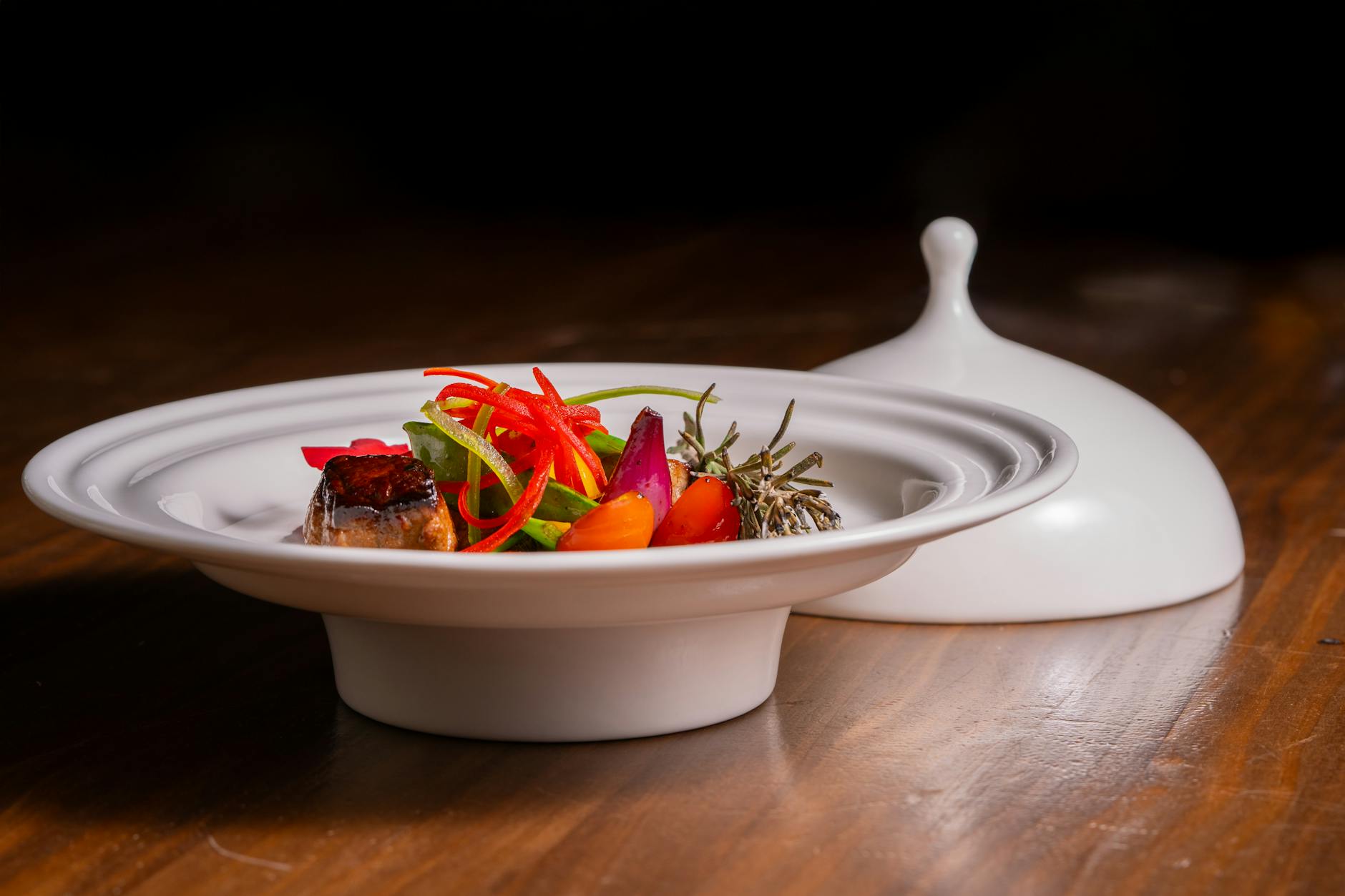
Stockholm carries a rotating cast of starred restaurants. As of the most recent guide, that’s one three-star, two two-stars, and roughly ten one-stars, a remarkable density for a city of 975,000. If you want a single fine-dining night, these are the rooms that matter, and my full guide to Michelin Star Restaurants in Stockholm covers the booking dance for each in detail.
Frantzén (three Michelin stars)
The city’s flagship since 2008, relocated to a townhouse on Klara Norra Kyrkogata in 2017. Björn Frantzén’s tasting menu is precise, technical and quietly playful, and the evening stretches across roughly four hours and three floors, aperitif lounge, open-kitchen dining room, dessert cellar. It’s the only three-star in Scandinavia and one of the harder tables in Europe.
Book: exactly 90 days ahead at 10:00 Stockholm time, through their site. Tables vanish in minutes. Price: around 5,500 SEK for the menu, 9,000 SEK and up with paired wines. Verdict: if this kind of night is ever worth it, it’s here.
Aloë (two Michelin stars)
Out in Solna, 15 minutes north of the centre by tram. Twelve seats at a counter, one nightly menu, two services. Chef Daniel Höglander runs a quieter, more austere experience than Frantzén, every bit as technical and much harder to put into words. Arguably the best-value two-star tasting in town, precisely because it’s smaller and less famous.
Book: 60 days ahead. Price: around 3,800 SEK. Verdict: the insider pick.
Oaxen Krog (two Michelin stars)
On Djurgården island, looking out over the water. Magnus Ek’s kitchen has held two stars for close to a decade with a refined, long-form tasting built around Swedish shoreline and forest. The setting is the loveliest of any serious restaurant here, a glass-walled room right at the water’s edge.
Book: 30 to 60 days ahead. Price: around 3,200 SEK for the menu. Verdict: the most romantic fine-dining room in Stockholm.
Ekstedt (one Michelin star)
Niklas Ekstedt’s project is unlike any other Michelin restaurant in Europe. The whole kitchen runs on wood-fire and ember, no gas, no induction. A wood-burning oven, an open flame and a smoking chamber are the only heat sources. It sounds like a gimmick and isn’t: the technique is genuinely different, and the food shows it, smokier, more charred, more primal than its Nordic peers.
Book: 30 to 45 days ahead. Price: around 2,400 SEK for the menu. Verdict: the most distinctive tasting experience in the city.
Gastrologik (one Michelin star)
Jacob Holmström and Anton Bjuhr’s 30-seat room in Östermalm has been one of my favourite fine-dining meals in the city for years. There’s no written menu, waiters announce the ingredients and each dish arrives as a small surprise. It’s less austere and more welcoming than most high-end rooms here.
Book: three to four weeks ahead. Price: around 2,200 SEK for the menu, 1,400 SEK for the wine pairing. Verdict: the best introduction to high-end Nordic cooking if the style is new to you.
Operakällaren (one Michelin star, closing end of December 2026 for renovation)
Inside the Royal Opera, facing the palace. The dining room is one of the most beautiful in Europe, gilt ceilings, tall windows, 19th-century woodwork, and the food is a classical, seasonal, multi-course affair that suits the room. This is the traditionalist’s choice, especially if you enjoy the theatre of formal dining.
Book: three to four weeks ahead. Price: around 2,800 SEK for the tasting. Verdict: for a special occasion, the sense of place is hard to beat.
Other starred rooms worth knowing
Aira (one star, Djurgården waterfront) does modern Nordic in a stunning setting. Agrikultur (one star, Vasastan), not to be confused with Bar Agrikultur, is small, chef-driven and vegetable-forward. Sushi Sho (one star) serves hand-cut omakase, the best sushi in the city. Daniel Berlin is seasonal and exact. Vollmers sits in Malmö rather than Stockholm, though it’s often confused for a local, and it’s worth the train if you’re heading south.
Traditional Swedish food — what to order
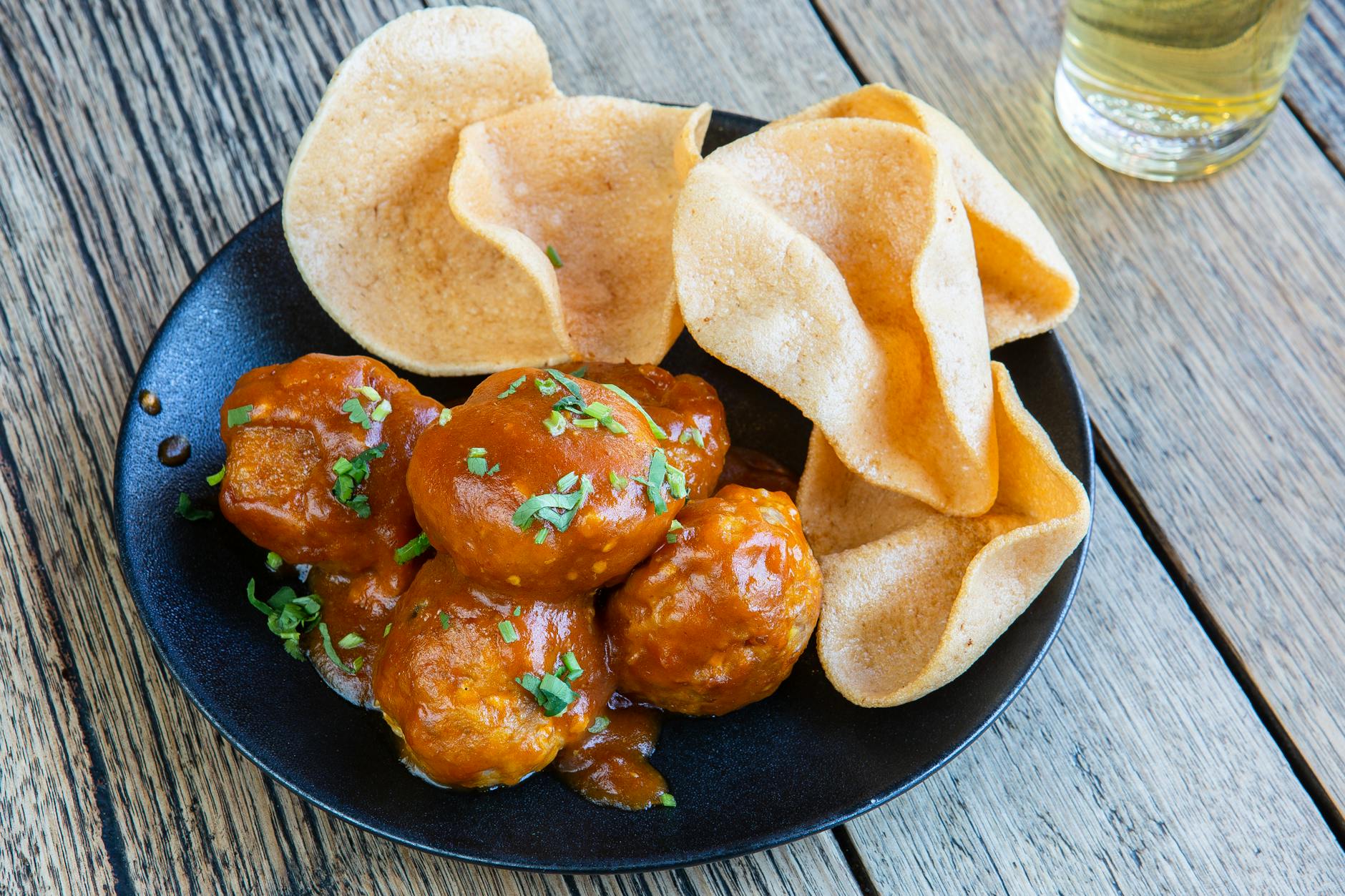
If this is your first time in Sweden, there are about a dozen dishes worth trying at least once. A few are tourist staples that turn out genuinely good when cooked properly; others belong to the Swedish home-cooking canon that almost no visitor ever meets. For the full rundown, see my guide to 20 Traditional Swedish Foods to Try in Stockholm.
Swedish meatballs (köttbullar)
The famous one. Done well it’s a serious dish, beef and pork, cream gravy, lingonberry jam, pickled cucumber, boiled potato. Done badly, which is common, it’s a bland, over-sweetened cafeteria plate. Eat it properly at Tennstopet, Pelikan, Prinsen, or Meatballs for the People, which also runs elk, reindeer, wild boar and vegetarian versions alongside the classic. If meatballs are the reason you came, my guide to the Best Swedish Meatballs in Stockholm ranks the plates worth the calories.
Gravlax
Salmon cured with dill, sugar and salt, sliced paper-thin and served with a mustard-dill sauce (hovmästarsås) and dark bread. Almost every upscale Stockholm restaurant does a good version, and it shows up prominently on any smörgåsbord lunch.
Pickled herring (sill)
A cornerstone of Swedish eating, usually served with crispbread, sharp cheese, dill potatoes and schnapps. Plenty of Swedes eat herring every Friday without a second thought. The best versions in town are at Sturehof, Den Gyldene Freden, and the food counters of Östermalms Saluhall.
Smörgåsbord
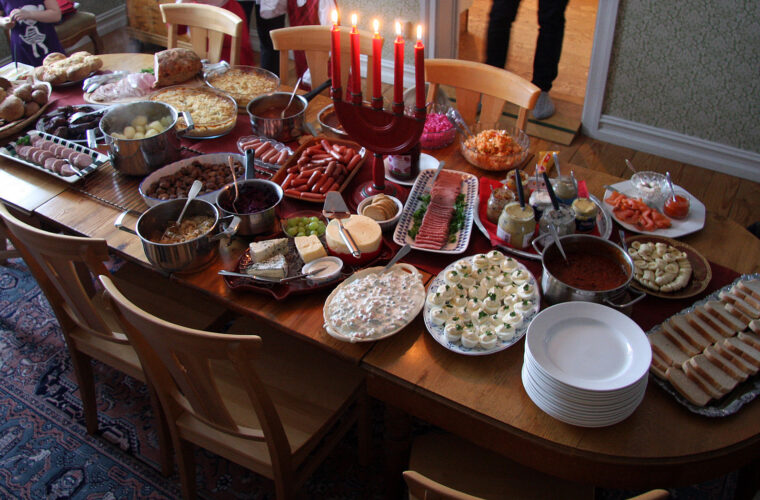
The Swedish buffet moves in rounds, each focused on a different group, herring first, then cold fish, then cold meats, then hot dishes, then cheese and dessert. A proper smörgåsbord is a two-hour affair and a brilliant way to taste 15 to 20 Swedish dishes in one go. The best in Stockholm is the Sunday spread at Veranda at the Grand Hôtel (around 650 to 950 SEK).
Toast Skagen
A 1950s invention that somehow never aged, small shrimp, dill, mayonnaise, a squeeze of lemon and whitefish roe on grilled buttered bread. Every serious Stockholm bistro has one. Sturehof’s is the benchmark.
Räksmörgås
The oversized open shrimp sandwich, the visual cliché of Swedish lunch, is genuinely delicious when it’s built with good bread, hand-peeled North Sea shrimp, a hard-boiled egg, Kalles caviar and proper mayonnaise. Order it at Lisa Elmqvist inside Östermalms Saluhall.
Raggmunk with fried pork
The farmhouse classic, a crisp grated-potato pancake with fried streaky bacon and lingonberry. It sounds simple, and in the wrong hands it is; in the right hands it’s one of the best comfort dishes in the country. Tennstopet and Pelikan both do it well.
Kåldolmar (stuffed cabbage rolls)
Carried home from Ottoman territory by King Karl XII’s troops in the 1700s and thoroughly adopted as Swedish. Minced pork and rice wrapped in cabbage, braised, and served with cream sauce, lingonberry and boiled potato.
Janssons frestelse
“Jansson’s temptation”, a gratin of potato, onion, anchovy, cream and breadcrumb, served in winter and at Christmas. Rich, salty and oddly addictive.
Prinsesstårta (princess cake)
Layers of sponge, raspberry jam, vanilla custard and whipped cream, wrapped in green marzipan. Not a sophisticated pastry, but a beloved one, and available at nearly every bakery in the city.
Kanelbullar and semlor
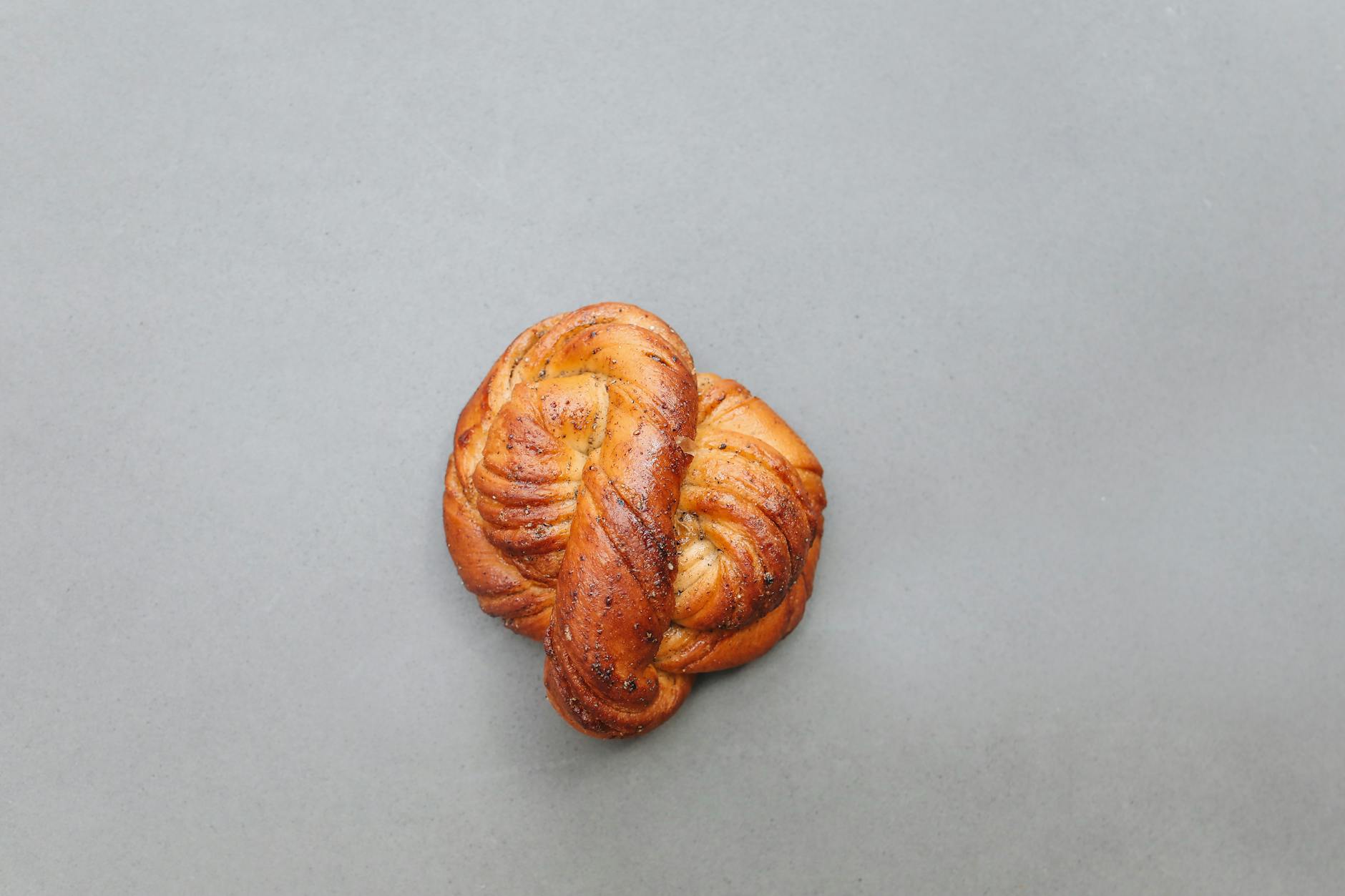
The cinnamon bun (kanelbulle) is Sweden’s national pastry, cardamom-spiced dough, cinnamon-sugar filling, pearl sugar on top. Every café makes them; the very best are at Café Saturnus in Vasastan (the legendary oversized version), Fabrique and Vete-Katten. From January through Easter, Sweden switches to the semla, a cardamom bun filled with almond paste and whipped cream. Seek one out if your trip lines up. For where these pastries come from fresh each morning, see my guide to the Best Bakeries in Stockholm.
Neighbourhood restaurants — where locals actually eat
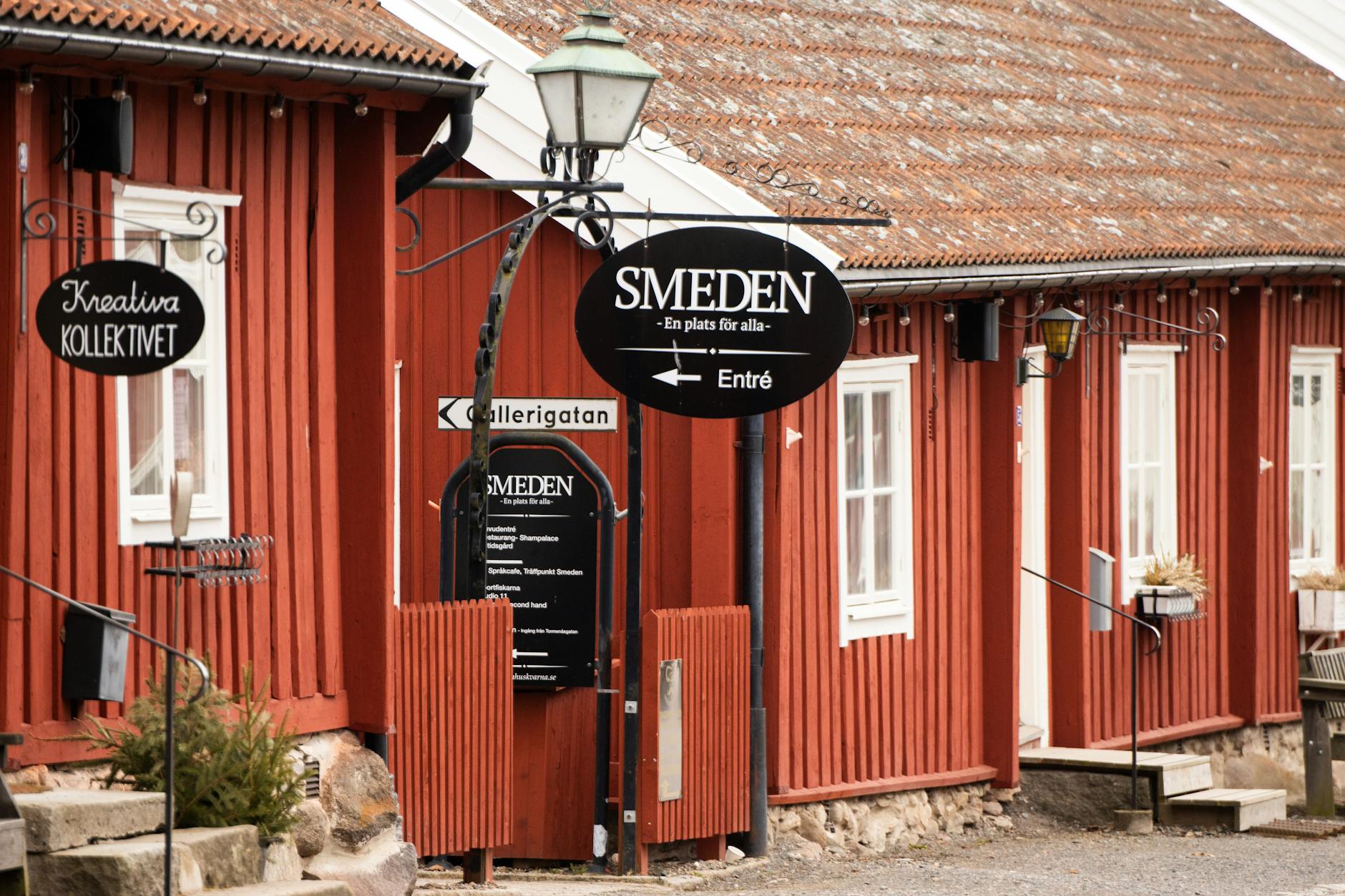
Beyond the Michelin tier, the city’s strongest restaurant culture lives in the mid-range neighbourhood spots, rooms that seat 30 to 60, run one ambitious chef, and charge around 500 to 700 SEK for three courses. This is where most of the best eating in Stockholm actually happens.
In Södermalm — the creative heart
Bar Agrikultur (Skånegatan) does natural wine, small-farm produce and a chalkboard menu. The best room in the city for a casual-leaning but serious meal. Book two weeks out.
Meatballs for the People (Nytorgsgatan) is exactly what it sounds like, done excellently. Bustling, noisy, fast.
Babette (Roslagsgatan, technically Vasastan but the same energetic breed) serves wood-fired pizza and natural wine, and it’s very hard to get a weekend table.
Lilla Ego (Vasastan) is chef-driven Nordic cooking with a playful streak, most locals’ first pick for a “special but not stuffy” dinner. It books three months out.
Nook leans into Korean influences, consistently inventive, with a chef’s-table feel.
In Östermalm — the refined classics
Sturehof (Stureplan) opened in 1887, renovated since but unchanged in spirit. The best single room in town for seafood towers, toast Skagen, herring, and the whole classical Stockholm brasserie experience. Walk-ins are accepted, though expect a 45-minute wait at peak.
Riche (Birger Jarlsgatan) is the Östermalm daytime-to-dinner institution, a more modern update of Sturehof’s formula.
Rolfs Kök pioneered the open-kitchen concept in Stockholm back in 1989 and still turns out excellent bistro cooking.
Hillenberg, chef Andreas Hedlund’s classical-Swedish room near Humlegården, serves some of the best traditional cooking in the city in a calm, adult space.
In Vasastan — the quiet quality
Tennstopet (Dalagatan) has a 1954 interior that’s now a protected landmark. The food is un-ironic Swedish classics, meatballs, roast beef, salmon, and the bar is full of regulars. If you want one “old Stockholm” meal, this is it.
Prinsen is 120 years old, all dark wood and white tablecloths, the classic business-lunch institution.
Café Saturnus (Eriksbergsgatan) handles breakfast and fika, famous for its giant cinnamon buns. Queue at 10:00 on a Saturday, and it’s worth it.
In Gamla Stan — under the tourist layer
Most restaurants in the Old Town are aimed at tourists and priced to match. The ones worth your time:
Den Gyldene Freden (Österlånggatan) has been owned by the Swedish Academy since 1919 and running as a restaurant since 1722. Classical Swedish food in vaulted 18th-century cellars, slightly theatrical but genuinely good.
Tradition keeps a smaller menu, meatballs and herring done properly, at reasonable prices for Gamla Stan.
In Kungsholmen — the underrated neighbourhood
Lux Dag för Dag is one of the city’s long-standing Michelin holders, set in an industrial building on Lilla Essingen. Waterside, ambitious, worth the taxi.
La Neta runs the city’s best Mexican taqueria, where a real taco costs around 70 SEK, which in Stockholm is close to a miracle.
Vegetarian and vegan dining in Stockholm
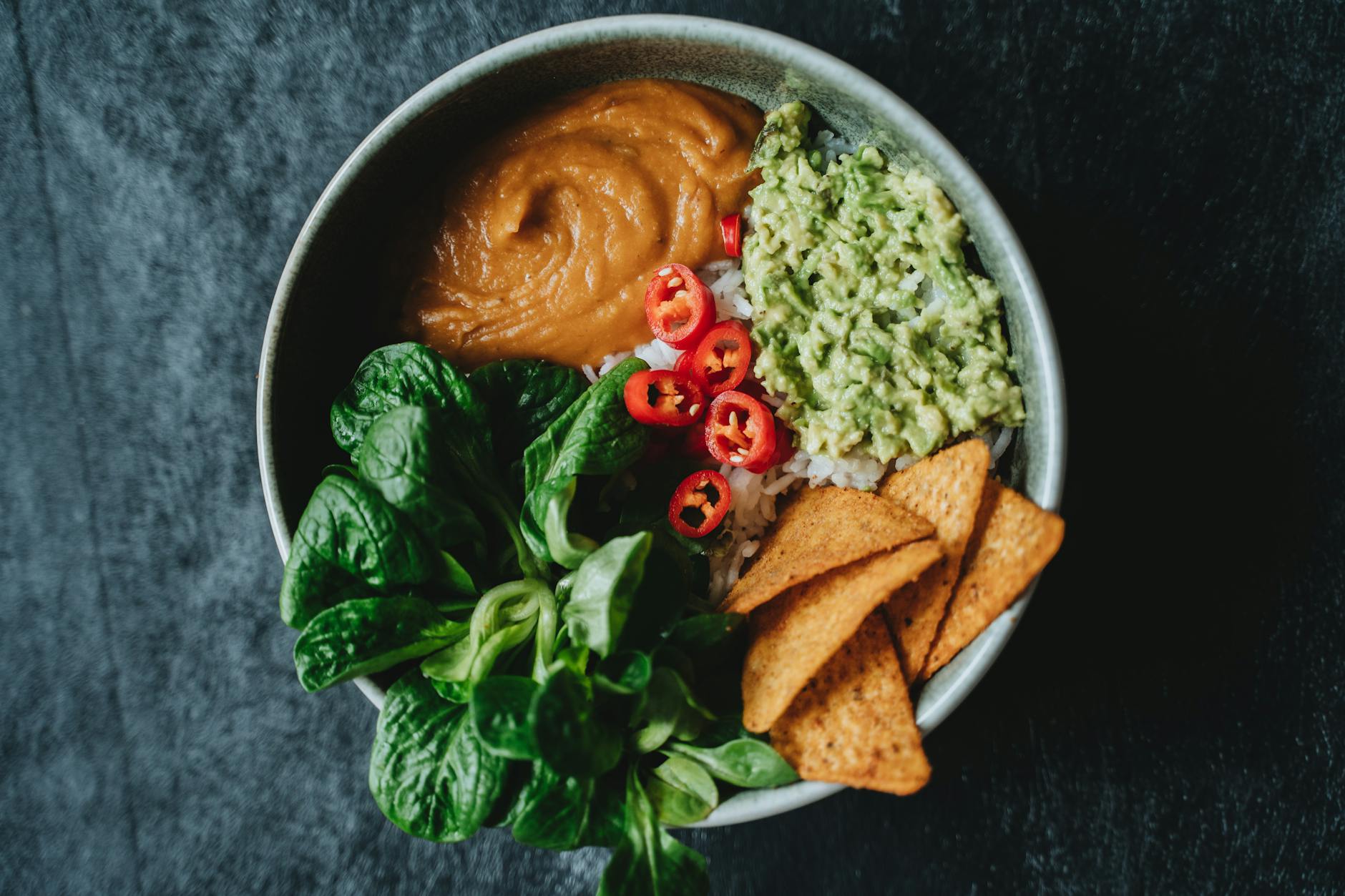
Stockholm is one of the easier European capitals for plant-based eaters, and the options run well beyond salad. Hermans is a vegetarian buffet on a Södermalm cliff overlooking the harbour, the view alone earns the trip, and the food is genuinely good (lunch around 195 SEK, dinner around 245 SEK). Chutney is the city’s classic daily-changing vegetarian menu in Södermalm. Mahalo leans raw, with excellent smoothie bowls and salads across several locations. Agrikultur, the Michelin room in Vasastan rather than Bar Agrikultur, runs a vegetable-heavy tasting that can be made entirely vegetarian. For a fuller list, see my guide to the Best Vegan & Vegetarian Restaurants in Stockholm.
Gluten-free and lactose-free menus are almost universal here. Nearly every restaurant marks dishes in English, and staff take allergies seriously. If you’re coeliac, order the bread replacement without worry, it’s usually made in-house.
Food halls — how to eat six places in one visit
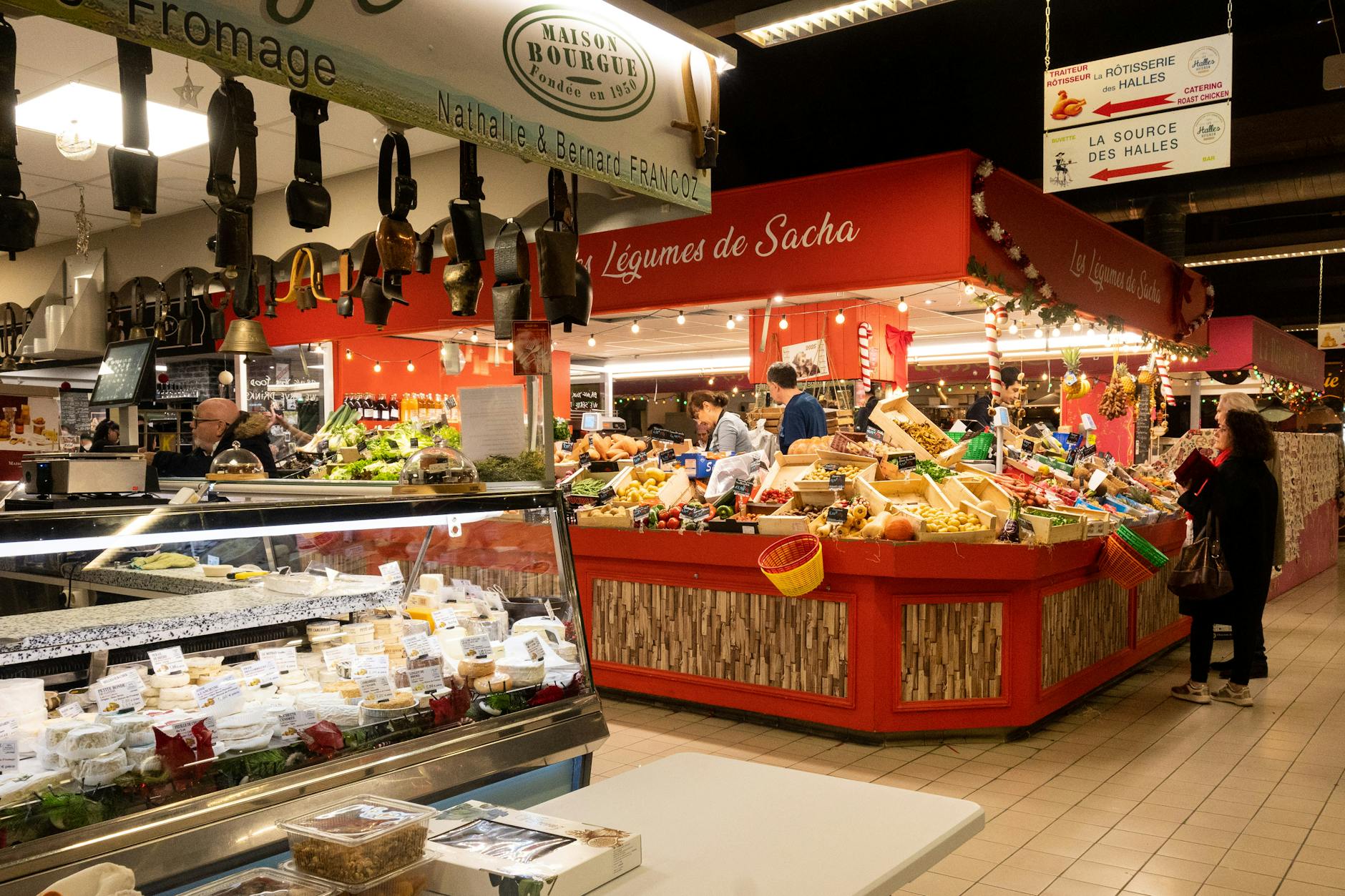
Want to sample a range without booking several restaurants? Food halls are the fastest way to do it, and Stockholm has four worth knowing. My guide to Stockholm Food Markets & Food Halls maps every counter, but here’s the short version.
Östermalms Saluhall
Built in 1888, closed for a five-year renovation, reopened in 2020. This is the grande dame of Swedish market halls, a red-brick Victorian building with a tall arched interior and roughly 20 ground-floor vendors. The food counters are the draw: Lisa Elmqvist (fish and shrimp sandwiches, since 1926), Tysta Mari (classical Swedish lunch), Gerdas Fisk (seafood), Melanders (grilled fish), and a good wine bar. Quality here is genuinely high, most Stockholm chefs source their own ingredients from this hall. Come for lunch rather than dinner; counter seating after 13:30 is far easier.
Hötorgshallen
The underground hall below Hötorget square. Less pristine than Östermalms Saluhall, more multicultural, and in some ways more interesting. Persian, Greek, Lebanese and Swedish counters share the space. Cheap, filling and excellent for a mid-sightseeing lunch.
K25 (Kungsgatan 25)
A modern, Asian-focused food court that opened in 2015. Ramen, bao, Thai curry, Korean fried chicken. Informal, cheap, open late and busy with after-work crowds. The easiest place to break from Scandinavian cooking for a night.
Urban Deli
Not a single hall but a small Stockholm chain combining deli counter, wine bar, restaurant and mini-supermarket under one roof, with locations at Nytorget, Sveavägen and Sickla. Good quality, a touch stylish, the kind of place you can drop into without a plan at any hour.
Seafood restaurants and the Sunday smörgåsbord
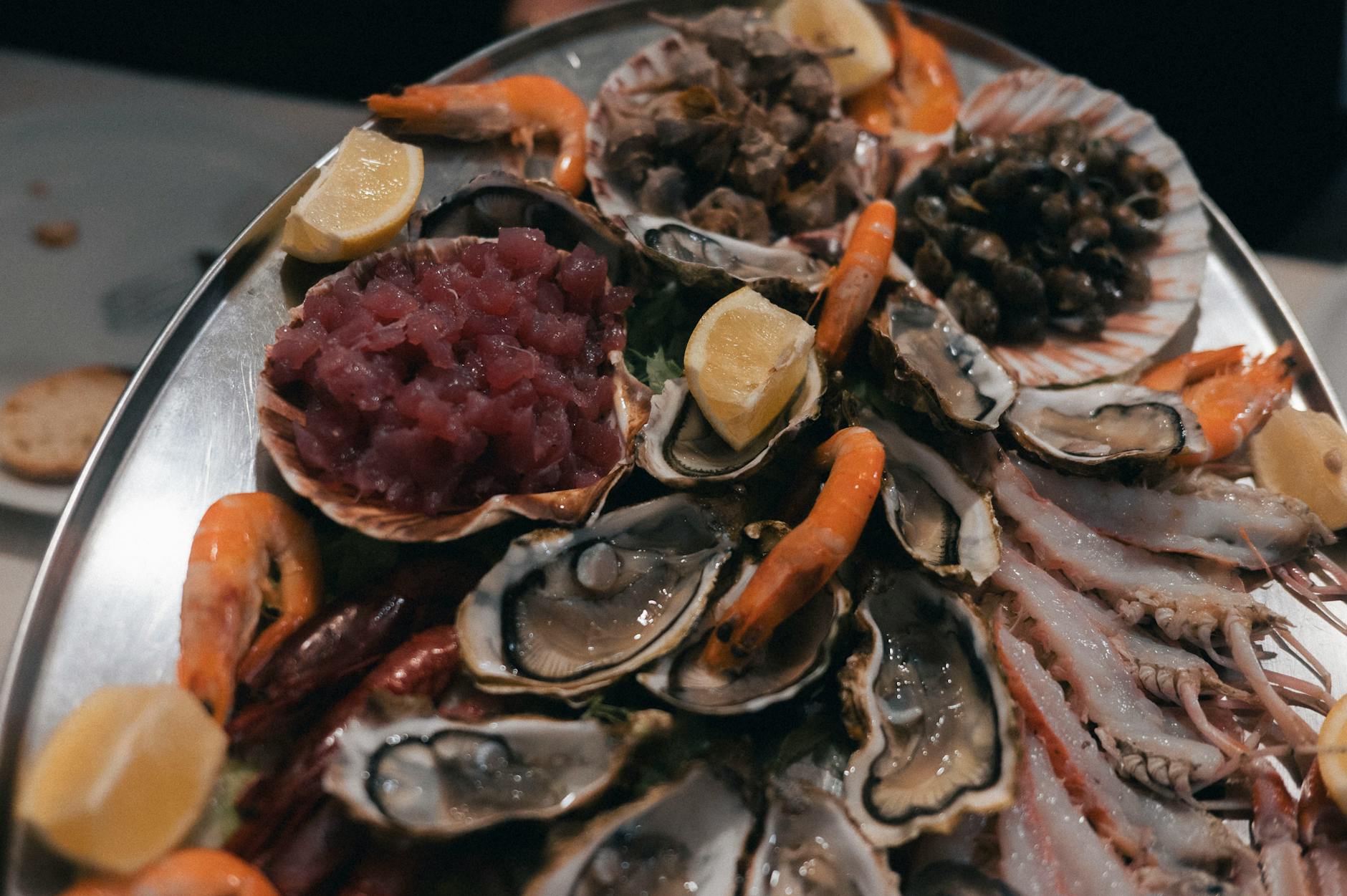
Stockholm sits on an archipelago, the water is unusually clean, you can swim in the city centre, and the fish is local and fresh. Three seafood experiences stand out, and my guide to the Best Seafood Restaurants in Stockholm covers each in more depth.
The classic seafood tower
At Sturehof, Riche, Wedholms Fisk or B.A.R., a two-tier iced plate of oysters, langoustines, shrimp, crab, periwinkles and mussels runs around 900 to 1,600 SEK for two. This is the classical Stockholm power lunch, and honestly one of the best arguments for the city as a food destination.
The Sunday smörgåsbord
The Grand Hôtel’s Veranda runs the city’s most famous smörgåsbord, served on Sundays and at Christmas. It costs around 650 to 950 SEK, lasts two hours, and is the most comprehensive tour of Swedish food you can book in a single meal. Wasahof and Ulla Winbladh also run good classical spreads.
The archipelago lunch
With a half-day to spare, take the ferry out to Fjäderholmarna (20 minutes from Nybroviken) and eat at Fjäderholmarnas Krog, traditional Swedish seafood on a tiny island, outdoor tables in summer, and a beautiful round-trip ride. It’s the single most underrated food activity in Stockholm.
Cafés, fika, and brunch
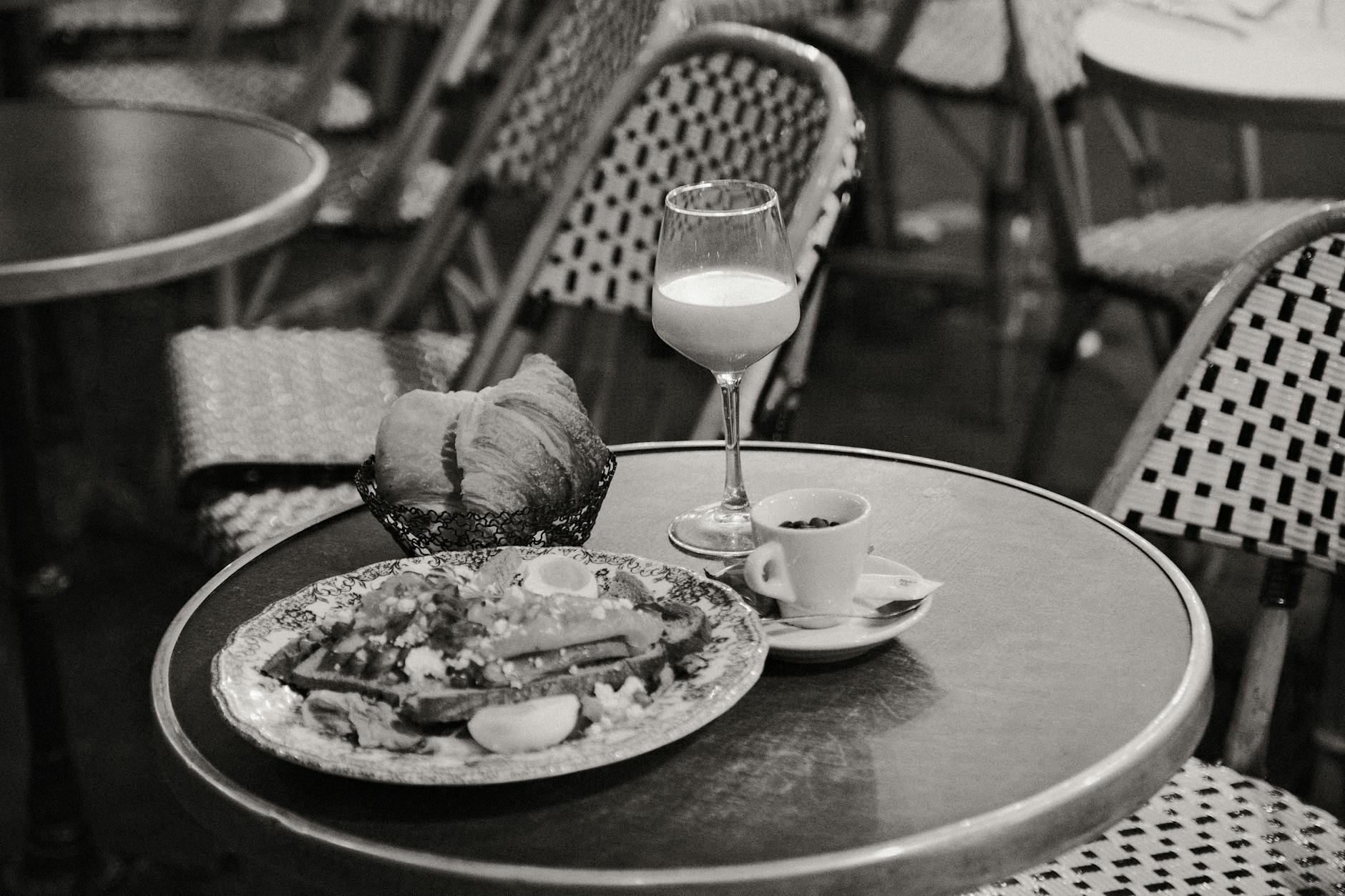
Swedish coffee culture runs on fika, the daily 10:30 and 15:00 ritual of coffee plus pastry, and it’s one of the most beloved parts of life here. A strong fika habit means a strong café scene, and Stockholm’s is world-class. If the ritual itself intrigues you, my explainer on what fika is and Stockholm’s coffee culture unpacks it properly.
The specialty roasters
Drop Coffee (Södermalm) is the city’s most respected specialty roaster, small, bright and filter-forward, and a fixture in international coffee guides. Johan & Nyström (several locations) is longer-established, also top-tier, in larger spaces. Kafferäven in Vasastan is the third name serious coffee drinkers bring up. Mean Coffee Company is slightly newer, with excellent espresso and a small flagship on Upplandsgatan.
The classic Swedish cafés
Vete-Katten dates to 1928, several interconnected rooms, classical Swedish pastries, waitresses in uniform, the most “old Stockholm café” experience going. Café Saturnus, mentioned above, is the one for oversized cinnamon buns. Gateau is a reliable bakery chain, good for a weekday kanelbulle. Fabrique does sourdough and pastries across several locations with a clean Scandinavian look. For a proper deep-dive on the best rooms, see my guide to the Best Cafes in Stockholm for Fika.
Brunch
Brunch isn’t a deep Swedish tradition, but it’s been imported with enthusiasm. The best places to do it are Nybrogatan 38, Esperanto, Urban Deli, and Café Pascal (three locations, arguably the city’s best all-round weekend brunch). Book for weekends, Stockholm does brunch busily, and my roundup of the Best Brunch Spots in Stockholm has more.
Bars, cocktails, and natural wine
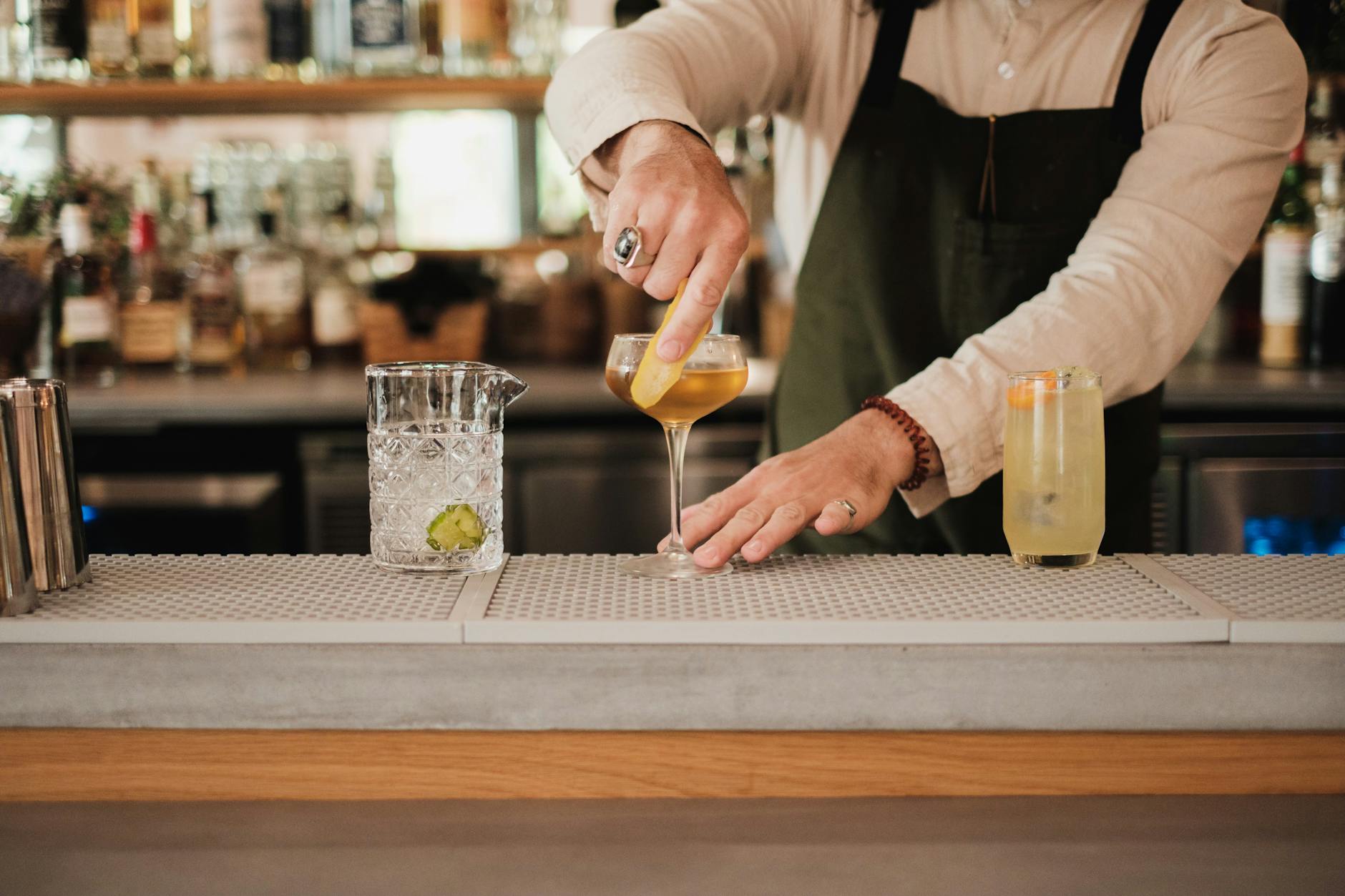
Stockholm’s bar scene came of age in the early 2010s and has only sharpened since. The cocktail culture is technical and understated, less show-bar, more craft-bar.
Cocktail bars
Le Hibou (Bank Hotel rooftop) is the best rooftop bar in the city, full stop, with a panoramic sweep over Kungsträdgården, book ahead on weekends. Tjoget (Södermalm) pours natural wine and craft cocktails alongside charcuterie, and it’s lively. Linje Tio is a speakeasy-style bar down a Hornstull back-alley. Corner Club (Gamla Stan) is small, moody and staffed by serious bartenders. A Bar Called Gemma in Södermalm keeps an inventive list.
Natural wine bars
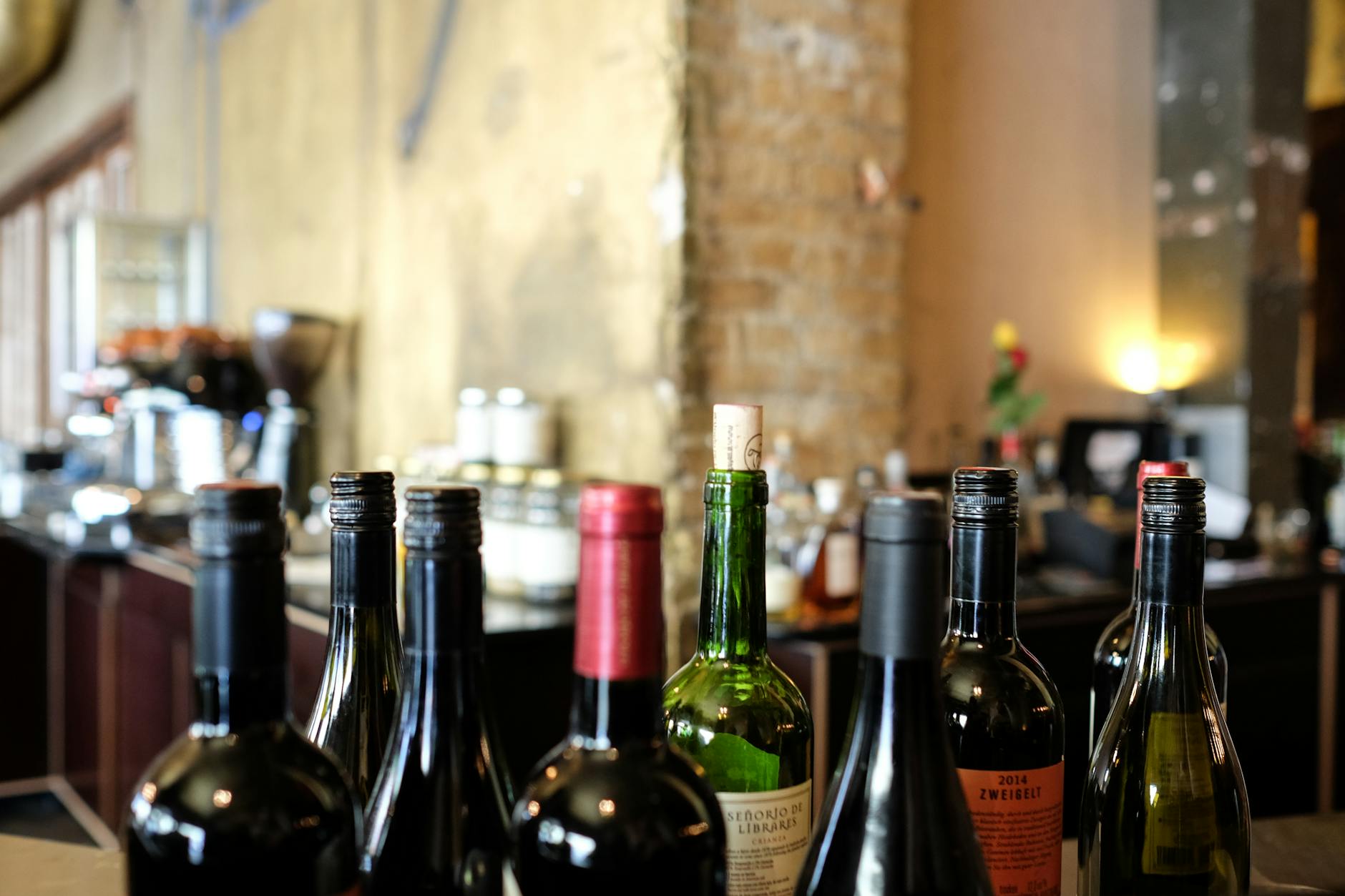
Over the last decade Stockholm has become a quietly important natural-wine city. Folii (Roslagsgatan), Vurma, Grappa and Bar Agrikultur anchor the scene. Expect small producers, grower Champagnes, Jura whites and a minimum of pretension, and all of them are good places to eat as well.
Hotel bars worth visiting
Cadierbaren at the Grand Hôtel is classic, dark and serious, ideal for a single drink before dinner. The Ballroom at Miss Clara is an art-deco room with a strong list. Bar Nobis is understated and Scandi-minimalist, good for a quiet one.
Stockholm restaurants by occasion
For a first-time visitor — one dinner
If you’re eating a single dinner and want the most representative experience, book Sturehof. It has everything in one place, the room, the seafood tower, the classic Swedish dishes, the proper brasserie service, and you walk out having “eaten Stockholm.”
For a romantic evening
Oaxen Krog (water view, two Michelin stars, that architectural room) is the full high-end option. Aira on the Djurgården waterfront is a slightly more relaxed alternative, and Operakällaren brings old-world glamour until it closes at the end of December 2026 for a multi-year renovation. For something quieter, Ett Hem’s dining room, inside the hotel, is genuinely intimate and serves only a set menu, 15 seats in total.
For a group of four to eight
Sturehof, Riche, Nosh and Chow and Bar Agrikultur all handle groups well and can flex on budget. Don’t try to book a fine-dining tasting for more than four, the room usually won’t take it and the pacing breaks down.
For kids
Nearly every restaurant has a children’s menu (barnmeny) for around 85 to 110 SEK, and staff are relaxed about kids in the room. Practical picks: Meatballs for the People (the concept is literally kid-friendly), Urban Deli, Sturehof (early dinner), and Kajsas Fisk inside Hötorgshallen, where the fish soup is famous and cheap.
For a late-night meal
Stockholm isn’t a New York-style late-night city, but there are options. Griffins Steakhouse keeps the kitchen open until 23:30. Riche runs to 00:00 on weekends. B.A.R. serves late bar food. Most neighbourhood kitchens close at 22:00.
For a business lunch
Sturehof, Prinsen, Riche, Hillenberg and Operakällaren all run formal lunch service with space between tables, calm acoustics and good wine, though Operakällaren closes at the end of December 2026 for a multi-year renovation. Book for 13:00 rather than 12:30 to miss the peak rush.
For a “treat yourself” solo dinner
Counter seats at Sturehof, Sushi Sho or Ekstedt (the bar counter) are the best solo options, the full kitchen experience without the awkwardness of a table for one.
Stockholm restaurants by neighbourhood — quick reference
Gamla Stan: Den Gyldene Freden, Tradition, Frantzén (technically just over the bridge in Norrmalm, but close enough), Zink Grill.
Norrmalm / City: Operakällaren (closing end of December 2026 for renovation), Wedholms Fisk, Gondolen, Urban Deli, Café Nizza, Hötorgshallen.
Östermalm: Sturehof, Riche, Rolfs Kök, Nosh and Chow, Hillenberg, Östermalms Saluhall, Sushi Sho, Gastrologik.
Södermalm: Bar Agrikultur, Meatballs for the People, Nook, Hermans, Tjoget, Pelikan, Oaxen Slip, Drop Coffee, Chutney.
Vasastan: Lilla Ego, Tennstopet, Prinsen, Agrikultur, Café Saturnus, Babette, Folii.
Djurgården: Oaxen Krog, Oaxen Slip, Aira, Rosendals Trädgård (a summer café).
Kungsholmen: Lux Dag för Dag, La Neta, Mälarpaviljongen (summer only, on the water).
How to book a Stockholm restaurant
Stockholm runs mostly on online reservations. Three platforms cover roughly 85 per cent of serious restaurants, Bokabord.se, Tablo, and the restaurant’s own website. OpenTable covers a smaller share and handles some international-facing places.
- Fine-dining tasting menus: book 30 to 90 days ahead, exactly at the release time. Frantzén opens 90 days out at 10:00 Stockholm time. Aloë, Gastrologik and Ekstedt open 30 to 60 days out.
- Mid-range neighbourhood restaurants: one to three weeks ahead for weekends, often just a few days for weekdays.
- Brasseries (Sturehof, Riche, Prinsen): walk-ins work at lunch and off-hours; book ahead for weekend dinners.
- Food halls, cafés and brunch spots: usually no reservations, just turn up and be ready to wait at peak.
Can’t land a specific table? Check cancellations at 17:00 the evening before your date, which is when many restaurants release no-shows back into the system. Walk-in counter seats at Gastrologik, Ekstedt and Sushi Sho sometimes open up 30 minutes before service on weeknights.
Practical tips for eating out in Stockholm
Dinner starts later than in the US, earlier than in Spain. Most kitchens open at 17:30, and peak seating is 19:00 to 20:30. Half nine is considered late. Last seating is usually 21:00 at neighbourhood restaurants, later at brasseries.
Lunch runs 11:30 to 14:00. The fixed-price dagens lunch is almost always the best-value choice if you’re eating midday.
Cashless. Stockholm is as close to fully cashless as any city in Europe, and almost no restaurants take cash. Bring a chip-and-PIN card, or use Apple Pay or Google Pay.
Dress code is relaxed. Even the three-Michelin-star room doesn’t ask for a jacket or tie. Smart casual covers any restaurant in town.
Water is free and excellent. Stockholm tap water is cleaner than most bottled, and every restaurant brings a carafe without being asked. Sparkling water usually runs around 45 to 60 SEK.
Split bills are normal. Swedish servers routinely split a bill four ways without so much as a raised eyebrow.
Children are welcome almost everywhere. Even at upscale rooms, kids are treated warmly and handed their own menu. High chairs (barnstol) are universal.
Don’t count on bread on the table. In most places bread comes with the meal, not automatically beforehand, and some restaurants charge for it (around 35 to 55 SEK), which is normal in Scandinavia.
Final thoughts
Stockholm is one of the best-eating cities in Europe, and, unlike Paris, Rome or Copenhagen, it isn’t yet famous for it. That under-the-radar status is exactly why you can walk into a Michelin-starred room with three weeks’ notice, why neighbourhood kitchens are still chef-driven, and why a good Friday dinner in a 40-seat room costs around 500 SEK rather than 150 euros. Use the window while it lasts.
If I could give you one piece of advice, it’s this: don’t spend every meal at the fine-dining level. The best of Stockholm lives in the mid-range, the Sturehofs, Tennstopets, Bar Agrikulturs and Lilla Egos, where the food is ambitious, the ingredients are local, the service is calm and the culture is alive. Save Frantzén for the one special night, and spend the rest of your trip in the city’s working kitchens. That’s where the real eating happens.
From mid-November to Christmas, a good share of the city’s dining turns into one long julbord season, when restaurants lay out the Swedish Christmas buffet and office parties fill the Friday nights. Our guide to julbord in Stockholm covers the best tables for 2026, what they cost, when to book and how to eat one properly, round by round.
If you’d like a guided introduction to Swedish food before you start booking tables, our honest guide to Stockholm food tours compares the tours running in 2026, from Östermalms Saluhall to Gamla Stan, and sets out a do-it-yourself tasting route for a fraction of the price.
Frequently asked questions
What is the most famous restaurant in Stockholm?
Frantzén, the city’s only three-Michelin-star restaurant and one of the 50 best in the world. It’s the benchmark Stockholm dining experience and the single hardest reservation in Scandinavia, opening exactly 90 days ahead at 10:00 local time.
What is the best restaurant in Stockholm?
It depends on your budget and mood. For the fine-dining pinnacle, Frantzén. For refined Nordic in a beautiful waterside room, Oaxen Krog. For the classical brasserie experience, Sturehof. For the mid-range neighbourhood spot locals fight over, Bar Agrikultur or Lilla Ego.
How much does a meal cost in Stockholm?
Budget meals run around 180 to 280 SEK (16 to 24 euros). Mid-range dinners land near 450 to 700 SEK (40 to 60 euros). Upscale à la carte sits around 800 to 1,200 SEK, and fine-dining tasting menus around 2,200 to 4,800 SEK. Lunch is dramatically cheaper than dinner across every category.
What traditional Swedish food should I try?
Meatballs with lingonberry, gravlax, pickled herring, toast Skagen, räksmörgås (the shrimp sandwich), raggmunk, and, for dessert, kanelbullar (cinnamon buns) and prinsesstårta (princess cake). If you can book a smörgåsbord, that covers most of the list in one sitting.
Do Stockholm restaurants speak English?
Essentially always. English-language menus are standard and service staff overwhelmingly speak fluent English, so there’s no need for hand-gesture ordering anywhere in the city.
Is it expensive to eat out in Stockholm?
Moderately. The city sits between Berlin, which is cheaper, and Copenhagen, which is dearer. Alcohol in particular is heavily taxed, a glass of wine runs around 120 to 220 SEK, but food prices are broadly comparable to any other Western European capital.
Do I need to tip in Swedish restaurants?
No. Service is included in the price by Swedish law. Plenty of locals round up or add 5 to 10 per cent for something excellent, but tipping is not expected, and nobody feels short-changed if you don’t.
How far ahead should I book restaurants in Stockholm?
Frantzén opens bookings 90 days out. Other Michelin restaurants, including Aloë, Gastrologik, Ekstedt and Oaxen Krog, open 30 to 60 days ahead. Mid-range neighbourhood spots want one to three weeks for weekends, and brasseries and food halls usually just take walk-ins.
Where can I eat traditional Swedish food in Stockholm?
Tennstopet is the most authentic 1950s dining room, with Pelikan, Prinsen and Den Gyldene Freden close behind, and Meatballs for the People for meatballs specifically. For a smörgåsbord, the Grand Hôtel’s Veranda is the benchmark on Sundays.
Is Stockholm good for vegetarians and vegans?
Yes, one of the best capitals in Europe for plant-based dining. Hermans runs a vegetarian buffet with a harbour view, and Chutney, Mahalo and the Michelin-starred Agrikultur all do vegetable-forward menus well. Almost every restaurant also marks vegetarian and vegan options clearly.