Where to Stay in Stockholm: Best Neighborhoods for Every Traveler
The definitive guide to Stockholm's six central neighborhoods — Gamla Stan, Norrmalm, Södermalm, Östermalm, Vasastan, Kungsholmen — with specific hotel picks, prices, and honest pros and cons for every type of traveler.
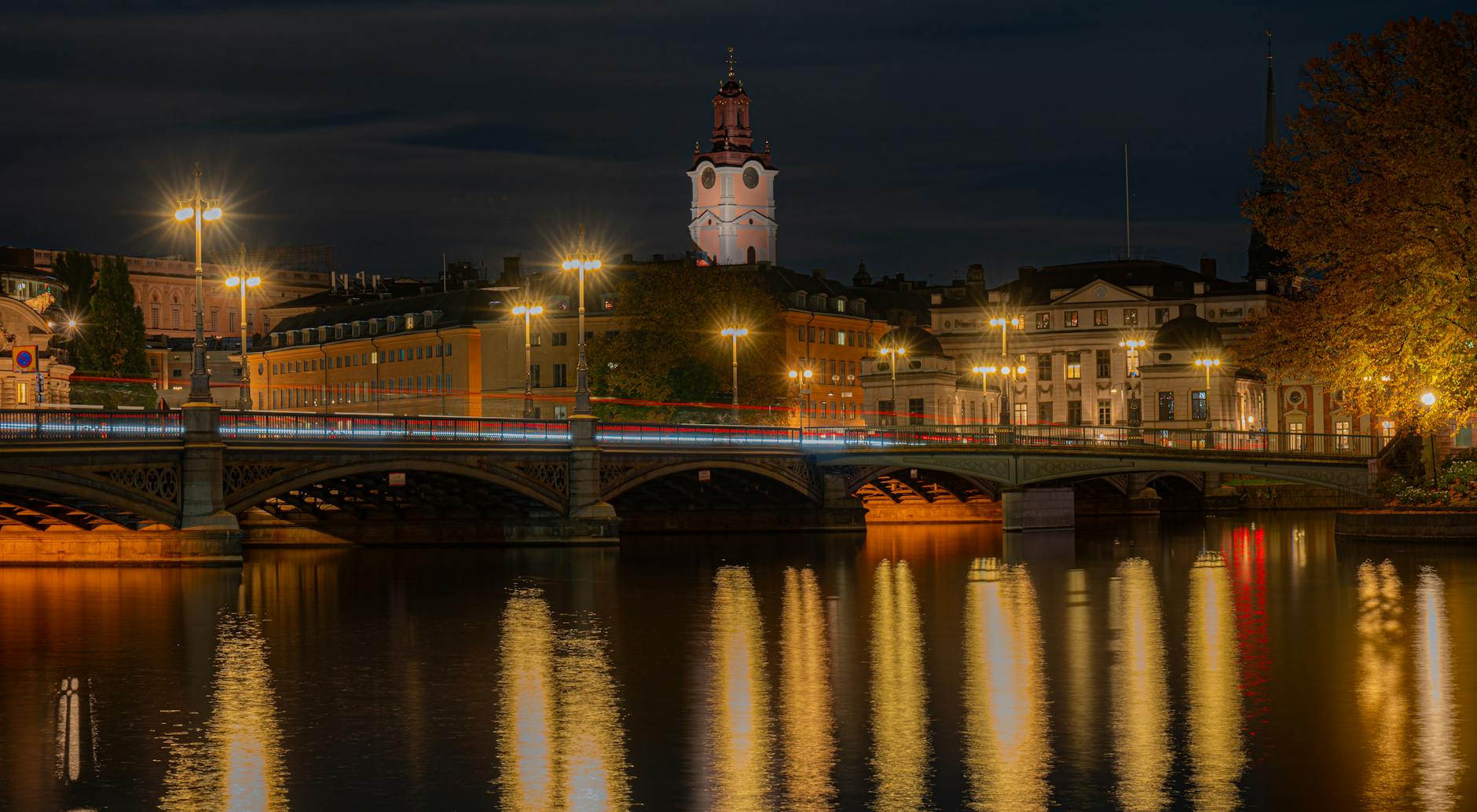
Ask me where to stay in Stockholm and my first question is always the same: which island? The city is spread across 14 of them, and the one you sleep on quietly decides the whole shape of your trip.
Short answer: for a first trip, base yourself in Gamla Stan for postcard atmosphere or Norrmalm for transit convenience — both put every major sight within a 15-minute walk. Repeat visitors tend to prefer Södermalm for cafés and views, while Östermalm suits couples and luxury travellers. All are central, safe, and well connected.
This guide is for anyone booking their first, second, or fifth Stockholm hotel and wondering which neighbourhood actually fits the trip they want. I’ll walk through every area worth considering — how each one feels, who it suits, roughly what it costs, and the specific hotels I’d book in each — so you can decide before you hit “reserve.” If you’re still torn on the big first-timer question, my Best Stockholm Neighborhood for First-Time Visitors comparison goes deeper on that one decision.
Where to stay in Stockholm: the one-minute version
Pressed for time? Here’s the shortlist for the six neighbourhoods that actually matter:
- Gamla Stan — the Old Town. Best for first-timers who want to step out the door into postcard Stockholm. Atmospheric, central, touristy, mid-to-high priced.
- Norrmalm & City — the modern downtown. Best for short trips, business travellers, and anyone who prizes transit access. Central Station, the big department stores, the widest hotel selection.
- Södermalm — the hip island to the south. Best for repeat visitors, younger travellers, and anyone chasing independent cafés, cool bars, and the finest sunset view in the city.
- Östermalm & Djurgården — the upscale east. Best for luxury travellers, couples, and families who want green space, museums, and refined dining without the tourist crush.
- Vasastan — the residential north. Best for a quieter, local-feeling stay with excellent restaurants and quick transit to everything.
- Kungsholmen — the waterside west. Best for a calm, slightly cheaper base with swimming spots on your doorstep in summer.
The rest of this guide unpacks each of these, plus themed picks (families, couples, nightlife, luxury, budget, long stays), specific hotels at every price point, and honest advice on walkability, transport, and what I’d skip.
How to read this guide
Each neighbourhood profile below follows the same shape: Best for (who it suits), Vibe, Price level, Walking distance to the top attractions, What it’s near, and a candid Don’t book here if warning. I close each with two or three hotels I’d genuinely consider — usually one luxury, one mid-range, and one budget pick where the area has one. Want streets, restaurants, and quieter corners in far more detail? The neighbourhood deep-dives linked throughout have you covered.
The Stockholm neighbourhood map, in one paragraph
Central Stockholm sits on three islands stitched together by short bridges. In the middle, Gamla Stan is the small diamond-shaped Old Town. Cross the bridge north and you reach Norrmalm, the downtown core built around Central Station. Keep going and you land in Vasastan, the residential north. East of Norrmalm lies Östermalm, the affluent embassy quarter, which unspools toward the parkland island of Djurgården. South of Gamla Stan, over another bridge, sits Södermalm — the largest central island, a big creative neighbourhood perched on a cliff. West of Norrmalm, one short bridge away, is Kungsholmen, a calmer waterside island that holds the City Hall. Everything here is either in the same cluster or a 10–20 minute metro ride away. Stockholm is far smaller than the map makes it look.
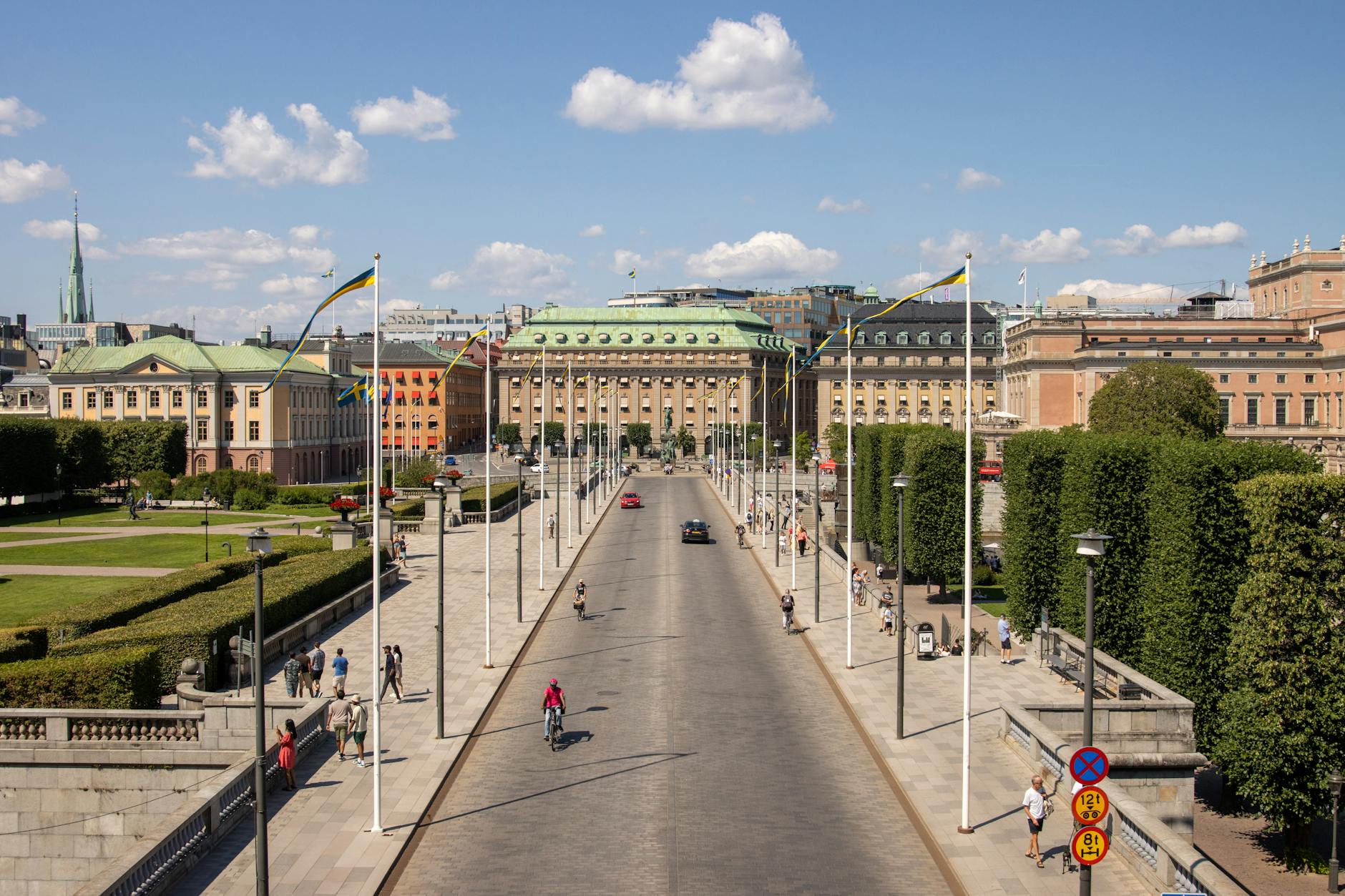
Gamla Stan: the postcard Old Town
Best for: First-time visitors, short stays, anyone who wants atmosphere over modern convenience, photographers, couples on a romantic trip.
Vibe: Cobbled lanes, 13th-century buildings in mustard-yellow and ochre, cafés with candlelit windows, tour groups by day, near-total silence after 21:00.
Price level: Mid to high. Rooms are small; the history is priced in.
Walking distance to: Royal Palace (inside the neighbourhood), Storkyrkan (2 min), Stortorget square (2 min), Nobel Prize Museum (2 min), Central Station and Norrmalm (10–12 min over the bridge), Södermalm via Slussen (15 min).
What it’s near: Strömkajen, the departure pier for most city boat tours, sits just outside. Kungsträdgården park is five minutes away.
Gamla Stan is the most atmospheric place in the city to wake up. The catch: it’s also where every day-tripper lands between 11:00 and 17:00, so the main lane, Västerlånggatan, gets uncomfortably crowded at midday. The trick is simple — stay inside the Old Town and you reclaim it at night, in the early morning, and all evening, which is exactly when it looks its best. Rooms in these historic buildings run small and quirky (low ceilings, odd floor plans), and that’s part of the deal if you go in expecting it.
Don’t book here if: you’ve got heavy luggage and limited mobility (cobblestones and narrow doorways are rough), you want modern high-rise comfort, or you’re specifically after a quiet, local-feeling stay.
Hotels I’d consider:
- Luxury: Victory Hotel, a characterful nautical-themed boutique tucked into a tiny lane. Or Hotel Kungsträdgården, right on the edge of the Old Town by the park, with elegant rooms overlooking the royal garden.
- Mid-range: the Collector’s Lady Hamilton and Collector’s Victory — sister properties that nail the small, storied, antique-filled brief without feeling stuffy.
- Budget: Castanea Old Town Hostel, a rare affordable bed inside the Old Town. Book it early.
For streets, restaurants, and corners in far more depth, see my full Gamla Stan guide.
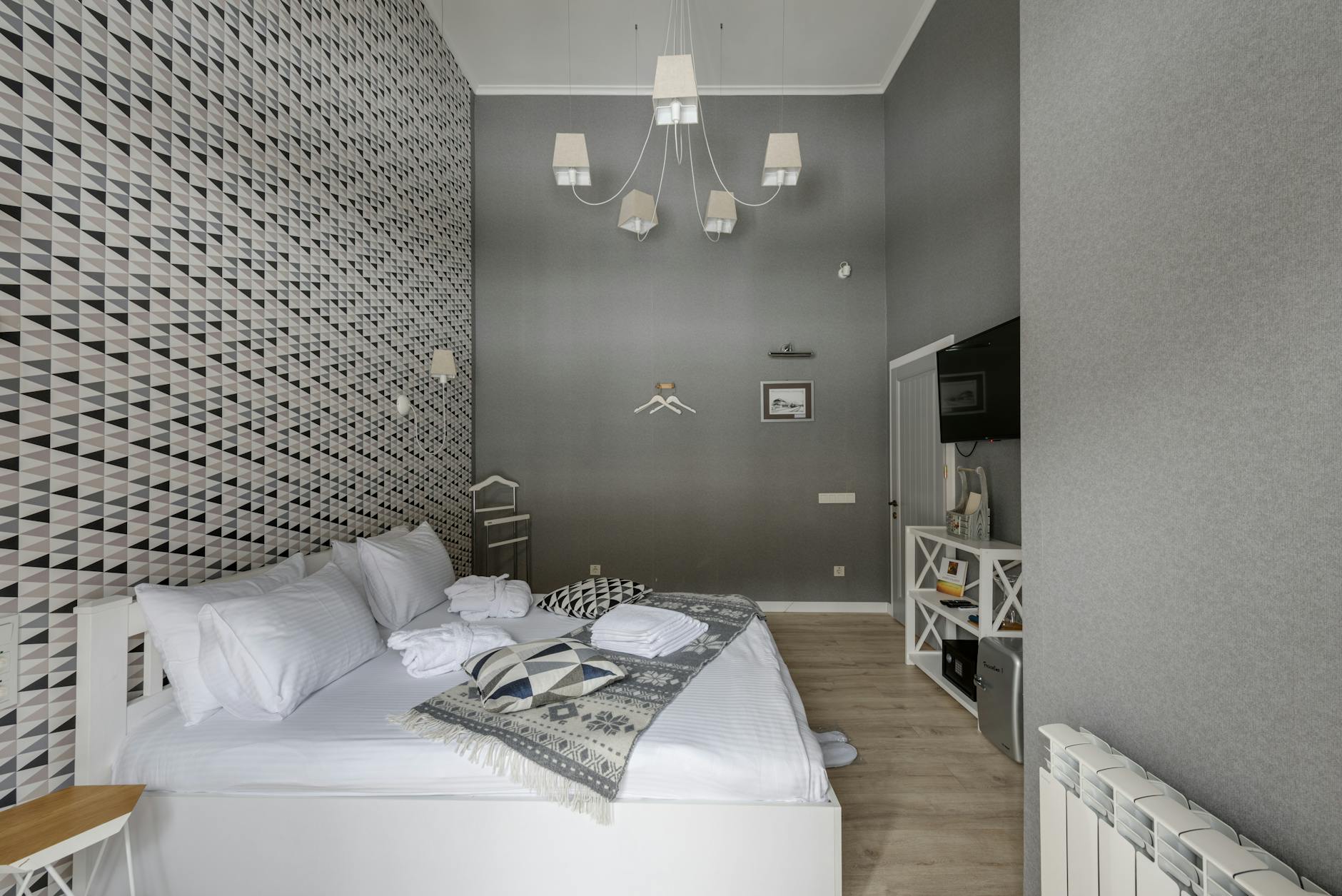
Norrmalm & City: the modern downtown
Best for: Short trips, business travellers, first-timers who want maximum transit flexibility, anyone arriving late at Central Station.
Vibe: Wide boulevards, department stores (NK, Åhléns), coffee chains, suit-and-backpack commuters, after-work bars on the fringes.
Price level: Medium to high — the big international chains live here, but so do solid-value four-stars.
Walking distance to: Central Station and the T-Centralen metro (inside the neighbourhood), Kungsträdgården (5–10 min), Gamla Stan (10–15 min), the Royal Opera, Hötorget, Sergels Torg.
What it’s near: Everything. If you’re doing day trips by train or arriving from Arlanda on the Arlanda Express, nothing beats it for convenience.
Norrmalm is the practical, grown-up pick. It isn’t Stockholm’s prettiest quarter — much of it was rebuilt in the 1960s and 70s and looks it — but it packs the city’s densest run of restaurants, shopping, and transit, and it links to everywhere else in ten minutes. Base here if your priority is seeing the city in three days without puzzling over trams.
Don’t book here if: you’re after local atmosphere, a quiet neighbourhood-café morning, or that “I’m really in Stockholm” feeling. You’ll have to walk a few blocks for it.
Hotels I’d consider:
- Luxury: the Grand Hôtel Stockholm, the historic grande dame across the water with Royal Palace views — technically on the Blasieholmen sliver but functionally central. Or Bank Hotel, a gorgeous conversion of an old bank just off Kungsträdgården, with one of the best rooftop bars in town.
- Mid-range: Scandic Continental (directly across from Central Station — hard to beat on location), Hotel Kung Carl, Nordic Light Hotel.
- Budget: Generator Stockholm (a design hostel with private rooms) or Birka Hostel.
More on the district in my Norrmalm & City Center guide.
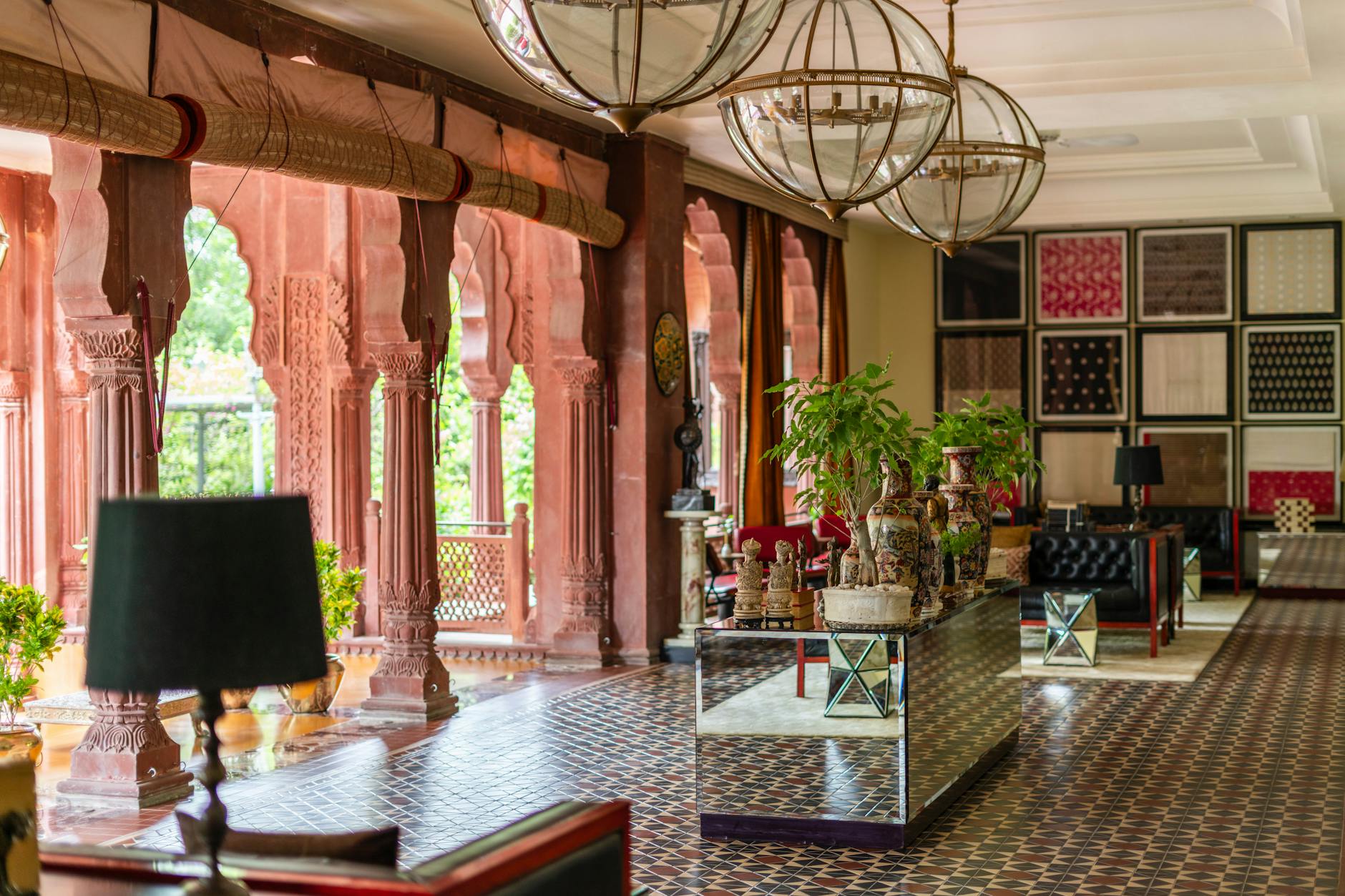
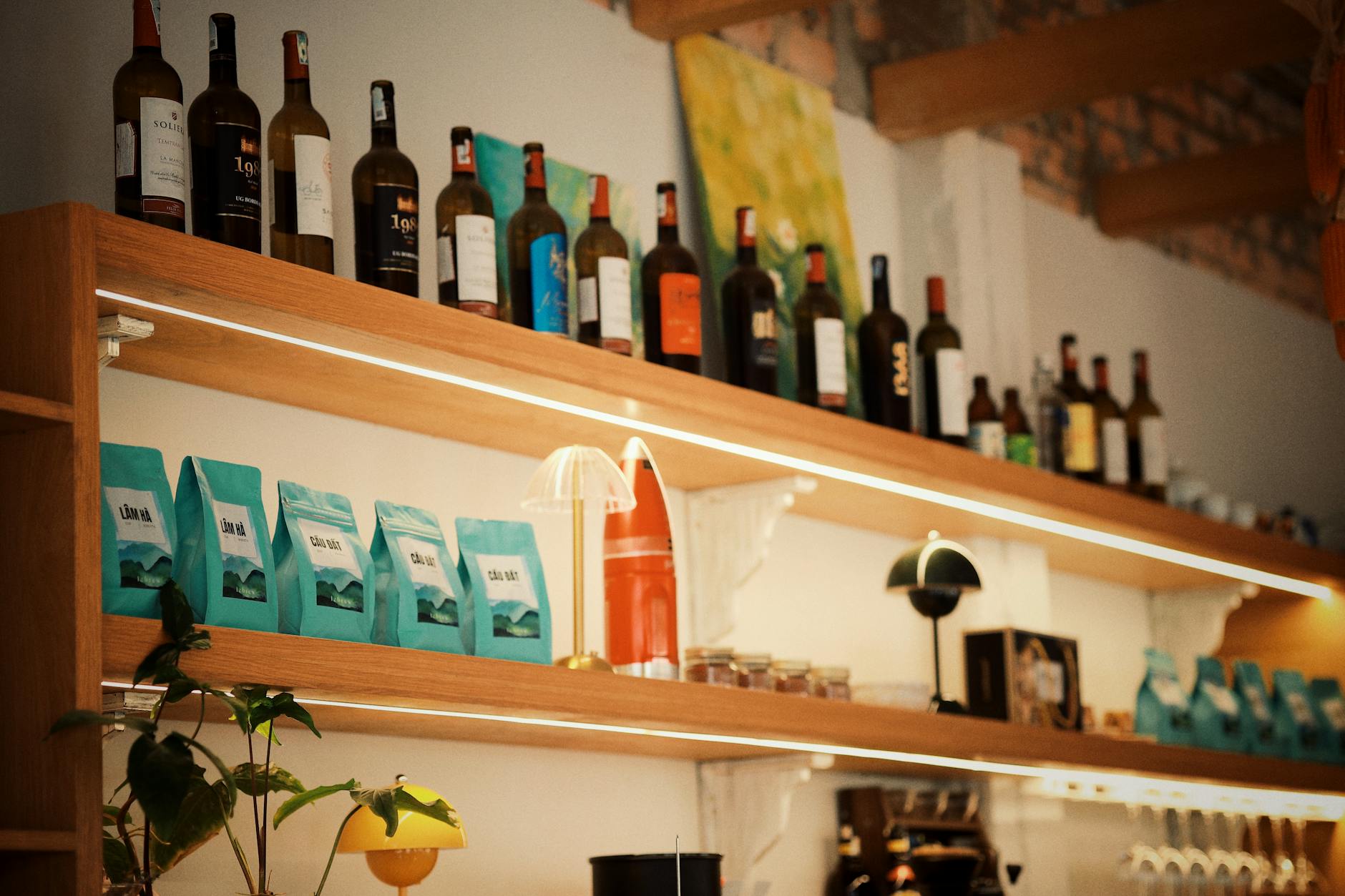
Södermalm: hip, creative, built on a cliff
Best for: Repeat visitors, younger travellers, design-minded travellers, anyone who wants independent cafés and bars a five-minute walk from the hotel.
Vibe: Vintage shops, tattoo studios beside concept stores, natural wine bars, vegan cafés, Scandinavian design showrooms, locals on every bench with a coffee.
Price level: Mid. You often get a more interesting room here for less than a Norrmalm chain.
Walking distance to: Fotografiska (at the northern edge), the Monteliusvägen viewpoint, Mariatorget, the SoFo district (the creative grid south of Folkungagatan), Gamla Stan (15 min via Slussen).
What it’s near: Fotografiska, Skinnarviksberget (the sunset rock), the cliff-path viewpoints, and the densest run of independent restaurants in the city.
Södermalm is where locals steer out-of-towners once they’ve ticked off the basics. It’s big — larger than Gamla Stan, Norrmalm, and Östermalm combined — but the parts that matter cluster along the cliff edges and around Mariatorget. My favourite morning here: wake up, walk ten minutes to Monteliusvägen for coffee and the best view in Stockholm, then take your pick of more interesting breakfast spots than anywhere else in town.
Don’t book here if: you want to be in the thick of the attractions, you’re on a 36-hour trip with no time for the metro, or you need to be within a five-minute walk of Central Station.
Hotels I’d consider:
- Luxury: Hotel Rival — owned by Benny from ABBA, a stylish design hotel right on Mariatorget, with a cinema in the building.
- Mid-range: Hotel Hornsgatan, Hotel Anno 1647 (a lovingly kept old building with creaky floors and great value), Clarion Hotel Stockholm at Skanstull.
- Budget: STF Stockholm Skeppsholmen (a year-round hostel on Skeppsholmen, just across the water; the af Chapman ship beside it no longer takes overnight guests) or Långholmen Hotel (an old prison turned hostel/hotel on nearby Långholmen island — quiet, cheap, full of character).
For the full rundown, see my Södermalm guide.
Östermalm & Djurgården: upscale, leafy, refined
Best for: Luxury travellers, couples on a romantic getaway, families who want museums and parkland on the doorstep, repeat visitors after a quieter base.
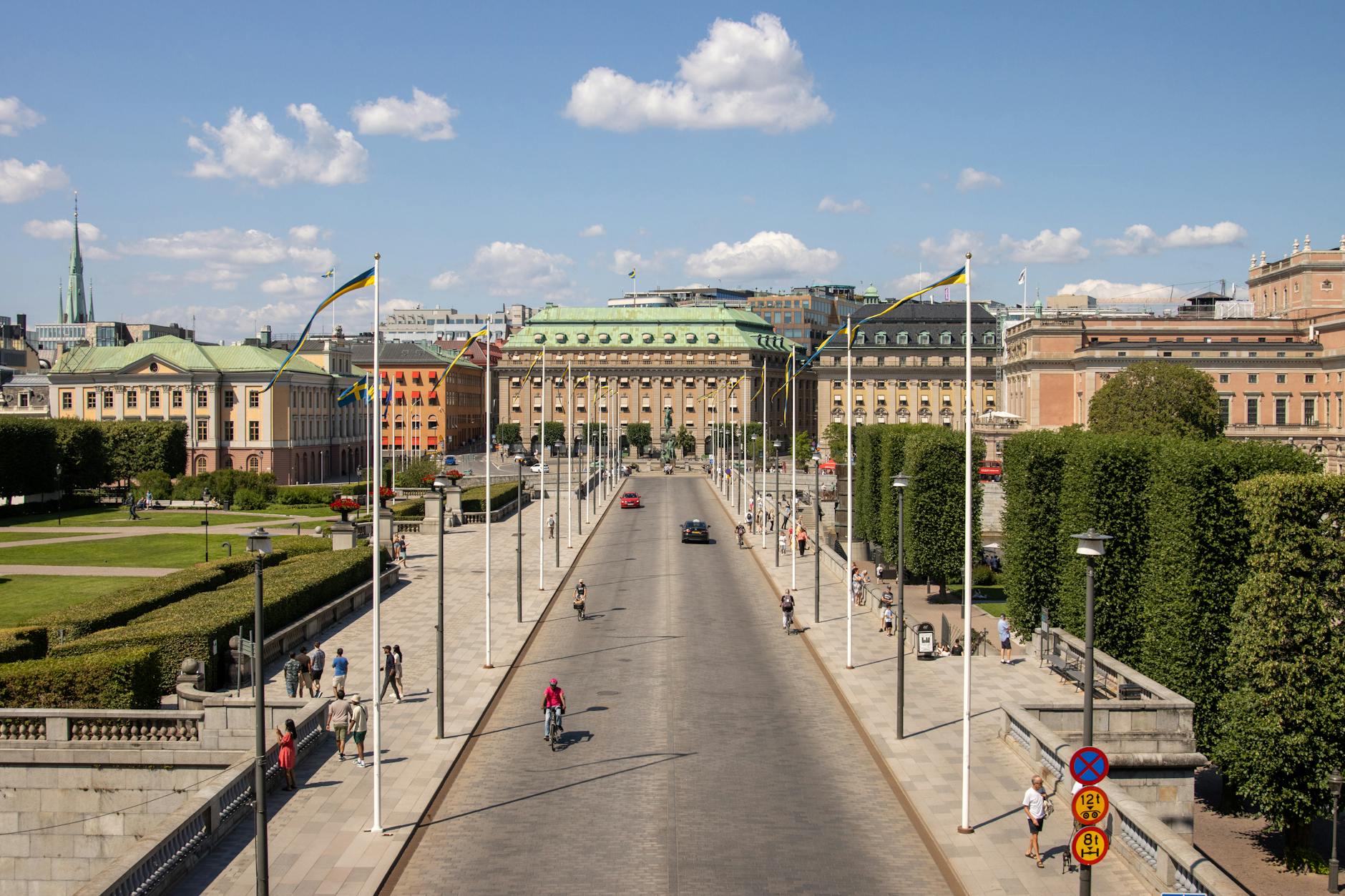
Vibe: Wide tree-lined streets, embassies, art galleries, designer boutiques, the city’s grandest food hall (Östermalms Saluhall), old money, an unhurried pace.
Price level: High. This is the priciest neighbourhood in central Stockholm.
Walking distance to: Östermalms Saluhall, Stureplan (upscale nightlife), Humlegården park, the Royal Library, Djurgårdsbron bridge and Djurgården park, the Vasa Museum, ABBA Museum, Skansen, Gröna Lund.
What it’s near: Everything green and cultural. Djurgården, the old royal hunting park, is a 15-minute walk from central Östermalm and holds five of the city’s ten most-visited museums.
Östermalm suits travellers past their first trip. It’s less central than Norrmalm but far more beautiful, and it has Djurgården — the big museum island — as its back garden. A morning run along Strandvägen, the grand waterfront boulevard, is one of the loveliest city experiences in Scandinavia. Evenings stay low-key: good wine bars, beautifully plated dinners, early nights.
Don’t book here if: you want vibrant street life at midnight, you’re on a budget, or you want to stumble straight into the Old Town. Östermalm is quieter and more spread out than Gamla Stan or Södermalm.
Hotels I’d consider:
- Luxury: Ett Hem, a 12-room townhouse hotel that keeps landing on world’s-best lists. Hotel Diplomat, a beautiful Art Nouveau waterfront building on Strandvägen. Or Lydmar Hotel — more Blasieholmen than Östermalm proper, but the same upscale ethos and a spectacular spot over the harbour.
- Mid-range: Villa Dagmar (design-forward boutique right by Östermalms Saluhall — strong value for the area) or Mornington Hotel Stockholm.
- Budget: Östermalm isn’t a natural budget choice. For the neighbourhood feel on a tighter budget, look at Hotel Esplanade on Strandvägen, or base yourself in neighbouring Vasastan.
Two deep-dives here: my Östermalm guide and the separate Djurgården guide for the museum island itself.
Vasastan: the quiet local north
Best for: Repeat visitors, long-stayers, anyone who wants a low-key residential base with excellent restaurants.
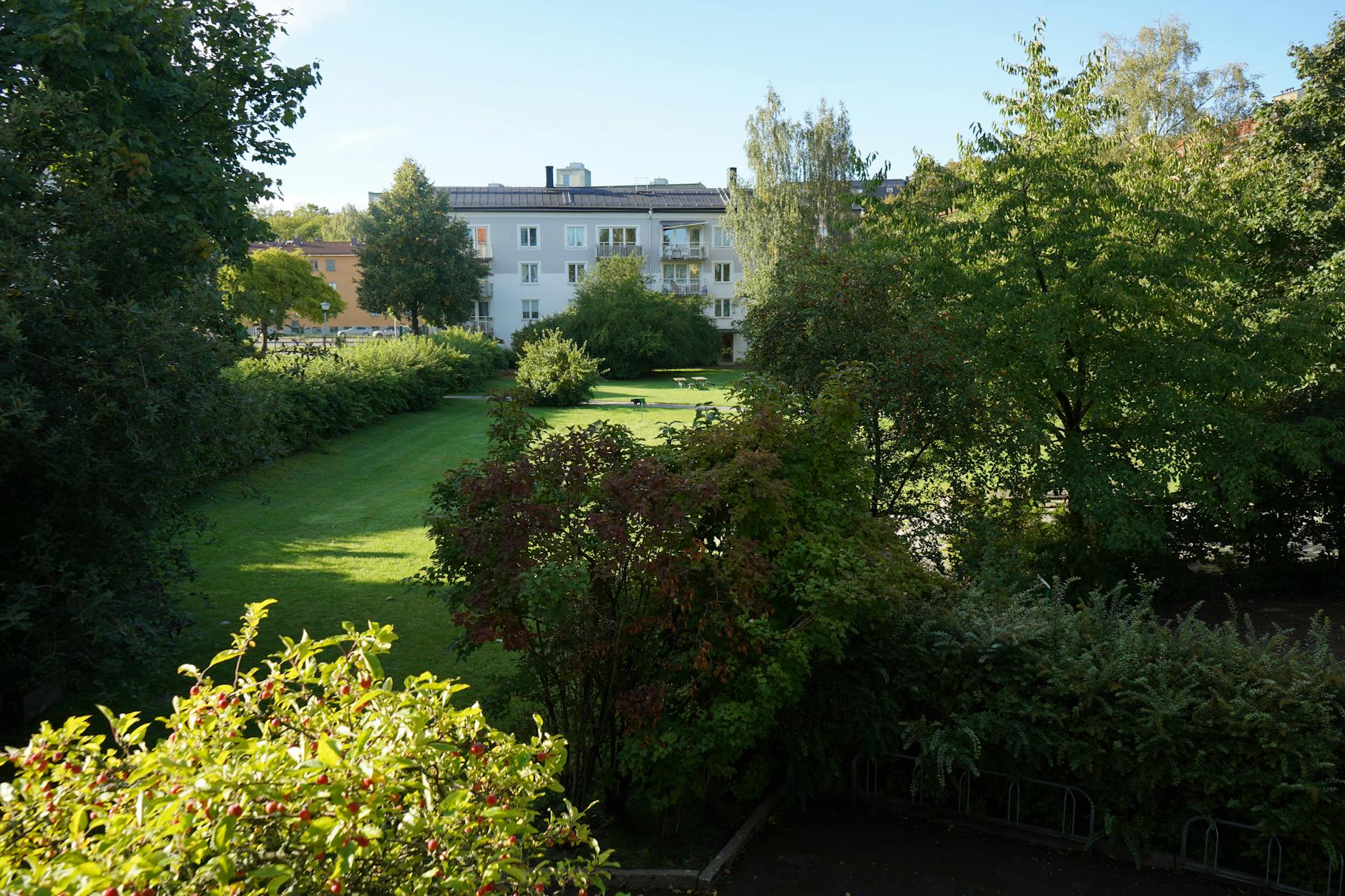
Vibe: Quiet, elegant residential streets, pre-schoolers on balance bikes, good bakeries, the city’s best independent bookshops, a genuine “locals live here” feel.
Price level: Mid. Prices step down noticeably from Östermalm just a few blocks east.
Walking distance to: Odenplan (a major metro hub), Vasaparken, Observatorielunden, St. Eriksplan, and a run of the city’s best neighbourhood restaurants. Norrmalm and Central Station are 10–15 min on foot or one metro stop.
What it’s near: All of central Stockholm by metro in under 10 minutes, plus some of the best dining blocks going — Rörstrandsgatan is a real contender for best restaurant street in Sweden.
Vasastan has the smallest tourism footprint of any neighbourhood here, which is precisely why some travellers love it. Rooms usually cost less than Östermalm or Norrmalm, the café culture is excellent, and you’re never more than 10 minutes from anything central. Staying four nights or more and want to feel like a temporary resident rather than a tourist? This is your neighbourhood.
Don’t book here if: you want to roll out of the hotel straight into the attractions. You’ll take the metro or walk 15 minutes for most things.
Hotels I’d consider:
- Boutique: Miss Clara by Nobis — on the edge of Vasastan, an elegant design hotel in a former school building.
- Mid-range: Elite Hotel Arcadia (reliable, quiet, fairly priced) or Hotel Tegnérlunden (a classic Stockholm hotel in a lovely park-side spot).
- Apartment-style: Vasastan has plenty of short-stay apartments — a smart pick if you’re settling in for a week or more.
More on it in my Vasastan Neighborhood Guide.
Kungsholmen: calm, watery, cheaper
Best for: Travellers on a mid-range budget, summer visitors who want to swim from the rocks at lunchtime, anyone after calm water views without the Östermalm price tag.
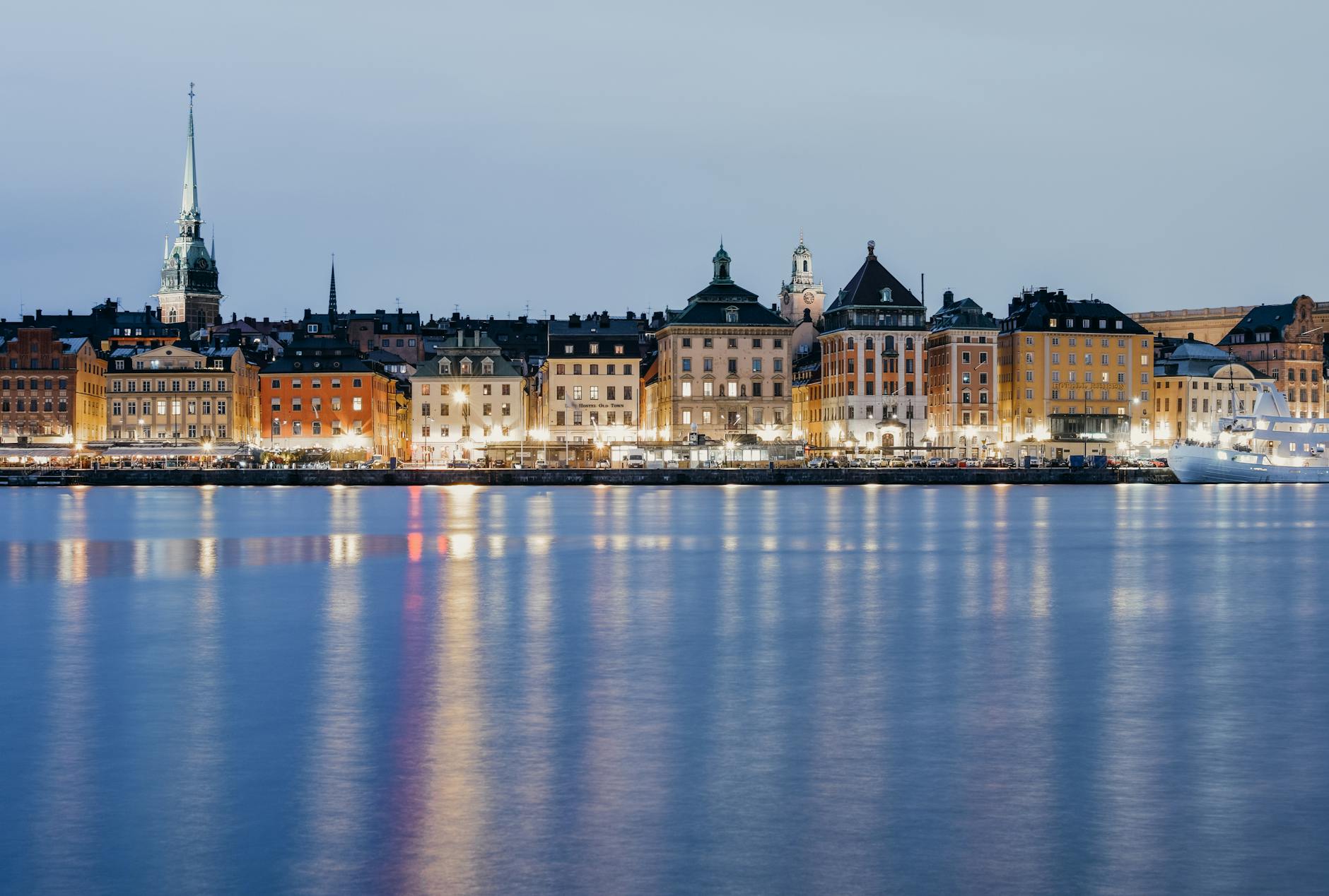
Vibe: Residential and relaxed, a lovely waterfront running path, strong mid-range restaurants, City Hall right at the edge.
Price level: Mid — often the best value per location in central Stockholm.
Walking distance to: Stadshuset (City Hall), Fridhemsplan metro, the Smedsuddsbadet swimming rocks, Rålambshovsparken. Norrmalm is 10–15 min across the bridge.
What it’s near: The waterfront path circling the island is one of Stockholm’s nicest easy walks, and City Hall — home of the Nobel Banquet Hall — sits at the eastern tip.
Kungsholmen is the quietly competent choice. It’s not glamorous, but it’s on the water, it feels calm and residential, and it keeps turning up mid-range hotels that would cost 30–40% more in Östermalm. Visiting in summer? The west end of the island around Smedsuddsbadet has one of the best in-city swimming spots in Stockholm.
Don’t book here if: you’re in town one night and want every minute near Gamla Stan or Djurgården. It’s close, but not instant.
Hotels I’d consider:
- Mid-range: Scandic Hasselbacken (actually on Djurgården, but a similar profile), Best Western Plus Time Hotel, Elite Hotel Marina Tower (a converted mill on the water, technically on Södermalm’s southern edge but the same value equation).
- Boutique: Hotell Esplanade — not in Kungsholmen, but similar quiet-street charm if you lean toward Östermalm.
- Budget: Rygerfjord Hotel & Hostel — a ship-hotel on the south shore that’s been on Stockholm budget-travel lists for 20-plus years.
Full detail lives in my Kungsholmen Neighborhood Guide.
Lesser-known areas worth a look
Beyond the six main neighbourhoods, a handful of other areas are worth knowing depending on your trip:
Blasieholmen and Skeppsholmen — two small islands sitting directly between Norrmalm and Gamla Stan. Blasieholmen is home to the Grand Hôtel, Lydmar, and the Nationalmuseum (the national art museum). Skeppsholmen holds the Moderna Museet, STF’s year-round hostel and the af Chapman tall ship, a hostel until 2022 and now a summer café; our guide to unusual places to stay in Stockholm covers the quirky stays that are still open. These are the most central addresses in the whole city; if you find a deal on Blasieholmen, take it.
Södra Djurgården (southern Djurgården) — staying here means sleeping inside a park. Hotels are few (Pop House, Hasselbacken), but your morning run goes past the Vasa and ABBA museums into proper woodland.
Hammarby Sjöstad — a newer waterfront development south of Södermalm with modern apartments, water buses into the centre, and lower prices. Handy for longer stays and families.
Arlanda Airport hotels — only worth it for a very early flight. The Arlanda Express reaches the city in 20 minutes, so one night by the airport is rarely the right trade.
Areas I’d skip as a base — Stockholm is safe overall, but districts like Rinkeby, Husby, and parts of Tensta (all in the western suburbs) are residential rather than tourist areas, with little reason to draw you out there. Basing yourself at the end of a long metro line also eats your time. Unless you’re chasing a real discount or attending a suburban conference, stay in one of the six central neighbourhoods above. My guide to the safest neighborhoods in Stockholm for tourists breaks down the safety picture in more detail.
Themed picks: where to stay based on how you travel
Best neighbourhood for first-time visitors
Winner: Gamla Stan. You’ve seen the pictures of Stockholm — Gamla Stan is those pictures. And you’re a short walk from Norrmalm for everything practical. If the Old Town is booked out or feels too pricey, grab the edge of Norrmalm nearest the bridge (around Kungsträdgården); you’ll still cross into the Old Town on foot in under five minutes.
Best neighbourhood for couples and romance
Winner: Östermalm. Tree-lined streets, waterfront walks, Michelin-adjacent dinners, quiet evenings. Gamla Stan is a close second if you’d take atmosphere over sophistication, and Södermalm a strong third for creative dinner spots and sunsets from Monteliusvägen.
Best neighbourhood for families
Winner: Djurgården / eastern Östermalm. You’re inside the park with the kids’ museums — Junibacken, ABBA Museum, Skansen zoo, Gröna Lund amusement park — all within a 10-minute walk. Södermalm is a strong second for a more residential, apartment-style base with playgrounds and easier dinners. Norrmalm is fine for short trips but light on family-specific draws.
Best neighbourhood for nightlife
Winner: Södermalm for a creative, slightly grungy, natural-wine-bar kind of night. Stureplan (at the southern edge of Östermalm) for clubs and high-end cocktails. Norrmalm for after-work beers and mid-tier bars. My breakdown of Stockholm neighborhoods for nightlife & going out names specific streets and venues.
Best neighbourhood for budget travellers
Winner: Södermalm and Vasastan. Both offer a good spread of mid-range hotels and hostels, are walkable to central Stockholm, and don’t punish a tighter budget. Hostel-hopping? Look at Långholmen Hotel (old prison, great value) or Generator Stockholm (central, design-led dorms).
Best neighbourhood for luxury
Winner: Östermalm and Blasieholmen. This is where the Grand Hôtel, Lydmar, Ett Hem, Bank Hotel, and Diplomat all sit. Östermalm wins for the neighbourhood feel around the hotel; Blasieholmen wins for the view.
Best neighbourhood for long stays (5+ nights)
Winner: Vasastan or Södermalm. Both reward settling in: neighbourhood bakeries, small restaurants you’ll return to, and metro access that stops feeling slow once you know the lines. Apartment rentals are common in both.
Best neighbourhood for solo travellers
Winner: Södermalm. Stockholm is one of the easiest cities in the world to travel solo — safe, English-speaking, plenty to do alone — and Södermalm has the highest density of single-table restaurants and easy café-to-bar transitions that make eating and drinking alone comfortable.

Stockholm hotels by price bracket
A practical snapshot of what you can expect to spend. The figures below are for a standard double in shoulder season (April–May or September–October); summer and December push them up 20–40%. Treat these as ballparks and confirm current rates when you book.
Budget: around SEK 1,200 / €105 / $115 a night
Expect hostels with private rooms, ship hotels, and a few no-frills chains. Names to know: Generator Stockholm, Rygerfjord, Långholmen Hotel, Castanea Old Town Hostel, Birka Hostel, STF Stockholm Skeppsholmen.
Mid-range: around SEK 1,500–3,000 / €130–260 / $145–290
Expect good 3- and 4-star hotels in excellent locations: Scandic Continental, Hotel Kung Carl, Hotel Anno 1647, Villa Dagmar, Mornington, Elite Hotel Arcadia, Hotel Tegnérlunden, Best Western Plus Time, Hotel Hornsgatan, and Hotel Rival (often in this bracket outside peak season).
Luxury: around SEK 3,500+ / €310+ / $350+
Expect iconic addresses, Michelin-adjacent restaurants on site, world-class service: Grand Hôtel Stockholm, Ett Hem, Bank Hotel, Lydmar, Hotel Diplomat, Nobis Hotel, Victory Hotel.
Ultra-luxury: around SEK 7,000+ / €620+ / $700+
Suite-level bookings at the properties above, or the top rooms at Ett Hem. Stockholm has a smaller ultra-luxury market than Paris or London, but what exists is exceptional.
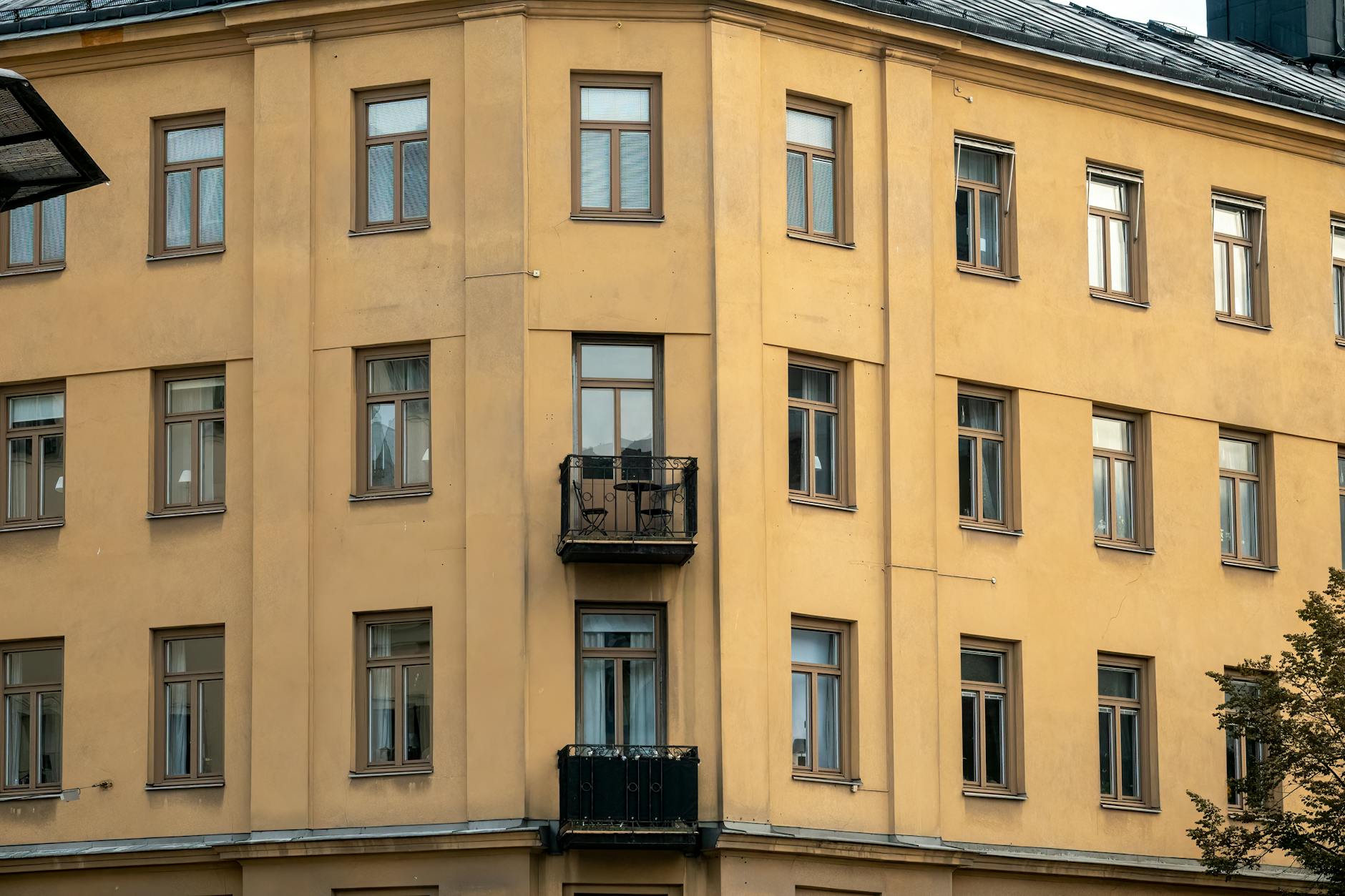
Apartments vs. hotels in Stockholm
Apartment rentals (Airbnb and the like) are legal and common in Stockholm, and they make real sense for stays of four nights or more, families, or small groups. Reckon on roughly 15–25% less than an equivalent hotel room per person. The trade-off is service: you’ll usually self-check-in with a code, there’s no daily housekeeping, and if something breaks you’ll be WhatsApping the host.
The sweet spots are Södermalm, Vasastan, and Kungsholmen — residential enough that the apartments feel genuinely residential, central enough that you’re not signing up for 45-minute metro slogs. Gamla Stan has rentals too, but the buildings are old (no lifts, small rooms, steep stairs) and you can end up paying hotel prices for less service.
For stays under three nights, hotels almost always win on value once you factor in cleaning fees and check-in logistics. For a full week, apartments are often the better call.
Getting around from each neighbourhood
Stockholm’s public transport (SL) is excellent: one card (SL Access) covers the metro, buses, trams, commuter trains, and most ferries. You’ll lean on the metro (T-bana) most, and its three lines — red, green, blue — reach every neighbourhood in this guide. A realistic snapshot of commute times:
- Gamla Stan → Central Station: 3 min metro, or 12 min walk.
- Norrmalm → Djurgården (Vasa Museum): 12 min on tram 7, or 25 min walk.
- Södermalm (Medborgarplatsen) → Central Station: 5 min metro.
- Östermalm (Stureplan) → Central Station: 10 min walk, or 4 min metro from Östermalmstorg.
- Vasastan (Odenplan) → Central Station: 3 min metro.
- Kungsholmen (Fridhemsplan) → Central Station: 3 min metro.
Walking works for most central distances too. Gamla Stan to the Vasa Museum is a 20-minute stroll across two bridges and one of the nicest urban walks you’ll do here. A 48- or 72-hour SL travel card is almost always worth it — my Stockholm public transport guide has the specifics.
Safety and practical notes
Central Stockholm is one of the safer European capitals, day or night. Pickpocketing turns up at the usual tourist crush points (Gamla Stan’s main alley, around Central Station, on packed buses), but violent crime against visitors is very rare. The one neighbourhood-level thing to know: some outer suburbs carry a harder reputation than the central areas, but you’ve essentially no reason to base yourself there. Stick to the six central neighbourhoods above and your stay stays simple and safe.
A few practical tips that apply across the board:
- Most hotels include breakfast. It’s usually a serious Scandinavian buffet — herring, hard bread, cheeses, boiled eggs, yogurt, fruit — and easily worth around 150–250 SEK a head, so check whether it’s bundled with your rate before booking it separately.
- Rooms are small by North American standards. That holds across the price range. Triple and family rooms sell out early; don’t leave them late.
- Cash is essentially gone. Everywhere — including cafés in Gamla Stan — takes contactless cards and Apple/Google Pay. You won’t need SEK for the trip.
- Smoking in rooms is banned, and the cleaning fees for breaking that rule are aggressive.
- Air conditioning is less universal than in southern Europe. In July and August, check before you book if heat gets to you.
When to book
Demand swings sharply by season:
- June, early July, and mid-December are the peaks. Book 3–4 months out for the best rates and availability, especially at the small boutiques (Ett Hem, Hotel Rival, Miss Clara).
- September and late May are my favourite windows: mild weather, long daylight, and rates noticeably below peak summer. Six to eight weeks ahead is usually fine.
- January–March (outside the sportlov school holidays) is genuinely cheap and often throws up excellent deals on four- and five-star properties. Daylight is short, but the city is beautiful under snow.
My best time to visit Stockholm guide has the full seasonal breakdown, and the Stockholm hotels guide covers individual property reviews and booking tips.
A quick decision tree
Still torn? Run through this:
- First-time visitor, 2–3 nights, want atmosphere? → Gamla Stan.
- Short business-style trip, need transit convenience? → Norrmalm.
- Repeat visitor, want the “real” Stockholm? → Södermalm.
- Luxury or honeymoon? → Östermalm or Blasieholmen.
- Family with young kids? → Djurgården or eastern Östermalm.
- On a budget but unwilling to sacrifice location? → Södermalm or Kungsholmen.
- Staying a full week or longer? → Vasastan apartment.
All six central neighbourhoods are walkable to each other or one metro stop apart. You won’t “get it wrong” — you’ll just get a slightly different trip.
Frequently asked questions about where to stay in Stockholm
Which neighbourhood is best for a first-time visitor to Stockholm?
Gamla Stan for atmosphere, Norrmalm for convenience. Both put you within a 15-minute walk of all of Stockholm’s most-visited attractions. If you want the postcard feeling and don’t mind cobblestones, pick Gamla Stan. If you’re arriving tired at Central Station and want to drop bags fast, pick Norrmalm.
Is it better to stay in Gamla Stan or Södermalm?
Gamla Stan is more central and more iconic; Södermalm is more local and more interesting if you’ve been to Stockholm before. On a first trip, when you want to feel like you’re really in Stockholm, go Gamla Stan. If you’ve already done the tourist list and want the city that locals actually live in, Södermalm wins.
What’s the safest neighbourhood in Stockholm to stay in?
All six central neighbourhoods in this guide (Gamla Stan, Norrmalm, Södermalm, Östermalm, Vasastan, Kungsholmen) are safe for visitors day and night. Östermalm and Vasastan are the quietest after dark; Gamla Stan and Norrmalm are the busiest.
Which Stockholm neighbourhood is cheapest?
Södermalm and Kungsholmen consistently offer the best value among the central neighbourhoods, with Vasastan close behind. Avoid the outer suburbs for cost reasons alone — you’ll lose more in metro time and dining convenience than you save on the room.
Is Östermalm worth the price?
If you’re on a luxury trip, or you want tree-lined streets, refined dining, and the Djurgården museums at your doorstep, yes. If you’re on a 3-day sightseeing trip and want to maximise attraction-hours per krona, no — you’ll see the same things faster from Gamla Stan or Norrmalm.
Can I stay outside central Stockholm and save money?
Yes, but the maths usually doesn’t work out. Central hotels run roughly 20–30% above suburban equivalents, but a suburban stay costs you 30–60 minutes a day in commuting, and the city is small enough that you’ll want to walk to most things. Unless you’re getting a genuinely large discount (say 40% or more) or you’re in town for a suburban event, stay central.
Is Stockholm walkable?
Extremely. Central Stockholm is one of the most walkable capitals in Europe. From any of the six neighbourhoods in this guide, you can walk to any other in 30 minutes or less, and most distances are 10–15 minutes. The metro is an excellent backup, but you’ll need it less than you’d expect.
Are there family-friendly hotels in Stockholm?
Yes — most 4-star hotels have family rooms or connecting rooms. The best family-centric location is Djurgården or eastern Östermalm (near Djurgårdsbron bridge), where you can walk to the ABBA Museum, Skansen, Gröna Lund, Junibacken, and the Vasa Museum. Scandic Hasselbacken is a strong family pick on Djurgården itself. See my Stockholm with kids guide.
Do Stockholm hotels have air conditioning?
Most newer 4- and 5-star hotels do. Many older boutique properties and historical buildings (parts of Gamla Stan, older Vasastan blocks) don’t. Stockholm summers are generally cool, but July heat waves happen — if you’re heat-sensitive, check first. Look for “air-conditioning” explicitly listed on the hotel’s site or Booking.com, not just “climate control” (which sometimes means heating only).
Is breakfast usually included at Stockholm hotels?
Often, but not always — the split is roughly 50/50, and the rate difference is usually around 150–300 SEK per person. Scandinavian breakfasts are serious (herring, hard bread, cheese, smoked fish, warm dishes, fruit, coffee) and usually worth including, especially at mid-range properties. Check the rate details before you book.
Final thoughts
There’s no single “best neighbourhood” in Stockholm — there’s a best neighbourhood for you. Decide what kind of trip you’re after (postcard, practical, creative, upscale, residential, waterside), pick the matching area from the six above, then filter my hotel suggestions by price and style. You can’t really go wrong in any of them; they’re all central, safe, and well connected. The whole point is to wake up somewhere that fits the trip you’re actually here for.
For the next layer of detail, see my complete Stockholm hotels guide, the wider Stockholm travel guide, and my list of the best things to do in Stockholm once you’ve settled on a base.


