Östermalm Guide: Stockholm’s Upscale Neighborhood (2026)
Östermalm guide — Stockholm's upscale neighborhood with Stureplan nightlife, Strandvägen mansions, Östermalm Saluhall, and proximity to Djurgården.
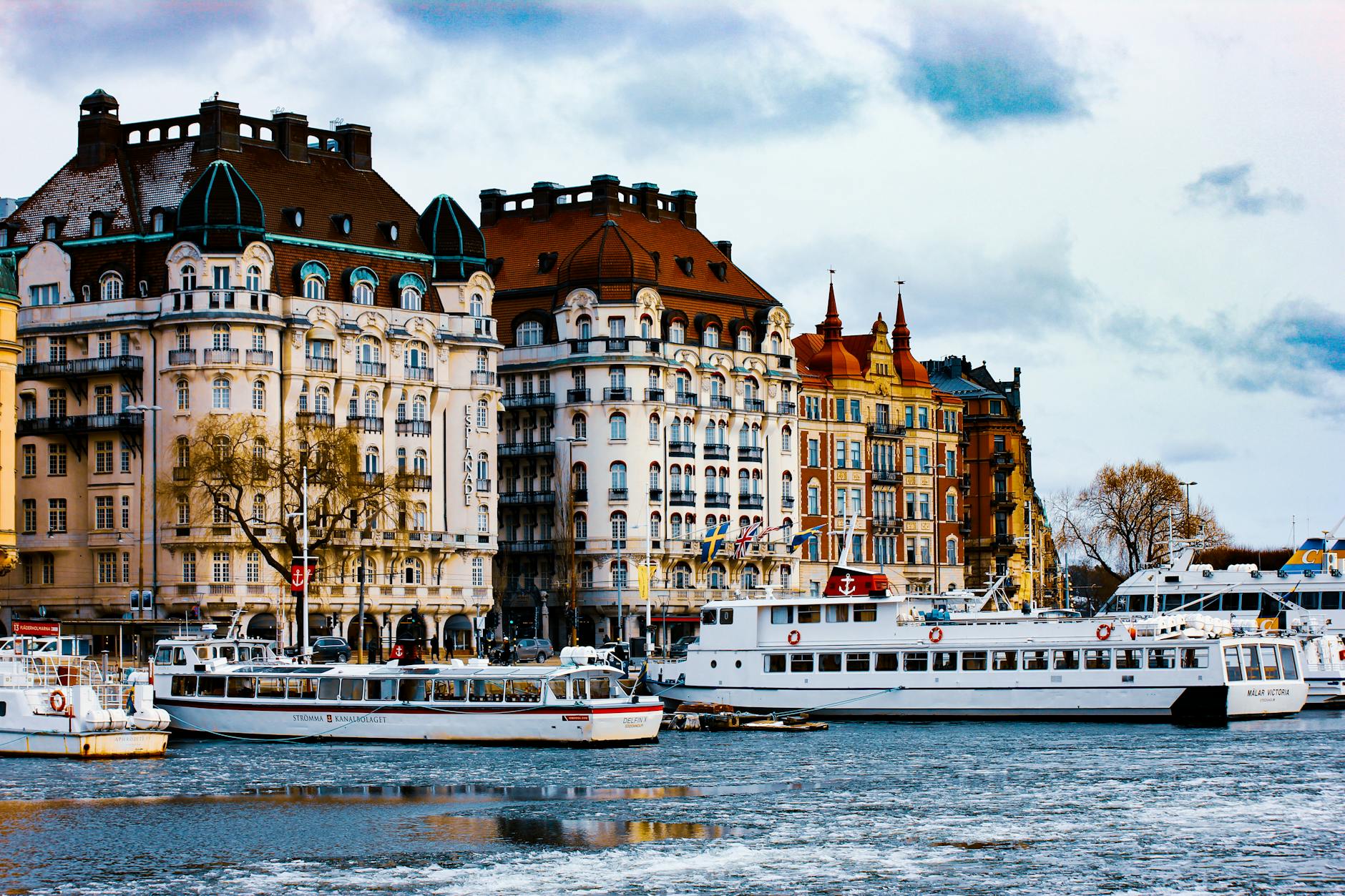
If Söder is where Stockholm goes out and Gamla Stan is where it poses for photos, Östermalm is where it keeps its money. This is the polished east side: grand 19th-century mansions along the harbour, the city’s priciest shopping on Biblioteksgatan, the glossy Stureplan nightlife square, the wonderful Östermalm Saluhall food market, and a five-minute walk over the bridge to Djurgården’s museums. This Östermalm guide is the honest local version — the streets worth walking, the saluhall stalls worth your time, where the nightlife works and where it doesn’t, the dress codes, and where to stay without overpaying.
It lacks Söder’s grit and Gamla Stan’s medieval romance, and it’s the most expensive corner of the city — but for comfort, safety and museum access it’s hard to beat. For how it stacks up against the other districts, this pairs with our Where to Stay in Stockholm guide. Prices below are rough SEK figures for 2026; confirm current ones as you go.
Östermalm guide: getting your bearings
Östermalm sits just east of Norrmalm, hemmed by water to the south (Strandvägen and Nybroviken), the green expanse of Djurgården to the east across the Djurgårdsbron bridge, and Vasastan to the north. A few sub-areas are worth knowing:
- Stureplan — the upscale hub, where the “Svampen” concrete mushroom shelter is the classic meet-up point and the flagship clubs and the Sturegallerian arcade cluster.
- Strandvägen — the grand harbour boulevard, mansions on one side and water and Djurgården views on the other. Walking it at golden hour is a proper Stockholm essential.
- Östermalmstorg and the Saluhall — the square that anchors the food market and Hedvig Eleonora Church.
- Karlavägen and Karlaplan — leafier residential streets with more everyday restaurants and the Humlegården park nearby.
Best things to do in Östermalm
Östermalm Saluhall
Start here. The restored 1880s indoor market is the single best food experience in the neighbourhood, with 30-plus vendors selling cured fish, reindeer charcuterie, Swedish cheeses and prepared dishes, plus lunch counters where you perch at communal tables. Reckon on roughly 250–400 SEK for a proper meal. Lisa Elmqvist’s seafood counter is the name people know; it’s open Monday to Saturday. Don’t visit Östermalm without stepping inside — even for just a smörgås and a coffee.
The Strandvägen sunset walk
The best free thing to do here. Follow the 1.5 km boulevard from Nybroviken to Djurgårdsbron past the mansions and the yacht harbour, with views over the water to Djurgården. In summer the Strandbryggan floating bar opens along the way. Time it for golden hour — around 21:00–22:00 at midsummer — and it’s the most photogenic stroll in the city.
Hallwylska Museet
A quietly astonishing free museum: the 1898 mansion of Count and Countess von Hallwyl, preserved exactly as they left it. The countess catalogued the household obsessively — tens of thousands of items numbered and indexed — so it feels less like a museum than a house someone stepped out of. Find it at Hamngatan 4.
More worth your time
The Royal Library (Kungliga Biblioteket) in Humlegården park has free public reading rooms; the surrounding park bursts into cherry blossom in late April. Sturebadet, an 1885 bath complex at Stureplan, offers an upmarket spa day for around 350 SEK. And the 17th-century Hedvig Eleonora Church on Östermalmstorg is free to enter and worth a look for its elegant interior.
Where to eat in Östermalm
Östermalm covers the full range, from century-old brasseries to some of Sweden’s most decorated kitchens.
Sturehof (Stureplan) is the old-school Swedish brasserie to book — going since 1887, with an atmospheric oyster bar and a kitchen that runs late. Riche on Birger Jarlsgatan is the other Stureplan classic for cocktails and dinner. For something casual and local, Posh & Loud on Karlavägen is a reliable lunch-and-dinner spot away from the crowds.
On the fine-dining front, be a little careful with what you read elsewhere, because the Michelin ratings shift each year. As of the 2026 Guide: Aira, out towards Djurgården, holds two stars with a seasonal Nordic tasting menu (from roughly 2,400 SEK); Ekstedt, on Humlegårdsgatan, holds one star and cooks entirely over open fire, no electricity in the kitchen; and the historic Operakällaren, technically just over the line in Norrmalm inside the Royal Opera House, also holds one star but closes at the end of December 2026 for a multi-year renovation. Frantzén, the city’s only three-star, sits nearby in Norrmalm rather than here. Always check current stars before you build an evening around them.
Shopping in Östermalm
This is Stockholm’s luxury retail heart, and it’s genuinely good even if you’re only window-shopping. The Acne Studios flagship anchors Norrmalmstorg, and Biblioteksgatan runs a line of Swedish names — Filippa K for minimalist staples, Tiger of Sweden for tailoring, J.Lindeberg for its sportswear-meets-suiting look. For design lovers, two stops are unmissable: Svenskt Tenn at Strandvägen 5, the 1924 design house famous for Josef Frank’s textiles, and Modernity on Sibyllegatan, a world-renowned dealer in Scandinavian mid-century furniture. The Sturegallerian arcade and the grand NK department store on Hamngatan round out a full shopping day.
Östermalm nightlife and Stureplan
Stureplan is the city’s flagship upmarket nightlife zone, and it comes with rules. The big rooms are Sturecompagniet (three floors, house to hip-hop), the 21-and-over Hell’s Kitchen (cover around 200 SEK), and the legacy celebrity haunt Spy Bar. For something grander, Berns Salonger by Berzelii Park is an 1860s hall doubling as concert venue and club. One thing to get right: the dress code is smart-casual and enforced — leather shoes, no trainers, no shorts, no caps. Turn up in sneakers and you’ll be turned away, which catches a lot of visitors out.
Where to stay in Östermalm
The address to covet is Strandvägen, home to the harbourside Hotel Diplomat (from around 3,500 SEK, with the excellent Bank Bar) and the neighbouring Strand Hotel. For boutique character, the Bank Hotel occupies a converted 1910 bank with a cocktail bar in the old vault, and Ett Hem — a small luxury townhouse where every room is individually designed — is, to my mind, the most romantic stay in the whole city. For mid-range, skip Strandvägen and look instead at the Mornington on Nybrogatan or Hotel Birger Jarl; booking a budget rate on the grand boulevard rarely ends well. Because Östermalm is also one of the calmest, safest parts of town, it’s a favourite with couples and solo travellers alike — see our roundup of the safest neighborhoods in Stockholm for tourists for context.
Getting around: transit and walkability
Östermalm is flat, wide and made for walking — comfortable shoes are all you need, and Strandvägen is the walk everyone remembers. On the metro, the red line serves Östermalmstorg, Stadion, Karlaplan and Tekniska Högskolan; buses 1, 2, 4, 6 and 7 cover the main streets. It’s a five-minute walk to Norrmalm via Hamngatan, and five minutes across Djurgårdsbron to the museum island — which makes it a natural base if Djurgården’s sights (the Vasa Museum, Skansen, the ABBA Museum) are the anchor of your trip, as our Djurgården guide lays out.
Östermalm through the seasons
Summer (June–August) is the neighbourhood at its best: Strandvägen at sunset, terrace tables at Stureplan, the Strandbryggan floating bar. Autumn brings the best value and golden trees in Humlegården as the crowds thin. Winter turns everything indoors — saluhall lunches, the Sturebadet spa, candlelit dinners and Christmas window displays. Spring peaks with the late-April cherry blossom in Humlegården and the Walpurgis Night bonfires on 30 April. If you want the district lively, come in warmer months; the outdoor venues largely shut in deep winter, and Stureplan can feel a little flat then.
A half-day Östermalm walk
Here’s the loop I’d send a first-timer on. Start mid-morning at Norrmalmstorg and stroll up Biblioteksgatan, browsing the flagships, to Stureplan (about 15 minutes). Cut through the Sturegallerian arcade to Östermalmstorg and the Saluhall for lunch at one of the counters. From there, walk down to the water and follow Strandvägen east towards Djurgårdsbron, ideally as the light softens. If you’ve energy left, cross the bridge onto Djurgården; if not, a drink at the Bank Bar or Strandbryggan is a fine finish. It’s an easy, mostly flat few hours that shows off the best of the area.
Common Östermalm mistakes
- Turning up to Stureplan clubs underdressed. Smart-casual is the minimum and it’s enforced — no trainers, no shorts.
- Skipping the Saluhall. For time-strapped visitors it’s the single best food stop in the district; make time for it.
- Booking Strandvägen on a budget. It’s a luxury strip. For mid-range value, look at Mornington or Birger Jarl instead.
- Expecting buzz in deep winter. The terraces close and Stureplan quietens; come in summer if atmosphere is the point.
- Missing Strandvägen at sunset. It’s the most photogenic free walk in Stockholm — don’t leave without it.
Östermalm holds the serious end of Sweden’s design retail: Svenskt Tenn on Strandvägen, Nordiska Galleriet on Nybrogatan, Asplund on Sibyllegatan and a run of mid-century dealers within a few doors of each other. The Swedish design stores guide walks the district in order and explains what is worth an hour even if you buy nothing.
Frequently asked questions
What is Östermalm?
Östermalm is Stockholm’s upscale eastern neighbourhood, defined by grand 19th-century mansions, the city’s most expensive shopping on Biblioteksgatan, the Stureplan nightlife square, the Östermalm Saluhall food market, and an easy walk to the Djurgården museum island. It’s polished and calm rather than gritty, and the priciest part of the city.
Is Östermalm a good area to stay in Stockholm?
Yes. It’s one of Stockholm’s safest, most walkable and most upscale districts, within walking distance of both central Stockholm and the Djurgården museums. It suits travellers who value comfort and quiet over nightlife energy. Hotels range from the mid-range Mornington up to Hotel Diplomat (from around 3,500 SEK), the Bank Hotel and the luxury Ett Hem.
What are the best things to do in Östermalm?
The Östermalm Saluhall food market, the Strandvägen sunset walk, and the free, beautifully preserved Hallwylska Museet are the top three. Add the Sturebadet spa, the Royal Library in Humlegården park, Hedvig Eleonora Church, and — in summer — a drink at the Strandbryggan floating bar for a full day in the neighbourhood.
Where should I eat in Östermalm?
For casual-upscale, book Sturehof (an 1887 brasserie with a great oyster bar) or Riche. The Saluhall lunch counters are perfect for variety and value. For fine dining, Aira (two stars) and Ekstedt (one star, cooked over fire) are the standouts, with historic Operakällaren just next door in Norrmalm until it closes at the end of December 2026 for a multi-year renovation. Check current Michelin ratings before booking.
Is Östermalm safe?
Very. It’s among the safest neighbourhoods in Stockholm, with little petty crime, and solo travellers generally find it comfortable even late at night. As anywhere, keep normal city awareness around the busy Stureplan nightlife on weekend nights, but this is not an area where safety should be a concern.
How do I get to Östermalm?
Take the metro’s red line to Östermalmstorg, Stadion, Karlaplan or Tekniska Högskolan, or simply walk — it’s about five minutes from Norrmalm via Hamngatan, and five minutes to Djurgården across the Djurgårdsbron bridge. Buses 1, 2, 4, 6 and 7 also cover the main streets if you’d rather ride.
Is Östermalm expensive?
Yes — it’s Stockholm’s most expensive neighbourhood. Hotels typically start around 2,500 SEK a night and climb well beyond that for luxury, restaurant mains often run 350–800 SEK, and Stureplan clubs charge cover of around 200 SEK. That said, the Saluhall lunches and the free Strandvägen walk keep a visit affordable if you’re selective.
What is Stureplan?
Stureplan is Stockholm’s flagship upmarket nightlife square, marked by the “Svampen” concrete mushroom shelter that locals use as a meeting point. Its best-known venues include Sturecompagniet, Hell’s Kitchen, Spy Bar and Berns Salonger. A smart-casual dress code is enforced at the clubs, so leave the trainers and shorts at the hotel.
What’s the best Östermalm walk?
Strandvägen at sunset, without question — the 1.5 km harbour boulevard from Nybroviken to Djurgårdsbron, lined with mansions and yachts and looking across to Djurgården. It’s free, flat and easy, and it’s at its most magical on a summer evening around 21:00–22:00 when the light turns golden over the water.
Is the Östermalm Saluhall worth visiting?
Absolutely. The restored 1880s market is one of Stockholm’s most-loved food experiences, with 30-plus vendors selling cured fish, reindeer charcuterie, cheeses and prepared dishes, plus lunch counters for eating in. It’s open Monday to Saturday, and a meal runs roughly 250–400 SEK. Even a quick coffee and pastry inside is worth the detour.
Final thoughts
Östermalm won’t give you the edgy, local-Stockholm feeling of Söder, and that’s the point — it trades grit for polish, calm and convenience. Come for the Saluhall, walk Strandvägen at golden hour, dress properly if you’re heading to Stureplan, and pick your hotel tier honestly. Do that and it’s one of the most comfortable, genuinely elegant places to base yourself in the city. Just keep an eye on those Michelin ratings and current prices, both of which move year to year.


