Södermalm Guide: Stockholm’s Hipster Neighborhood (2026)
Södermalm guide — Stockholm's hipster neighborhood with SoFo vintage shops, Hornstull music venues, free clifftop viewpoints, and locals' restaurants.
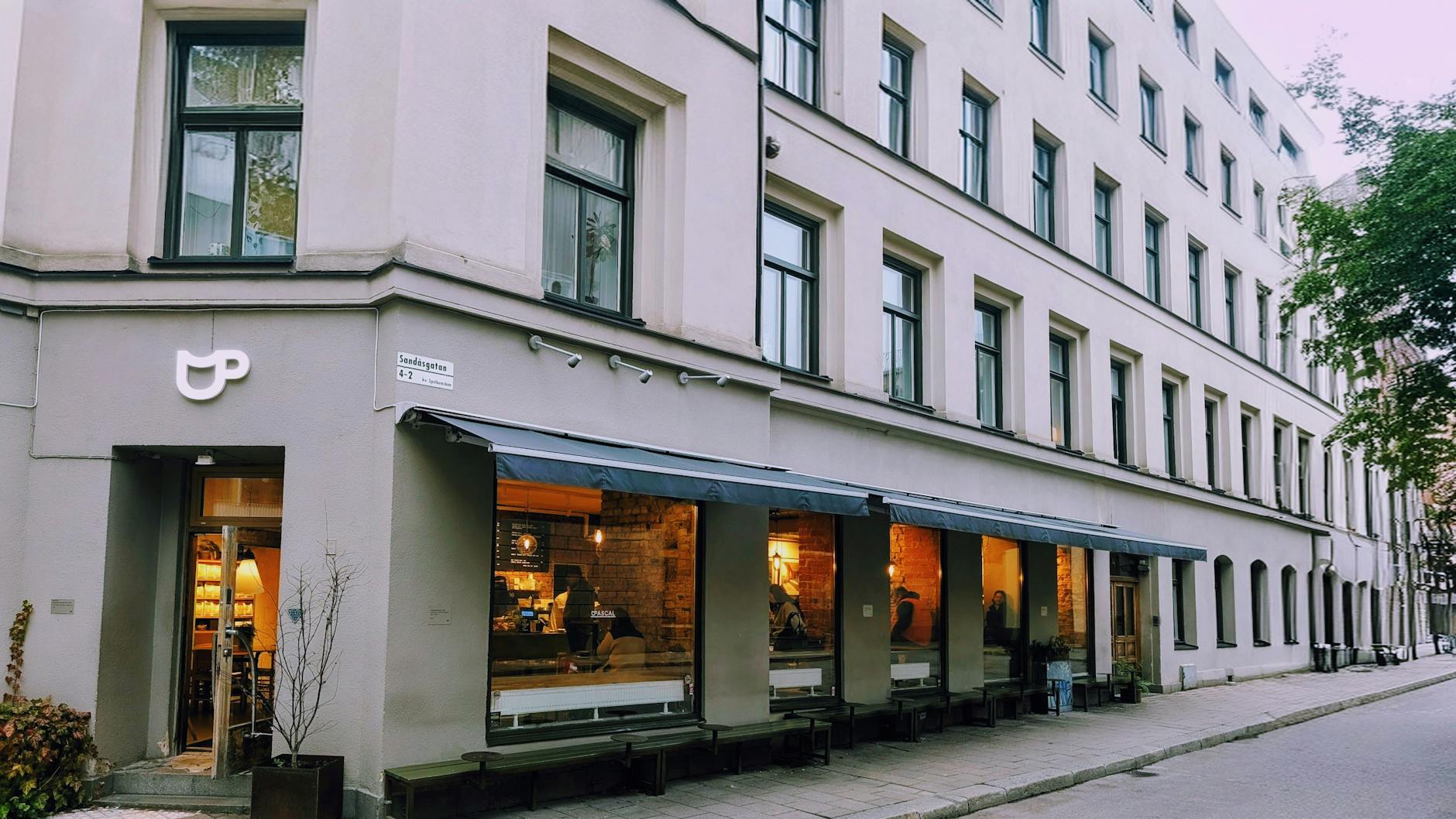
Ask ten Stockholmers where they’d actually live and a good half will say Söder. Södermalm — Söder for short — is the big southern island across the water from the Old Town, and it’s the city at its most creative and lived-in: vintage racks and natural-wine bars, clifftop viewpoints you reach for free, allotment gardens, swimming spots, and a music scene that outlasts the summer.
This Södermalm guide is written for the way locals actually use the island rather than the tired SoFo-versus-Hornstull split most blogs stop at. Expect the specific streets worth walking, the cafés that anchor each pocket, the free clifftops with the best light, where to eat well without overpaying, and the practical shortcuts — transit, hills, timing — that make a sprawling neighbourhood easy to navigate. It’s part of our wider where to stay in Stockholm guide, so if you’re weighing Söder against other districts, start there.
One thing to set expectations: Söder is bigger, hillier, and more layered than first-timers assume — an island district of about 5.7 square kilometres, topping out at Skinnarviksberget, 53 metres above sea level. That’s a feature, not a problem, once you know how the pieces fit.
Södermalm guide: getting your bearings on Söder
Söder is a single large island, linked to the rest of central Stockholm by Slussen to the north and the Skanstull and Hammarby bridges to the south. It breaks down into a handful of distinct pockets:
- Mariatorget (central-north): the walkable heart, leafy and central, ringed by 19th-century apartment blocks. Mid-range to upscale.
- SoFo (south of Folkungagatan): the creative core — Skånegatan, Bondegatan, southern Götgatan, and Nytorget. Restaurants, vintage shops, indie boutiques.
- Hornstull (western tip): the music-and-cheap-drinks end, by the water, with a summer flea market and beach access.
- Slussen / Mosebacke (northeast): the bridge to Gamla Stan, plus the historic Mosebacke terrace and the Katarinahissen lift.
- Skanstull (south): industrial-modern, with clubs and the Trädgården summer venue, connecting to Hammarby Sjöstad.
- Tantolunden (south-central): parkland, allotment gardens, and a beach — quiet and residential.
Best things to do in Södermalm
Monteliusvägen viewpoint
If I could send you to one spot on Söder, it’s this. Monteliusvägen is a short (roughly 500m) clifftop path with an uninterrupted view across Gamla Stan, Riddarholmen, and the City Hall. There are benches along it; bring a blanket and a thermos and come for the long summer sunset. Reach it from Bastugatan, near Mariatorget, and walk toward the cliff edge.
Skinnarviksberget
Söder’s highest natural point, a rocky bluff 53 metres above sea level with a near-360-degree panorama taking in the City Hall, Riddarfjärden, and the rooftops. It’s a magnet for locals at sunset — expect picnic blankets and cans of beer on a warm evening. Free, and the scramble up the rocks is part of the fun.
Mosebacke terrace
An open-air bar terrace with the whole central skyline laid out across the water. Most tourists never find it, which is exactly why locals love it. It shuts for the winter and reopens in spring once the weather allows; drinks run around 95–165 SEK.
Mariatorget & Katarinahissen
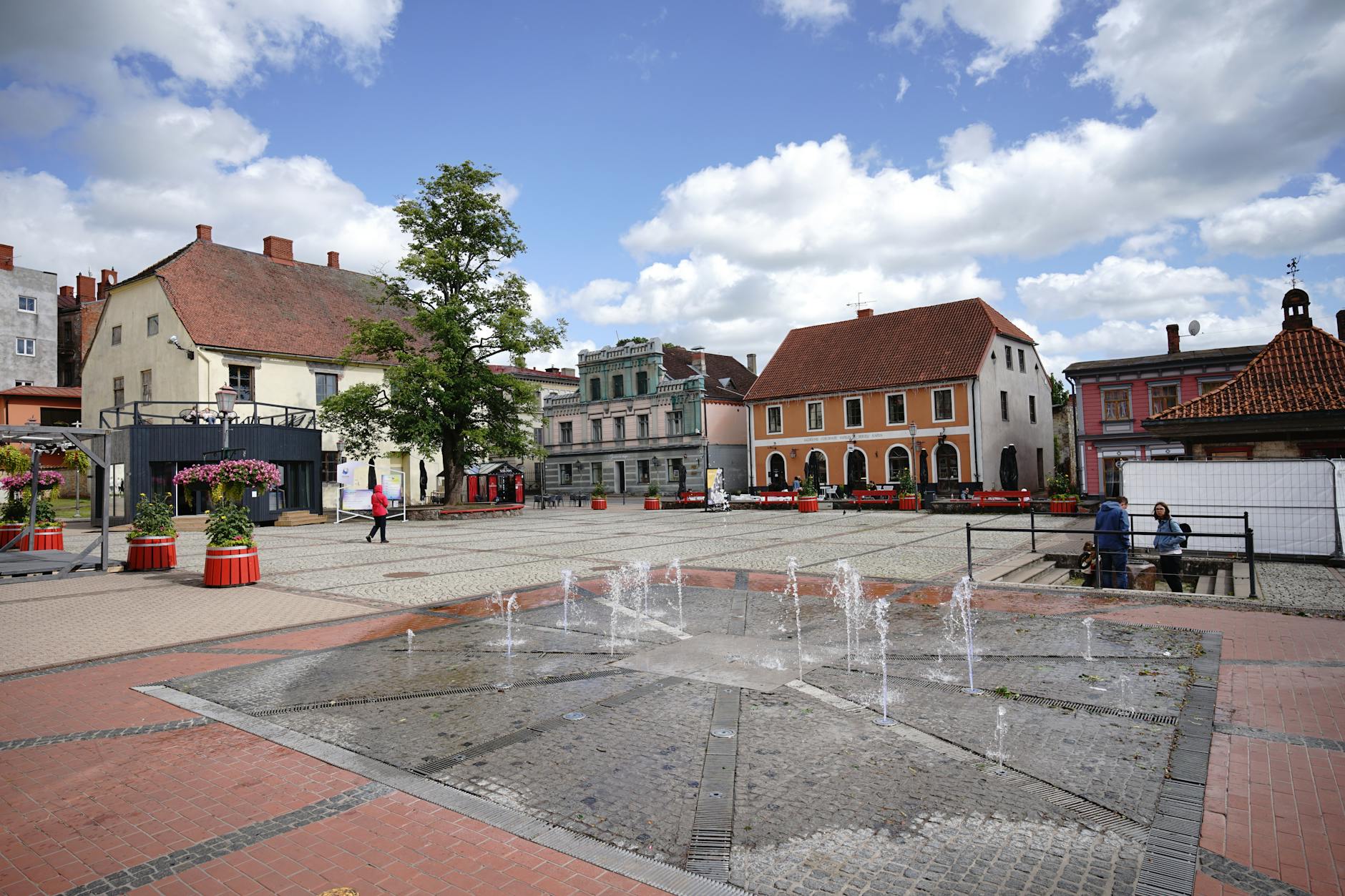
Mariatorget is Söder’s most relaxed central square — a fountain, benches, and the SoFo streets fanning out to the south; locals treat it as an outdoor living room. Nearby, the historic Katarinahissen lift (reopened in 2023 after a long closure) offers a more central panorama. Confirm current hours and any charge before you go.
Långholmen island
A little green island off Söder’s western edge, wrapped in walking paths, with Långholmsbadet — one of the city’s most popular free swimming beaches — on its shore. The old Långholmen prison (closed in 1975) is now a hotel and hostel, and its prison museum charges SEK 50 for adults and SEK 25 for children, with free entry for overnight guests. A lovely, low-key half-day in summer.
Tantolunden park & allotment gardens
More than 100 tiny painted cottages, each with its own pocket garden, rented by Stockholmers and tended obsessively through the short growing season. Wandering the paths between them on a summer Saturday is one of Söder’s quietest pleasures, and there’s a beach and outdoor concert space alongside.
Hornstulls Marknad flea market
On summer weekends (roughly May–September), Hornstulls Strand fills with dozens of stalls selling vintage clothing, vinyl, and antiques, plus food trucks and live music. Free to browse, and easily the most fun free Söder afternoon going.
Fotografiska & the City Museum
Fotografiska, the photography museum on Söder’s north shore, runs consistently strong rotating shows and has a top-floor restaurant with harbour views (adult admission 195 SEK). A few minutes away near Slussen, the free Stockholm City Museum tells the city’s story from its medieval beginnings — a good rainy-hour stop.
Eriksdalsbadet swimming
Eriksdalsbadet is the city’s big public swimming complex, with indoor pools, an adventure-bathing area for kids, and outdoor pools for summer. A reliable family option, especially on a grey day.
Where to eat and drink on Söder
Söder is the city’s strongest district for characterful, fairly priced eating and drinking. A few reliables (prices approximate — confirm on the day):
- Tradition (Östgötagatan): modern Swedish husmanskost done well; book ahead. Mains roughly 250–450 SEK.
- Pelikan (Blekingegatan): a grand beer hall for handmade meatballs, serving in its art nouveau room for more than a century.
- Bar Brutal (Skånegatan): natural wine and seasonal small plates, buzzy and fun.
- Kvarnen (Tjärhovsgatan): old-school beer hall and Hammarby supporters’ haunt, cheap and characterful.
- Akkurat (Hornsgatan): one of the city’s best beer lists, with hundreds of bottles and dozens of taps.
- Tjoget (Hornsbruksgatan): a much-lauded cocktail bar; reserve for the back room.
- Marie Laveau (Hornsgatan): dive-bar cocktails up top, a club downstairs into the small hours.
- Sundbergs Konditori: reputedly Stockholm’s oldest café (1785), lovely for an atmospheric fika.
- Drop Coffee (Wollmar Yxkullsgatan): the city’s most respected micro-roaster for a serious cup.
For a proper deep dive on the meatball question, our guide to the best restaurants in Stockholm ranges across the whole city and pairs well with a Söder food crawl.
Shopping: vintage, denim and vinyl
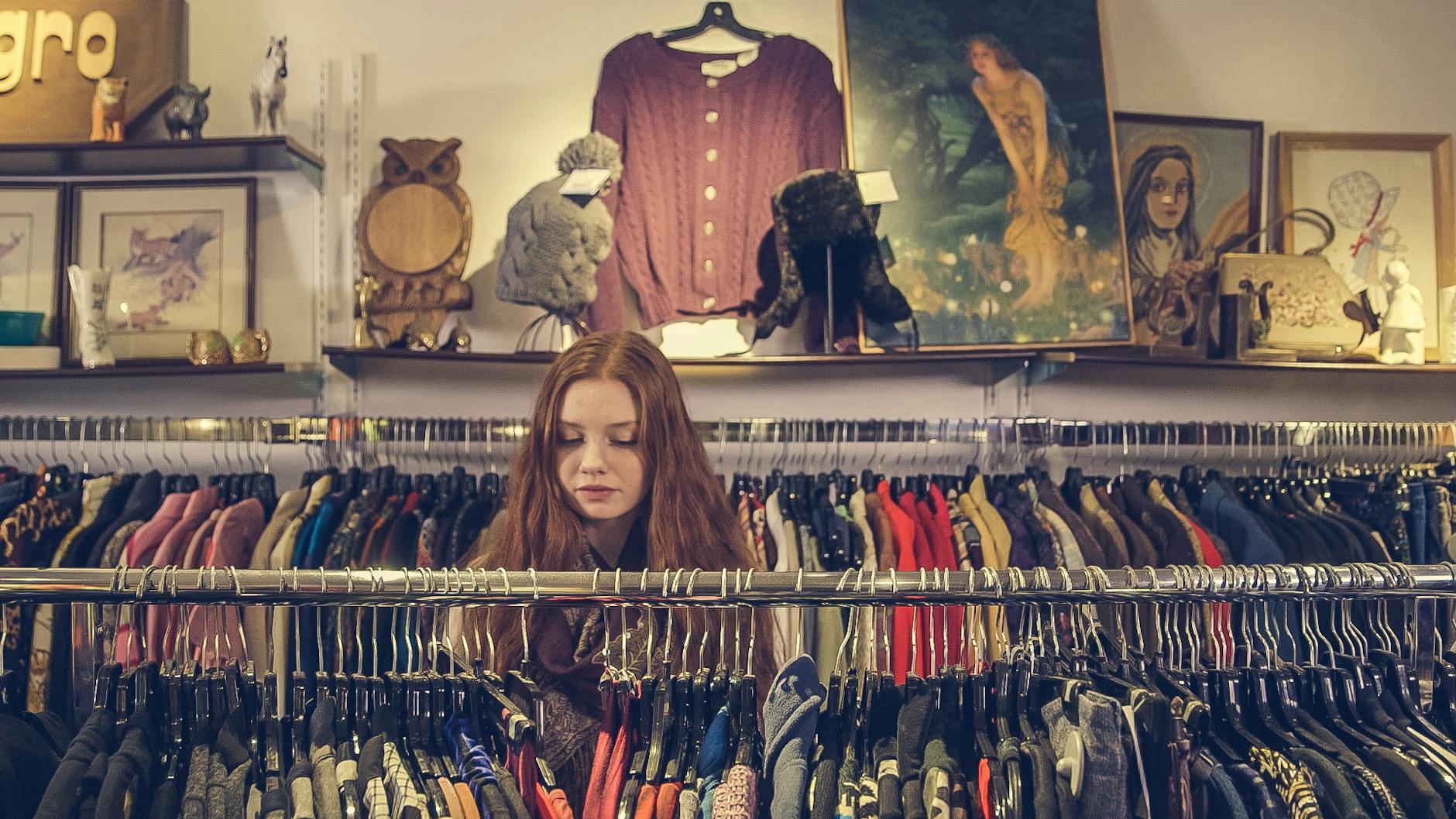
Söder has the best independent and second-hand retail in Stockholm. Highlights:
- Beyond Retro (Götgatan): two big floors of curated vintage clothing.
- Grandpa (Götgatan): Swedish indie fashion and homeware.
- Lisa Larsson Second Hand (Bondegatan): designer and luxury consignment.
- Nudie Jeans (Skånegatan): the raw-denim flagship, with a free repair shop.
- Pet Sounds Records (Skånegatan): a record shop with a second-hand section.
- Stadsmission charity shops: surprisingly good vintage finds for a fraction of the price.
Söder’s pockets in detail
Mariatorget
The walkable centre and the easiest base for a first Söder stay: Slussen, Gamla Stan and Hornstull are all within walking distance. Good for mid-range hotels and general strolling.
SoFo
The creative pocket south of Folkungagatan and the best area for aimless wandering: Skånegatan, Bondegatan, and Nytorgsgatan link vintage shops, indie boutiques, and casual restaurants. Best on a Saturday afternoon.
Hornstull
The western tip, for live music (Debaser Strand), cocktails (Tjoget, Marie Laveau), the weekend flea market, and quick access to Långholmen for a swim. Quiet midweek, lively at weekends.
Slussen / Mosebacke
The gateway to Gamla Stan, with the Mosebacke terrace, the Katarinahissen lift, and the City Museum. Touristy right by the bridge, calmer up on the Mosebacke side. From here it’s a short hop over the water to the Old Town — our Gamla Stan guide covers what to do once you cross.
Skanstull
The southern end, industrial-modern in feel, home to the Trädgården outdoor club in summer and the bridge to Hammarby Sjöstad.
Tantolunden / Reimersholme
The quiet, green, residential corner — allotment gardens, a beach, and summer concerts. Best for slow walks and picnics.
Where to stay on Söder
Söder hotels trade the polish of Norrmalm and Östermalm for genuine neighbourhood character:
- Hotel Rival (Mariatorget): a design hotel co-owned by ABBA’s Benny Andersson, with its own bar and cinema. From around 2,500 SEK.
- Stockholm Stadshotell (Björngårdsgatan 23): a small, polished, upmarket hotel with 32 rooms and suites in a building completed in 1875 and restored in 2025, with a bistro, cocktail bar and courtyard.
- Långholmen Hotell: the converted prison on Långholmen island — a genuinely unusual stay, roughly 1,000–2,500 SEK depending on the room.
- Hotel Frantz (Mariagränd, by Slussen): the former Hotel Anno 1647, in a brick house built in 1647 between Peter Myndes backe and Mariagränd.
For a fuller picture of neighbourhoods and the elegant streets just across town, our Östermalm guide makes a useful counterpoint to Söder’s scruffier charm.
Getting around Söder
Metro: Slussen (red and green lines), Mariatorget, Medborgarplatsen, Skanstull, Hornstull, and Zinkensdamm all serve the island. Buses still run through Slussen, but its bus terminal waiting hall closed to passengers in March 2026 and the rebuilding runs until 2029, so check sl.se for where your bus stops.
Buses: the 53, 55, 57, and 66 cover the main streets.
On foot: Söder is hilly, with steep cliffs above the harbour, so wear comfortable shoes. Mariatorget up to Skinnarviksberget is a climb; the Söder Mälarstrand waterfront path is flat and scenic.
By bike or ferry: the waterfront cycle paths are mostly level, and the SL ferry from Slussen slips across to Djurgården (free with a travel pass). If the island greenery appeals, our Djurgården guide covers that leafy neighbour in full.
Söder through the seasons
Summer (June–August)
Peak Söder: long daylight, terraces everywhere, swimming at Långholmsbadet and Tantolunden, the Trädgården club, and the Hornstull weekend market.
Autumn (September–October)
My favourite value season — golden streets, thinner crowds, and the flea market still running into September.
Winter (November–February)
The island turns indoors: cocktail bars, live music at Debaser Strand, cosy restaurants, and free outdoor ice skating at Mariatorget. Some boutiques keep shorter hours, so check ahead.
Spring (April–May)
The cliff paths are easier going once winter ends, when parts of Monteliusvägen can be slippery. Walpurgis Night on 30 April is Sweden’s bonfire night; check Visit Stockholm’s Walpurgis page for where this year’s fires are lit.
Söder for families
Söder is easy with kids. Tantolunden pairs allotment gardens and a beach with playgrounds; Eriksdalsbadet has indoor pools and slides; Långholmsbadet offers shallow, free summer swimming; and the streets are calmer and more stroller-friendly than Gamla Stan’s cobbles. For the wider family picture, see our guide to Stockholm with kids.
Common Söder mistakes
- Underestimating the size. Slussen to Hornstull is a long walk end to end — plan the metro into your day.
- Skipping Mosebacke. That 1846 terrace is one of the city’s classic outdoor drinks, and most visitors miss it.
- Trying to do all of Söder in a day. Split it: Mariatorget and SoFo one half-day, Hornstull and Tantolunden another.
- Booking Hornstull without checking the commute. The red line takes under 11 minutes from Hornstull to T-Centralen, platform to platform, but the walk to the station adds to that; a Mariatorget or Slussen base puts more of Söder on foot.
- Missing the cliffs. Monteliusvägen and Skinnarviksberget are free and world-class — don’t leave without them.
Söder walking routes
Half-day loop (about 3 hours)
Slussen → Mosebacke → Mariatorget → SoFo backstreets (Skånegatan, Bondegatan) → coffee at Drop Coffee → Skinnarviksberget → Monteliusvägen for sunset → back to Slussen.
Full day (about 6 hours)
Slussen → Stockholm City Museum → coffee at Mosebacke → Mariatorget → SoFo browsing → lunch at Tradition or Pelikan → Långholmsbadet beach (summer) → walk to Hornstull → the weekend market (in season) → dinner in Hornstull.
Evening crawl
18:00 craft beer at Akkurat → 20:00 dinner at Bar Brutal → 21:30 cocktail at Tjoget → 23:00 Marie Laveau or a gig at Debaser Strand.
Frequently asked questions
What is Södermalm?
Södermalm, or Söder, is Stockholm’s large southern island and its most creative, locals-favourite district, sitting just across Slussen from Gamla Stan. It’s made up of distinct pockets — SoFo south of Folkungagatan, Hornstull at the western tip, central Mariatorget, and the Slussen/Mosebacke gateway — each with its own character.
Is Södermalm a good area to stay in Stockholm?
Yes, especially if you want neighbourhood feel over city-centre polish. It suits second-time visitors and anyone drawn to independent cafés, vintage shops, and clifftop walks. Good bases include Hotel Rival and Stockholm Stadshotell around Mariatorget, Scandic Malmen on Götgatan by Medborgarplatsen, or the unusual converted prison at Långholmen Hotell.
What are the best things to do in Södermalm?
The clifftop viewpoints at Monteliusvägen and Skinnarviksberget, drinks on the Mosebacke terrace, the SoFo vintage-shopping streets, the Hornstulls Marknad weekend flea market, swimming and walks on Långholmen, the Tantolunden allotment gardens, and the Fotografiska photography museum. Most of the best of Söder is free.
Is Södermalm safe?
Yes — Söder is among Stockholm’s safer, more relaxed neighbourhoods. As anywhere, keep an eye on your belongings in busy tourist spots, but rates of trouble are low and solo travellers generally find it comfortable, including late at night.
Is Södermalm walkable?
Very, though it’s hilly — Skinnarviksberget, the high point, stands 53 metres above sea level. Slussen to Hornstull is a fair distance on foot, so comfortable shoes help. The waterfront paths along Söder Mälarstrand are flat if you’d rather avoid the climbs.
What’s the difference between SoFo and Hornstull?
SoFo is the central creative pocket south of Folkungagatan — restaurants, vintage shops, and indie boutiques for daytime browsing. Hornstull, at the western tip, leans toward nightlife: music venues, riverside cocktail bars, and the summer flea market. Both are firmly part of Söder and easy to combine over a weekend.
Södermalm is also where Stockholm shops second hand. Hornsgatan’s raised pavement between Slussen and Zinkensdamm carries the densest run of vintage boutiques, charity shops and repair studios in the city, now branded the Slow Fashion District. Our guide to the best vintage and second-hand shops in Stockholm names the ones worth the stop, and says honestly which are priced for bargains and which for convenience.
For a fuller comparison of places to stay on the island, from Hotel Rival and Stockholm Stadshotell by Mariatorget to the 17th-century Hotel Frantz at Slussen, Nofo by SoFo and Scandic Malmen on Götgatan, see our guide to hotels in Södermalm.


