Stockholm with Kids: Complete Family Travel Guide (2026)
Plan a Stockholm family trip - kid-friendly attractions, restaurants, hotels, transport tips, and a 3-day family itinerary.
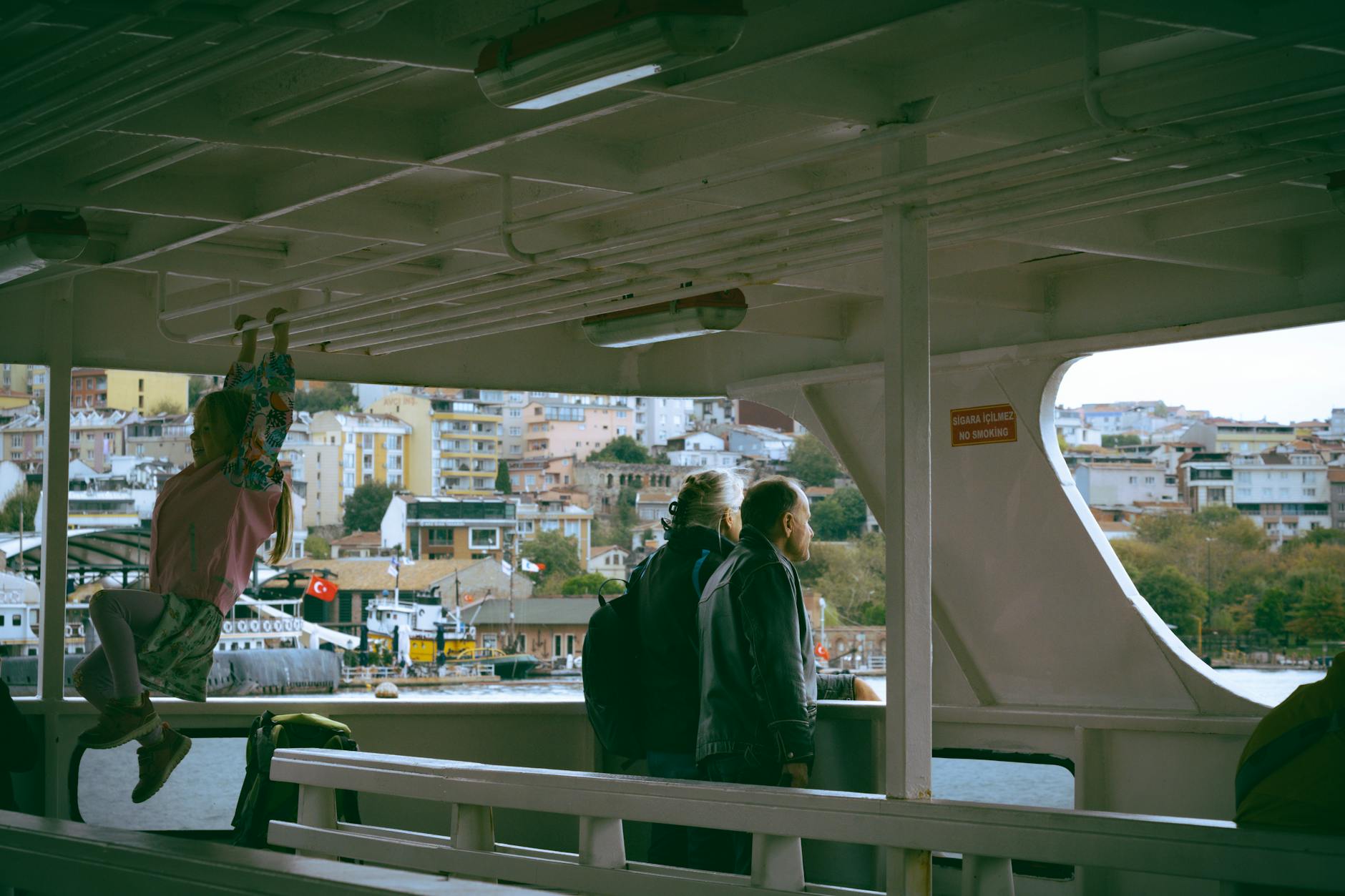
The moment that sold me on Stockholm as a family city was watching my six-year-old declare a 25 SEK commuter ferry “the best ride ever” — before we’d even reached a single museum. This is a place where the getting-around is half the fun, where restaurants hand over crayons and a high chair without being asked, and where there’s a playground on nearly every corner for the inevitable afternoon meltdown.
Is Stockholm good for kids? Genuinely, yes — Stockholm with kids is one of Europe’s easiest trips you can take with children. Under-7s ride transit free, prams roll everywhere thanks to lifts and step-free trams, and a single island (Djurgården) stacks up a science-packed open-air museum, a native-animal zoo, a fairy-tale attraction and a top amusement park. It’s a relaxing family destination, not merely a tolerant one.
This guide to Stockholm with kids is written for families with everyone from babies to teens. It covers the attractions that actually land at each age (and the ones to skip), where to base yourself, eating out with little ones, transport hacks, seasonal packing, and a tested three-day itinerary. The golden rule: plan short sightseeing bursts, long outdoor breaks, and a schedule flexible enough to pivot when the weather turns.
Why Stockholm works so well for families
Sweden built its public spaces around children. That sounds like marketing copy, but it shows up in concrete ways: every metro station and most museums have stroller-accessible elevators, public bathrooms have changing tables (men’s rooms too — the assumption is that dads change diapers), and kids under 7 ride public transport free when accompanied by a paying adult. Most museums offer free or heavily discounted entry for kids under 18.
The city also packs an unusual amount of variety into a small area. Djurgården — a single island reachable by tram, ferry, or a 30-minute walk from the center — contains the Vasa Museum, ABBA Museum, Skansen open-air zoo, Junibacken (an Astrid Lindgren story-world experience), Gröna Lund amusement park, and a beach. Many families end up spending two of their three days entirely on this one island.
Outside Djurgården, parks and playgrounds are everywhere. Stockholm has more than 600 public playgrounds, and most central neighborhoods have one within a 5-minute walk. The city’s Parklek system runs free, supervised play locations in summer with toys, climbing structures, and often kid-sized cafés. Translation: when your kid melts down at 3pm, there is reliably a playground nearby to reset.
Best age ranges and what works for each
Babies and toddlers (0–3)
Stockholm is exceptionally easy with babies, and we go deeper on it in our dedicated guide to Stockholm with a baby. Cafés are stroller-friendly, tap water is excellent, and pharmacy chains (Apotek) stock European-standard formula and baby food. The metro’s elevators and step-free trams mean you can leave the stroller out and use it everywhere. Highlights at this age: Skansen (small farm animals to pet, lots of room to roam), the Royal Djurgården paths and beaches, and the Östermalm Saluhall food hall where you can graze and let kids watch food being prepared. Skip the museums that require quiet attention — Vasa, Nationalmuseum, Moderna Museet — unless you’re babywearing a sleeper.
Preschool (4–6)
This is the magic age for Stockholm. Kids can walk most of the day, are mesmerized by ferries and trams, and the children’s museums are pitched directly at this age. Don’t miss Junibacken (Astrid Lindgren’s stories rendered as a literal walk-through fairy-tale island, with a story train), Skansen‘s petting zoos and traditional craft demonstrations, and the Tom Tits Experiment hands-on science museum (it’s in Södertälje, 30 minutes by train, but worth a half day for this age). The Vasa Museum works at this age too — kids are awed by the sheer scale of the 17th-century warship.
School age (7–12)
School-age kids hit Stockholm’s sweet spot. They can handle full-day itineraries, the Vikings/pirates/explorers angle of the Vasa makes the museum gripping, and they’re old enough for Gröna Lund‘s bigger rides (most thrill rides have a 130–140 cm height requirement). The ABBA Museum is surprisingly kid-friendly — it’s an interactive music experience where kids sing on stage, dress up in glittery 70s outfits, and remix their own tracks. Outside the museums, this is the age that loves a boat day trip to Fjäderholmarna (closest archipelago island, 30 minutes from Strandvägen on Strömma’s boat) — a half-day adventure with rocks to climb and a small ice cream café.
Tweens and teens (13+)
Teens find Stockholm cooler than parents expect — our Stockholm with teenagers guide has more ideas for this age. Fotografiska (photography museum on Södermalm) appeals to Instagram-aware teens, the ABBA Museum works ironically, and Gröna Lund‘s thrill rides — including Insane (a beyond-vertical inverting roller coaster) — get genuine teenage approval. Södermalm‘s vintage shopping streets, especially around Hornstull and SoFo, are walkable and full of kawaii, vinyl, and streetwear stores. Stockholm’s parkour and skateboarding scene is concentrated at Rålambshovsparken on Kungsholmen — a riverside park with a major skatepark and outdoor gym.
Top family attractions ranked
Here are the attractions I’d build a trip around, roughly in order of how reliably they delight — and for a longer menu, see our list of the 25 best things to do in Stockholm with kids.
1. Skansen Open-Air Museum
Skansen is Stockholm’s single best family attraction. Founded in 1891, it’s the world’s oldest open-air museum — 75 acres of historic Swedish buildings reassembled from across the country, plus a small zoo with native Nordic animals (brown bears, wolves, lynx, moose, reindeer, wolverines). Kids can pet farm animals, watch traditional craftspeople — glassblowers, blacksmiths, bakers — at work, ride a 1900s carousel, and run free across hilltop paths with views over Stockholm harbor. Allow 4–6 hours minimum.
Ticket: 325 SEK adult (the price varies by season and is lowest online), and children 0–15 go free with a free child ticket booked alongside the adult one. Open 365 days but busiest in summer and during the December Christmas market. The on-site restaurants are average — pack a picnic from the Östermalm Saluhall or grab takeaway near the Djurgården bridge.
2. Gröna Lund Amusement Park
Stockholm’s amusement park, on Djurgården directly across from Skansen, has 30+ rides including 7 roller coasters. It’s compact (rides are stacked vertically into a small footprint) but well-curated — the wooden Twister coaster is a classic, the standing Insane coaster pulls 5G, and there’s a full kiddie zone for 4–8-year-olds. Open from mid-April to late September, and also for Halloween in autumn and for Barnens Jul on selected days between 21 November and 30 December 2026.
Tickets: 195 SEK entry only, 525 SEK with ride wristband. Visit on a weekday afternoon for shortest queues. Concerts run on the main stage many summer evenings — included with your park ticket.
3. Vasa Museum
The Vasa is a 17th-century warship that sank on its maiden voyage in 1628, sat preserved in cold Baltic mud for 333 years, and was raised intact in 1961. It’s the only mostly-intact 17th-century ship in the world, and the museum built around it is staggering — the ship is 5 stories tall and you walk around it on multiple levels. Kids 5+ are mesmerized by the scale. The 20-minute film is excellent and runs in English several times a day. Allow 1.5–2 hours. Entry: 195 SEK adult January–April and October–December, 240 SEK May–September, free under 18.
4. Junibacken
Junibacken is a literary theme attraction dedicated to Astrid Lindgren — author of Pippi Longstocking, the Swedish children’s classic. The signature attraction is the Story Train, a small ride that takes you through scenes from Lindgren’s books. There’s also a working children’s bookstore, a play area replicating Pippi’s house (Villa Villekulla), and a restaurant. Best for kids 3–8; older kids may find it small. Entry: day tickets from 140 SEK, varying by date; children under two go free but need their own ticket. About 2 hours total.
5. ABBA Museum
Even kids who’ve never heard ABBA come out singing “Mamma Mia.” The museum is interactive — record yourself singing, perform with holograms, dress up, mix your own track. Tickets are timed-entry and book up summer afternoons; reserve 2–3 days ahead. Entry: 295 SEK adult, 129–169 SEK child (7–15) depending on the time period, under 7 free. Allow 1.5–2 hours.
6. Tom Tits Experiment (in Södertälje)
A hands-on science museum 30 minutes south of central Stockholm by commuter train (covered by an SL day pass + zone supplement, or just buy a SJ ticket for ~50 SEK each way). Tom Tits packs four floors plus a large outdoor area with 600+ interactive experiments — bubble walls, optical illusions, kinetic sculptures, a high-rope course, and a climbable planetarium. Excellent rainy-day choice — see our full Tom Tits Experiment guide. Entry: 220 SEK adult, 140 SEK child (3–15). Plan a half day minimum.
7. Stockholm Public Library / Kulturhuset Stadsteatern
Free indoor refuge on cold or rainy days. Stockholm Public Library (Stadsbiblioteket) on Sveavägen, Gunnar Asplund’s 1928 building with its cylindrical reading room, is closed for renovation and plans to reopen in early 2028; until then a small replacement library, Stadsbiblioteket Spelbomskan, is at Odengatan 59. Kulturhuset Stadsteatern at Sergels Torg has dedicated kids’ areas (Rum för Barn and TioTretton, the latter exclusively for ages 10–13), free to enter, with books, art supplies, and play spaces.
Best neighborhoods for families to stay
Djurgården-adjacent (Östermalm or Strandvägen)
The strongest base for a kid-focused trip. You’re a 10–20-minute walk from Skansen, Vasa, ABBA, Junibacken, and Gröna Lund. Hotel Diplomat and Strand Hotel sit directly on Strandvägen with harbor views. Mid-range: Mornington Hotel on Nybrogatan. Budget: Hotel Hellsten in Vasastan is a 15-minute metro ride.
Norrmalm (Central Station / T-Centralen area)
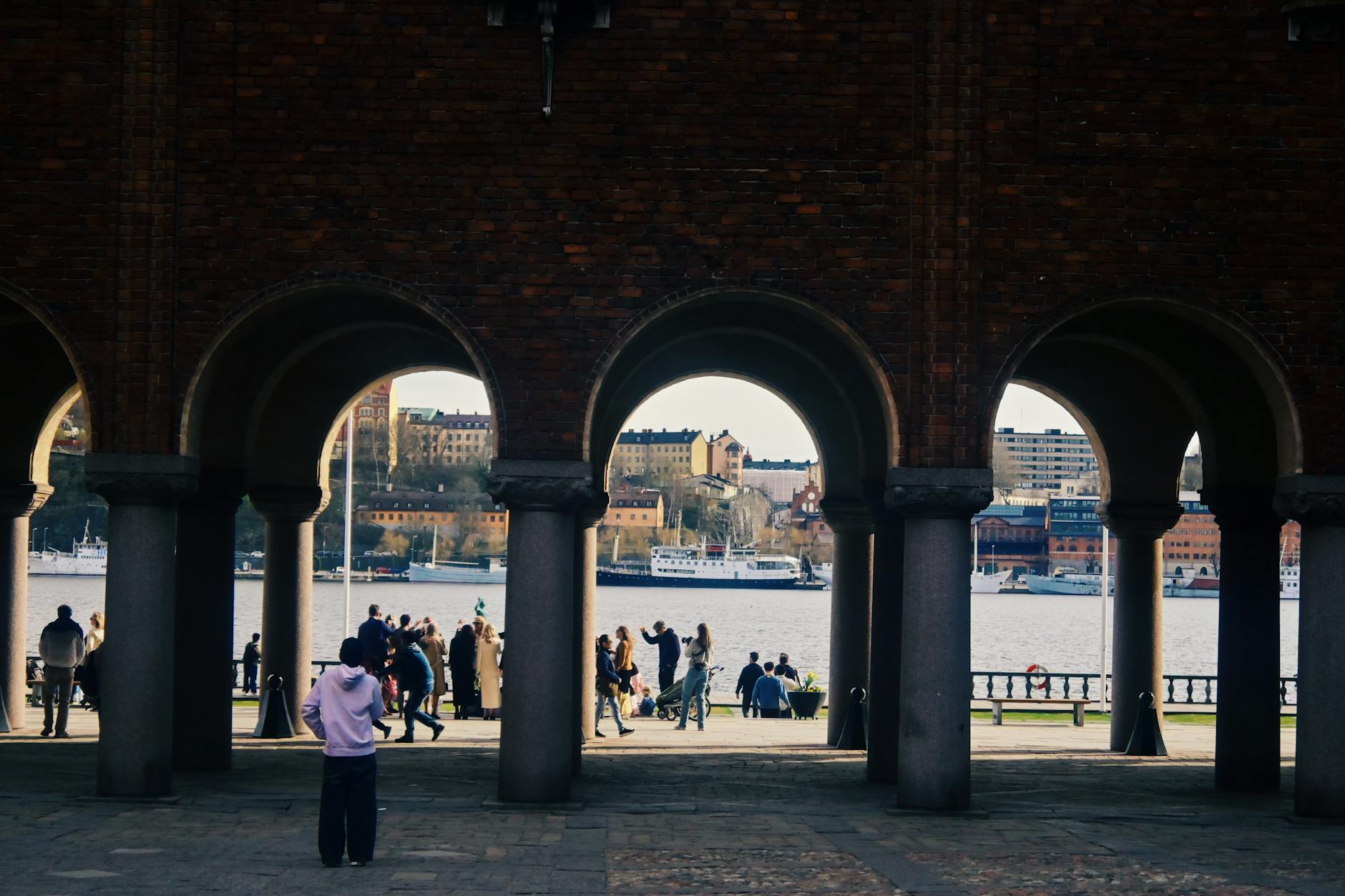
Best transit access — every metro line, every train, the Arlanda Express, and direct buses to Djurgården all start here. You’re walking distance to Gamla Stan, the City Hall, and the major shopping streets. Less neighborhood charm than Östermalm but very efficient with kids who get tired. Scandic Continental, Radisson Blu Royal Viking, and Clarion Sign all have family rooms and are 2 minutes from Central Station.
Södermalm
For families with older kids and teens. Södermalm is hipper, hillier, and a longer commute to Djurgården (15 minutes by metro), but it has cooler restaurants, vintage shops, and the city’s best skateparks and outdoor swimming spots in summer. Stay near Medborgarplatsen or Slussen. Hotel Rival (owned by an ABBA member, good with kids despite the boutique vibe) is the standout.
Apartment rentals — the family hack
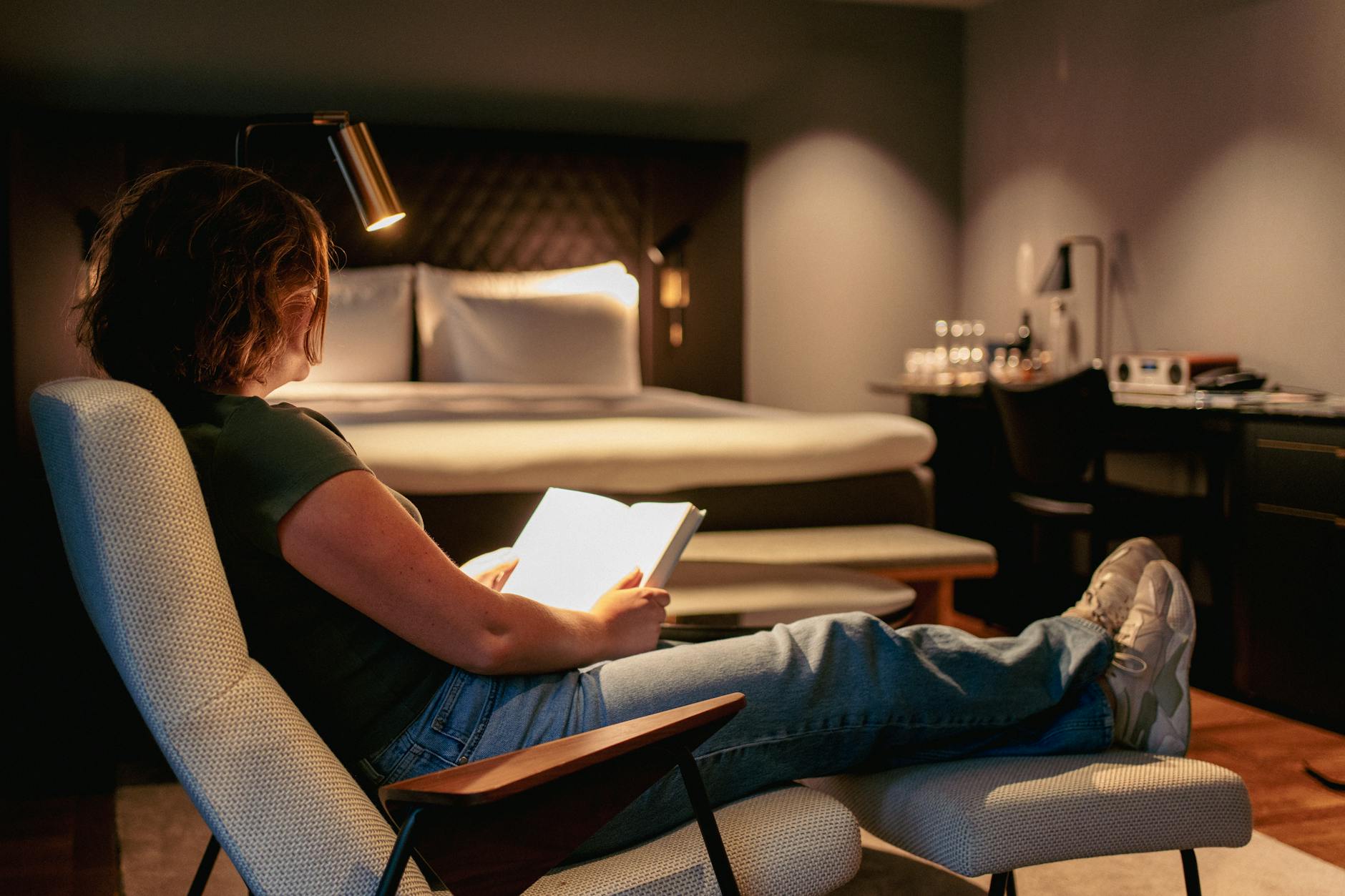
With kids, an apartment rental usually beats a hotel — separate sleeping zones, a kitchen for breakfast and snack runs, and laundry. If you’d rather have full service, compare our pick of family-friendly hotels in Stockholm. Stockholm has a strong serviced-apartment market: BOB W Stockholm, Forenom Aparthotel, and Apartdirect all offer 1–3-bedroom apartments for around 1,800–3,500 SEK/night, often cheaper than two hotel rooms. Airbnb works too but check for long-stay restrictions in residential buildings.
Eating in Stockholm with kids
Swedish restaurant culture is unusually accommodating to children, and our roundup of kid-friendly restaurants in Stockholm lists the standouts by area. Most restaurants — including upscale ones — have a kids’ menu (barnmeny), free or low-cost dishes for kids under 12, and high chairs and crayons available without asking. Many restaurants serve a midday meal called dagens lunch (today’s lunch) — a hot main, salad, bread, and water for around 130–160 SEK — and kids eat a half-portion for 50–80 SEK. This is the best value family meal of the day.
Family-friendly restaurant picks
Hermitage (Gamla Stan) — vegetarian buffet, kids welcome, 175 SEK adult / half price for kids 6–12. Endless refills mean picky eaters always find something. Vapiano (multiple locations) — pasta and pizza made in front of you, kids order their own. Pizza Hatt (Vasastan) — Stockholm’s best wood-fired pizza, casual, kids welcome. Sturehof (Östermalm) — old-school Swedish brasserie with a children’s menu featuring Swedish meatballs. Operakällaren Bakfickan — affordable lunch outpost of the famous Operakällaren, serves the classic Swedish meatballs platter (kids’ portions available).
Casual eats and chains
Max Burgers is Sweden’s homegrown burger chain — better quality than McDonald’s, with kids’ meals, organic options, and a recycling program. Espresso House serves a kids’ fika set (cinnamon bun + small juice) for 35 SEK. 7-Eleven in Stockholm sells decent fresh sandwiches and warm pastries — useful for a quick stroller-side breakfast.
Food halls — the toddler win
Östermalm Saluhall reopened in 2020 after a major renovation and is now Stockholm’s most family-friendly food hall — wide aisles for strollers, communal seating, vendors serving everything from open-faced shrimp sandwiches to fresh pasta. Kids can eat unfussy things while parents try cured fish and reindeer charcuterie. K25 in Norrmalm is the budget version — Asian and Middle Eastern food court with very fast service.
Public transport with kids
Stockholm’s transit system is one of Europe’s most family-friendly. The key facts:
Children under 7 ride free with any paying passenger, and a paying adult can take up to six children aged 7–11 free, every day. Other under-20s pay the reduced fare: a reduced 7-day SL ticket costs less than the 470 SEK adult one (check the SL app for the current price). Strollers ride free on buses and you board through the middle door. Metro stations all have elevators — they’re sometimes hidden at the end of the platform but always present. The Djurgården ferry (Slussen to Djurgården, 7 minutes) is included with your SL pass and is a hit with kids — much more fun than the tram.
The free Djurgården ferry-and-tram combo is the easiest way to get to and from museum island with a stroller. The Line 7 vintage tram runs from Norrmalmstorg to Djurgården and is a small adventure in itself — old wooden cars, conductors in uniform, slow and scenic.
Best family day trips from Stockholm
Drottningholm Palace (½ day)
UNESCO-listed royal palace 11 km west of Stockholm, reachable by a 50-minute Strömma steamboat (best with kids — they love the boat) or the metro to Brommaplan and a bus from there. Kids enjoy the sprawling baroque gardens and the Chinese Pavilion more than the palace interior. The 18th-century theatre is fascinating but skip with kids under 10.
Fjäderholmarna Archipelago Islands (½ day)
Closest archipelago islands to Stockholm — a 30-minute boat ride from Strandvägen, with the Strömma service back in May 2027. Small enough to circle on foot in 90 minutes, with rocks to climb, an ice cream shop, a small chocolate workshop kids can tour, and clean swimming spots in summer. Excellent first taste of the archipelago for families.
Vaxholm (full day)
“Capital of the archipelago” — a small island town about an hour from Strömkajen on a Waxholmsbolaget ferry. Wooden harbor houses painted yellow and red, an old fortress (kids can tour the dungeons), restaurants on the water, and a swimming beach for summer. Easily handles a full day with school-age kids.
Tom Tits Experiment, Södertälje (½ day)
See above — a hands-on science museum 30 minutes south. Best rainy-day day trip for kids 4–12.
Sigtuna (½ day)
Sweden’s oldest town (founded ~980 AD) — 50 minutes by train + bus from Central Station. A walkable medieval town with rune stones in the church, a small lakeside beach, and a children’s museum (Sigtuna Museum) with a Viking section. Slower-paced than Vaxholm and works well for younger kids.
Practical tips for families
Strollers
Bring or rent a sturdy stroller. Stockholm’s streets are paved, but Gamla Stan’s cobblestones and Södermalm’s hills are real. The metro is fully accessible but you’ll occasionally need to navigate to the elevator at the platform end. Babyshop rents strollers, car seats, and travel cribs — useful if you’re flying with carry-on only.
Diapers, formula, and supplies
Pharmacy chains Apotek Hjärtat and Apoteket have full baby aisles — diapers (Libero is the major brand), formula (Semper, HiPP, Nestlé), baby food pouches, and over-the-counter children’s medicines. ICA and Coop grocery stores carry the same selection plus organic options. Diapers cost about 40% more than the US.
Health and safety
Tap water is excellent — no need for bottled. Sweden has universal childhood vaccination, low crime, and well-functioning emergency services (call 112). Pharmacies handle minor medical needs without prescription. For non-emergency medical care, the Vårdguiden service (call 1177) gives 24/7 nurse advice in English. Stockholm South General Hospital (Södersjukhuset) has a dedicated pediatric ER (Astrid Lindgren Children’s Hospital).
Tickets and family discounts
Most major attractions offer a “family ticket” (familjebiljett) — 2 adults + 2 kids for the price of about 2.5 individual tickets. Always ask. The Go City All-Inclusive Pass (formerly Stockholm Pass) covers most family attractions and includes a Stockholm Hop-on Hop-off boat ride; for a museum-heavy 2-day trip with kids 4+, the family math usually works out — but skip the pass if you have a child under 4 (since most attractions are already free for them).
What to pack by season
Summer (June–August): light layers, rain jacket, sunhat, swimsuits (every neighborhood has a swimming spot), sturdy walking shoes, mosquito repellent for archipelago days. Daylight runs to 22:00+ in June, so eyemasks for kids if they need dark to sleep.
Spring/fall (April–May, September–October): layers, waterproof jacket, hats, gloves for early/late edges, a stroller rain cover. Temperatures swing 5–15°C in a single day. Pack a few extra socks per day — wet feet ruin small children fast.
Winter (November–March): full winter kit. Snow boots, snow pants for kids (essential — playgrounds are still used in winter), insulated jacket, hat, gloves, scarf, base layers. Stockholm sees both deep cold (-10°C) and slush; both require waterproof boots. Pack reflectors — Swedish kids wear them on coats and bags during the dark months because they actually work in the long winter dusk.
Sample 3-day Stockholm family itinerary
Day 1: Djurgården museum island
Get to Djurgården by tram 7 from Sergels Torg or the Djurgården ferry from Slussen. Start at Skansen at opening (10:00) — see the brown bears and reindeer first while the kids are fresh. Lunch on-site (food carts near the main entrance are quickest) or pack a picnic. Afternoon: Junibacken for ages 3–8 OR Vasa Museum for ages 5+. Late afternoon snack at the Rosendals Trädgård café (organic gardens, kids can roam). Dinner near your hotel — keep day 1 short.
Day 2: Old town and a ferry
Morning: walk through Gamla Stan (Stockholm’s medieval Old Town) — see the Royal Palace changing of the guard at 12:15, walk Stortorget square, get lost in alleyways. Lunch at Hermitage (vegetarian buffet) or Magnus Ladulås (kids’ menu Swedish classics). Afternoon, in season: Strömma’s boat to Fjäderholmarna for an archipelago half-day (the boat is back in May 2027) — return by 18:00. Dinner: kids’ favorite at the Östermalm Saluhall.
Day 3: Mix and match
Best day for energy. Pick from: Gröna Lund amusement park (mostly a summer outing — half day), Tom Tits Experiment (rainy-day winner — ½ day), Drottningholm Palace (boat trip + gardens — full day), or Skansen Aquarium + ABBA Museum double-header (full day). Last evening: dinner at a kid-friendly classic like Sturehof for Swedish meatballs.
Stockholm with kids: what to skip
Be honest about ages. Fine art museums (Nationalmuseum, Moderna Museet) are tough below age 10 and don’t have great kids’ programs. Skip them unless you have a budding art kid. The Royal Palace tour is interesting for adults but slow and rope-line-heavy for kids — see the changing of the guard outside instead and skip the interior. The Nordic Museum is excellent for kids 8+ but a slog for younger kids — its newer kids’ program “Lekstugan” works for under 8s but doesn’t take long. Late-night restaurants: Stockholm dinners can run long; book early sittings (17:30–18:00) and you’ll find restaurants happy to accommodate.
Avoid Stockholm in early November (dark, cold, no Christmas lights yet) with kids — the daylight gets oppressive. The peak family-friendly windows are late May through August (long days, mild weather, everything open) and early to mid-December (Christmas markets, Lucia, snow if you’re lucky).
On day three of a winter family trip, when everyone has had enough of museums and the wind off the water is cutting, the Nordics’ largest shopping centre becomes surprisingly defensible: four warm floors, lifts, a cinema, food children will eat and no traffic. Our Mall of Scandinavia guide covers getting there and which days to avoid entirely.
One thing that changed in 2026: the city’s free street toilets closed when their advertising contract ended, and the replacements cost SEK 10 and are still being installed. With small children, plan around museums, libraries and department stores instead. Our guide to public toilets in Stockholm lists the reliable ones, including where to find changing tables.
Some of the best family days in Stockholm cost nothing: a city beach, a buggy-friendly forest walk in Tyresta, a lakeside picnic at Hellasgården or an afternoon on an outdoor rink. Our guide to Stockholm outdoors and nature has the details.
Final thoughts on Stockholm with kids
Stockholm rewards family travelers who plan in pairs — pair a high-energy attraction with a recovery park afternoon, pair an indoor museum with an outdoor walk, pair a long museum day with an early hotel night. Build in playground stops, snack stops, and ferry rides as the connective tissue of your trip — kids will remember those as much as the headline attractions. The city is gentle on small travelers, and most families who visit return for a longer trip a few years later.
For a deeper read on the city itself, see our complete Stockholm travel guide. When it’s time to book, our pick of family-friendly hotels in Stockholm and the 25 best things to do in Stockholm with kids will keep the planning moving.
Frequently asked questions
Is Stockholm a good destination for kids?
Yes — Stockholm is one of Europe’s easiest cities with kids. Free transit for under-7s, stroller-accessible everything, world-class kids’ museums on a single island (Djurgården), and a culture where families with children are welcomed in nearly every restaurant.
What is the best age to take kids to Stockholm?
Ages 4–10 hit the sweet spot — old enough to walk and engage with attractions like the Vasa, Junibacken, and Skansen, young enough that children’s pricing and programming still apply. But Stockholm works for every age including babies and teens.
Is Djurgården worth it with kids?
Yes — Djurgården packs Skansen, Vasa, Junibacken, ABBA Museum, and Gröna Lund onto one walkable island with ferries, trams, and parkland. Most families spend 1.5–2 days of a 3-day trip on Djurgården alone.
What is the Stockholm Pass and is it worth it for families?
The Stockholm Pass (now sold as the Go City All-Inclusive Pass) covers 60+ attractions including most family-friendly ones. For a museum-heavy 2-day trip with kids 4+, the math usually works out. Skip it if your kids are under 4 (most attractions are already free) or if you’re focused on outdoor/park time over indoor museums.
Are Stockholm restaurants kid-friendly?
Yes — most Swedish restaurants have a barnmeny (kids’ menu), high chairs available without asking, and crayons brought automatically. Lunch (dagens lunch) is the best-value family meal. Reservations for dinner are recommended in summer; most kitchens close around 22:00.
How many days should we spend in Stockholm with kids?
3 days is the sweet spot — one day for Djurgården museums, one for Gamla Stan and a short ferry trip, one flexible day for Gröna Lund or a longer day trip. 5 days lets you add an archipelago overnight at a family-friendly hotel like Sandhamns Värdshus or Grinda Värdshus.
Is Stockholm safe with children?
Yes — Stockholm is one of Europe’s safest capitals. Petty pickpocketing exists in tourist areas but violent crime is rare. Tap water is excellent. The 1177 Vårdguiden helpline gives 24/7 medical advice in English, and Astrid Lindgren Children’s Hospital handles pediatric emergencies.
What’s the best month to visit Stockholm with kids?
June through August for the long daylight, warm-enough swimming, and full opening hours at outdoor attractions like Skansen and Gröna Lund. Early to mid-December is the runner-up — Christmas markets, Lucia, and the chance of snow. Avoid early November and late January–February for kids if you can.
Can you swim with kids in Stockholm?
Yes — clean public swimming areas exist throughout the city. Smedsuddsbadet on Kungsholmen and Långholmsbadet on Långholmen are both family beaches with shallow entry. The water is cold (16–20°C peak summer) but clean enough to drink. Indoor option: Eriksdalsbadet swimming complex on Södermalm has a dedicated kids’ pool with slides.
Are there child-friendly hotels with family rooms in Stockholm?
Yes — most central hotels offer family rooms (1 bed + 2 single beds or sofa beds), including Scandic, Clarion, and Radisson Blu chains. Apartment rentals via BOB W, Forenom Aparthotel, or Apartdirect often beat hotels for families on cost and space.