Stockholm Nightlife: The Complete Bars, Clubs & Live Music Guide
Stockholm nightlife — the best bars, clubs, rooftops, live music venues, LGBTQ+ spots, and late-night food across every neighborhood.
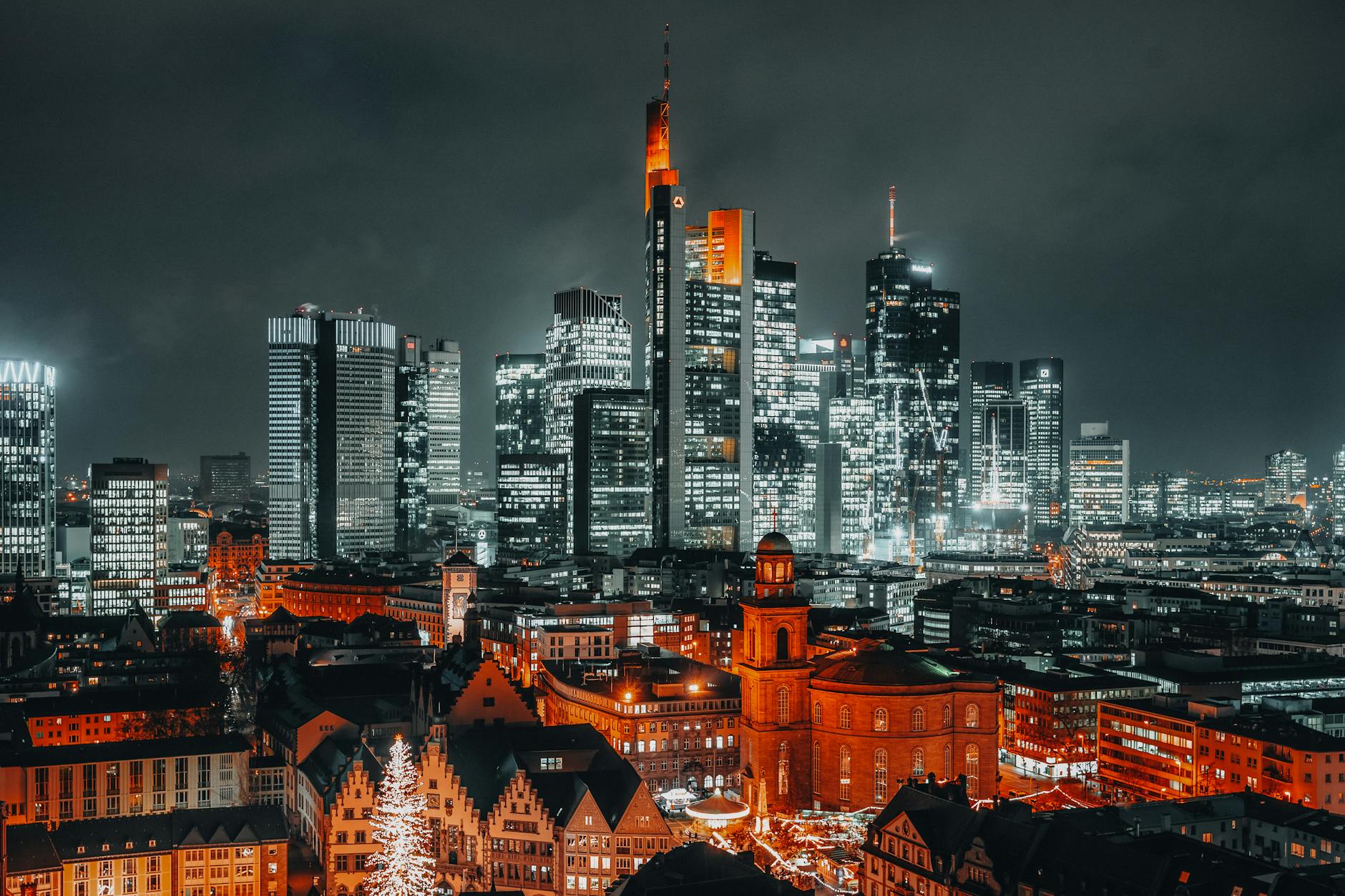
The first thing that surprised me about going out in Stockholm is how quiet the city looks by day and how loud it gets after dark. Reserved on the surface, then suddenly it isn’t. Stockholm nightlife spreads across the city’s 14 islands as four distinct scenes: Stureplan for see-and-be-seen clubs and bottle service, Södermalm for craft cocktails and live music, Östermalm for old-school glamour, and Vasastan for the locals’ quieter cocktail temples. Drinks are pricey and the queues are real, but the range and quality genuinely punch above the city’s low-key reputation.
I’ve written this as the guide I wish I’d had my first weekend here: which neighbourhood fits your night, the bars and clubs that actually matter, where to hear music, the LGBTQ+ scene, the late-night food map, and how to survive a Stureplan door. If you want to go deeper on any one thread, I link out to my dedicated round-ups of the best bars in Stockholm and the best nightclubs in Stockholm as we go. A word of warning: hours, cover charges and entry ages shift constantly here, so treat every number below as “around” and confirm before you rely on it.
How Stockholm nightlife actually works
Three things shape a Stockholm night, and getting them right saves you money, queue time, and the wrong crowd.
Time of week matters more than time of year. Wednesday is “lillördag” (little Saturday) — locals go out, queues are short, and many bars run promotions. Thursday kicks off weekend energy. Friday and Saturday are peak. Sunday and Monday go quiet outside summer, and Tuesday is dead. Honestly, if you can only pick one night, I’d take a Wednesday or Thursday over a Friday or Saturday every time — you get the same rooms with half the friction.
Bar and restaurant licences cap closing times. Sweden’s alcohol law (alkohollag) closes most bars at 01:00, with extensions to 03:00 for venues that run a full kitchen or hold a special permit. Clubs push to 03:00–05:00. After 03:00 there’s no in-between: you’re either still inside a club or you’re out on the night-food trail.
Door policies are real. Stureplan clubs like Sturecompagniet and Hell’s Kitchen run selective doors — a dress code (no sneakers, no shorts, smart-casual minimum), an age bar (often 23+ on weekends), and a fair amount of “look right” judgement. Cross the bridge to Södermalm and the mood flips: jeans, sneakers, no fuss. Knowing which side of town suits your night is the single most useful thing on this page.
Stockholm nightlife by neighborhood
Stureplan & Östermalm — the upmarket scene
Stureplan is the flashiest nightlife square in town, anchored by the Svampen (“The Mushroom”) concrete shelter that every local uses as a meeting point. The crowd here skews well-dressed, late-twenties to forties, and unapologetically expensive — a cocktail at Riche or Sturehof runs around 165–200 SEK, and a bottle at a Stureplan club starts near 2,500 SEK. Riche sets the tone: early-evening fika rolls into late-night drinking with no obvious changeover, and the people-watching is worth the price of one drink alone. Sturehof next door keeps old-school Swedish brasserie energy going until around 02:00. For the big rooms, Hell’s Kitchen and Sturecompagniet are the clubs of choice, while Spy Bar at Birger Jarlsgatan 20 is the legacy celebrity-and-music-industry spot — midweek is your best shot at getting in.
Beyond Stureplan, Östermalm calms down without losing the polish. In summer, Strandbryggan is a floating bar on Strandvägen — drinks on the water with the Royal Palace across the way. The Bank Bar at Hotel Diplomat pours a serious cocktail list inside a former bank vault.
Södermalm — the cool kids’ island
Söder is where Stockholmers actually drink, and it splits into two moods. SoFo (south of Folkungagatan, around Nytorget and Skånegatan) is craft-cocktail country; Hornstull at the western tip is the music-and-cheaper-drink end. Bar Brutal at Skånegatan 67 does natural wine and small plates with a proper cult following. Marie Laveau on Hornsgatan pours dive-bar cocktails upstairs and runs a club downstairs until around 03:00. Kvarnen at Tjärhovsgatan 4 is the old beer hall — Hammarby’s supporters’ bar, cheap pilsner, zero pretence. And Akkurat on Hornsgatan holds the city’s deepest beer list (700+ bottles, 30+ taps) with a whisky selection to match; it’s a fixture on my list of the best craft beer bars in Stockholm.
For cocktails, Tjoget on Hornsbruksgatan is a two-room temple — the front serves food, the back serves drinks by list only, and it lands on the World’s 50 Best rankings most years. Pharmarium in Gamla Stan technically isn’t Söder, but it belongs in the same conversation: apothecary-themed cocktails inside the building that housed Sweden’s first pharmacy back in 1575.
Norrmalm & City — convenient but mid
The centre has the volume of bars without much of the personality. The exception is Berns Salonger, an 1860s grand hall that still works as both club and concert venue, with live music several nights a week. Café Opera in the Royal Opera basement has run as a club since 1980 and remains a tour-bus standby. Up top, Skybar at the Radisson Blu Waterfront Hotel and Tak on Brunkebergstorg both pour rooftop drinks over Riddarfjärden — Tak wins on food and cocktails, Skybar wins on the view.
Vasastan — locals’ cocktail temples
Vasastan, north of the centre, is where I go when I can’t be bothered with Söder hype or Stureplan dress codes. Linje Tio on Hornsbergs Strand is technically Kungsholmen but reads the same — a two-floor cocktail and supper club. Speceriet is tiny and food-focused, with a 12-stool bar that books out a week ahead. The Nest at Tegnérgatan 28 runs a tight signature-cocktail list in a converted basement.
Gamla Stan — atmosphere over edge
Old Town isn’t where Stockholmers go out, but the rooms are undeniably atmospheric. Pharmarium (above) is the headliner. Hairy Pig Deli does a lovely late charcuterie-and-wine setup, and Wirströms Pub is the Irish pub everyone drifts to after a Gamla Stan dinner, with live music most nights.
Best cocktail bars in Stockholm
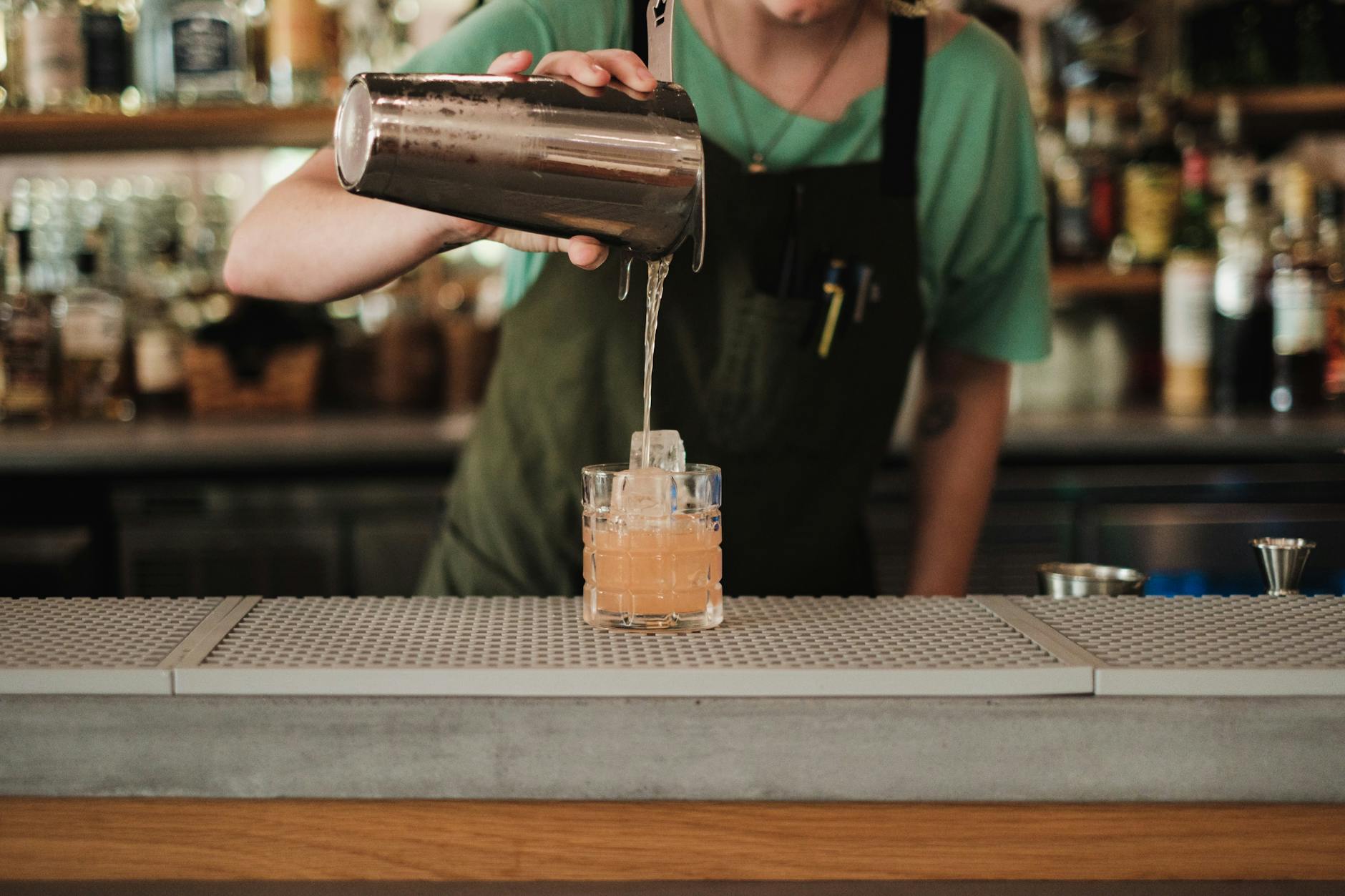
For its size, Stockholm is one of the strongest cocktail cities in Europe. Three bars — Tjoget, Pharmarium and Linje Tio — turn up on World’s 50 Best rankings, and a deep bench behind them keeps the standard high all year.
Tjoget (Söder, Hornsbruksgatan 24) is the reputation-leader. Two rooms: a Mediterranean restaurant up front, a 12-seat omakase-style cocktail bar in back. The back bar is reservation-only and pours a flight of five bespoke cocktails for around 695 SEK. Book a week or two ahead.
Pharmarium (Gamla Stan, Stortorget 7) is the most theatrical. The 1575 apothecary setting dictates everything — drinks arrive in beakers, vials and antique flasks, built on Nordic herbs and historical recipes. Cocktails land around 175–225 SEK.
Linje Tio (Kungsholmen, Hornsbergs Strand 4) is the grown-up, less showy option. The bar program is genuinely original — Nordic forest cocktails, Scandinavian aperitifs — without leaning on gimmicks.
Operabaren (Norrmalm, Karl XII:s torg), inside the Royal Opera House, is the classic-cocktail temple. The room is preserved late-19th-century — stained glass, old wood, quiet — and the staff knows every pre-Prohibition recipe you can name.
Little Quarter (Östermalm, Roslagsgatan 14) is a speakeasy tucked behind a sandwich café. Reservation only, booked by text through their Instagram; a tight 30-seat room with four-cocktail flights.
Bar Hommage (Norrmalm, Wallingatan 38) hides behind a barbershop. Small bar, exceptional execution of the classics, no Instagram showmanship. Walk-ins only — arrive before 21:00 on weekends.
Best rooftop bars in Stockholm
The rooftop scene here is small but real, and clustered almost entirely in the central neighbourhoods. If you only have one warm evening, this is where I’d spend the golden hour before heading down to the clubs.
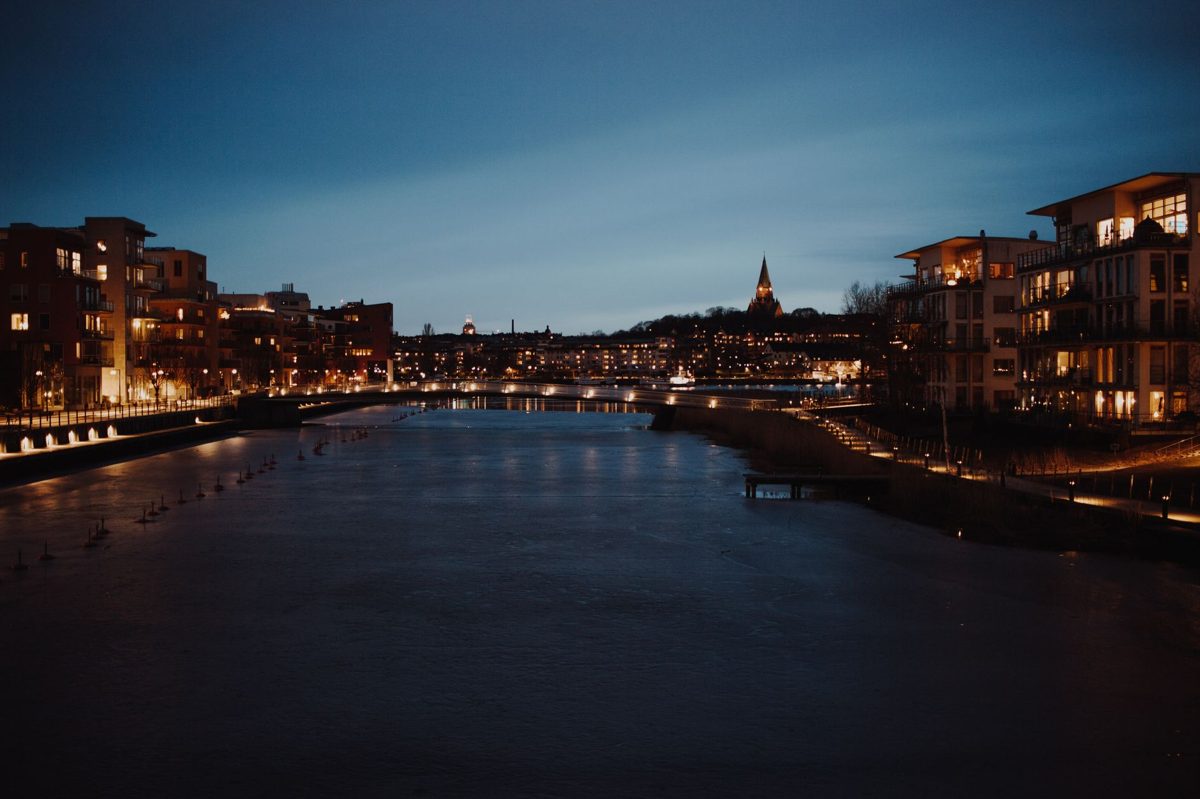
Tak (Norrmalm, Brunkebergstorg 4), on top of the Sergel Hotel, is the most stylish of the lot — Asian-fusion small plates, three terraces (one heated, one with a fireplace), and the best sunset view over central Stockholm. Reservations are essential on summer Fridays and Saturdays.
Skybar (Norrmalm, Radisson Blu Waterfront) is a glass-walled bar on the 26th floor with full panoramic Riddarfjärden views. The drinks are average; the view is not. Best around 21:00 in summer while the sun is still up.
Solrosen Rooftop (Vasastan, Tegnérgatan 38) is smaller and more local-feeling — heated terrace, simple drinks, low-key crowd. Open mid-April to mid-September only.
Le Hibou at Hotel Story Stureplan sits atop one of Stureplan’s design hotels. It’s more intimate than Tak and makes a good landing pad before you drop down into the clubs.
Mosebacke Etablissement (Söder, Mosebacke torg 3) is technically a terrace rather than a rooftop, but the effect is the same: 50 metres up, the whole central skyline laid out across the harbour. It opened as an outdoor café back in September 1846, so it rather predates “rooftop bar” as a category. Open May–September. For the full list, my guide to the best rooftop bars in Stockholm goes deeper on seasons and reservations.
Best nightclubs in Stockholm
Stockholm’s club scene is smaller than Berlin’s or London’s, but it punches well above its weight. Three categories cover most of it: Stureplan big-room clubs (commercial, dress-coded, queued), Södermalm music-led clubs (relaxed, better DJs), and a handful of specialty rooms scattered around town.
Hell’s Kitchen (Stureplan) is the 21-and-over flagship — two floors, hip-hop and house, dress code enforced, cover around 200 SEK. Some nights are free for women, so check before you queue.
Sturecompagniet (Sturegatan 4) runs three floors: house and EDM on the main floor, hip-hop and 90s/00s upstairs. It queues by reputation, and bottle service skips the line.
Trädgården (Söder, Hammarby Slussen) is the summer-only outdoor club under the Skanstull bridge, and it’s the most-loved warm-weather venue in the city — open May to September with multiple stages, food trucks, table tennis and an electronic focus. The late-August closing party is a local institution. Around 200 SEK at the door, 21+.
Under Bron (Söder, Hammarby Slussen) is Trädgården’s indoor winter sister in the same complex — techno and house, smaller capacity, more curated bookings, Friday and Saturday only.
Berns Salonger (Norrmalm, Berzelii Park) is a concert hall by night and a club by later night. Eat at Berns Asiatiska, then the same building’s club rooms run house and electronic until around 03:00 on weekends.
Patricia (Söder, Stadsgården 152) is the famous floating Sunday club — a boat moored at Stadsgården, Sundays only, with a wonderfully mixed crowd (an LGBTQ+ flagship night, though not exclusively so). Cover around 220 SEK, roughly 22:00–03:00.
Kraken (Söder, Krukmakargatan 26) is a smaller, electronic-leaning room that ignores the Stureplan formula entirely. Capacity around 250, and it pulls in touring international DJs.
Slakthuset (Slakthusområdet) is the industrial complex south of the centre. It’s closed for redevelopment, but keep an eye out for one-off raves and pop-ups during the construction years (2026–2028).
Live music venues in Stockholm
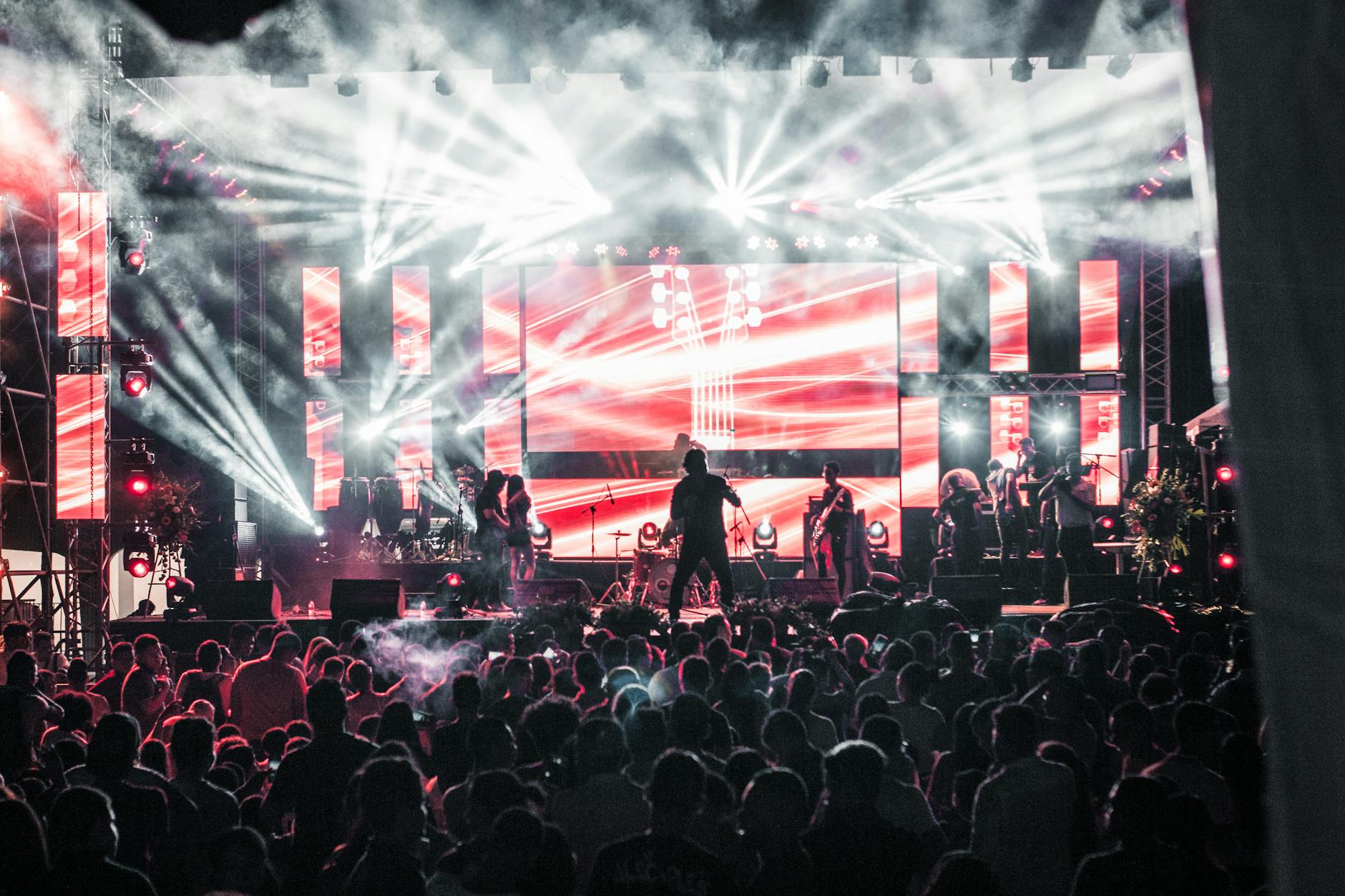
The live-music ecosystem runs deep, from 200-capacity rock clubs up to the 16,000-seat Avicii Arena. If music is the reason you’re out, these are the rooms I’d start with — and my full guide to the best live music venues in Stockholm covers the smaller ones I’ve had to leave out.
Debaser Strand (Söder, Hornstulls Strand 4) is the most-loved indie/rock/alt room in the city — 600 capacity, weekly local bands plus international touring acts, and a riverside terrace that turns it into a concert venue and outdoor bar at once in summer.
Fasching (Norrmalm, Kungsgatan 63) is the jazz institution. Open since 1977, it hosts everything from local quartets to touring American names in a tight 200-capacity room with no bad seats.
Stampen (Gamla Stan, Stora Nygatan 5) is the Old Town jazz club, going since 1968 — walls hung with instruments, six nights a week of trad jazz, blues and swing. Touristy by reputation, genuinely good in practice.
Cirkus (Djurgården) is a mid-size theatre and concert hall (1,650 seats), built in 1892, hosting international rock and pop. Berns handles mid-size touring acts (around 1,000 capacity), while Avicii Arena (Globen) is the 16,000-seat dome, formerly Globen — the city’s biggest indoor room. Annexet and Hovet nearby cover the 4,000–8,000 shows, and Fryshuset Arenan (Söder, Hammarbybacken) is the 2,200-cap home for harder rock and metal. For seating charts and where to buy, I keep a separate Stockholm concert venues and ticket guide.
For something you can only do here, the Skansen Sommarscen outdoor series runs June–August at the open-air museum, and the Gröna Lund amusement park hosts roughly 30 concerts each summer for the price of park entry — I’ve caught names like Bob Dylan and Patti Smith there for around 195 SEK.
LGBTQ+ nightlife in Stockholm
Stockholm is one of the most LGBTQ+-friendly capitals in the world, and the night scene shows it — both in dedicated venues and in how relaxed the mainstream bars are. My full LGBTQ+ nightlife in Stockholm guide has the seasonal calendar; here are the anchors.
Patricia (Söder, Stadsgården 152) is the flagship — a floating boat club running every Sunday year-round, mixed but explicitly queer-friendly, and rightly iconic.
Side Track (Söder, Wollmar Yxkullsgatan 7) is the city’s longest-running gay bar: friendly, a little cruisey, late-night, 21+.
Mälarpaviljongen (Kungsholmen) is a summer-only waterside café/bar that turns into a Pride home base each August — daytime fika, evening drinks.
Häktet (Söder, Hornsgatan 82) is a mixed-crowd cocktail bar inside a former 18th-century jail, popular with the lesbian community.
The annual Stockholm Pride festival takes over the first week of August (Pride Park at Östermalmstorg, the parade through the centre on Saturday). It’s one of Europe’s largest, with 60,000+ marchers.
Late-night food map
Late food here is more limited than in London or Berlin, but every neighbourhood has a reliable move once the bars empty.
Stureplan / Östermalm: the Sturehof kitchen runs to around 02:00 — meatballs, herring, the full Swedish menu — and Riche‘s late menu goes to about 01:00.
Söder: Tradition on Östgötagatan does Swedish classics until roughly 02:00, Kafé 44 on Tjärhovsgatan is the cheap, vegan, very-late alternative-scene hangout, and Magnus Ladulås on Österlånggatan keeps the meatballs-after-the-club tradition alive.
Norrmalm: Banh Mi & Co serves Vietnamese sandwiches until around 03:00, and there’s always kebabpizza at Sibylla or Max, open 24h at Central Station.
Hot dogs: the late-night korv stand culture is real. Korven & Bröd at Stureplan, the Korvfabriken stand at Sankt Eriksplan, and Günter’s Korvar on Karlbergsvägen all run past midnight. And when all else fails, 7-Eleven has dozens of 24/7 branches across the central neighbourhoods with the city’s best gas-station-grade pastries and warm sandwiches.
Prices and tipping
There’s no getting around it — Stockholm nightlife is expensive. Use these as rough benchmarks and confirm on the night, since prices creep up constantly.
Beer: around 75–95 SEK for a 50cl draft, 65–80 SEK for a 33cl bottle. Wine by the glass: roughly 95–145 SEK. Cocktails: around 145–185 SEK at standard bars, 175–225 SEK at the flagships. Bottle service at Stureplan clubs: 2,500–6,000 SEK per bottle. Cover: around 150–250 SEK at the major clubs, often free or reduced before 23:00.
Tipping is easy here: 5–10% is standard for table service at restaurants but optional at bars. Round up at counter-service places. Tipping a bartender per round — say 10 SEK a drink — is appreciated but never expected. Coat check is mandatory at most clubs, around 40–60 SEK per item.
Practical tips for a Stockholm night out
Cards work everywhere. Most bars have stopped taking cash entirely. Bring a card — Visa and Mastercard are universal, Amex less so — and Apple Pay and Google Pay work everywhere.
Public transport runs late. The metro runs 24h on Friday and Saturday nights. Sunday to Thursday, the last trains are around 01:00, after which the night buses (the 9X series) cover the city.
Coat check (garderob) is mandatory. Most clubs make you check your jacket for around 40–60 SEK. Don’t argue it with the doorman — you won’t win.
ID gets checked everywhere. Even if you look 50, expect to show it at any club door. The drinking age is 18 at restaurants and bars but 20 to buy at Systembolaget, and clubs commonly enforce a 21 or 23 minimum on weekends — worth confirming the current age for your venue before you go.
Dress the part in Stureplan. Smart-casual minimum: leather shoes, a dress shirt, trousers (jeans usually pass). No sneakers, no shorts, no caps. Söder, as ever, is fully relaxed.
Reserve your cocktail table. Tjoget’s back room, Pharmarium, Linje Tio and the omakase-style bars all want a booking one to two weeks ahead in summer.
Mind the smoking rules. Sweden banned smoking on outdoor restaurant terraces in 2019, so most outdoor bar areas are now smoke-free, with designated zones at the clubs.
Sample Stockholm nightlife itinerary
Friday — the polished version: 18:00 fika at Vete-Katten or Riche. 20:00 dinner at Sturehof or Bar Brutal. 22:00 drinks at Tak (rooftop) or Tjoget (cocktails). 00:30 into a club — Hell’s Kitchen for big-room Stureplan, Trädgården (summer) or Berns (year-round) for music. 03:00 hot dog or Sibylla.
Saturday — the local version: 19:00 craft-beer flight at Akkurat. 21:00 cocktails in Tjoget’s back room (book ahead). 23:30 walk over to Marie Laveau or Debaser Strand for music. 02:00 late food at Magnus Ladulås, then home along the harbour — the lights of Gamla Stan on the water are the real closer of any Stockholm night.
Sunday — the queer/alternative version: 16:00 brunch at Kafé Esaias. 19:00 drinks at Mälarpaviljongen. 22:00 Patricia, the floating Sunday club — grab tickets online ahead of time.
What to skip
A few honest steers. I’d skip the tourist clubs on the river boats — most run heavily tourist crowds and the music suffers for it. I’d skip Café Opera on a Friday or Saturday unless your group is on a tour-bus crawl. And I’d skip the Old Town pubs as the basis for a “real Stockholm” night — fine for one drink, but no local goes drinking in Gamla Stan past 22:00. Finally, skip Stureplan altogether if you’d rather not deal with bottle-service economics or a strict door.
Stockholm beer culture and craft beer bars
The craft-beer scene grew fast through the 2010s and is now one of the deepest in Scandinavia, with around 30 active microbreweries inside the city limits. The flagship is Akkurat on Hornsgatan — a 700+ bottle list, 30+ taps, an encyclopaedic Belgian and Scandinavian selection, plus serious whisky and rum. Akkurat basically invented the Stockholm beer scene in 1996 and remains the gold standard.
Mikkeller Bar Stockholm at Brunnsgatan 33 is the Danish brewery’s outpost — 20 constantly rotating taps, heavy on sours and stouts. Brewski at Drottninggatan 81 skews younger and pairs exceptional craft cocktails with its beer. Oliver Twist at Repslagargatan 6 is the long-running British-style real-ale pub with 150+ bottles, and Folköl Bar Folkets on Götgatan pours cheap-and-cheerful folköl (the under-3.5% beer that’s the only kind Sweden allows in supermarkets).
For brewery tours, Stockholm Brewing Co. on Södermalm runs Saturday tasting tours (book a week ahead), and Omnipollo’s Hatt at Hökens Gata 1 is the taproom of the cult Swedish brewery — outstanding double IPAs and pastry stouts.
Wine bars worth knowing
Stockholm’s wine-bar culture is younger than its cocktail scene but has caught up fast. Bar Brutal on Skånegatan 67 is the natural-wine flagship — 120+ natural wines by the bottle, 25 by the glass, small sharing plates. Folii on Erstagatan 21 is the second natural-wine destination, with a tighter list and a more serious kitchen. Babette at Roslagsgatan 6 in Vasastan leans Italian and is perfect for a long lunch that drifts into evening.
For sommelier-led old-world wine, Ekstedt‘s wine bar (yes, the Michelin-star restaurant runs a casual one on the side) is the high-end choice, while Vinbaren at Hotel Diplomat is an intimate 18-seat room with the best Italian list in town.
Sports bars and casual evening hangs
There are fewer dedicated sports bars here than in London or Dublin, but plenty of spots show the big matches. The Bishops Arms chain (multiple locations) is the reliable British-pub standby — Premier League, Champions League, NHL, NFL when it matters. O’Connell’s Irish Pub at Stora Nygatan 21 is the Gamla Stan version, and Bishop’s at Centralen beside the train station is the most efficient post-arrival pint.
For Hammarby IF supporters’ culture (Stockholm’s southern football club), Kvarnen on Tjärhovsgatan 4 is the legendary bar — turn up before kickoff and expect green-and-white scarves and chants. AIK supporters cluster near Friends Arena in Solna on match nights.
Karaoke, comedy, and quirky nights
The English-language stand-up scene is small but real. Power Stockholm runs weekly English shows at Norra Bantorget, and Stockholm Comedy Club at the Hilton Slussen does Saturday English nights. Karaoke is a genuine Stockholm specialty — The Liffey at Slussen, Karaoke Cat on Götgatan and Sing-a-long Stockholm all run private-room setups (tabsboxar) for groups of four to ten.
For board games and slower evenings, Pelikan on Blekingegatan and Knaust on Kungsgatan keep well-stocked game shelves and full menus, while Williamsburg at Tjärhovsgatan 18 is the locals’ weeknight wine-and-board-game hang.
Stockholm nightlife by season
Summer (June–August): the outdoor venues open and the city becomes a different night map — Trädgården, Mosebacke, Strandbryggan, Mälarpaviljongen, and Långholmen’s outdoor areas all come alive. Sunset falls around 21:30–22:00, so the “drink with daylight” window runs gloriously late.
Autumn (September–October): peak indoor season. Restaurants reopen after their summer closures, the cocktail scene hits full speed, and quiet weekdays mean easier access to the top tables.
Winter (November–February): cocktail bars and clubs dominate. December turns festive with glögg-driven Christmas pop-ups; mid-January into February is the slowest stretch of the year.
Spring (March–May): transitional. Outdoor venues start opening in late April, and Walpurgis Night (April 30) is a big bonfire-and-drinking holiday, with the largest gatherings at Skansen and Riddarholmen.
Stockholm vs Copenhagen vs Berlin nightlife
Stockholm sits between Copenhagen‘s polish and Berlin’s grit. Copenhagen does more food-led drinking, more bike-and-walk density, and a slightly lower price point. Berlin has the deeper club scene (Berghain, Watergate, Sisyphos are all unique), more 24-hour party culture, and dramatically cheaper drinks. What Stockholm wins on is cocktail-bar quality — Tjoget, Pharmarium and Linje Tio operate at the very top tier — and on the design and atmosphere of its upper-end rooms.
Final thoughts
If I had to boil it down: pick your neighbourhood before you pick your night. Söder for a relaxed, music-and-cocktails evening; Stureplan only if you’re up for the door-and-bottle game; Vasastan or Östermalm when you want to drink well and talk without shouting. Go midweek if you can, keep a card and a jacket-check coin handy, and don’t skip the walk home along the water. Just remember that hours, cover charges and entry ages change with the seasons and the licences — confirm the current details for any venue before you build your night around it.
Some of the best nights out in Stockholm are tied to the calendar: Walpurgis Night, Midsummer, Pride week, the Culture Festival and New Year’s Eve. Our Stockholm events and festivals calendar has the dates for the year ahead.
Drinks are the expensive part of a night out, which is why so many Swedes start at home with bottles from Systembolaget, the state alcohol shop. Remember that it closes at 15:00 on Saturdays and all day on Sundays; our guide to Systembolaget explains the hours, the ID rules and the alternatives.
Frequently asked questions
What is Stockholm nightlife like?
Stockholm nightlife runs on three scenes — Stureplan for upmarket, dress-code-heavy clubs, Södermalm for craft cocktails, music venues and a relaxed crowd, and Östermalm/Vasastan for cocktail bars and quieter drinking. The night runs late: bars close around 01:00–03:00, clubs 03:00–05:00, with reliable late food at hot dog stands, kebab spots and 24-hour 7-Elevens.
Where is the best nightlife in Stockholm?
Södermalm is the answer most locals give — it has the best craft cocktails (Tjoget), the best music venues (Debaser Strand), the best beer hall (Akkurat), and a relaxed, dress-code-free vibe. Stureplan is the answer if you’re after upmarket bottle-service nights and large-room nightclubs instead.
What time does Stockholm nightlife close?
Most bars close around 01:00, with kitchen-attached venues running to 03:00. Nightclubs close at 03:00–05:00 depending on their licence. After 03:00, your options are 24-hour 7-Elevens, late hot dog stands, and a small handful of late-night restaurants.
Is Stockholm expensive for nightlife?
Yes — it’s one of Europe’s pricier nightlife capitals. Beer runs around 75–95 SEK, cocktails 145–225 SEK, and bottle service at top clubs 2,500–6,000 SEK. A solid Friday night out (three drinks, cover, late food and transport) tends to land around 800–1,200 SEK per person.
What is the dress code for Stockholm nightclubs?
Stureplan clubs enforce a smart-casual minimum: leather shoes, a dress shirt, trousers. No sneakers, no shorts, no caps. Many also set age minimums of 21 or 23 on weekends. Södermalm clubs are fully relaxed — jeans and sneakers are welcome. Confirm the current door policy for your venue before heading out.
Are there good rooftop bars in Stockholm?
Yes — Tak (Brunkebergstorg) is the most stylish, with Asian-fusion small plates and three terraces. Skybar at the Radisson Blu Waterfront has the best panoramic Riddarfjärden view, and Mosebacke Etablissement is a high terrace overlooking the centre. Most open roughly mid-April to mid-September, so check before a shoulder-season visit.
What is the LGBTQ+ scene like in Stockholm?
One of Europe’s most welcoming. The Patricia floating boat club runs Sundays year-round and is the flagship venue. Side Track on Söder is the longest-running gay bar, and Mälarpaviljongen is the summer LGBTQ+ waterside café/bar. Stockholm Pride takes over the first week of August with 60,000+ marchers.
Where can I hear live music in Stockholm?
Debaser Strand for indie/rock/alt (600 cap), Fasching for jazz, Stampen for traditional jazz in Old Town, Berns Salonger for mid-size touring acts, Cirkus on Djurgården for international rock/pop, and Avicii Arena for arena shows. Skansen and Gröna Lund both host outdoor concert series through the summer.
Is the Stockholm metro safe at night?
Yes — the metro is generally safe at night, including on the weekends when it runs 24 hours. Pickpocketing happens in tourist areas but violent crime is rare. The night buses (the 9X series) are also safe and regular.
Can I drink in public in Stockholm?
Public drinking is technically legal in most places except some marked squares (parts of Stureplan, parts of Sergels Torg) and within school grounds. Police rarely bother quiet drinking in parks, but visible intoxication will get you stopped. Drinking on public transport is prohibited.
For more on the city itself, see our complete Stockholm travel guide. For the daytime version of these neighbourhoods, see things to do in Stockholm. For getting around after dark, see the Stockholm transportation guide. And for a longer trip, our Stockholm itinerary folds in nightlife stops.