Best Time to Visit Stockholm: Month-by-Month Weather & Events
When is the best time to visit Stockholm? A month-by-month breakdown of weather, crowds, prices, festivals, and what to pack year-round.
Here’s the honest answer up front: the best time to visit Stockholm is late May to early September, when the city is warm, the evenings stay light, and the summer boats and island cafés are running. But Stockholm runs on a more dramatic seasonal rhythm than almost any other European capital — winters go pitch-dark by mid-afternoon, summers feel like one long white night, and each shoulder month offers something genuinely different. So the truly “best” month depends on what you want out of the trip.
This is a practical, month-by-month breakdown of Stockholm’s weather, events, crowds, prices and what’s actually worth doing, written for travellers who’d rather plan once and plan well. Where a single month deserves its own deep dive, I’ve pointed you to it — we keep a dedicated guide for every month and a full Stockholm weather by month companion.
Stockholm at a glance: the three-season rule
Everything about your trip is shaped by which of three seasons you land in:
- Peak summer (mid-June to mid-August) — long days, warm water, every service at full capacity.
- Shoulder season (May, early June, September, early October) — mild weather, the major sights open, and hotels usually cheaper than in high summer.
- Winter (mid-November to mid-March) — genuinely dark and cold, but cheap and atmospheric, with Lucia, Christmas markets and snowy Gamla Stan photography.
The short version: go in June or September if you can, go in December for Lucia if you love winter, and avoid the dampest, darkest weeks of late October and early November.
Stockholm weather by month: averages and daylight
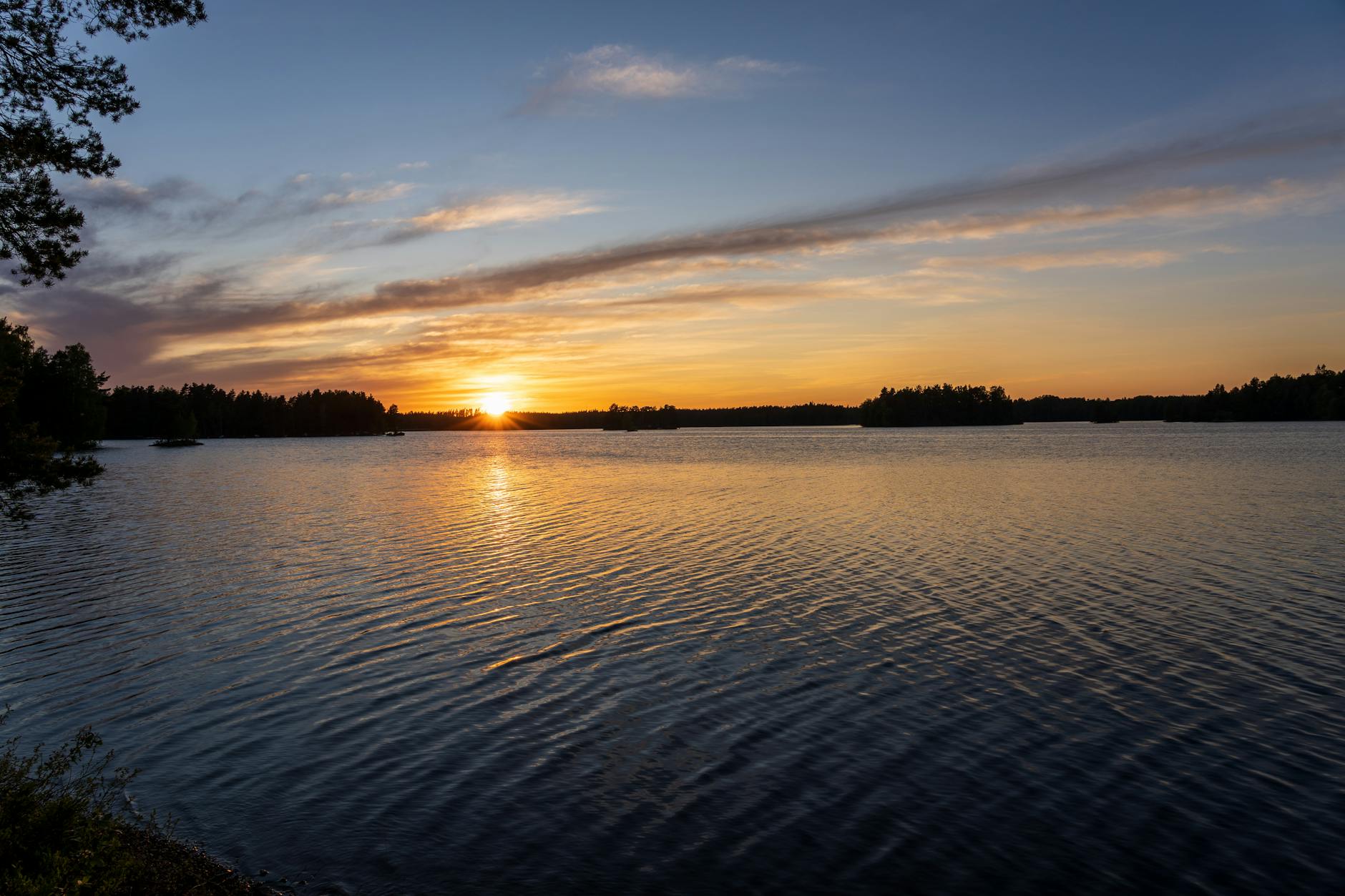
Stockholm sits at about 59.3° N — not far south of Anchorage, Alaska, at about 61.2° N — which alone explains the drama of its seasons. The table gives average highs and lows (1991–2020 normals), rain days (days with at least 0.1 mm of precipitation), approximate average daylight for each month of 2026, and crowd levels. Treat these as typical rather than guaranteed, and confirm anything time-sensitive closer to your trip.
| Month | High / Low | Rain days | Daylight | Crowd level |
|---|---|---|---|---|
| January | 1.0 / -2.9°C (34 / 27°F) | 15.9 | 7h 02m | Low |
| February | 1.2 / -3.2°C (34 / 26°F) | 14.0 | 9h 15m | Low |
| March | 4.7 / -1.1°C (40 / 30°F) | 12.9 | 11h 51m | Low |
| April | 10.7 / 2.6°C (51 / 37°F) | 10.7 | 14h 32m | Medium-low |
| May | 16.5 / 7.1°C (62 / 45°F) | 10.8 | 17h 02m | Medium |
| June | 20.8 / 11.6°C (69 / 53°F) | 12.9 | 18h 29m | High |
| July | 23.6 / 14.8°C (74 / 59°F) | 12.4 | 17h 44m | Peak |
| August | 22.1 / 14.2°C (72 / 58°F) | 13.2 | 15h 27m | Peak |
| September | 16.6 / 10.2°C (62 / 50°F) | 12.0 | 12h 50m | Medium |
| October | 10.1 / 5.5°C (50 / 42°F) | 15.0 | 10h 10m | Medium-low |
| November | 5.4 / 1.9°C (42 / 35°F) | 17.0 | 7h 41m | Low |
| December | 2.5 / -1.2°C (37 / 30°F) | 18.2 | 6h 14m | Medium (holiday) |
Month-by-month Stockholm travel guide
January — quiet, snowy and cheap
Weather: 1.0 to -2.9°C, often snowy · Daylight: about 7h 02m · Crowd: low · Hotels: well below summer rates
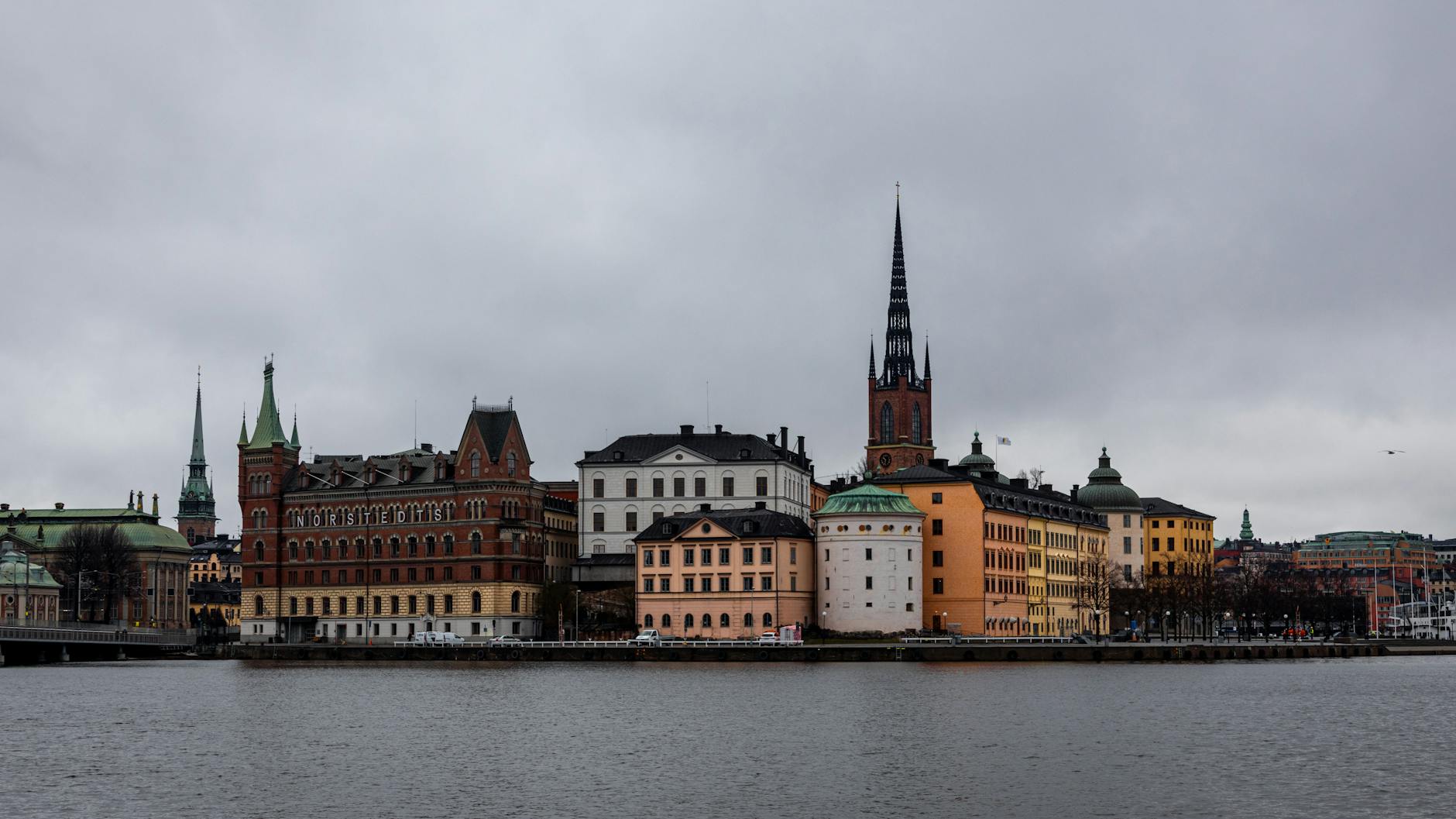
January is Stockholm at its most atmospheric — snow-dusted cobbles in Gamla Stan, empty museums, and the winter dark broken by strings of lights over Drottninggatan, which start coming down from mid-January. Evenings belong to candlelit restaurants and the Swedish art of mys (cosiness). It’s ideal for museum-lovers, photographers and budget travellers, and a poor fit if you need long days or want the archipelago, whose ferries mostly go dormant. Skate for free at Kungsträdgården in your own skates (hire is 100 SEK an hour for adults, 50 SEK for under-20s), take the Vasa Museum and Fotografiska on quiet weekdays, and warm up with fika at Vete-Katten. For the full picture, see Stockholm in January.
February — lengthening light, semla season
Weather: 1.2 to -3.2°C, often snow · Daylight: about 9h 15m · Crowd: low
February’s daylight is already dramatically longer than January’s — the phrase ljuset kommer tillbaka (the light is coming back) really means something here. Cardamom-and-cream semla buns fill every bakery through to Easter, and outdoor lakes freeze hard enough for skating when conditions allow. It’s a lovely, cheap, low-key month; our Stockholm in February guide has the detail.
March — sunlight returns, shoulder begins
Weather: 4.7 to -1.1°C, the driest month (about 27 mm of precipitation) · Daylight: about 11h 51m · Crowd: low to medium
March is Stockholm’s driest month and one of its best-kept secrets: snow lingers, the sun turns genuinely warm by month’s end, and flights and hotels stay cheap. When Easter falls late, Påsk witch decorations appear in windows and children trick-or-treat for sweets on Maundy Thursday. More in Stockholm in March.
April — blossom, Culture Night and the first patio lunches
Weather: 10.7 to 2.6°C · Daylight: about 14h 32m · Crowd: medium-low
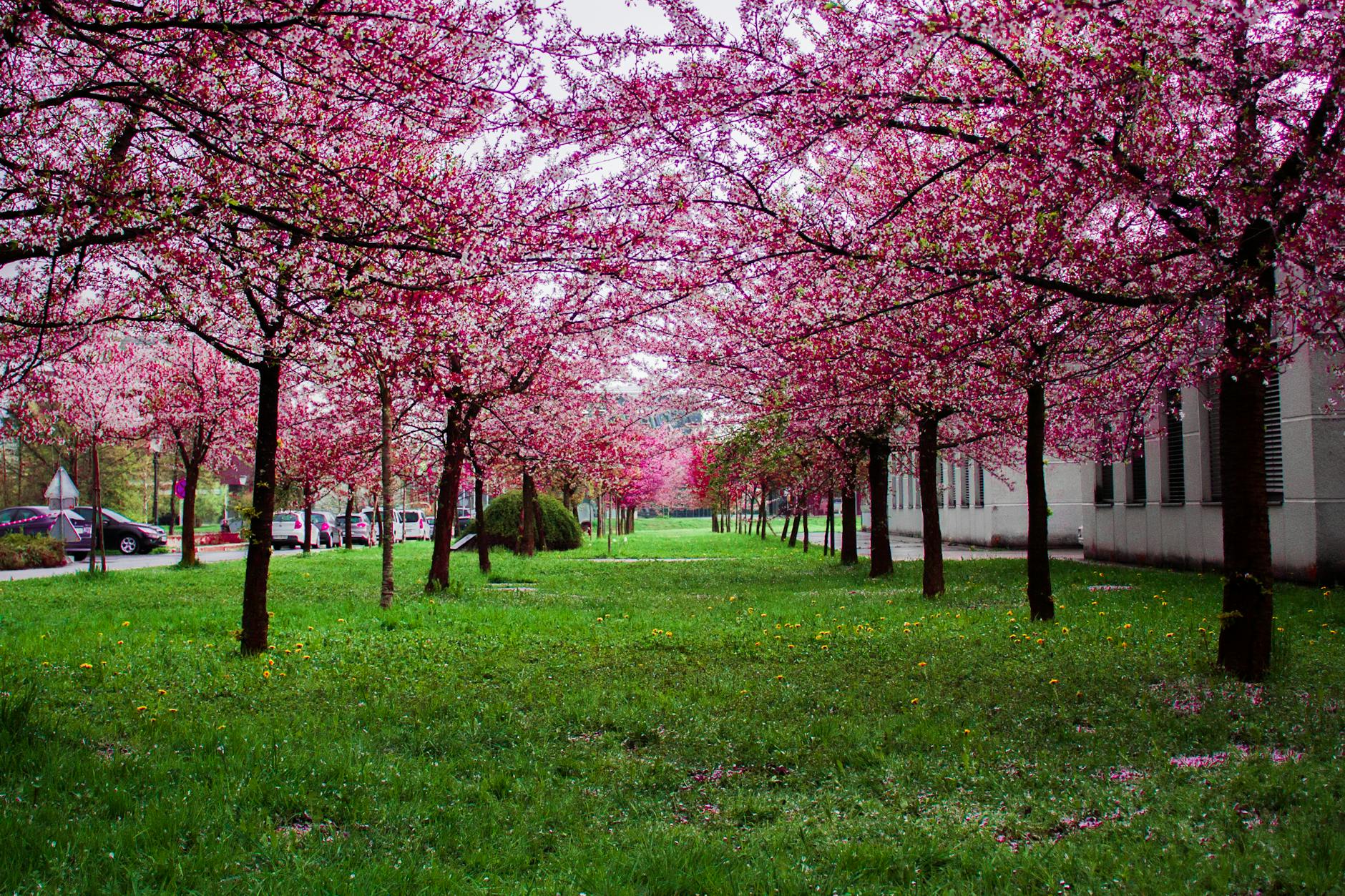
April is when the city visibly wakes up. The cherry blossom in Kungsträdgården usually comes out in late April, though the timing shifts with the weather, pulling locals out for photos and picnics. Café terraces reopen too. Boats to Vaxholm run all year with Waxholmsbolaget, while Strömma’s Fjäderholmarna boats don’t start again until May. The standout event is Stockholm Culture Night (Kulturnatt), next on Saturday 24 April 2027 from 18:00 to midnight, when the participating museums and galleries open their doors for free — the best single evening to sample the city’s cultural scene. Check the programme on the Kulturnatt site nearer the date. See Stockholm in April.
May — the sweet-spot month
Weather: 16.5 to 7.1°C · Daylight: about 17h 02m · Crowd: medium · Hotels: cheaper than peak summer
If I had to pick one month, it would be May: long days, real green leaves, blossom lingering into the first week, terrace seating everywhere and every major attraction open — all without July’s crowds or prices. The sea is still too cold for most swimmers, but every other summer activity is back. Full detail in Stockholm in May.
June — white nights and Midsummer
Weather: 20.8 to 11.6°C · Daylight: about 18h 29m · Crowd: high · Hotels: book early
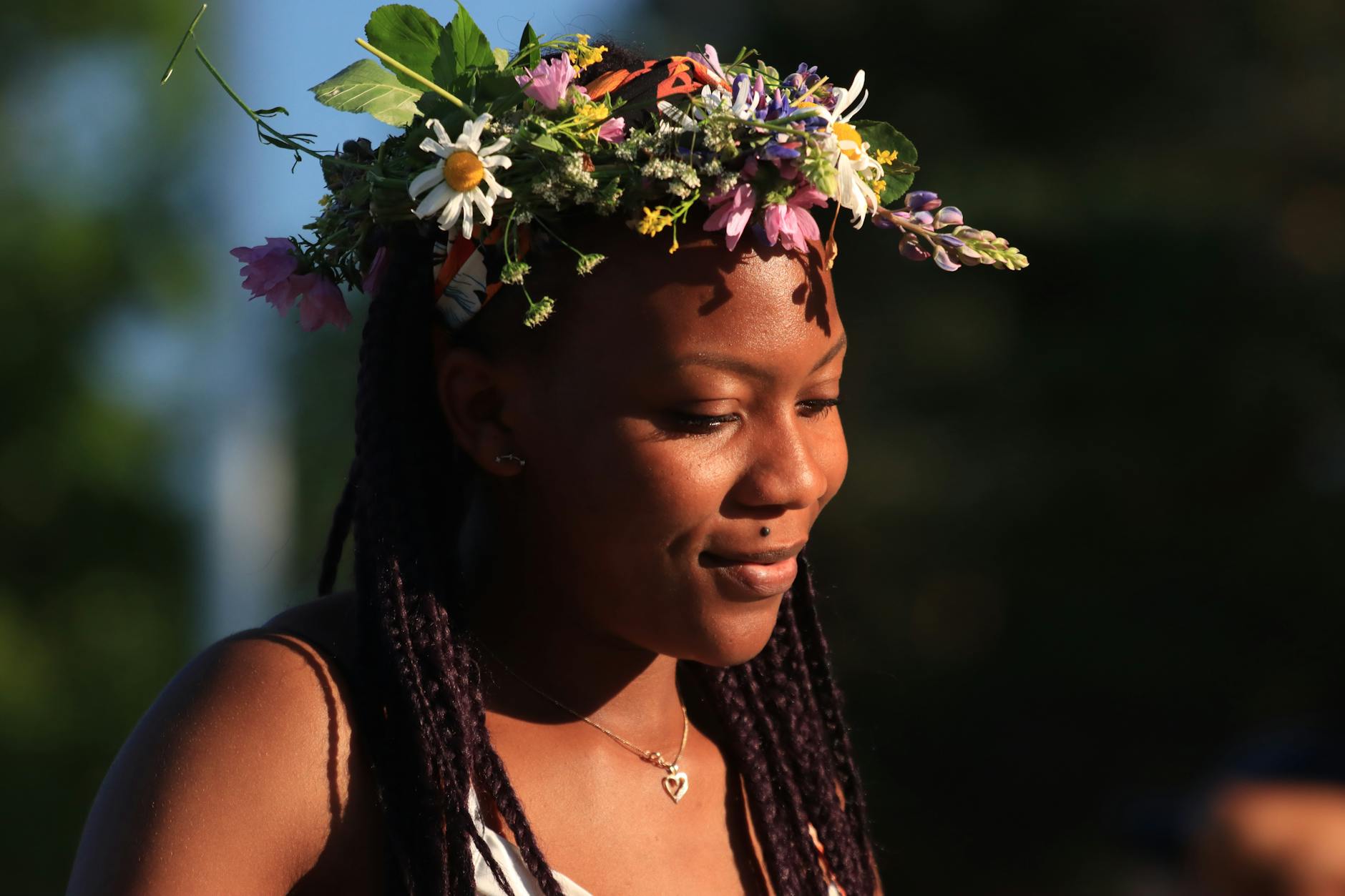
June is when the city hits its stride: the Baltic warms just enough for brave swimmers, the archipelago looks its best, and the sun rises before 04:00 and sets between about 21:49 and 22:08. One big caveat — around Midsummer’s Eve (next on Friday 25 June 2027), Stockholm empties as locals flee to the archipelago and summer houses. Expect reduced service from Thursday afternoon to Monday, with many restaurants shut and transport on a holiday timetable; the best place to celebrate in town is Skansen. Our Stockholm in June and Midsummer guide covers how to plan around it, and if the endless light is what draws you, see midnight sun in Stockholm.
July — peak season, peak crowds
Weather: 23.6 to 14.8°C · Daylight: about 17h 44m · Crowd: peak · Hotels: reserve well ahead
July is the warmest and busiest month, and a curious paradox: with locals away on their four-week semester, weekdays can feel oddly empty (many neighbourhood restaurants close), yet weekends and big sights like the Vasa and ABBA museums are packed with visitors. This is the month for a proper swim at city bathing spots such as Långholmen and Smedsuddsbadet, and the summer ferries run at full frequency. Stockholm Pride, which bills itself as the largest Pride festival in the Nordic countries, runs from 2 to 8 August in 2027. More in Stockholm in July.
August — festivals and warm evenings
Weather: 22.1 to 14.2°C · Daylight: about 15h 27m · Crowd: peak until mid-month, then easing
August is arguably the best-balanced summer month — a touch cooler than July, slightly quieter, full of festivals, and with water still warm enough to swim. After the 15th, crowds thin noticeably as Swedes return to work and school. The highlight is the Stockholm Culture Festival, free and spread across the central squares, which returns in August 2027; the city publishes the exact dates on the festival’s site. Full guide: Stockholm in August.
September — shoulder gold
Weather: 16.6 to 10.2°C · Daylight: about 12h 50m · Crowd: medium · Hotels: down from summer levels
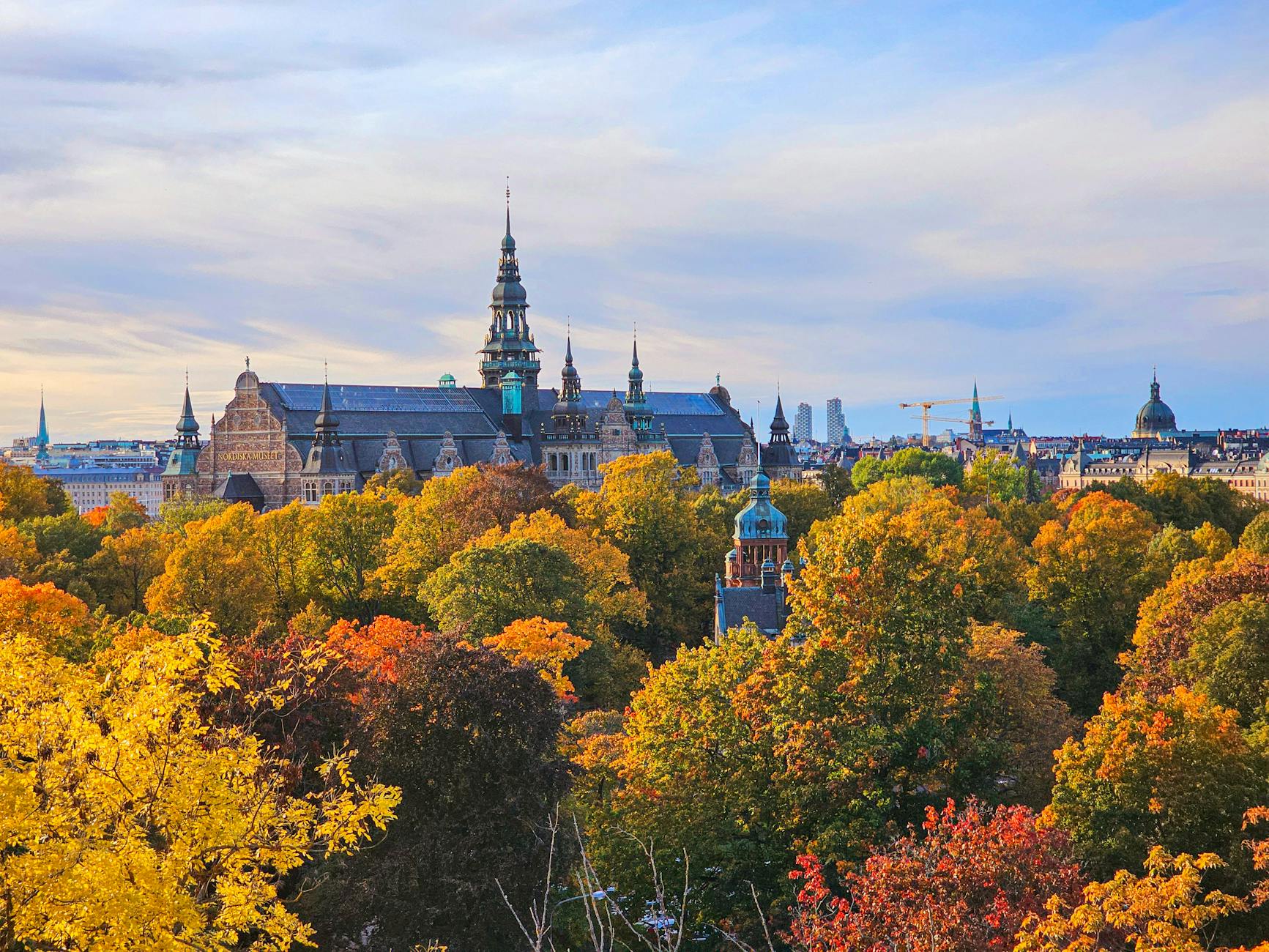
September is many locals’ favourite month. The crowds thin out, the leaves turn gold, and there’s still enough warmth for long terrace lunches. Waxholmsbolaget’s archipelago boats keep running, but island restaurants start closing for the season, so check that the one you have in mind is still open before you sail out. Mushroom-foraging day trips and late crayfish parties (kräftskiva) round out the season. See Stockholm in September.
October — last warm days, then a quick descent
Weather: 10.1 to 5.5°C · Daylight: about 10h 10m · Crowd: medium-low
Early October still offers leaf-peeping and passable afternoon warmth; the last fortnight turns grey, wet and noticeably darker once the clocks change on 25 October 2026. Most archipelago services wind down by mid-month. It’s a quiet, moody, affordable time to be in the city — detailed in Stockholm in October.
November — the darkest month
Weather: 5.4 to 1.9°C, often rainy · Daylight: about 7h 41m · Crowd: low
November is Stockholm’s least-loved month: dark, damp and cold, without the compensations of snow or holiday lights (those arrive once Advent begins on 29 November). It is, however, the single cheapest time to visit, and a fair choice for budget travellers planning to spend most of the trip in museums, cafés and restaurants. The Stockholm International Film Festival (11–22 November 2026) is the month’s cultural anchor. More in Stockholm in November.
December — Christmas markets and Lucia
Weather: 2.5 to -1.2°C · Daylight: about 6h 14m · Crowd: medium through the holidays
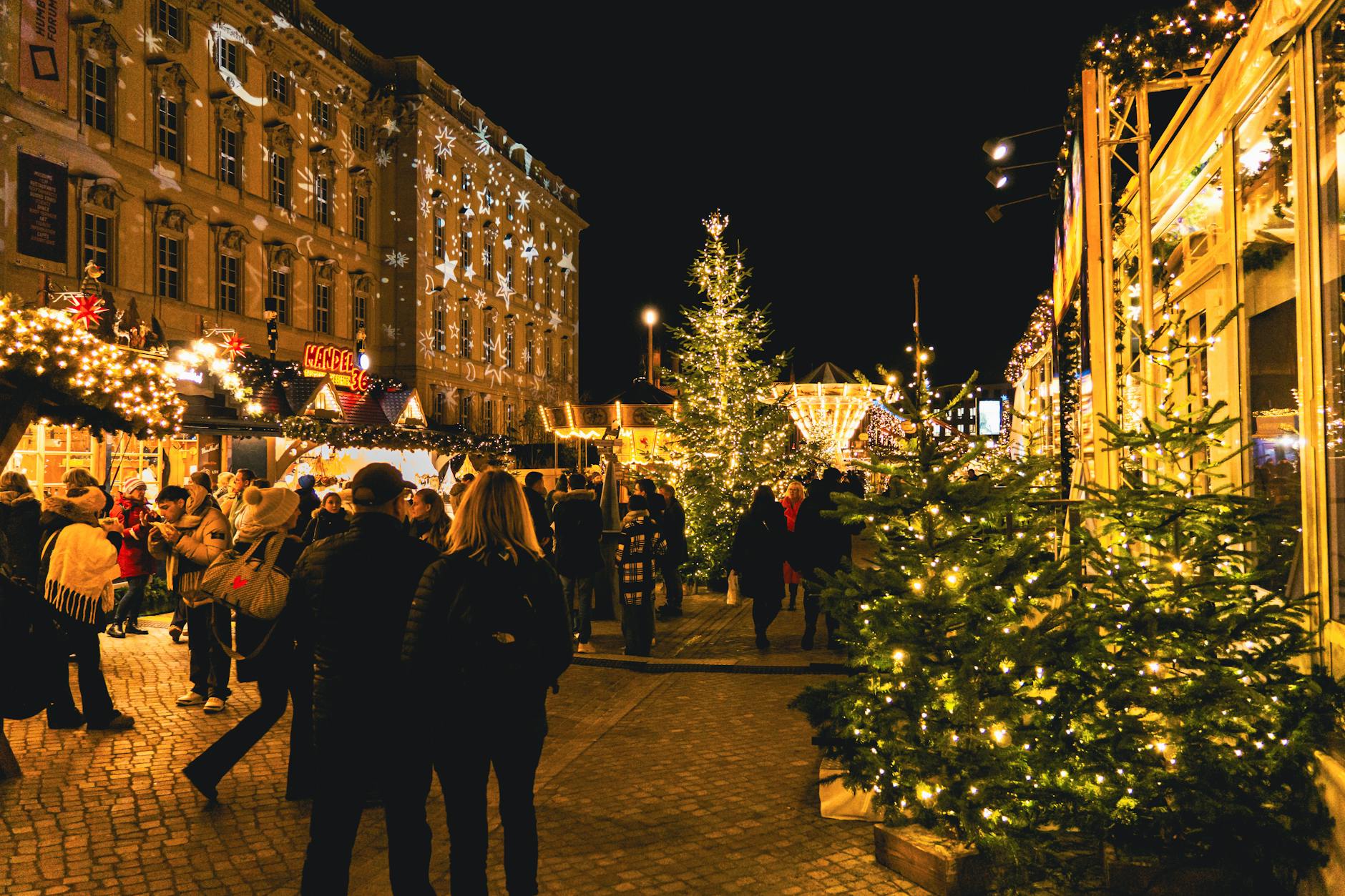
December transforms the city. The first Advent candle (29 November) lights up a season of Christmas markets, glögg and window displays. The essentials: the Skansen Christmas Market, held since 1903 and open Fridays to Sundays from 27 November to 20 December 2026; the Gamla Stan market at Stortorget, whose 2026 dates haven’t been announced yet; and Lucia Day on 13 December, when candlelit processions fill churches and workplaces before dawn — Storkyrkan is the traditional venue. Note that Swedes celebrate on Christmas Eve, the 24th, when most restaurants and attractions close for the day. Everything you need is in Stockholm in December.
When to visit for specific experiences
For the Northern Lights
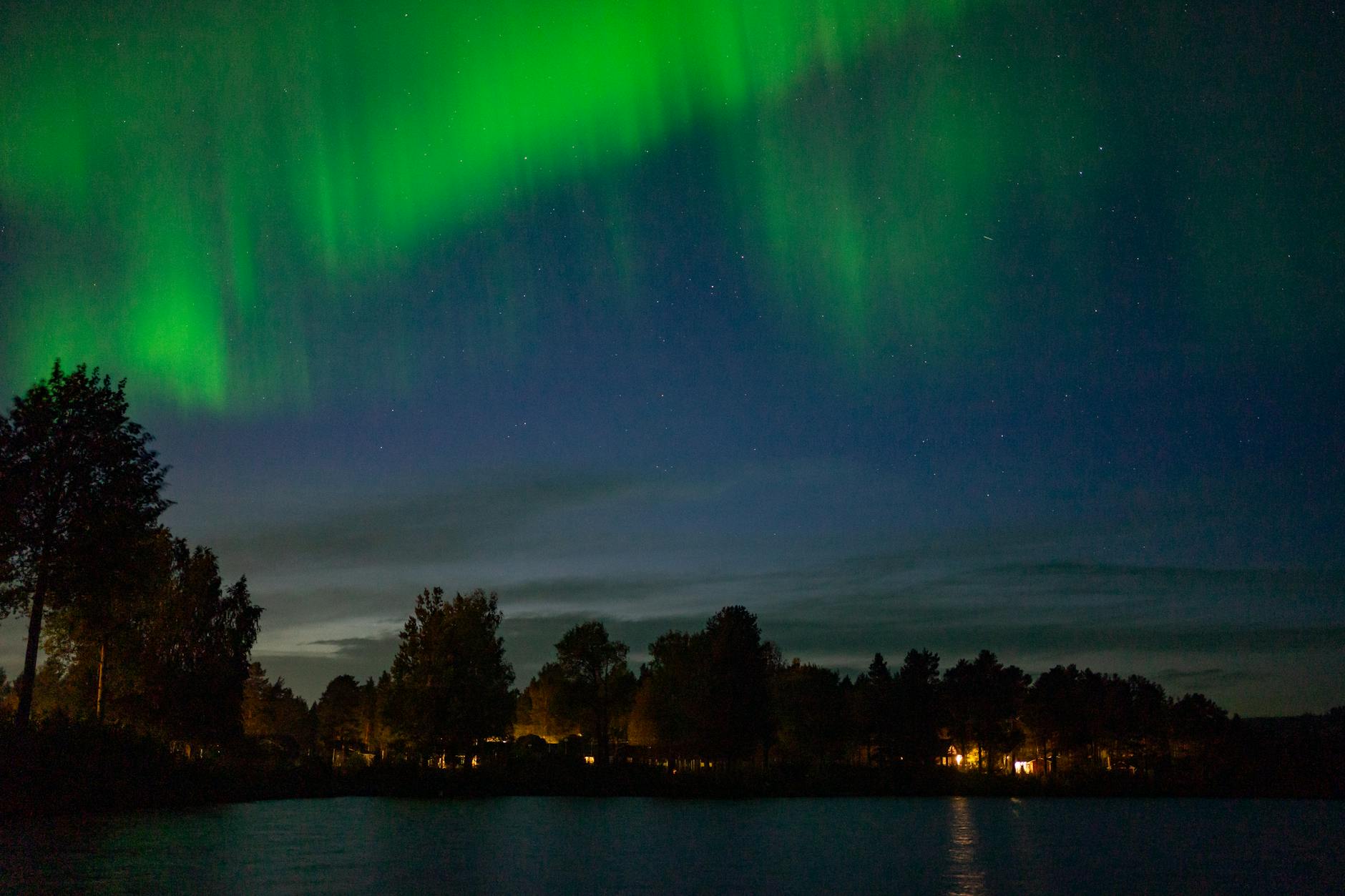
Be realistic. At 59° N and heavily light-polluted, Stockholm sees the aurora only occasionally, mostly during strong geomagnetic storms and from spots away from the city lights. Real aurora tourism happens far to the north in Abisko, in Swedish Lapland, where the viewing season runs from late August to mid-April. Treat Stockholm as a two-day city leg of a bigger Lapland trip if that’s the goal — we lay out the odds in can you see the Northern Lights from Stockholm?
For the archipelago
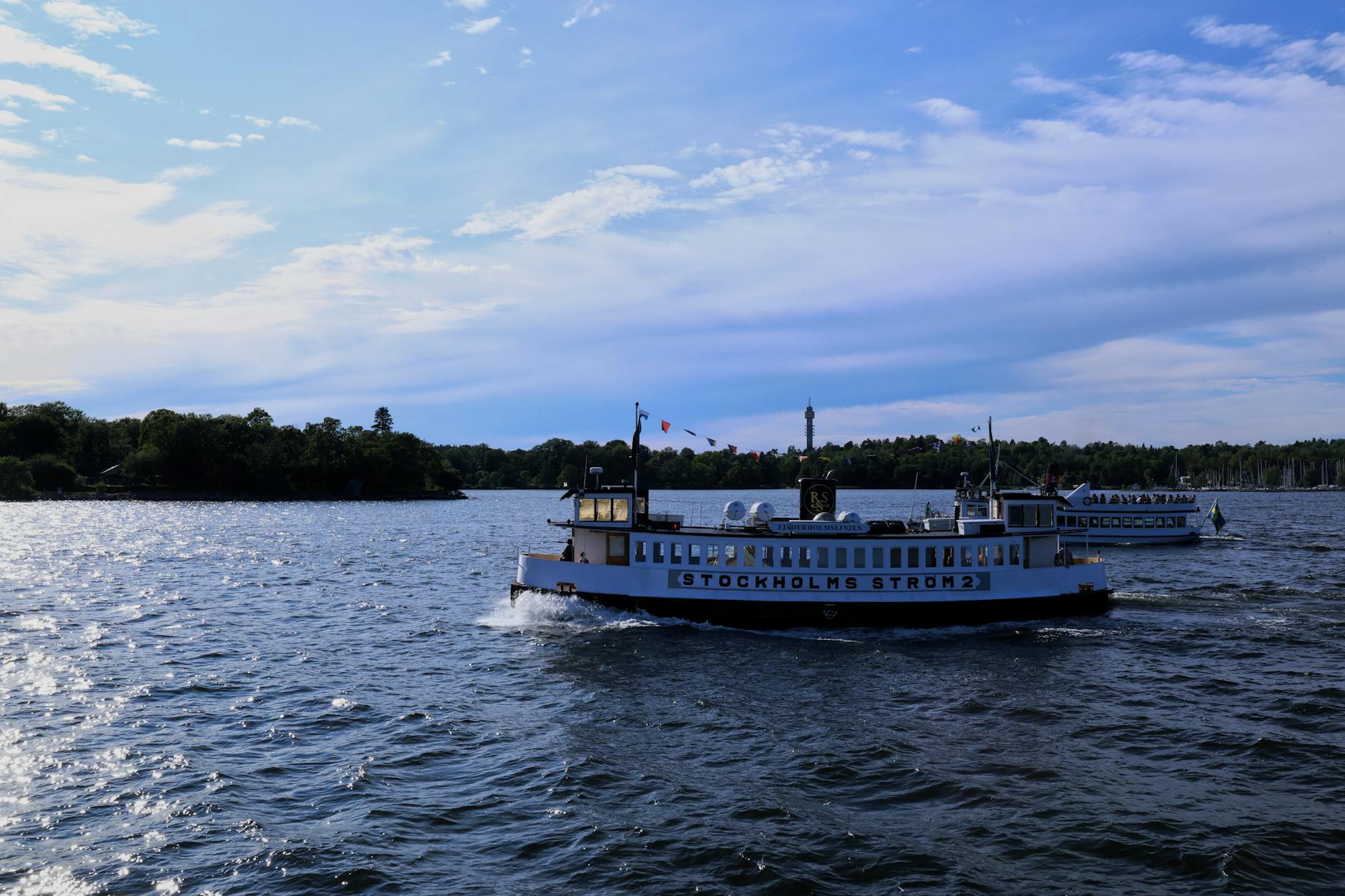
Mid-June to mid-August, when ferries are frequent, restaurants are open and you can swim. Mid-May to mid-June and September are beautiful, quieter alternatives — just pack a warm jacket.
For Midsummer
Friday 25 June 2027. Book accommodation and train tickets at least two months ahead.
For Christmas markets
From the last weekend of November to the third weekend of December. Skansen’s market opens Fridays to Sundays from 27 November to 20 December 2026; the Gamla Stan market’s 2026 dates haven’t been announced yet. Neither is worth saving for the week of Christmas itself.
For the lowest prices
January to early March (outside the holiday week) and November. Hotels cost far less than at the summer peak, and tables at popular restaurants are much easier to get.
For long daylight (white nights)
10 June to 5 July is the peak, with sunset after 22:00 and twilight lasting past midnight — it’s genuinely easy to lose track of the hour.
For Swedish food at its best
June for strawberries, asparagus and new potatoes; August for crayfish; December for the julbord Christmas buffet. Each summer week brings a new specialty, while winter is when the traditional dishes really shine.
Festivals and events: the year’s highlights
These are the next confirmed or traditional dates — always double-check the official site before you commit:
- Kulturnatt (Culture Night) — Saturday 24 April 2027, 18:00–midnight
- Stockholm Marathon — Saturday 29 May 2027
- National Day — Sunday 6 June 2027
- Midsummer’s Eve — Friday 25 June 2027
- Stockholm Pride Week — 2–8 August 2027
- Stockholm Culture Festival — August 2027, free (exact dates on the city’s festival site)
- Stockholm International Film Festival — 11–22 November 2026
- First Advent — Sunday 29 November 2026 (Skansen’s Christmas market opens two days earlier, on 27 November)
- Nobel Prize Day — Thursday 10 December 2026
- Lucia Day — Sunday 13 December 2026
- Christmas Eve (Swedish Christmas) — Thursday 24 December 2026
Practical planning tips
Book summer early. Hotels can sell out two to three months ahead for June through August, and archipelago lodging for July weekends often goes by March.
Layer for every season. Even July evenings on the water turn cool, so pack a warm layer and a windproof shell whatever the month.
Watch the July shutdown. With most Swedes taking four straight weeks off, many small restaurants and shops close entirely, though the major attractions stay open. Plan dinners around places you’ve checked are open.
Check Swedish holidays. Midsummer, All Saints’ Day, Christmas Eve and New Year’s Day are the most disruptive — transport runs at holiday frequency and supermarkets often close by midday.
Book the expensive things first. Long daylight is free, but dinner reservations, ferry tickets and archipelago rooms get scarce and pricier in high summer. Lock those in, then build the cheaper days around them.
If your dates are flexible, look at the events calendar before you decide. Midsummer in June, the free Culture Festival in August, and the December run of Christmas markets, Nobel Week Lights and Lucia all change the character of the city. Our Stockholm events and festivals calendar has every major event month by month, with the next dates.
Best time to visit Stockholm by traveller type
The ideal month shifts depending on who you are and what you’re optimising for, so here’s how I’d steer different travellers.
- First-timers who want the postcard version: early June or the first half of September — warm enough, long evenings, everything open, and crowds you can live with.
- Families with children: late June to August, when the water is swimmable, the archipelago ferries run at full tilt, and outdoor attractions like Skansen and Gröna Lund are in full swing. Just book well ahead and expect peak prices.
- Couples after atmosphere: May for blossom and light without the crowds, or December for Lucia, glögg and snow-dusted Gamla Stan. Both photograph beautifully and feel romantic in very different ways.
- Budget travellers: January to early March and November, when hotel rates drop and restaurants that are hard to book in summer have tables free. Bring proper winter clothing and plan an indoor-leaning trip.
- Photographers: late June for the white nights and hours-long golden light, or a snowy January week for the opposite extreme — low, soft winter sun over the old town.
- Foodies: August for crayfish season and the harvest, or December for the traditional julbord spread; both are when Swedish cooking is at its most characterful.
If none of those pin you down, default to the all-rounder answer — the first two weeks of June or the first three weeks of September rarely disappoint anyone.
Frequently asked questions
What is the best month to visit Stockholm?
June or September, for the best balance of weather and value. June brings peak daylight (about 18.5 hours), 20°C warmth and everything open for summer. September keeps the long evenings and mild weather, and hotel prices come down from their summer highs.
When is the cheapest time to visit Stockholm?
November and January (outside the Christmas–New Year week). Hotel rates sit well below their summer levels, and flights are often cheaper too. The trade-off is dark, cold days and short daylight.
Is Stockholm expensive to visit?
Yes. Budget roughly 200–350 SEK for a casual lunch, 150–200 SEK for dinner cocktails, and 2,000-plus SEK a night for a mid-range hotel, with summer peaks pushing those figures 25–50% higher. Food halls and the tap water (excellent, and free on request) help keep costs down.
How many days do you need in Stockholm?
Three days covers the essentials for a first visit; five lets you add a day trip and an archipelago overnight; seven lets you explore at a local’s pace. Whatever your length, build the trip around the weather — aim for June or September if you have any flexibility.
Is it dark all winter in Stockholm?
Dark, but not 24-hour dark like northern Lapland. December has about six hours of daylight, the sun rises, just low and briefly. By February you’re back to around nine hours, and the light noticeably lengthens week by week.
Can you see the Northern Lights in Stockholm?
Rarely. Stockholm is too far south and too light-polluted for regular aurora, though strong solar storms occasionally bring a display you can see from dark spots outside the city. For much better odds, head to Abisko in Swedish Lapland, far to the north, where the viewing season runs from late August to mid-April.
When is Midsummer in Stockholm?
Midsummer’s Eve is always the Friday between 19 and 25 June, falling on Friday 25 June in 2027. Most of the city empties out and central Stockholm goes quiet, so if you’re staying in town the best public celebration is the traditional maypole dancing at Skansen.
When is the best time for Stockholm’s Christmas markets?
Late November to mid-December. Skansen’s market runs Friday to Sunday from 27 November to 20 December 2026, opening two days before First Advent. For the Gamla Stan market at Stortorget, the 2026 dates haven’t been announced yet. Don’t leave either until the last days before Christmas.
Is Stockholm worth visiting in winter?
Yes, if you like cold cities. December is magical for Lucia and the markets, and January and February are quiet, snowy and atmospheric — but you’ll need serious winter clothing. I’d avoid November, which brings the darkness and damp without the festive charm to balance it.
Does it rain a lot in Stockholm?
About 546 mm a year, with more of it falling in the second half of the year. At the Observatorielunden station, the 1991–2020 averages make August the wettest month (about 66 mm) and March the driest (about 27 mm). Expect a mix of sunshine and passing showers in any month, and pack a light waterproof accordingly.
Verdict: pick your trade-off
Everyone will tell you summer is the best time to visit Stockholm, but June and September quietly beat July and August on almost every measure — long days, open services, manageable crowds, better prices. If you’re flexible, target the first two weeks of June or the first three weeks of September.
Locked into winter? Make it December for Lucia and the markets, or March for snow plus the first real daylight, and steer clear of late October and November unless you’re on a tight budget and don’t mind grey skies. Whenever you land, lean on our month-specific guides above to fine-tune the details — that’s exactly what they’re there for.