ABBA Museum Stockholm: Tickets, Tips & What to Expect (2026)
ABBA Museum Stockholm — tickets, hours, what to see. Original costumes, karaoke, holograms.
Walk in expecting a stuffy display of old costumes and you’ll be wrong within about ninety seconds — the ABBA Museum hands you a mic, a dance floor and a hologram stage, and dares you not to enjoy yourself. It’s the official museum of one of Sweden’s most internationally successful pop groups, out on the green island of Djurgården, and it opened in May 2013 with the band’s blessing. Expect original stage costumes and instruments alongside genuinely fun interactive stuff: karaoke booths, a disco floor, and holograms that put you on stage with the group. Below: tickets, hours, how to get there, and how to do it well.
Book a timed slot in advance — this is a small museum that sells out same-day in summer — and treat prices and hours as approximate, since the museum uses demand-based pricing and shifts its hours by season. For where it fits among the city’s other big-hitters, see our wider Stockholm museums and top attractions guide.
ABBA Museum essentials
| Address | Djurgårdsvägen 68, 115 21 Stockholm (Djurgården) |
| Hours | Daily, roughly 10:00–18:00; extended to about 20:00 in summer (Jun–Aug). Varies by month — check the official site |
| Adult ticket | 269–349 SEK in 2026, depending on the time period; booking online is cheapest |
| Concessions | Students (with ID) 229–299 SEK; children 7–15 129–169 SEK; under 7 free; family ticket (two adults and one or two children aged 7–15) 639–839 SEK |
| City passes | Included with Go City / Stockholm Pass |
| Time needed | Around 1½–2 hours |
| Booking | Timed entry; buy ahead — same-day slots sell out in summer |
One thing worth flagging up front: the ABBA Museum prices its adult tickets dynamically, so the exact figure moves with the date and demand rather than sitting at one fixed number. The band and management have been open about that. Always confirm the current price and opening times on the museum’s own website before you go — the ranges above are a guide, not a quote.
What you’ll see at the ABBA Museum
The exhibits cover the band’s 1972–82 heyday, but the pull is how much of it you can actually do rather than just look at.
The costumes and instruments
This is the core for any fan: original stage outfits, including the glittery jumpsuits, the platform boots, and the Eurovision 1974 costumes ABBA wore when they won with “Waterloo.” Alongside them sit original instruments and equipment, including Benny’s piano, Björn’s guitars and a mixing desk, in a recreation of Polar Studio, which opened in 1978 and was used for ABBA’s later recordings.
The karaoke booths
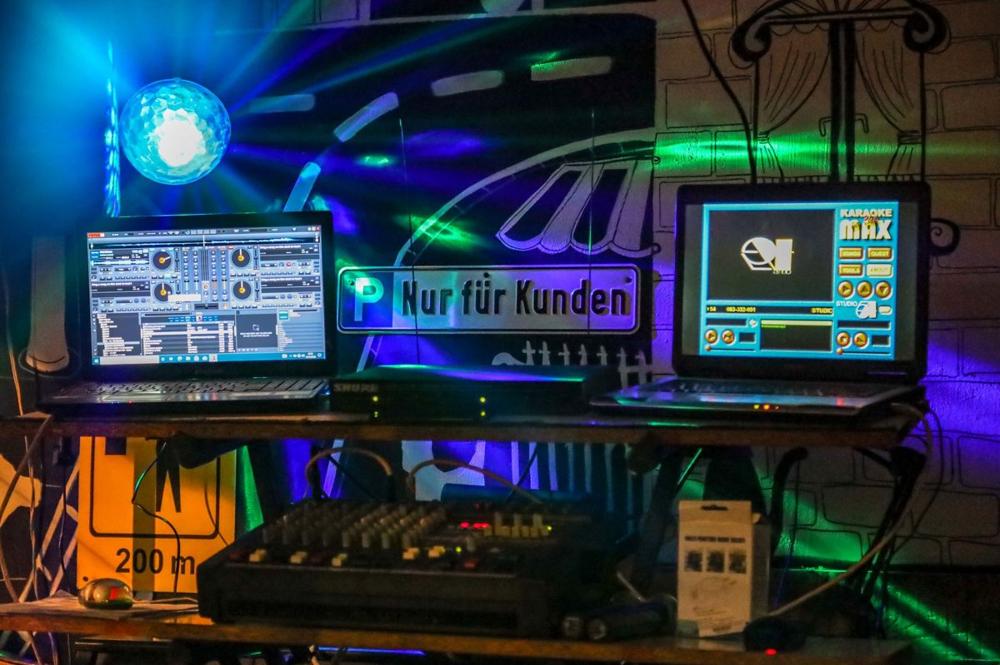
My favourite bit, and the one everyone talks about afterwards. You step into the Polar Studio, pick an ABBA track, and belt it out. The booth time is included in your ticket. Have your song picked before you go in, or you’ll dither.
The disco floor and holograms
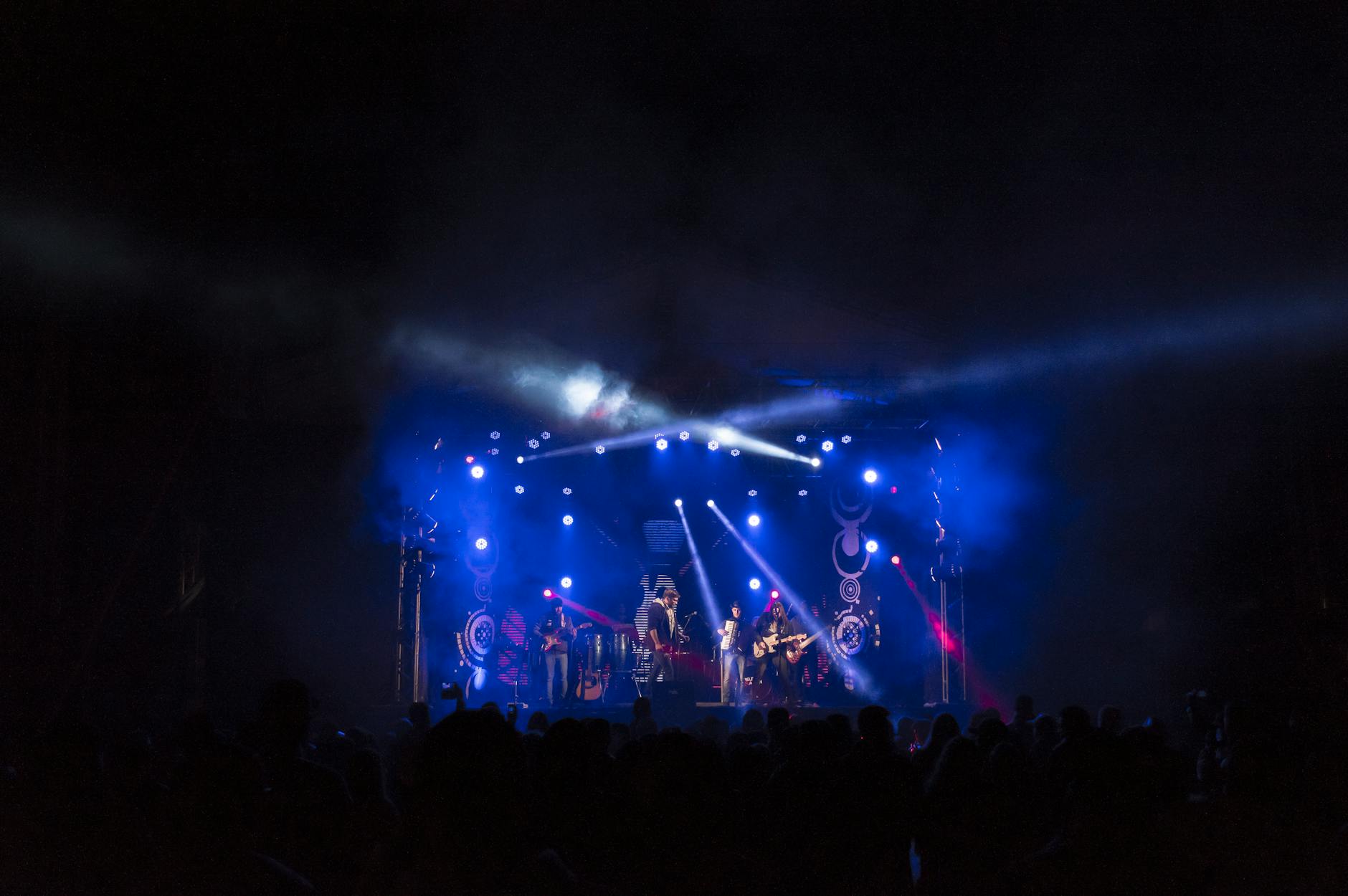
There’s a lit-up disco dance floor pumping ABBA hits — wear shoes you can move in, because you will — and hologram performances that recreate the group on stage. If the technology feels familiar, it’s cousins with the “ABBA Voyage” avatar concerts running in London. Building that concert is what inspired the band to record again, and the 2021 album “Voyage” followed.
The personal stories and the wider context
Between the set-pieces are photo galleries and personal items from all four members — Agnetha Fältskog, Björn Ulvaeus, Benny Andersson and Anni-Frid Lyngstad — plus rooms on the “Mamma Mia!” musical and films. ABBA’s manager Stig Anderson also founded the Polar Music Prize in 1989, with the aim of awarding it annually.
How to get to the ABBA Museum
It sits on Djurgården right next to the Gröna Lund fairground, and it’s an easy hop from the centre.
- Tram 7 (easiest): catch it near the centre and ride out to Djurgården; get off at Liljevalchs/Gröna Lund.
- Djurgården ferry: a lovely approach from Slussen or Skeppsholmen; get off at Allmänna gränd and walk to the museum.
- Bus 67: runs out from the central area if the tram doesn’t suit.
- On foot or by bike: the route from the centre follows the waterfront via Strandvägen and the Djurgårdsbron bridge.
Because it’s a short stroll from the Vasa Museum, most people pair the two — read our Vasa Museum Stockholm guide for that half of the day, and combined ABBA-plus-Vasa tickets are usually cheaper than buying separately.
Best time to visit — and how to skip the crowds
This is a compact space, so it feels busy fast. Aim for a weekday afternoon after 14:00, or roll in from about 16:00 when the coach and cruise crowds thin out. Summer brings extended hours, and the museum itself says most guests come between 10:00 and 15:00, so the early and late slots are calmer. Winter visits are quieter and, frankly, the warmth is welcome after the walk over. Whenever you go, online ticket holders use a priority entrance, which saves a wait.
Is the ABBA Museum worth it?
For fans, unequivocally — the original costumes and studio recreations alone justify the trip, and the karaoke is a proper thrill. For casual visitors and families it’s a more interesting call, and I’d still lean yes: the disco floor and holograms land even if you couldn’t name a deep cut, and kids adore the whole thing regardless of whether they know the songs. The one caveat is the price for what is a fairly short visit, so go in planning to actually use the interactive stuff rather than drift through — that’s where the value is. If you’re building a photo-led itinerary, it’s also one of the more photogenic stops in the city, between the outfits, the light shows and that dance floor. And if modern art is more your thing, its Djurgarden neighbour Moderna Museet makes an easy pairing.
Practical tips for your visit
- Allow two hours. With the interactive elements, 1½–2 hours is realistic; rush it and you miss the point.
- Photography is fine throughout, though flash is restricted in some interior areas.
- It’s fully wheelchair accessible.
- There’s a café and a very ABBA gift shop on site if you want a break or a souvenir.
- Make a day of Djurgården. Skansen, the Nordic Museum, Junibacken and Gröna Lund are all nearby on Djurgården — our Skansen open-air museum guide covers the biggest of them.
Frequently asked questions
How much does the ABBA Museum cost?
Adult tickets vary by time period, and in 2026 they cost 269–349 SEK. Students with ID pay 229–299 SEK, children 7–15 pay 129–169 SEK, and under-7s go free; a family ticket for two adults and one or two children aged 7–15 costs 639–839 SEK. Because prices move, confirm the exact figure on the official ABBA Museum site when you book.
How long do you need at the ABBA Museum?
Plan for around 1½ to 2 hours. The interactive content — karaoke booths, the disco floor, hologram performances — stretches the visit well beyond a quick walk-through, and the karaoke queues can add time in peak season. If you’re a serious fan, lean towards the longer end.
Is the ABBA Museum worth visiting?
Yes for fans, thanks to the strong collection of original costumes, instruments and studio recreations. It’s also a fun stop for casual visitors and families, because the disco floor and holograms entertain even if you don’t know every hit. Just go planning to use the interactive elements — that’s where the value lies.
How do you get to the ABBA Museum?
The easiest route is tram 7 from the central area out to Djurgården, getting off at Liljevalchs/Gröna Lund. You can also take the Djurgården ferry from Slussen to Allmänna gränd, or catch bus 67 to the same stop as the tram. It sits next to the Gröna Lund fairground.
Is the ABBA Museum included in the Stockholm Pass?
Yes — both the Go City / Stockholm Pass products include entry to the ABBA Museum. If you’re visiting several paid attractions in a short trip, a pass can work out cheaper, but do the maths against the museum’s current ticket price, as dynamic pricing can narrow the saving.
Can you record your own ABBA song?
Yes. Recording booth access is included in your admission, so you can step in and sing an ABBA track. Pick your song before you enter so you don’t waste booth time deciding.
Is the ABBA Museum kid-friendly?
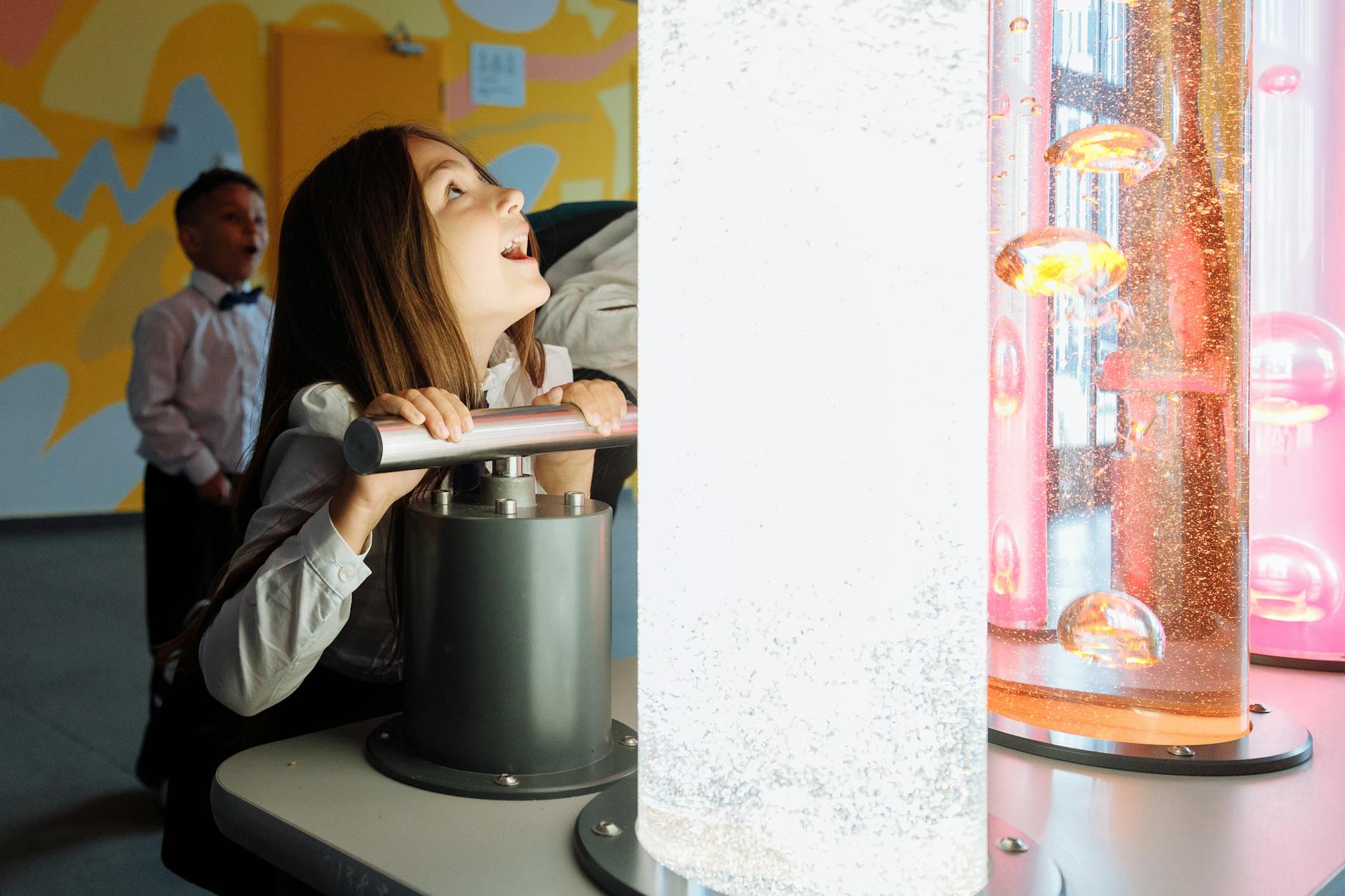
Very. The disco dance floor, karaoke and hologram performances engage children regardless of how well they know the music, and it’s fully accessible. Children aged 7–15 pay a reduced rate and under-7s are free, with family tickets available, so it’s a manageable family outing on Djurgården.
Where is the ABBA Museum located?
At Djurgårdsvägen 68 on Djurgården island, right beside the Gröna Lund amusement park. Djurgården is the city’s museum island, so you can easily combine it with Skansen, the Nordic Museum or Junibacken in one visit.
Are ABBA members involved with the museum?
Yes. The museum opened in 2013 with the band’s involvement: all four members — Agnetha, Björn, Benny and Anni-Frid — take part in the audio guide, and the band contributed to the exhibition. That’s part of why the collection feels authentic rather than assembled second-hand.
What’s the best time to visit the ABBA Museum?
Weekday afternoons after 14:00 are quietest, and from about 16:00 the crowds noticeably thin. Summer brings longer opening hours, and the museum says most guests come between 10:00 and 15:00. Winter is calmer, if colder, and online tickets let you use the priority entrance.
Final thoughts
The ABBA Museum isn’t a place to admire from a respectful distance — it works best when you throw yourself into the karaoke and the dance floor and stop worrying about looking cool. Book a timed slot ahead, go in the late afternoon if you can, pair it with the Vasa Museum next door, and confirm the current price and hours before you leave. Do that and you’ll get far more out of it than the ticket costs.
Photo credits: hero image, stockholmtourism.org; music/recording detail, Boris Hamer on Pexels.