Is Stockholm Safe for Tourists? A Local’s Honest Guide
Is Stockholm safe? Honest 2026 take — actual statistics, real risks (small), perceived risks, neighborhood-by-neighborhood notes, scams to avoid, and what to do in an emergency.
Ask whether Stockholm is safe and you tend to get one of two stories: gang-shooting headlines or glowing “world’s happiest country” listicles. Here’s the honest, in-between version.
Is Stockholm safe? Yes — for tourists it’s generally very safe, one of the calmer capitals in Europe, with low levels of violent crime and English-speaking emergency services. The usual big-city caveats apply: watch for pickpockets in crowds, keep your wits about you late at night, and stick to the central districts you’d visit anyway. Nothing here should keep you home.
I’ve put this together for the anxious over-planner — the solo traveller, the woman travelling alone, the parent with a pram, the LGBTQ+ visitor, anyone who read the news and got nervous. If you’re still deciding on the trip itself, pair this with The Complete Stockholm Travel Guide, which covers the wider planning picture. Below I’ll walk through the genuine risks (small), the imagined ones (mostly inflated), and the practical habits that keep a visit uneventful.
Is Stockholm safe for tourists? The honest picture
On the numbers that matter — violent crime, murder, the sort of thing that would actually derail a holiday — Stockholm sits comfortably in the top tier of European capitals. It tracks close to Berlin and well below the big Mediterranean cities, and it’s a world away from the American cities travellers often use as a mental yardstick. I’d point you to Numbeo’s crime indices or your own government’s travel-advice page for the current figures, since rankings shift year to year, but the shape of it doesn’t change: this is a calm place to be a visitor.
The crime that does drive headlines — gang shootings, drug-related violence — is real, and it has been reported in Stockholm as well as Malmö and Gothenburg, though the risk to a visitor in the central tourist areas stays low. More on that lower down, because it deserves a straight answer rather than a shrug.
Here’s what you might actually run into:
Pickpocketing. This is the one to take seriously. The hotspots are predictable: T-Centralen (the main metro hub), Sergels torg, the H&M flagship queue on Drottninggatan, Gamla Stan’s busiest squares, Östermalms Saluhall, and any packed summer festival. Rates have crept up in recent years, but they’re still lower than what you’d meet in Barcelona, Rome or Paris. A cross-body bag worn in front handles most of it.
Bicycle theft. Rampant, though it rarely touches short-stay visitors. If you do hire a bike, lock it properly — a flimsy lock in central Stockholm is a countdown timer.
Phone snatching. Still uncommon but on the rise. The pattern is someone on an e-scooter drifting past a café terrace or bus stop and lifting a phone left on the table. Don’t leave yours face-up next to your coffee in summer and you’ve dodged it.
The clipboard scam. Someone — often working in pairs — approaches with a petition for a “deaf charity” and a pen. While you sign, a partner works your bag. It clusters around Sergels torg and the central station. A polite “no, thanks” and a step sideways ends it.
Dodgy taxis. Unmarked or non-metered cars will charge tourists several times the going rate. Book through a regulated firm — Taxi Stockholm, Taxi 020, Sverige Taxi, or app-based Bolt and Uber — and the problem disappears.
What you almost certainly won’t meet: violent street crime, muggings, or any organised targeting of tourists. The central tourist areas don’t feel like “don’t go there” districts, and the outer suburbs in the news are well away from anywhere a visitor would normally be. If you’re weighing the trip up at all, is Stockholm worth visiting makes the case beyond the safety question.
How Stockholm compares with other European capitals
I’ll resist quoting precise league-table numbers, because they change and the fake precision helps no one — but the broad ranking is steady enough to be useful:
Violent crime. Stockholm sits with the safest tier of European capitals — roughly alongside Vienna and Amsterdam, a touch behind Helsinki and Copenhagen, and clearly ahead of the major Mediterranean and Eastern European cities.
Pickpocketing. Low-to-moderate here. That’s markedly better than Barcelona or Rome (both notorious), better than Paris, and roughly on a par with Berlin or London.
Solo-female safety perception. Consistently high in traveller surveys — up with Copenhagen, and well above Paris, Madrid or Barcelona on the indices people cite most.
If you want to sanity-check any of this against live data, Numbeo and your national foreign-office advisory are the two sources I’d trust over any single blog’s numbers — mine included.
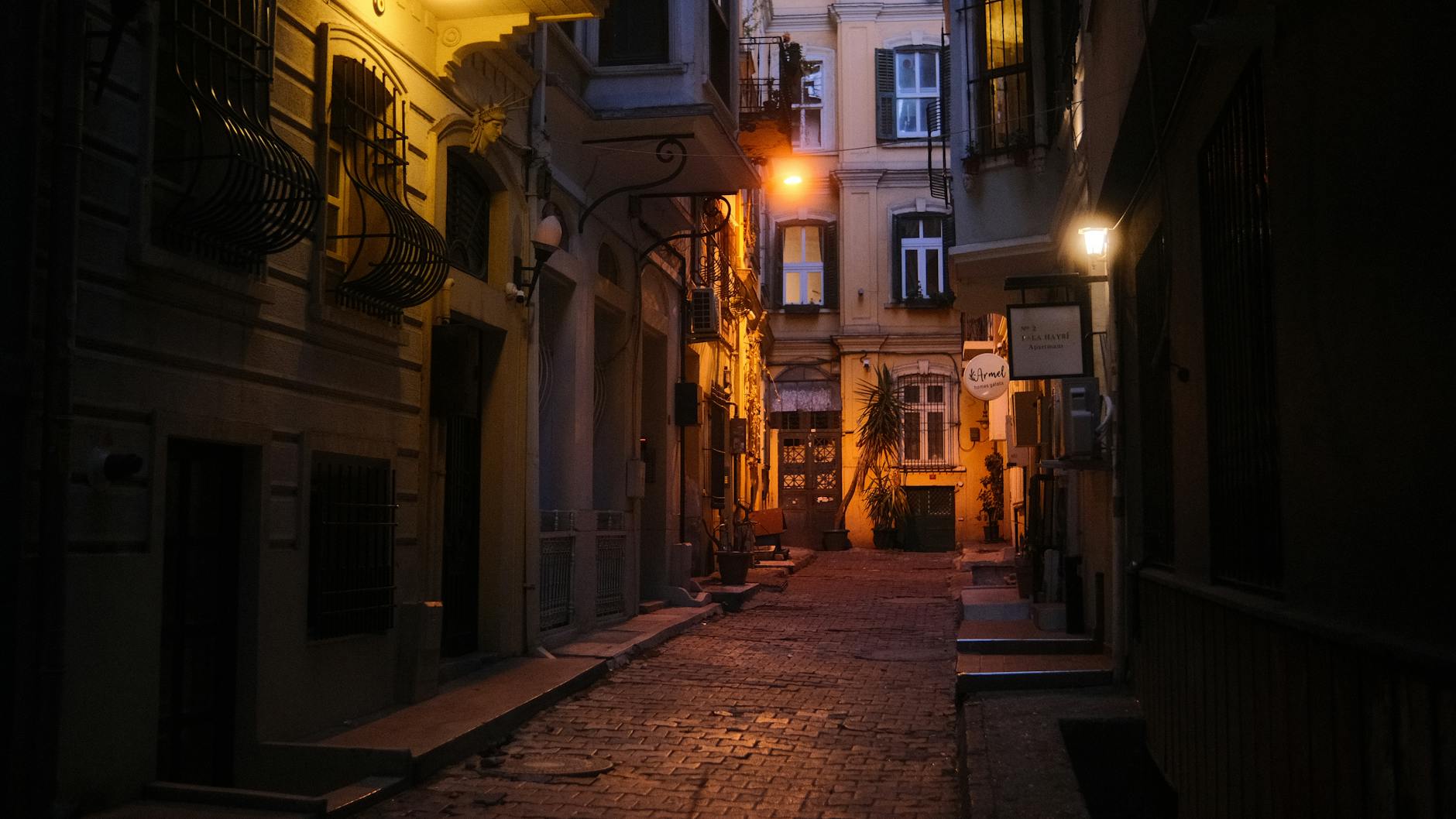
Is Stockholm safe at night?
Broadly, yes. The central districts stay calm after dark, and the metro runs 24 hours on Friday and Saturday nights, which quietly solves the “how do I get home” question that makes people nervous elsewhere.
Walking home. The well-lit streets of Norrmalm, Östermalm, Vasastan and Södermalm are fine at any hour. The one spot with a genuine late-night edge is Sergels torg — the sunken square in front of Kulturhuset can attract drug-related nuisance in the small hours. It’s more unpleasant than dangerous. Walk through it rather than linger, and you’ll barely notice.
The metro. Well-used and safe late. On weekends the round-the-clock service is the obvious ride back from a club. On other nights, check the SL journey planner for your last train and the night bus that follows it; night buses are the ones whose numbers end in the 90s, such as 94, 191, 592 and 890.
Where the drinking crowds gather. Stureplan is the late-night nightlife hub — safe, but expect pushy promoters and merry crowds between roughly 23:00 and 04:00. If a mellow evening base matters to you, the residential calm of Vasastan or Kungsholmen is a better bet.
Stockholm safety, neighbourhood by neighbourhood
A district-by-district read, since “is the city safe” always really means “is where I’m staying safe”:
Gamla Stan. Fine day and night. The tourist density means visible police and well-lit lanes; just mind your pockets in the busiest squares, Stortorget especially.
Norrmalm / city centre. Safe, with the Sergels torg caveat after about 22:00. Drottninggatan is grand for shopping but it’s also pickpocket central, so front pocket for the wallet.
Östermalm. One of the calmest corners of the city — smart, residential, low crime. Lovely for solo travellers and families.
Södermalm. Welcoming and a touch grittier in feel than Östermalm, never threatening. The creative, café-and-bar quarter; places run late without any real safety issue.
Vasastan & Kungsholmen. Quietly residential and reliably calm — my picks for anyone who wants peace at night.
Djurgården. The museum island. Effectively zero crime; simply quieter after the attractions close, since few people live there.
The “rough” suburbs. Rinkeby, Tensta, Husby and the like sit a short metro ride out on the blue line. They’re largely residential communities carrying real socioeconomic strain, and gang-related crime has been reported in Stockholm more widely, so follow local advice. Honestly, the reason to skip them is mostly that there’s nothing there for a visitor. To keep your bearings on all of this, a Stockholm tourist map makes it obvious how compact and central the good stuff really is.
Stockholm for solo female travellers
This is one of the easier European capitals to move around alone as a woman, and I don’t say that lightly. A few grounded observations:
Late-night transport. Safe, including alone on the weekend metro after midnight.
Walking alone. Comfortable in the central neighbourhoods. My only steer is to skip an empty Sergels torg in the small hours — for the atmosphere, not because of any real threat.
Bars solo. Utterly ordinary. A woman having a drink alone raises no eyebrows here.
Street harassment. Rare. When it happens it’s usually a passing comment from a weekend stag party rather than anything that feels menacing.
Dating apps. Tinder, Hinge and Bumble are all busy. The usual sense applies — meet somewhere public, share your location with a friend, hold back your address until you trust someone.
Drink safety. There are occasional reports of spiked drinks around the Stureplan clubs, as in any nightlife district. Don’t accept drinks from strangers and keep an eye on your glass.
Stockholm safety for families
Travelling here with children is about as low-stress as European city trips get. The practical bits:
Prams and buggies. The city is genuinely accessible — lifts at metro stations, ramps everywhere. Beyond the usual pickpocket awareness in tourist zones, there’s little to think about.
Independent kids. It’s culturally normal for Swedish children to take the metro or walk to school alone from around eight. Stockholm is one of the few Western capitals where that quietly works.
Water and food. The tap water is excellent — drink it freely and skip buying bottled. Food-hygiene standards are high across the board.
Health. Paediatric care is strong; Astrid Lindgren Children’s Hospital runs children’s emergency departments around the clock, and the 1177 helpline gives nurse advice, with help in English in some regions.
Lost children. Big attractions and the metro have well-drilled protocols; a child briefly lost at Skansen or the Vasa Museum is usually reunited within minutes over staff radios. If you’re mapping out how much you’ll pack into each day with kids in tow, how many days in Stockholm helps you pace it.
Stockholm safety for LGBTQ+ travellers
Stockholm is among the most welcoming capitals in Europe for LGBTQ+ visitors. Same-sex marriage has been legal in Sweden since 2009.
Hate crime. For the current picture, Brå, Sweden’s crime-statistics agency, publishes figures on reported hate crime, including crimes with an LGBTQI-related motive.
Trans travellers. Well protected in law, with all-gender restrooms increasingly the norm in restaurants, museums and public buildings.
Pride. Stockholm Pride’s parade brings tens of thousands of participants onto the streets, with big crowds watching; the festival publishes each year’s dates on its own site.
The scene. Woven through the city rather than walled off — a cluster on Söder and the Mälarpaviljongen waterfront in summer, and a generally integrated, easygoing feel year-round.
Common Stockholm scams to avoid
The clipboard petition. Covered above, but worth repeating because it’s the one you’re most likely to meet: decline the “charity” signature and keep walking.
The distraction chat. A friendly stranger asks directions or lays on a compliment while an accomplice moves in behind you. Trust the small alarm in your gut — most Swedes don’t strike up elaborate small talk with strangers on the street, so an over-eager approach is a mild flag.
Fake police. Very rare, but reported. If “officers” demand to inspect your wallet for “counterfeit notes”, it’s a scam. Real Swedish police don’t work that way — ask for ID and a badge number, and keep hold of your wallet.
The Arlanda taxi sting. Some unmetered cars quote wild airport fares. Swedavia-contracted taxis have a maximum of SEK 800 for 1–4 people in the marked zone, so check the fixed price shown in the meter before you set off, and stick to Taxi Stockholm, Taxi 020, Sverige Taxi, Bolt or Uber.
Card skimmers. Uncommon here, but use an ATM inside a bank branch when you can. Since Sweden runs largely cashless, a little planning around cards and payment goes a long way — Stockholm currency and money lays out how paying actually works day to day.
Accommodation scams. Listings priced too good to be true — a central one-bed for a song in peak summer — sometimes push you to pay outside the platform. Always book and pay through the official channel.
What to do if something goes wrong
Emergencies: dial 112 for police, fire or ambulance. Operators speak fluent English.
Non-urgent police: 11414 — for reporting a theft after the fact, that sort of thing.
Health advice: the 1177 nurse line handles non-urgent medical questions; some regions offer help in English.
Lost passport: contact your embassy. Most keep 24/7 emergency lines for citizens; your foreign ministry’s page lists the number.
Stolen wallet: call 112 if you need the police there and then; otherwise report it on 114 14 (useful for insurance), then freeze your cards in your banking app.
Late-night pharmacy: C.W. Scheele on Klarabergsgatan 64 is Stockholm’s long-standing 24-hour pharmacy.
None of this is likely to come up. But saving these numbers offline before you land is five minutes well spent, and it’s the sort of thing a good Stockholm packing list reminds you to sort out alongside the adapters and thermals.
The gang-violence headlines — a straight answer
Sweden’s gang shootings have featured in international news, so the subject deserves a clear-eyed reply rather than a hand-wave.
What’s true. There has been a genuine, unusual rise in shootings tied to organised criminal networks fighting over drug territory. It is serious, and the government has responded with tougher policing and law.
What’s overstated. The idea that this puts a central-Stockholm tourist at meaningful risk. Gang-related crime, including shootings and explosions, has been reported in Stockholm, and the UK Foreign Office mentions it in its travel advice; for a visitor, the sensible response is the normal one: follow current police advice and take ordinary precautions.
Where things stand. This is a topic that moves fast, so your own government’s current travel advice is the source to trust over any article — check it close to your trip.
What it means for you. In practice, nothing changes. Base yourself in Norrmalm, Östermalm, Söder, Vasastan or Gamla Stan, and give the outer suburbs a miss, simply because there’s nothing there for a visitor.
Insurance and a bit of prep
Travel insurance. Strongly worth it for non-EU visitors. Sweden will treat you in an emergency, but the bill for a hospital stay or repatriation dwarfs any premium.
EU travellers. Bring your EHIC/GHIC — it covers emergency public healthcare at Swedish rates.
Copies. Photograph your passport’s ID page and email it to yourself before you go; tuck a paper copy in your hotel safe.
An offline note. Save your insurance emergency line, your embassy number, your card-cancellation lines and your hotel address (in Swedish helps) somewhere you can reach without signal.
A little cash. Keep 200–500 SEK stashed separately from your wallet, purely as a backstop.
Habits that keep a Stockholm trip uneventful
Nothing dramatic — just a handful of habits:
Wear a cross-body bag in front through the tourist zones. Keep your wallet in a front pocket around T-Centralen and Drottninggatan. Don’t leave a phone unattended on an outdoor café table. Draw cash from ATMs inside bank branches. Book only regulated taxis. Watch your drinking — far more visitors come unstuck through a bad decision made merry than through anything a stranger does to them. Don’t flash a fat wad of notes; almost nobody here pays cash, so you’d only mark yourself out. And stay a little sharper in festival crowds, where pickpockets do their best work. If it’s your very first visit and you’d like the whole city demystified, my first time in Stockholm guide is the natural next read.
Final thoughts
Is Stockholm safe? For a visitor, yes. Take the ordinary precautions you’d take in any capital, keep an eye on your bag around T-Centralen and Sergels torg, where pickpockets look for tourists, save 112 to your phone, and go and enjoy it.
Scams deserve a closer look than a safety overview can give them. Our guide to common Stockholm tourist scams goes through each one in detail: how the taxi price sticker works, where the clipboard petitions and shell games operate, why you should always pay in kronor, and how fake rental listings are built.
Save three numbers before you travel: 112 for emergencies, 114 14 for the police when it isn’t urgent, and 1177 for advice from a nurse. Our guide to emergency numbers and medical care in Stockholm explains how the phone-first healthcare system works, where the urgent-care clinics and the 24-hour pharmacy are, and what treatment costs visitors.
Frequently asked questions
Is Stockholm safe for tourists?
Yes — it’s one of Europe’s calmer capitals. Petty pickpocketing turns up in the obvious hotspots (T-Centralen, Sergels torg, the Drottninggatan H&M, Gamla Stan’s squares), and violent crime in the tourist areas is rare. Keep a bag in front, save 112 for emergencies, and a visit is almost always uneventful.
Is Stockholm safe at night?
Generally yes. The central districts stay calm after dark, and the metro runs around the clock on Friday and Saturday nights. The one spot worth walking through rather than lingering in is Sergels torg in the small hours, where drug-related nuisance can gather — unpleasant more than dangerous. Solo women rate Stockholm as one of the easier capitals for late nights.
Is Stockholm safe for solo female travellers?
Very much so. Streets are well lit, the metro is safe at any hour, street harassment is uncommon, and nobody blinks at a woman eating or drinking alone. The usual sense applies with dating apps and late walks, but as European capitals go this is one of the most comfortable for travelling solo as a woman.
What are the most common Stockholm tourist scams?
The clipboard “charity” petition (a distraction for pickpocketing, often near Sergels torg or the central station), fake police asking to inspect your wallet, overpriced unmetered taxis from Arlanda, and the occasional phone snatch by someone on an e-scooter. None are widespread, but a “no, thanks” and a regulated taxi app handle nearly all of them.
Are the Stockholm suburbs dangerous?
Gang-related crime, including knife crime, shootings and explosions, has been reported in Stockholm, and a few outer districts (Rinkeby, Tensta, Husby, parts of Botkyrka and Södertälje) are often named in the reports. They’re not on any standard itinerary, and the risk in the central tourist zones — Norrmalm, Östermalm, Söder, Gamla Stan, Djurgården — stays low. Check current official advice if you’re unsure.
Is the Stockholm metro safe?
Yes — safe at all hours, including the 24-hour weekend service. Pickpockets work T-Centralen at peak times, so keep your wallet in a front pocket in the crush, but violent incidents are rare and the network is well used late into the night.
What number do I call for emergencies in Stockholm?
Dial 112 for police, fire or ambulance — operators speak fluent English. For non-urgent police matters, such as reporting a theft after the fact, use 11414. For non-emergency medical advice, call the 1177 nurse line, where English-language help is available in some regions.
Is Stockholm safe for LGBTQ+ travellers?
Yes — few European capitals are more relaxed about it. Marriage equality dates back to 2009, and the Stockholm Pride parade draws tens of thousands of participants. If you want figures on reported hate crime, Brå, the national crime-statistics agency, publishes them.
Should I worry about terrorism in Stockholm?
Stockholm has seen only a small number of terrorism-related incidents over the years. The threat level is broadly comparable to other European capitals, and ordinary precautions are all that’s called for. As with anywhere, your own government’s live travel advisory is the place to confirm the current picture before you go.
Is Stockholm safer than Copenhagen, Oslo or Helsinki?
Roughly on a par. Helsinki and Copenhagen tend to edge marginally ahead on most indices, with Oslo and Stockholm close behind.