Stockholm Travel Tips: 50 Things to Know Before You Go
50 essential Stockholm travel tips — money, transport, food, alcohol, etiquette, safety, and the practical operations every first-time visitor needs.
Stockholm is one of the smoothest capitals in the world to travel in — once you crack how it actually works. It runs on contactless cards (I’ve gone a week here without touching cash), the metro is easiest app-first, alcohol comes from a state monopoly that shuts on Saturday afternoons, the 25% VAT is partly claimable at the airport, and there’s a quiet dress-code-and-queue etiquette at smarter restaurants and clubs that trips up first-timers. None of it is difficult — it’s just much easier when someone tells you first. Consider these Stockholm travel tips that someone.
This guide is the no-fluff field manual: 50 of the most useful Stockholm travel tips covering money and payment, transport, weather and packing, food and dining, safety, etiquette, and the small operational details (Wi-Fi, power plugs, restrooms, tap water) that come up on day one. Bookmark it for the trip.
Stockholm travel tips for money, payment, and prices
1. Sweden is functionally cashless. Many Stockholm shops, restaurants, cafés, and museums no longer accept cash at all. Bring a contactless credit/debit card. Apple Pay and Google Pay work universally.
2. The currency is the Swedish krona (SEK), not the euro. Sweden is in the EU but kept its own currency. 1 USD ≈ 10–11 SEK depending on the week.
3. Don’t bother getting cash before you arrive. Even if you find a café that takes cash, change rates are bad and you’ll struggle to spend it. ATMs (Bankomat) are around if you need 100 SEK for a tip jar or vending machine.
4. Stockholm is expensive — budget realistically. Mid-range traveler day: 1,500–2,200 SEK ($150–220) per person. Budget: 800–1,200 SEK. Splurge: 3,000+ SEK. Hotels are the biggest line item; food is comparable to London/Paris.
5. Tipping is optional but appreciated. 5–10% at restaurants if service was good. Round up at bars and cafés. Tipping is not expected for taxis, transport drivers, or hotel housekeepers.
6. Tax-free shopping for non-EU tourists. Get a Global Blue or Planet Tax Free form at checkout for purchases over 200 SEK; validate at the Arlanda Airport refund desk before checking luggage. Effective refund is ~16–18% after fees.
7. The Stockholm Pass / Go City is a “if you visit 4+ paid attractions” calculator. Run the math on your itinerary: if your planned attractions add up to more than the daily pass cost, buy. Otherwise, pay per attraction.
Public transport
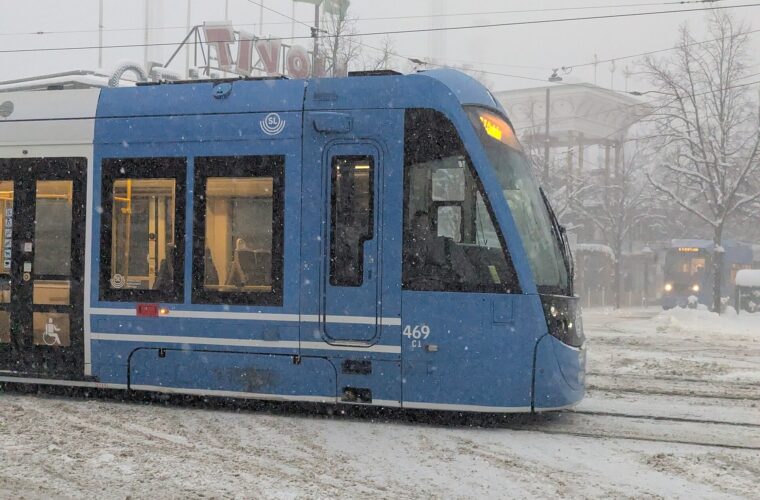
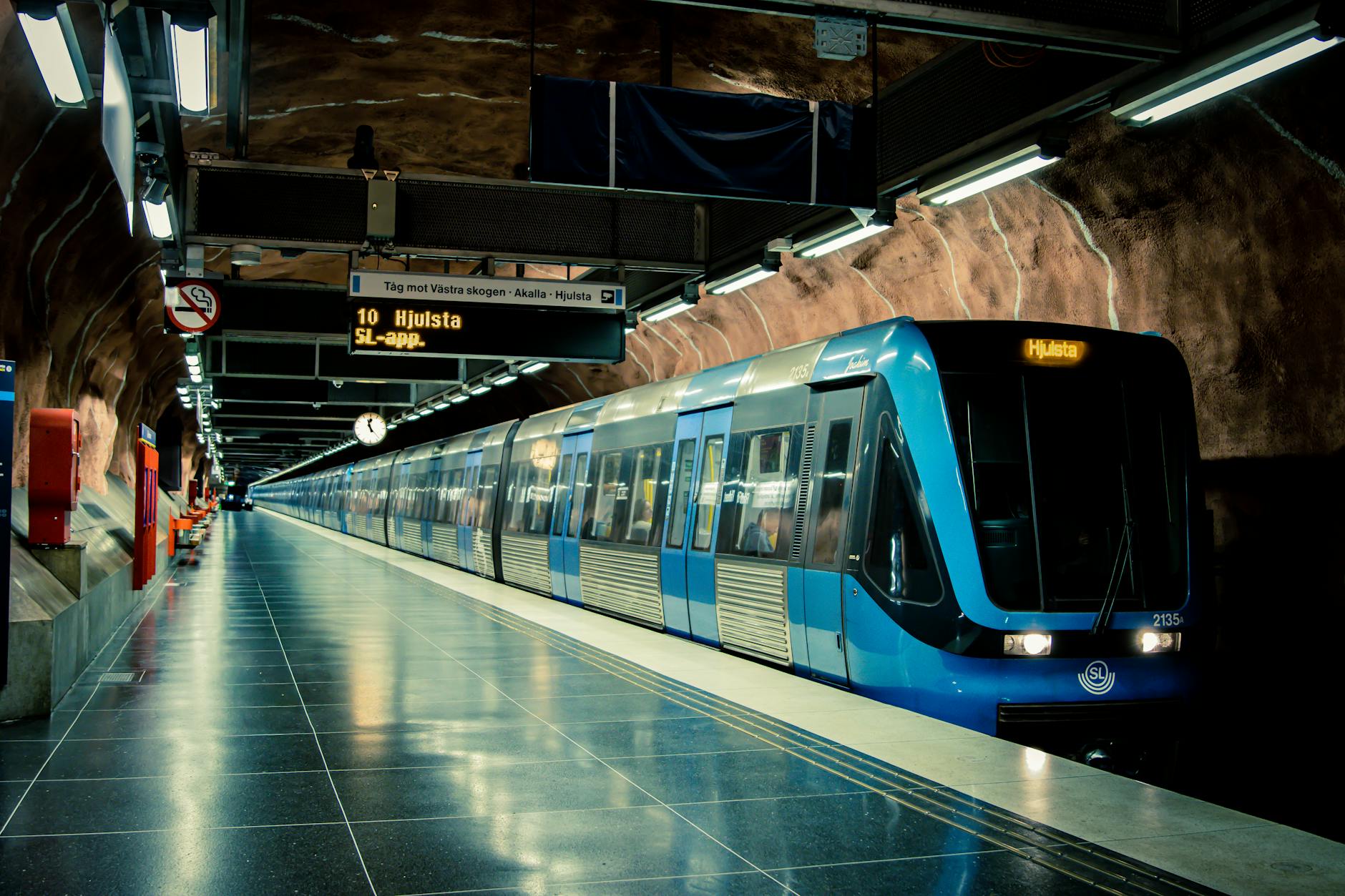
8. SL is the operator name; the metro is “tunnelbana” or just “T”. Same system covers metro, buses, trams, commuter trains (pendeltåg), and the Djurgården ferry — one ticket works on all.
9. Tap a contactless credit card at the gate. SL accepts Visa, Mastercard, Amex contactless directly — no need to buy a separate ticket. Each tap buys a single ticket (43 SEK, valid 75 minutes); if you’ll ride five or more times a day, a 24-hour ticket (180 SEK) in the SL app works out cheaper, and a 7-day ticket costs 470 SEK.
10. The metro runs 05:00–01:00 weekdays, 24h Friday and Saturday. Sunday and Monday last trains around 01:00. Night buses (9X series) cover after.
11. The Djurgården ferry is included with any SL pass or contactless tap. Slussen → Djurgården, 7 minutes. The free version of the famously expensive Stockholm sightseeing boats.
12. The Arlanda Express is fastest but most expensive. 18-minute trip to the airport, 340 SEK one-way standard. Flygbussarna airport bus is about 129 SEK online and about 40 minutes. Commuter train (pendeltåg) is about 200 SEK including the Arlanda passage fee, 38 minutes. For a taxi, check the fixed price shown in the meter before you set off; Swedavia-contracted taxis have a maximum of 800 SEK for 1–4 people in the marked zone.
13. Children under 7 ride free with a paying adult. Ages 7–19 get reduced “ungdom” fares (about 60% of adult). Up to 6 kids per adult ride free.
14. Stockholm doesn’t validate your ticket on board. You tap or scan at the gate or door entry. Random ticket inspections do happen and the penalty fare is 1,850 SEK in 2026, plus the price of a ticket.
Weather and packing
15. Pack for layers, not for season. Stockholm weather changes 5–10°C in a day. A waterproof jacket and one warm layer are universal essentials.
16. Sunset times shift dramatically by season. December: ~14:45. June: ~22:10. Plan day activities around daylight, not the clock.
17. June and September are the best weather/value windows. July is peak (warmest but most crowded and expensive). November and January–February are darkest and cheapest.
18. Winter packing requires real winter gear. Insulated boots (waterproof, not just warm), wool or thermal base layers, hat, gloves, and a jacket rated to at least -10°C. Stockholm winters are not “Boston winters” — they’re often colder.
19. Summer can be cool. Pack a sweater even in July. The “Stockholm summer evening” rarely tops 18°C after 21:00.
20. Pack a small umbrella but expect to use a hood instead. Stockholm winds make umbrellas inconvenient.
Food and dining
21. “Dagens lunch” is the deal of the day. Restaurants serve a daily lunch (Mon–Fri, ~11:30–14:00) with hot main, salad, bread, and water for 130–160 SEK. Same restaurant runs 250–400 SEK for dinner.
22. Reservations matter at popular restaurants. Book 2–4 weeks ahead for upper-end tables (Frantzén, Aira, and Operakällaren, which closes at the end of December 2026 for a multi-year renovation) and 1–2 weeks for any place with a strong reputation. Walk-in works at most casual spots.
23. Tipping is ~10%. No need to tip on lunch specials or counter-service spots; round up.
24. Most restaurant kitchens close by 22:00. Plan dinner before 21:00 unless you’re at a late-license bar/restaurant.
25. Food halls (saluhall) are the smart-money lunch. Östermalm Saluhall, NK Saluhall, Hötorget, and K25 — varied options, fast service, good value.
26. Tap water is excellent. Restaurants will bring tap water on request; don’t pay for bottled.
27. Coffee is a national religion (fika). The 11:00 and 15:00 coffee-and-pastry break is non-negotiable for many Swedes. Embrace it.
Alcohol and Systembolaget
28. Sweden has a state alcohol monopoly: Systembolaget. All alcohol over 3.5% must be bought there.
29. Systembolaget hours are limited. Mon–Wed 10–18, Thu–Fri 10–19, Sat 10–15. Closed Sundays. Plan ahead.
30. The drinking age is 18 at restaurants/bars but 20 at Systembolaget. Carry ID.
31. Drinks at restaurants are expensive. Beer 75–95 SEK for 50cl, wine 95–145 SEK/glass, cocktails 145–225 SEK. A couple of dinner drinks doubles your meal cost.
32. Public drinking is technically legal in many places except around Sergels Torg and certain school zones. Visible drunkenness will get police attention.
Etiquette and culture
33. Stockholm is reserved but friendly. Don’t expect strangers to chat on the metro; do expect helpful answers if you ask directions.
34. Personal space is large. Don’t crowd the line at bus stops or in queues — Swedes prefer ~1 meter of buffer.
35. Lagom is real. The cultural concept of “just right, not too much, not too little” shows up in how Swedes dress, decorate, and interact. Modesty is more respected than showmanship.
36. Punctuality is a near-religious value. Arrive on time for restaurants, tours, dinner invitations. “Fashionably late” reads as rude.
37. Take off your shoes when entering someone’s home. Always. Bring socks.
38. Tipping for “good service” is not the cultural default. Service workers earn living wages. Tipping is a thank-you, not a wage subsidy.
39. English is universal. 90%+ of Stockholmers speak fluent English. Don’t worry about not knowing Swedish; do learn “Hej” (hi), “Tack” (thank you), and “Hej då” (goodbye) as a courtesy.
Safety
40. Stockholm is one of Europe’s safest capitals. Violent crime is rare; petty pickpocketing exists in tourist areas (T-Centralen, Gamla Stan) but not at high rates.
41. Common scams are minor. Watch for: petition scams in tourist squares (someone asks you to sign a petition while a partner pickpockets), overpriced taxi services from non-metered cars (use Bolt, Uber, or Taxi Stockholm), and ATM card-skimmers (use ATMs inside banks).
42. Emergency number is 112. Operators speak fluent English. Use 112 for police, fire, or medical emergencies.
43. Non-emergency medical: 1177 Vårdguiden. 24/7 nurse advice in English.
44. Pharmacies (Apotek) are widely available. Most central pharmacies have an English-speaking pharmacist. Some prescriptions can be filled at C.W. Scheele Apotek (Klarabergsgatan 64) — 24-hour pharmacy.
45. Metro and night buses are safe at night. Including weekends when the metro runs 24h.
Practical operations
46. Wi-Fi is free in most cafés, restaurants, and hotels. “Wifi” or “Wi-Fi” — same word, ask the staff. Speeds are excellent. Public Wi-Fi at the airport, central station, and public libraries.
47. SIM cards are easy at Pressbyrån, 7-Eleven, or Comviq stores. 99 SEK gets a starter SIM with a few GB of data. Better: enable a roaming eSIM with Airalo, Holafly, or your home carrier — Sweden is roaming-included on most US/UK plans now.
48. Power plugs are Type F (Schuko). Same as Germany, France, Italy, Spain. 230V, 50Hz. US/UK travelers need a plug adapter. Most laptops and phones handle the voltage natively.
49. Public restrooms cost 5–10 SEK. Pay by Swish (Swedish payment app) or sometimes contactless card. Free restrooms at department stores (NK, Åhléns), public libraries, and most museums.
50. Stockholm is on Central European Time (CET / UTC+1). CEST in summer (UTC+2). Daylight saving switches last Sundays of March and October.
Stockholm-specific quirks worth knowing
The “Q” matters at clubs. Stureplan clubs enforce dress codes (no sneakers, no shorts), age minimums (often 21–23), and door policy that lets bottle-service customers skip the line. Söder clubs are relaxed — jeans and sneakers fine.
Christmas Eve, not Christmas Day, is the big holiday. Most shops, restaurants, and museums close December 24. December 25 is also closed but quieter. Reopens December 26 (Boxing Day, “annandag jul”).
Midsummer (Midsummer Eve is the Friday between 19 and 25 June; 25 June in 2027) is the country’s main summer holiday. Most of Stockholm empties out — the city is quiet, but most attractions are closed too. Skansen and Gröna Lund stay open with festivities.
Smoking is banned on outdoor restaurant terraces. Sweden’s 2019 law removed almost all outdoor smoking areas in restaurants and bars.
Recycling is mandatory. Stockholm sorts plastic, paper, glass (clear and colored separately), metal, and compost. If you stay in an apartment rental, take 5 minutes to learn the bin system.
“Allemansrätten” — the right of public access. You’re legally allowed to walk, swim, and camp on most natural land in Sweden as long as you don’t disturb. Useful in the archipelago and for hikes.
Free public swimming areas are everywhere. Smedsuddsbadet, Långholmsbadet, and the Tantolunden park beach are all free swim spots in summer with clean water.
The Stockholm metro is an art museum. 90 of 100 stations have public art. Notable: T-Centralen (blue cave), Solna Centrum (red rock), Stadion (rainbow). Free with any metro ride.
Ferries are part of the transit system. Don’t pay for the expensive harbor sightseeing boats — Waxholmsbolaget archipelago ferries and the Djurgården ferry give similar views at SL prices.
Ice cream culture is real. Sweden has more ice cream consumption per capita than Italy. Stockholm ice cream stands run from May through September; the closing day (often late September) feels like a citywide funeral.
Best apps to download before your trip
SL — official Stockholm transit app. Buy and store passes, plan routes.
Swish — Swedish mobile payment app. Useful but requires a Swedish bank account; tourists can mostly skip it.
Bolt and Uber — both work in Stockholm. Bolt is usually slightly cheaper.
Visit Stockholm — official city tourism app, decent event listings.
Citymapper — best route planner combining metro, bus, ferry, walking.
SMHI — Swedish weather service. Better than international apps for hyperlocal forecasts.
Google Translate — offline Swedish download. 90% of the time you won’t need it but it’s helpful for menus and product labels.
Specific recommendations by traveler type
First-time visitor: Read our Stockholm itinerary. Stay 3 days, base in Norrmalm or Östermalm, buy a 3-day SL pass, eat at saluhall food halls, see Skansen and Vasa.
Return visitor: Spend 4–5 days, base in Söder for the local feel, do an archipelago overnight at Sandhamn or Grinda, deeper neighborhood walks (Vasastan, SoFo).
Solo traveler: Hostels are excellent (City Backpackers Hostel, Generator Stockholm). Bar culture is welcoming to solo drinkers, especially at saluhalls and sports bars.
Family: Read Stockholm with kids. Base near Djurgården, get the family SL pass (free for under 7s), plan around the museums of Djurgården.
Couple: Stay in a small hotel like Ett Hem or Story Hotel. Cocktail bars (Tjoget, Pharmarium), late-summer archipelago overnights, Djurgården walks.
Budget traveler: Buy groceries from ICA or Coop, skip alcohol or stick to Pripps Blå pilsner, use the dagens lunch deal, base in a Generator Stockholm or apartment rental, walk between neighborhoods.
What to skip in Stockholm
Skip the harbor sightseeing boats — the Djurgården ferry and Waxholmsbolaget commuter ferries give the same views for one-tenth the price. Skip the official Stockholm souvenir shops on Västerlånggatan — Iris Hantverk and Svensk Hemslöjd carry the real version. Skip taxis from the airport unless you have luggage and are arriving late — the Arlanda Express or commuter train is faster, cheaper, and easier. Skip Restaurang Tegnerlunden and the other tour-bus restaurants near Drottninggatan — Stockholm’s good food is everywhere else.
Your first 24 hours in Stockholm — a practical playbook
Land at Arlanda. Take the Arlanda Express (340 SEK, 18 minutes) if you have a tight connection or arrive late, otherwise the Flygbussarna airport bus (about 129 SEK online, about 40 minutes) or commuter train (about 200 SEK with the Arlanda passage fee, 38 minutes) deliver to Central Station for much less.
From Central Station, walk to your hotel if it’s anywhere in Norrmalm or Östermalm; otherwise tap your contactless card at the metro gate (no ticket purchase needed). Each tap buys a 75-minute single ticket (43 SEK), so four rides cost less than a 24-hour ticket (180 SEK); if you’ll ride more than that, buy the 24-hour ticket at a machine or in the SL app.
Get cash out of your head — you almost certainly won’t need it. Bring your passport in your hotel safe (you’ll only need it for tax-free shopping refunds). Save the address of your accommodation in your phone’s offline maps. Stockholm’s tap water is excellent — fill a refillable bottle at the hotel.
For your first dinner: aim for 19:00. Book a 250–400 SEK casual restaurant in your neighborhood (don’t try to bag the Frantzén-tier tables on day 1). After dinner, walk along the harbor — Strandvägen, Skeppsbron, or Söder Mälarstrand. The light, the water, and the lit Royal Palace are the city’s introduction.
Common Stockholm tourist mistakes
Trying to fit Stockholm into one walking day. The 14 islands look small on a map but the museums and archipelago are the city. Plan 3 days minimum.
Ignoring the metro art tour. 90 of 100 stations have public art — T-Centralen blue cave, Solna Centrum red rock, Stadion rainbow. Free with any metro ride. Most tourists never see them.
Buying the Stockholm Pass without doing the math. The pass only pays off if you visit 4+ paid attractions a day. For slower itineraries, individual tickets are cheaper.
Eating dinner in Gamla Stan. Most Gamla Stan restaurants are tour-bus-priced and quality-average. Walk five minutes to Norrmalm or Söder for better value.
Taking the harbor sightseeing boats. The Djurgården SL ferry (free with metro pass) and Waxholmsbolaget archipelago ferries deliver the same views at one-tenth the price.
Skipping a saluhall. The Östermalm Saluhall food hall is one of Stockholm’s most useful single visits — food, atmosphere, and excellent gifts in one place.
Underestimating the cold. Even in May or September, Stockholm wind off the water can feel 5°C colder than the temperature reading. Bring a warm layer.
Trying to buy alcohol Sunday. Systembolaget is closed Sundays. Plan ahead.
Showing up at restaurants at 22:00. Most Stockholm kitchens close by 22:00. Eat earlier or you’re choosing between bar food and 7-Eleven.
Going to clubs in sneakers. Stureplan clubs enforce smart-casual. Bring leather shoes if Sturecompagniet or Hell’s Kitchen is on your list.
Seasonal-specific tips
Summer (June–August)
Pack a swimsuit even in June — Stockholm has free public swimming spots all over the city (Smedsuddsbadet, Långholmsbadet, Tantolunden). Sunset runs 21:30–22:30 in peak summer; outdoor restaurants stay full until 23:00. Mosquitoes appear briefly in late June archipelago trips — pack repellent for an overnight. Many small shops and family restaurants close for “industrisemester” (industrial vacation) for 2–3 weeks in July.
Autumn (September–October)
Best value-to-experience window. Hotels drop 25–35% from summer peak. The light is golden and slanting. Pack waterproof shoes — September is the rainiest month.
Winter (November–February)
Pack real winter gear — insulated waterproof boots (not city sneakers), a -10°C-rated jacket, gloves, hat, and a scarf. The Stockholm winter is genuinely cold and wind off the water makes it colder. Daylight: 6–9 hours. Combat seasonal darkness with a midday outdoor walk and any vitamin D you’d normally take.
Spring (March–May)
Layer aggressively — a single day can swing from 0°C to 15°C. Cherry blossoms peak in Kungsträdgården typically late April. Walpurgis Night (April 30) brings bonfires and outdoor drinking — Riddarholmen and Skansen host the biggest gatherings.
Health, emergencies, and pharmacies
The European emergency number is 112 — works for police, fire, and medical. Operators speak fluent English. Sweden has universal healthcare and emergency rooms treat tourists; you’ll be billed but at non-profit rates. Travel insurance with emergency medical evacuation is recommended for non-EU visitors.
1177 Vårdguiden is the 24/7 nurse advice line — call 1177 from any Swedish number, English-speaking nurses available, and they’ll triage you to the right level of care.
Pharmacies (Apotek) handle most over-the-counter needs. Most central pharmacies have an English-speaking pharmacist. C.W. Scheele at Klarabergsgatan 64 is Stockholm’s 24-hour pharmacy. Common over-the-counter medicines are not behind the counter the way they are in Sweden’s neighbors — paracetamol, ibuprofen, and antihistamines are at the front counter.
For dental emergencies, Folktandvården has a Stockholm emergency dental clinic at Sankt Eriksgatan 117 (book by phone, English available).
Connectivity, SIM cards, and Wi-Fi
Free Wi-Fi is universal in Stockholm cafés, restaurants, and hotels — passwords printed on receipts or available on request. The central station has free public Wi-Fi (limited speed) and so do major museums.
For mobile data, eSIMs from Airalo, Holafly, or Saily activate on landing — 5–10 GB plans for 5–14 days run $10–25. Physical SIMs from Comviq, Telenor, or Telia are 99 SEK for a starter card with a few GB; available at Pressbyrån, 7-Eleven, and store branches. EU plans usually include Sweden roaming at no extra cost — verify with your home carrier before you fly.
Stockholm 5G coverage is strong throughout the city center; 4G is universal everywhere including the archipelago.
Language essentials
You don’t need Swedish to visit Stockholm — 90%+ of locals speak fluent English, and customer-facing staff often switch to English at the first non-Swedish word. But these phrases earn goodwill:
Hej — Hi (used universally, all hours)
Tack — Thank you
Tack så mycket — Thank you very much
Hej då — Goodbye
Ursäkta — Excuse me
Förlåt — Sorry
Ja / Nej — Yes / No
Skål! — Cheers
Räkning, tack — The bill, please
Pratar du engelska? — Do you speak English?
Restrooms, parking, and other operational details
Public restrooms cost 5–10 SEK and are paid by Swish or contactless card. Free clean restrooms at: NK department store (basement), Åhléns City, the public libraries, most museums, McDonald’s (free with menu code), and any restaurant where you’ve ordered something.
Parking in central Stockholm: street parking via the EasyPark or Parkster app (around 60 SEK/hour in central zones). Car parks at Q-Park (NK, Hötorget) run 50–80 SEK/hour. The congestion tax inside the central zone runs Mon–Fri 06:00–18:30 with peaks of 45 SEK per entry/exit.
Trash and recycling: most Stockholm hotels and apartment rentals separate compost, paper, plastic, glass (clear and colored), and metal. Small mistake; the city won’t fine tourists, but try to follow the bin labels.
Time zone: Central European Time (UTC+1), CEST in summer (UTC+2). Daylight saving switches last Sundays of March and October.
Drinking age: 18 at restaurants and bars, 20 at Systembolaget. ID is checked widely; carry a passport copy if you’re under 25.
Electricity: 230V/50Hz, Type F (Schuko) plugs — same as continental Europe. US/UK travelers need a plug adapter.
Specific advice for solo, female, and LGBTQ+ travelers
Solo travelers have a particularly easy time in Stockholm. Restaurants and bars are comfortable for solo dining; saluhalls and hotel bars are particularly welcoming. The City Backpackers Hostel (Upplandsgatan 2) and Generator Stockholm (Torsgatan 10) both run social spaces and event nights for solo travelers. Tip-based walking tours of the Old Town leave every day from right outside Gamla Stan metro station (Free Walking Tour Stockholm), and Free Tour Stockholm, a separate company, starts its tours from Sergels torg; our guide to free walking tours in Stockholm compares them.
Female travelers generally find Stockholm one of Europe’s safest cities for women, including at night. Catcalling and street harassment are rare. Public transport is safe at all hours; even the 24-hour weekend metro is well-trafficked.
LGBTQ+ travelers visit one of Europe’s most welcoming capitals. Sweden recognizes same-sex marriage (since 2009) and has comprehensive anti-discrimination laws. Public displays of affection are unremarkable. Stockholm Pride (first week of August) is a major Pride event with 60,000+ marchers; year-round, the queer scene centers on Patricia (Sunday boat club), Side Track, Mälarpaviljongen, and Häktet.
Useful Stockholm websites and resources
visitstockholm.com — official city tourism site with current event listings.
sl.se — public transport, route planner, ticket purchase.
waxholmsbolaget.se — archipelago ferry schedules and tickets.
systembolaget.se — alcohol monopoly inventory, can pre-order pickup.
thelocal.se — Sweden’s English-language news site, useful for current events.
1177.se — health information and clinic finder, English version available.
arlanda.se — airport site with terminal info and live departures.
Frequently asked questions
Do I need to know Swedish to visit Stockholm?
No. 90%+ of Stockholmers speak fluent English, all menus and signs include English, and customer-facing staff almost always switch to English at the first non-Swedish word. Learn “Hej” (hi), “Tack” (thanks), and “Hej då” (goodbye) as a courtesy.
Is Stockholm cash or card?
Card. Sweden is one of the most cashless countries in the world. Many shops, restaurants, and museums no longer accept cash at all. Bring a contactless credit/debit card; Apple Pay and Google Pay work universally.
How expensive is Stockholm?
One of Europe’s pricier capitals. Plan for 1,500–2,200 SEK ($150–220) per person per day for mid-range travel. Hotels are the biggest line item. Food is comparable to London or Paris; alcohol is more expensive.
Is Stockholm safe for tourists?
Yes — one of Europe’s safest capitals. Violent crime is rare. Petty pickpocketing exists in tourist areas (T-Centralen, Gamla Stan) but at lower rates than southern European capitals. Emergency number is 112.
What’s the best way to get from Arlanda Airport to central Stockholm?
Three good options: Arlanda Express train (18 minutes, 340 SEK one-way), Flygbussarna airport bus (about 40 minutes, about 129 SEK online), or commuter train pendeltåg (38 minutes, about 200 SEK with the Arlanda passage fee). Skip the taxi unless you have heavy luggage or arrive after midnight.
Is the Stockholm Pass worth it?
Run the math. If your planned attractions add up to more than the daily pass cost, buy it. If you’re visiting 1–3 attractions a day, pay individually. The Go City All-Inclusive Pass (formerly Stockholm Pass) covers 60+ attractions including most family-friendly ones.
What is the best time to visit Stockholm?
Late May through August for long daylight and warm weather. Early September is the best value (long days still, prices drop). Mid-December for Christmas markets. November and February are the toughest months (dark, cold, less to do). See our full best time to visit Stockholm guide.
Can I drink the tap water in Stockholm?
Yes — Stockholm has some of the cleanest tap water in Europe. Restaurants will bring tap water on request; don’t pay for bottled.
What is Systembolaget?
Sweden’s state alcohol monopoly. All alcohol over 3.5% must be bought there. Open Mon–Wed 10–18, Thu–Fri 10–19, Sat 10–15. Closed Sundays. Plan ahead — restaurants and bars sell alcohol but you can’t buy bottles or six-packs at supermarkets.
What plug adapter do I need for Stockholm?
Type F (Schuko) — same as Germany, France, Italy, Spain. 230V, 50Hz. US/UK travelers need a plug adapter. Most laptops and phones handle 230V natively (check the brick: it should say “100–240V”).
For a deeper read on the city itself, see our complete Stockholm travel guide. For weather and seasonal planning, see best time to visit Stockholm. For day-to-day movement, see the Stockholm transportation guide. For a structured trip plan, our Stockholm itinerary covers 1, 2, 3, 5 and 7-day plans.
Tipping confuses more visitors than it should, mostly because card machines now ask for a tip on almost every payment. It is never required: staff are paid under collective agreements, rounding up is the local habit, and pressing 0% at a café or bar is completely normal. Our guide to tipping in Stockholm goes situation by situation, from dinner to taxis to free walking tours.
Getting online is simple for EU visitors, whose own SIMs roam at home prices, and slightly harder for everyone else since Sweden made prepaid SIM registration compulsory. Our guide to Stockholm Wi-Fi and SIM cards explains how to register a Comviq SIM with a foreign passport, when an eSIM is the better buy, and where the free Wi-Fi is.
It is worth knowing how Swedish healthcare works before you need it. You phone 1177 first, urgent-care clinics close at 22:00, and visitors from outside the EU pay the full cost of treatment. Our guide to Stockholm emergency numbers and medical care sets it all out, from 112 to the 24-hour pharmacy by Central Station.
Travelling with a wheelchair, a rollator, a guide dog or hearing loss? Stockholm is one of the easier European capitals for access, as long as you plan around the cobbles of Gamla Stan and the hills of Södermalm. Our Stockholm accessibility guide covers step-free transport, SL’s free assistance line, which museums are fully accessible and where to stay.
Photography is freer in Sweden than in much of Europe: you can photograph people in public without asking. The exceptions are drones, protected sites and anything that looks like snooping indoors. Our guide to photography rules and permits in Stockholm covers the metro, museums, drone permits and professional shoots.
Most Swedish manners boil down to not making life harder for other people: take a queue ticket, take your shoes off indoors, stand right on the escalator and turn up on time. Our guide to Swedish etiquette covers the unwritten rules, from greetings and fika to how to skål and what to say after dinner.
The tip that saves the most weekends: Systembolaget, the state shop that alone sells wine, spirits and beer above 3.5%, closes at 15:00 on Saturdays and does not open on Sundays or public holidays. Our Systembolaget guide has the 2026–27 holiday closures, the age and ID rules and what to do when it is shut.
If you’re wondering whether you need any Swedish at all, you don’t. Sweden ranked 8th of 123 countries in the EF English Proficiency Index 2025, and Stockholm scored higher than the national average. Our guide Do Swedes Speak English? What to Expect in Stockholm covers where English works, the few places a little Swedish helps, and the signs worth learning to read.