Skansen Open-Air Museum Guide Stockholm (2026)
Skansen Stockholm - world's first open-air museum. 190 museum buildings, Nordic zoo, Christmas Market.
If you only have time for one “this is Sweden” outing in Stockholm, make it Skansen. It’s the world’s first open-air museum, opened in 1891, and it does something no gallery can: it puts you inside 300-odd years of Swedish life, then adds brown bears and a maypole for good measure. It sits on Djurgården, the leafy museum island, and slots neatly into a day out covered in our Stockholm museums and attractions guide.
What is Skansen and is it worth visiting? Skansen is a 30-hectare open-air museum on Djurgården with 190 museum buildings, a Nordic zoo of native wildlife, live crafts, and seasonal celebrations that include Midsummer and Christmas. Yes, it’s worth it — plan on three to six hours and comfortable shoes.

Skansen essentials at a glance
| Detail | Info |
|---|---|
| Address | Djurgårdsslätten 49, Djurgården |
| Hours | Vary by date: 28 September 2026–10 January 2027, weekdays 10:00–15:00 and weekends 10:00–16:00 (holiday exceptions); summer 2027 (31 May–29 August) 10:00–18:00; Midsummer Eve (25 June 2027) 10:00–22:00 |
| Adult ticket (2026) | SEK 325 at present; the price varies by season, is lowest online and a little higher at the gate |
| Children (0–15) | Free (since October 2025) |
| Time needed | 3–6 hours |
| Passes | Included in Go City / Stockholm Pass |
Skansen is open every single day of the year, though it closes early on Christmas Eve and New Year’s Eve. Hours and prices shift with the season, so check the official site before you go.
What you’ll see at Skansen
Skansen works as four attractions in one — a historic village, a zoo, a crafts workshop, and a festival ground. Here’s what each part offers.
Historic Swedish buildings
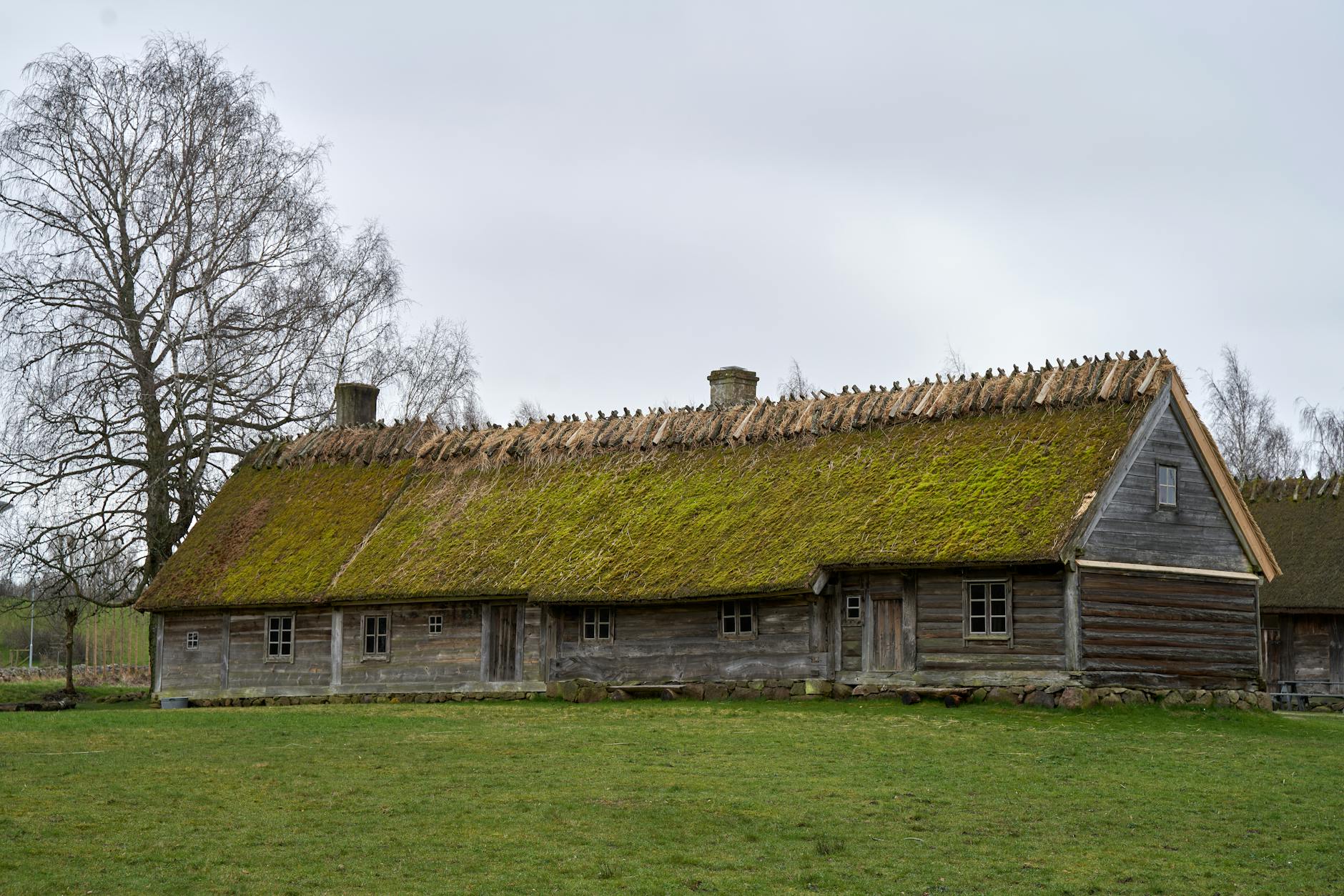
Around 150 houses were brought here from all over Sweden, along with one building from Norway, and rebuilt: farmhouses, manor houses, workshops, a bakery, a printing shop, even churches. Today the museum counts 190 buildings in all. They’re staffed by guides in period dress who’ll show you how people lived in a given century. Look out for the 16th-century Älvros farmhouses, the Seglora Church (a favourite for weddings), and the town quarter where you can watch bread, glass and silver being made the old way.
The Nordic zoo
Skansen keeps native Scandinavian animals — brown bears, lynx, moose (älg), wolverines and reindeer among them. It’s a genuine highlight, especially for anyone hoping to see the animals that Sweden’s forests are famous for without trekking into Lapland. Morning is the best time to catch them active.
Petting zoo and farm animals
Down in the old farmstead area there’s a petting zoo with sheep, goats, cows, chickens and pigs — an easy win with small children, and free to wander among.
Skansen-Akvariet
A separate tropical aquarium-and-rainforest with monkeys, reptiles and fish. Worth knowing: it needs its own ticket and isn’t covered by standard Skansen admission.
Crafts and the Skansen stage
Depending on the season, you can watch glassblowing, blacksmithing, weaving and baking done by hand. In summer, the open-air Skansen stage hosts folk music and concerts, including the long-running “Allsång på Skansen” singalong that’s a Swedish TV institution.
The highlights to prioritise
Skansen is big, so if you’re short on time, start with these. The brown bears in the zoo are the crowd-pleasers and best seen in the morning when they’re active. The Seglora Church and the old town quarter (with the bakery, glassworks and printing shop) give you the strongest sense of stepping back in time. And the terrace at Solliden has the finest view in the whole park, out over the water toward the city — even if you only stop for a coffee. If you’re visiting with a toddler, head straight for the petting-zoo end; if you’re here for the culture, start at the top of the hill and work downhill through the historic farms.
Combine Skansen with the rest of Djurgården
One of the best things about Skansen is where it sits. The whole of Djurgården is a green museum island, so you can easily pair a morning at Skansen with an afternoon elsewhere. Right next door is Gröna Lund, Stockholm’s historic amusement park (open mainly from late April to September, with extra days for Halloween and, before Christmas, Barnens Jul), which is a natural add-on with kids. A ten-minute walk takes you to the Vasa and Nordic Museums, and the whole island is laced with walking and cycling paths. Give yourself a full day out here and you won’t be scrambling.
Skansen’s seasonal celebrations
Honestly, the season you visit changes the whole experience. Skansen marks the Swedish year with Midsummer music and dancing round the maypole, a Christmas market and other traditional celebrations, and timing your trip around one is worth doing.
- Midsummer (Midsummer Eve is 25 June in 2027) — Traditional music, maypole raising, ring dances and flower crowns, with Skansen open 10:00–22:00 on Midsummer Eve. It’s magical and mobbed; book accommodation months ahead.
- Christmas Market (late November–December) — The city’s most traditional julmarknad, with 19th-century decorations, glögg (mulled wine), gingerbread, sausages and reindeer.
- Walpurgis Night (April 30) — Bonfires and choral singing to welcome spring.
- Lucia — Lucia celebrations in December; Skansen’s calendar lists this year’s programme and dates.
- Easter and National Day (June 6) — Family programming and traditional events.
How to get to Skansen
Skansen is on Djurgården, a short hop from the centre. My favourite way in is the vintage tram, but you’ve got options:
- Tram 7 from Sergels Torg / T-Centralen area to the “Skansen” stop — about 15 minutes and the easiest route.
- Djurgården ferry (line 82) from Slussen or Skeppsholmen, where it stops on request, to Allmänna gränd, 400 metres from Skansen. The nicest approach on a clear day.
- Bus 67 from the central area.
- On foot or by bike via Strandvägen and the Djurgårdsbron bridge. For a bike, rental firms such as Gamla Stans Cykel, Cykelstallet and Stockholm Adventures hire them out all year.
Skansen tickets and passes
An adult day ticket is listed at SEK 325 at present; the price varies by season, is lowest online and a little higher at the gate, and children aged 0–15 go free (since October 2025). If you’re a repeat visitor, an annual pass (SEK 445 in 2026) pays for itself on your second visit. Skansen is included in both the Go City Stockholm and Stockholm Pass sightseeing passes, which can be worth it if you’re cramming several paid attractions into a day. Note that the aquarium is always a separate ticket. Confirm the price for your date before you buy.
Best time to visit Skansen
Late spring through summer (roughly April to August) is the sweet spot: best weather, all the animals out, full programming and long light evenings, with Skansen open until 18:00 in high summer (31 May–29 August in 2027) and until 22:00 on Midsummer Eve. Midsummer and the Christmas market are the two peak events and are wonderful, but crowded — arrive at the 10:00 opening to beat the rush.
Tips for visiting Skansen
- Give it at least four hours. Three is the bare minimum; five or six lets you actually enjoy it rather than route-march.
- Wear proper shoes. Thirty hilly hectares is a lot of walking, and the paths are cobbled and gravelled.
- Look at a map of the grounds before you set off and plan a loop — it’s easy to miss whole sections otherwise.
- Book Solliden if you want a sit-down lunch; the flagship restaurant fills up.
- Layer up. Even summer evenings on the hill can turn cool.
- Pair it with the neighbours. The Vasa Museum and the ABBA Museum are on the same island — easy to combine into one Djurgården day.
Skansen with kids
Skansen is one of the most reliably family-friendly things to do in Stockholm. The petting zoo, the bears and moose, the hands-on crafts and the seasonal festivals all land well with children. Most paths are stroller-friendly (a few hilly stretches aside), there are cafés and restrooms dotted throughout, and the December Christmas market — reindeer, glögg, gingerbread — is genuinely magical for families. Skansen also runs children’s birthday packages if you happen to be in town for one.
Eating at Skansen
Restaurang Solliden is the flagship, serving husmanskost (Swedish home cooking) on a terrace with a view over the city — book ahead for lunch. Smaller cafés are scattered across the grounds for coffee, cinnamon buns and quick bites. During the Christmas market you’ll find julbord classics, glögg and gingerbread; at Midsummer, herring, salmon and new potatoes. There’s also plenty of green space if you’d rather bring a picnic on a sunny day.
Frequently asked questions
What is Skansen?
Skansen is the world’s first open-air museum, founded in 1891 on Djurgården island in Stockholm. It spreads across 30 hectares with 190 museum buildings, plus a Nordic zoo of native wildlife, live crafts demonstrations, and traditional seasonal celebrations at Midsummer and Christmas.
How much does Skansen cost?
Adults currently pay SEK 325, though the price changes with the season and is cheapest online, and children aged 0–15 get in free. An annual pass is SEK 445. Skansen is included in both the Go City Stockholm and Stockholm Pass. The aquarium is a separate ticket, so confirm before you go.
How long do you need at Skansen?
Plan on three to six hours. Between the historic village, the zoo, the crafts and the restaurants, Skansen rewards a long, unhurried visit. Three hours is the absolute minimum to see the highlights; five or six lets you take your time, watch a demonstration or two and stop for lunch without rushing.
Is Skansen worth visiting?
Yes — it’s arguably the single best all-in-one cultural outing in Stockholm. Where else can you see brown bears and other Nordic wildlife, step inside historic farmsteads, watch glass being blown by hand and dance round a Midsummer maypole, all in one afternoon? It’s especially good for families, but rewarding at any age.
How do you get to Skansen?
The easiest route is tram 7 from the T-Centralen area to the “Skansen” stop, about 15 minutes. You can also take ferry 82 from Slussen to Allmänna gränd, 400 metres from the entrance, catch bus 67, or walk or cycle across the Djurgårdsbron bridge.
What animals are at Skansen zoo?
Skansen focuses on native Scandinavian wildlife: brown bears, lynx, moose (älg), wolverines and reindeer, alongside a petting zoo of farm animals — sheep, goats, cows, chickens and pigs. It’s the easiest place near Stockholm to see the animals of the Nordic forests up close.
What is the Skansen Christmas Market like?
It’s Stockholm’s most traditional Christmas market, set among the 19th-century town buildings with period decorations, hand-made crafts, glögg (mulled wine), gingerbread, grilled sausages and reindeer. In 2026 it runs Friday to Sunday from 27 November to 20 December (Friday–Saturday 10:00–17:00, Sunday 10:00–16:00) and is especially lovely at dusk; Skansen’s Christmas programme lists its Lucia activities.
Skansen’s Christmas market has run since 1903 — stalls threaded through the historic buildings, costumed staff, open fires, roasted almonds and glögg, and the market itself comes with ordinary museum admission. It runs Fridays to Sundays only across four weekends, and our Stockholm Christmas markets guide has the exact dates alongside the rest of the city’s December calendar.
Two updates for your visit: since October 2025, children aged 0–15 get into Skansen free, and the adult ticket, now SEK 325, varies through the year and costs least when booked online. If you’re coming for Midsummer, the highlight of Skansen’s summer, our guide to Midsummer in Stockholm has the programme, opening hours and tips.