Stockholm Currency & Money: Cards, Cash, and Tipping (2026)
Stockholm currency guide — Swedish krona, cards vs cash, ATMs, tipping, Systembolaget, tax-free refund, and the practical money tips that save real SEK.
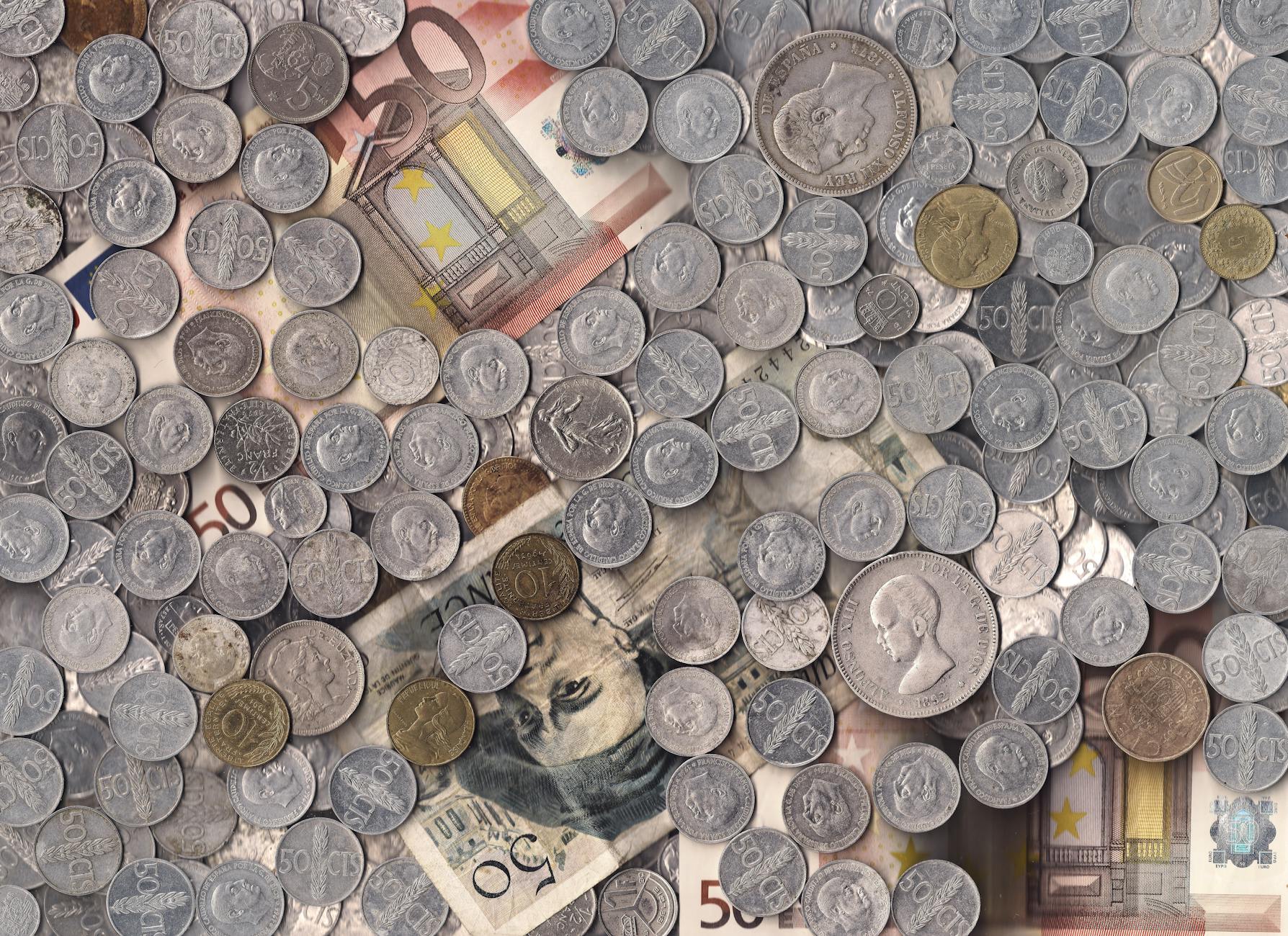
Here’s the short version, and honestly it’s the only part most people need: the Stockholm currency is the Swedish krona (SEK), and Sweden never adopted the euro. Sweden is one of the most cashless countries on earth. A contactless card, or your phone, handles almost everything, from the metro gate to the corner café. Bring a card, and leave the wad of bills at home.
That said, a few things about money here catch visitors out, so this guide walks through them properly, part of our wider complete Stockholm travel guide. We’ll cover what the krona is and roughly what it’s worth, the handful of places you might still want cash, the (fairly relaxed) tipping etiquette, ATMs and exchange, the Systembolaget alcohol quirk, the tax-free refund for non-EU visitors, and the small habits that save real money. Rates and prices move, so treat every figure below as “around” and check the current numbers before you travel.
What is the Stockholm currency?
The official currency is the Swedish krona (plural kronor), written as SEK or kr.
Sweden joined the EU in 1995 but voted to keep the krona in a 2003 referendum, and despite the odd flare-up of debate, the krona is still the only legal tender. Don’t try to pay in euros: most places won’t take them, and the few that do give you a lousy rate.
Notes come in 20, 50, 100, 200, 500 and 1,000 SEK. Coins come in 1, 2, 5 and 10 SEK. The current banknote series, introduced in 2015–2016, is rather lovely, with Swedish cultural icons on the front: Astrid Lindgren on the 20, Greta Garbo on the 100, Ingmar Bergman on the 200. You may well never handle them, but they’re worth a look if you do.
Exchange rates: what the krona is worth (2026)
Rough 2026 rates against the krona, for quick mental maths:
| Currency | Approx. value |
|---|---|
| 1 USD | ~10–11 SEK |
| 1 EUR | ~11–12 SEK |
| 1 GBP | ~13–14 SEK |
| 1 CAD | ~7.1 SEK |
| 1 AUD | ~7–7.5 SEK |
| 1 NOK | ~1 SEK |
| 1 DKK | ~1.5 SEK |
The easy shortcut: divide the SEK price by 10 for a rough US-dollar figure. A 250 SEK lunch is about $25. Always check the live rate before you fly, since these drift.
Cards or cash in Stockholm?
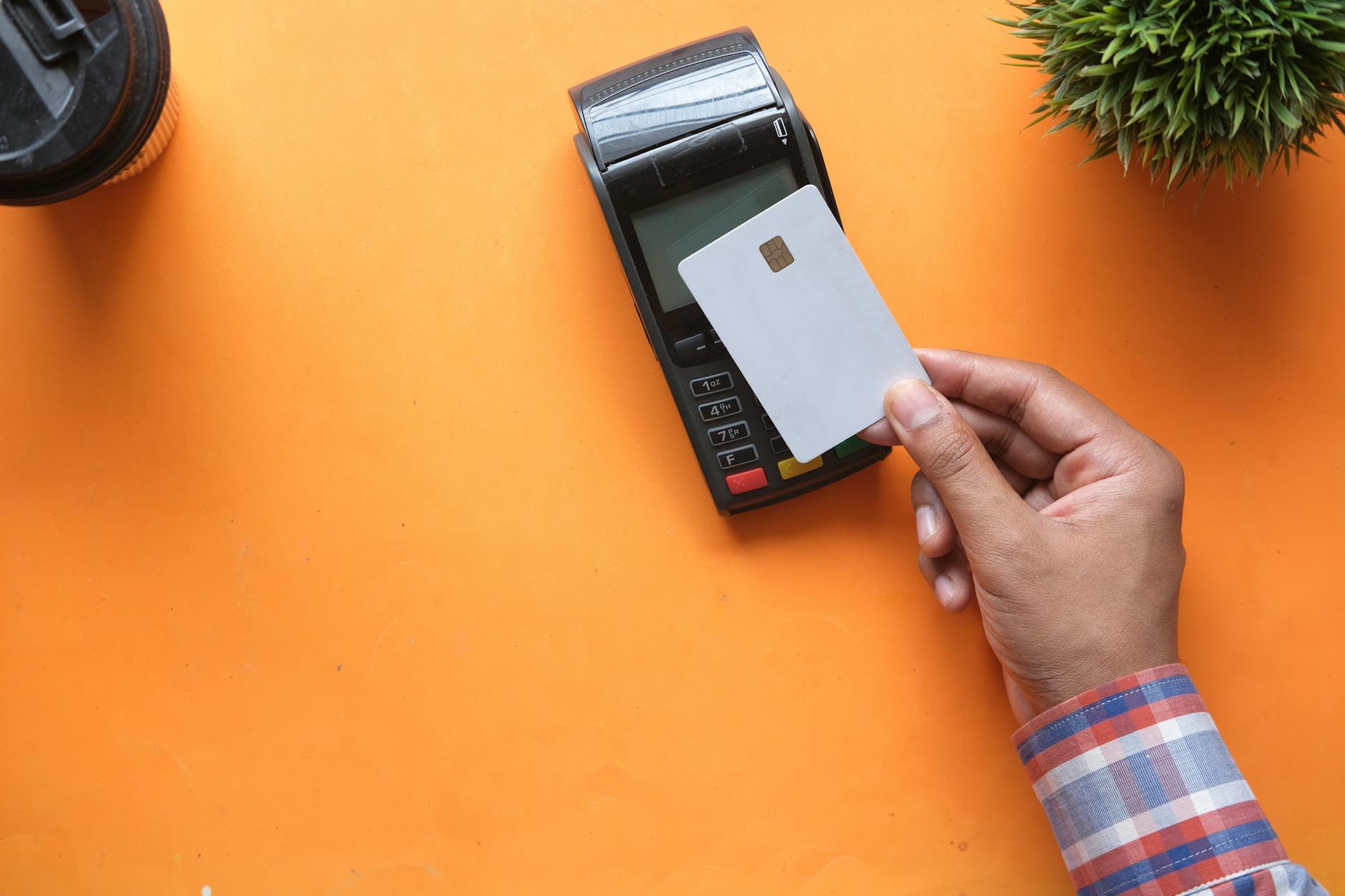
Cards, almost every time. Sweden’s payments market is almost entirely digital: cards are the most common way to pay, and cash use has been shrinking for years. In central Stockholm a card covers nearly everything a visitor pays for.
Where cards work (basically everywhere):
- Every restaurant, café and bar
- All hotels and accommodation
- All public transport, just tap a contactless card at the metro gate
- Taxis: Taxi Stockholm takes cards (and cash); check with other operators
- All shops, from big chains to tiny boutiques and Pressbyrån kiosks
- Museums, attractions, food halls and most markets
Where a little cash might still help (rare):
- A few public toilets (5–10 SEK, though most now take contactless too)
- The odd cash-only traditional restaurant, perhaps a handful in the whole city
- Tip jars at small bars and donation boxes at churches
- The occasional independent excursion operator
My advice: carry a contactless card with no foreign-transaction fee, plus maybe 200–500 SEK in cash as a just-in-case. You’ll probably fly home with most of that cash unspent.
The best cards to use in Stockholm
Visa and Mastercard are accepted universally, use whichever you have. American Express works at most upscale hotels, restaurants and chains, but some smaller spots don’t take it, so carry a Visa or Mastercard as backup. Apple Pay and Google Pay work everywhere, including at metro gates and vending machines. Discover and Diners Club are rarely accepted, leave them at home.
Good zero-FX traveller cards include Charles Schwab, Capital One and Chase Sapphire in the US; Monzo, Starling, Revolut and Wise in the UK; and Wise or ING in Australia. Within Europe, most banks have dropped FX fees already.
One thing to always decline: Dynamic Currency Conversion (DCC). At the terminal you’ll sometimes be asked whether to pay in SEK or in your home currency. Always choose SEK: the “home currency” option quietly adds a conversion markup. Check your own card issuer’s foreign fees too.
ATMs in Stockholm (Bankomat)
If you do want cash, ATMs here are called Bankomat, run by the big banks (SEB, Handelsbanken, Nordea, Swedbank) on a shared network. They’re getting scarcer, so don’t count on finding one on every street.
You’ll find them at bank branches in Norrmalm and Östermalm, at Central Station and Arlanda, and in the big malls like Mall of Scandinavia and Sturegallerian. How much you can take out depends on your card issuer: for most foreign cards Bankomat caps a withdrawal at SEK 2,000, and American Express cards at SEK 5,000. The Bankomat itself won’t charge you, but your home bank might levy an international ATM fee plus an FX markup, so check its policy first. Where you can, use a machine inside or attached to a bank branch to cut the (already low) skimming risk.
Currency exchange in Stockholm
The honest advice: don’t bother exchanging cash at all. Rates at the airport and in exchange bureaux are poor, and a card does the job better. If you must swap leftover notes from a connecting trip, Forex Bank has a counter at Arlanda. Hotels will change money too, though rarely at a rate worth taking. In nearly every case, simply withdrawing SEK from a Bankomat with your home card works out cheaper.
Tipping etiquette in Stockholm
Tipping here is light and genuinely optional, service staff earn a proper living wage, so nothing like the US expectation applies.
- Restaurants: welcome if you enjoyed the service, but optional; rounding up the bill is common.
- Bars and cafés: round up or leave small change, no percentage expected.
- Taxis: optional; rounding up the fare is a kind gesture.
- Hotel staff: 20–50 SEK per bag for a porter, 50–100 SEK for a concierge who really helps, and 10–20 SEK a night for housekeeping if you like.
- Tour guides: 50–100 SEK per person for a half-day tour; on free walking tours, 50–150 SEK is the norm.
You don’t tip transport drivers, counter-service staff or shop assistants. A warm “tack så mycket” goes further here than an oversized tip.
What things cost in Stockholm (in SEK)
A quick sense of what your kronor actually buy:
| Item | Around (SEK) |
|---|---|
| Coffee at a café | 35–55 |
| Cinnamon bun / pastry | 35–55 |
| Single metro fare | 43 |
| Dagens lunch (weekday deal) | 130–185 |
| Museum admission | 150–250 |
| 24-hour SL transit pass | 180 |
| Bottle of wine at Systembolaget | 90–180 |
| Cocktail at a flagship bar | 175–225 |
| Casual dinner main | 250–450 |
| Arlanda Express one-way | 340 |
| 7-day SL transit pass | 470 |
| Mid-range hotel night | 2,200–3,500 |
| Fine-dining tasting menu | 1,200–3,000+ |
Stockholm isn’t cheap, but it’s rarely as brutal as its reputation if you lean on weekday lunch deals, food halls and free tap water. For a fuller sense of how the days add up and how many to plan, our guide to how many days in Stockholm you need is a useful companion.
Systembolaget: the alcohol monopoly
Here’s a quirk worth knowing before a Sunday. Sweden runs a state monopoly on anything stronger than 3.5%: to take home wine, spirits or stronger beer, you buy it at a Systembolaget shop, while licensed bars and restaurants serve it on the premises. The one exception: since 1 June 2025, licensed producers may sell direct to visitors who have joined a paid visit at the farm or distillery.
- Hours: vary by shop, and every Systembolaget is closed on Sundays. Look up your nearest branch’s times on Systembolaget’s store finder and plan ahead.
- Prices: far cheaper than a bar. A 150 SEK bottle at Systembolaget can be 600–900 SEK on a restaurant list.
- Age: 20 to buy, and they check ID.
- Supermarkets sell only “folköl” at 3.5% or under, no wine or spirits.
The traveller move: pick up a bottle at Systembolaget for the hotel or apartment, and drink out in moderation, because the bar markup is steep.
Tax-free shopping (VAT refund) for non-EU visitors
If you live outside the EU (the US, UK, Canada, Australia, Japan and so on, though not Norway), you can reclaim part of the VAT (moms) on purchases of at least SEK 200 made in one participating shop on the same day, via Global Blue or Planet Tax Free, both with refund desks at Arlanda. The standard VAT rate is 25%, and refunds come with conditions and fees.
How it works, briefly:
- Show your passport at checkout and ask for a tax-free form. Big stores like NK, Åhléns and Acne Studios take part.
- Before checking your bags at Arlanda (Terminal 5, between check-in and security), take the form, receipt and your unworn goods to the refund desk.
- Get it stamped, sometimes after a quick customs look at the items.
- Receive the refund: cash at a Global Blue refund office is paid on the spot, while a refund to your card takes 3–5 days. Service and currency-conversion fees may apply.
Realistically, after processing fees you’ll get back up to 19% through Global Blue, depending on the purchase, not the full 25%. That’s well worth it on a 5,000 SEK coat (roughly 800 SEK back), less so on small buys. Goods must be unworn, tagged and in your carry-on for inspection. UK residents qualify post-Brexit; EU residents don’t.
Money-saving hacks for Stockholm
- Tap contactless on light days. Each tap of a contactless card at the gates buys a 75-minute single ticket (43 SEK), which beats a 24-hour pass (180 SEK) if you’ll ride four times or fewer; for busier days, or a whole week (470 SEK), buy a pass in the SL app.
- Always pay in SEK at terminals; decline DCC.
- Hunt down the dagens lunch. For 130–185 SEK, weekdays 11:30–14:00, you get a hot main plus salad, bread, water and coffee. It’s the best food value in the city.
- Buy alcohol at Systembolaget for in-room drinks; bar prices are four to five times retail.
- Drink the tap water, it’s free and excellent everywhere.
- Skip the paid sightseeing boats. The Djurgården ferry (free with an SL pass) and the Waxholmsbolaget archipelago ferries give you the same water views for a fraction of the cost.
- Time the sales (rea). Shops hold their big sales in summer and again after Christmas.
Carrying money safely in Stockholm
Stockholm is a safe city, but the usual big-city sense applies in the crowds at T-Centralen and around Gamla Stan. Keep cards and phone in a front pocket or a cross-body bag worn in front, don’t flash cash (almost no local does, so a fistful of notes marks you out), and spread a spare card and a note of your card numbers somewhere separate, like the hotel safe, so you can cancel fast if anything goes missing. For the wider safety picture, our local’s honest guide to whether Stockholm is safe for tourists goes deeper, and if you’re still deciding whether to come at all, the honest 2026 take on whether Stockholm is worth visiting is a good read.
Common money mistakes first-time visitors make
- Bringing too much cash. Sweden is cashless; 200–500 SEK is plenty of backup.
- Exchanging money at the airport. Bureau rates are poor once you add up the full quoted cost; use a card instead.
- Accepting DCC. Always choose “pay in SEK”.
- Assuming cash is fine at restaurants. Many no longer take it.
- Forgetting to set a travel notice on your card, foreign charges can trigger a fraud hold.
- Using a card with high FX fees. Many cards add a foreign-transaction fee, so check yours; bring a zero-FX card if you can.
- Over-tipping. 20% is American; here 10% is already generous.
- Getting caught out by Systembolaget’s Sunday closure. Buy ahead if you want a bottle for the weekend.
Rounding out your prep, our first time in Stockholm guide covers the wider dos and don’ts, the Stockholm packing list makes sure you land with the right card and layers, and the Stockholm tourist map helps you picture where all these ATMs, food halls and Systembolaget branches actually sit.
The 25% Swedish VAT is worth reclaiming if you are shopping seriously and eligible — you need to spend at least SEK 200 in one shop, and Global Blue refunds up to 19%, depending on the purchase and its fees. Our guide to Stockholm’s shopping streets walks through the paperwork and flags which streets make the claim worth the queue at Arlanda.
Because nearly every payment goes through a card reader, the tip question now arrives on the screen rather than at the table. Our guide to tipping in Stockholm explains what the prompt means, when to press 0% and when a 5–10% tip is in keeping with local habit.
Frequently asked questions
What currency is used in Stockholm?
The Swedish krona (SEK), not the euro, Sweden is an EU member but kept its own currency. Notes come in 20, 50, 100, 200, 500 and 1,000 SEK, and coins in 1, 2, 5 and 10 SEK. In practice, though, you’ll mostly pay by card, so you may barely see the notes at all.
Can I use euros in Stockholm?
No. Almost no Stockholm shop accepts euros, and the rare place that does gives a poor rate. Pay by card in kronor, or withdraw a little SEK from an ATM if you want cash. Trying to spend euros here just costs you money on conversion.
Should I bring cash to Stockholm?
Only a small backup, around 200–500 SEK. Sweden is functionally cashless, and many shops, restaurants and museums no longer take cash at all. A contactless card or your phone covers virtually every payment, and you’ll likely bring most of that cash home again.
What’s the best way to get Swedish kronor?
If you need notes, withdraw them from a Bankomat (a Swedish ATM) with your home card, which usually gives the best rate. Skip the airport exchange bureaux and their poor rates. Better still, don’t exchange at all and simply tap your card wherever you go.
Are credit cards widely accepted in Stockholm?
Yes, essentially universally. Visa and Mastercard are taken everywhere, and Apple Pay and Google Pay work at shops, restaurants and even metro gates. American Express is accepted at most larger venues but not every small boutique, so keep a Visa or Mastercard as backup.
What’s the tipping etiquette in Stockholm?
Relaxed. In restaurants a tip for good service is appreciated but never required, and many people simply round up. In bars and cafés, just round up. Porters get 20–50 SEK a bag. There’s no percentage expectation on casual service, since staff are paid a living wage, so tipping is a bonus, not a duty.
How much cash should I carry in Stockholm?
Around 200–500 SEK is ample as a fallback, and most days you won’t spend any of it. The few cash moments are the odd public toilet (5–10 SEK), a small tip jar, or a rare cash-only restaurant. Everything else is comfortably covered by card.
Do Stockholm ATMs charge fees?
The Bankomats themselves don’t, but your own bank may add an international ATM fee plus an FX markup, so check your card’s withdrawal and conversion terms before you travel. Zero-fee traveller cards such as Charles Schwab, Wise or Revolut avoid the worst of these charges.
What is Dynamic Currency Conversion, and should I accept it?
DCC is when a card terminal offers to charge you in your home currency instead of kronor. Always decline it and choose SEK. The home-currency option carries a conversion markup, so accepting it simply costs you more on every purchase.
How does the Stockholm tax-free refund work?
Visitors who live outside the EU (Norwegian residents excepted) can reclaim up to 19% through Global Blue, after fees, on purchases of at least SEK 200 in one participating shop. Ask for a Global Blue or Planet Tax Free form at checkout with your passport, then get it validated at the Arlanda refund desk before you check your bags. The goods must be unworn and in your carry-on.