Swedish Phrases for Tourists: 50+ Essentials with Pronunciation
Swedish phrases for tourists — 50+ essentials with pronunciation, from greetings and fika to emergencies. The Swedish you actually need for Stockholm.
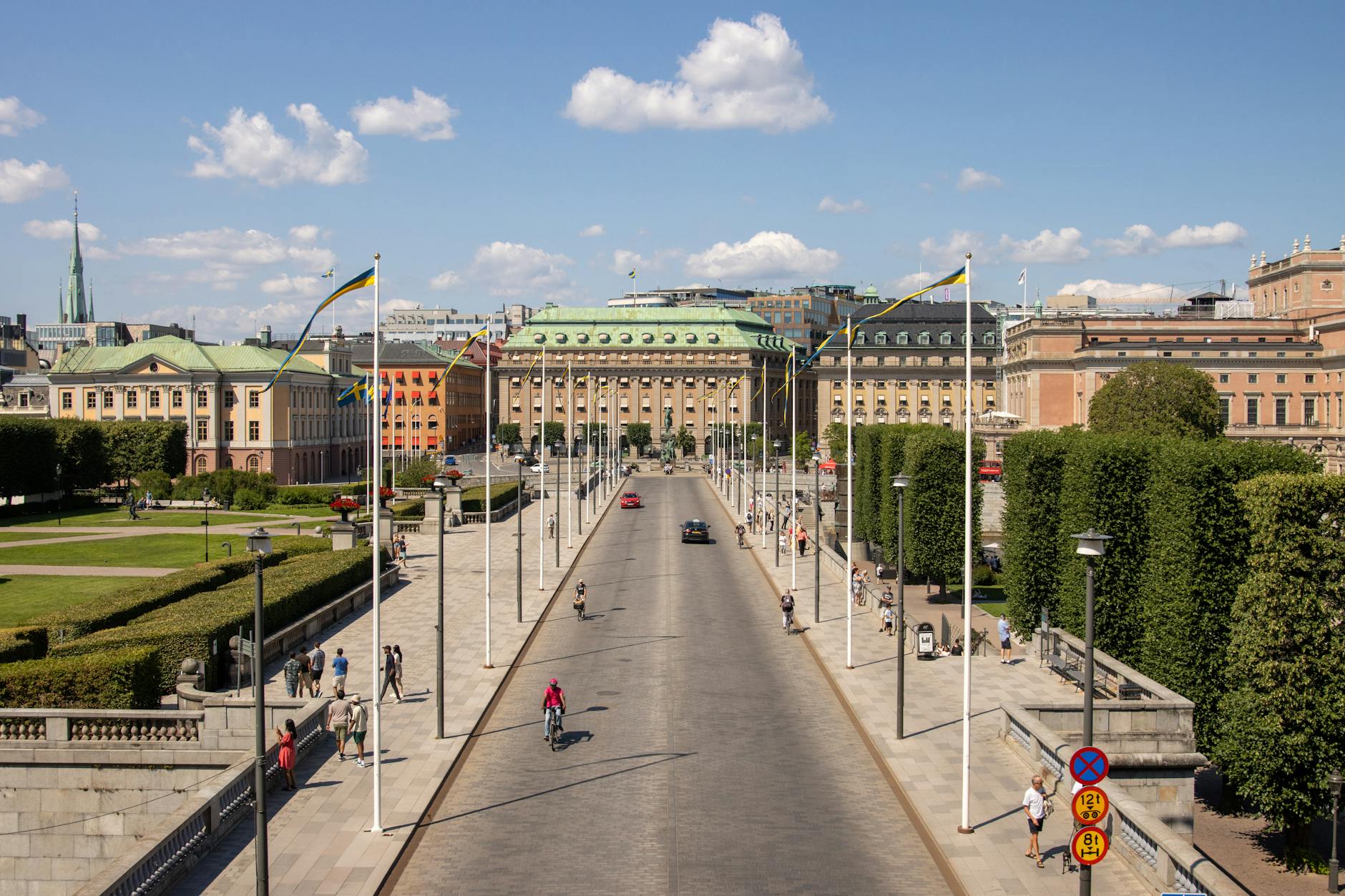
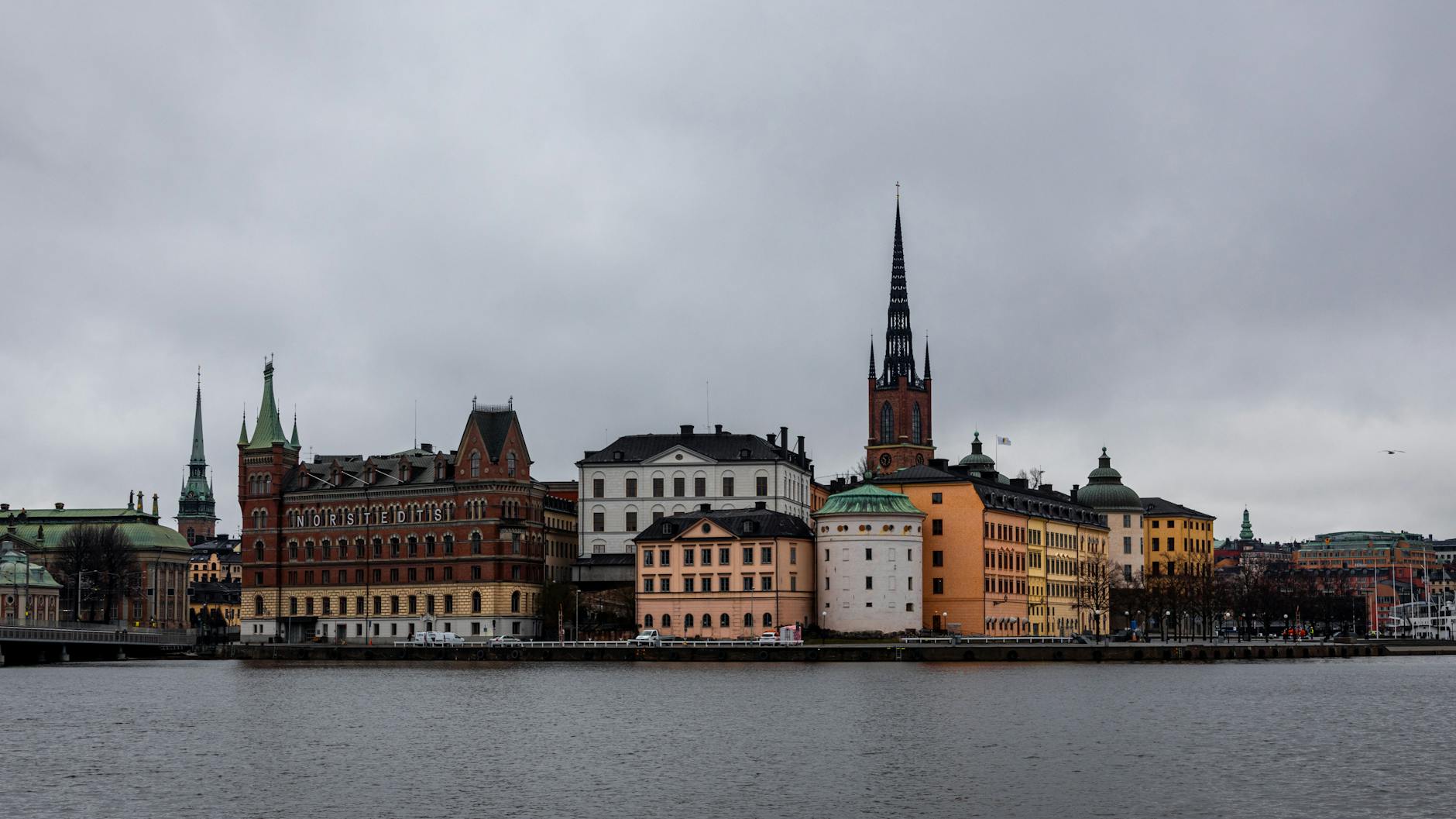
Here’s the honest truth about Swedish phrases for tourists: you barely need any. Stockholm runs on English so thoroughly that you could spend a week here without a word of Swedish and be fine. But learn ten or fifteen of them and something shifts — you earn a warmer welcome, you signal respect, and now and then you’ll catch a menu, a road sign or an older neighbour who hasn’t switched to English yet. Better still, the Swedish you actually need is short enough to pick up on the flight over. It also pairs naturally with the practical advice in our complete Stockholm travel guide.
This guide gives you 50+ Swedish phrases for tourists, organized by situation — greetings, food and dining, shopping, transport, emergencies, polite expressions, and the small cultural notes Swedes appreciate (like saying “Hej!” instead of “Hello”). Every phrase has approximate pronunciation. If you only learn five Swedish phrases, learn the first five — they make a useful starter set.
The 5 Swedish phrases every tourist should know
Hej [hay] — Hi / Hello. Used universally, all hours, formal and informal. Greet shopkeepers, restaurant staff, neighbors. The single most-used Swedish word.
Tack [tahk] — Thanks / Thank you. Universal. Use it constantly.
Hej då [hay-doh] — Goodbye. Universal.
Förlåt [fer-LOHT] — Sorry / Excuse me (for an error). Use when you bump into someone, mishear something, or apologize.
Ursäkta [oor-SHEK-tah] — Excuse me (to get attention). Use when calling a server, asking for directions, or interrupting politely.
These five make a useful starter set. The rest of this guide expands the vocabulary for specific situations.
Greetings and polite expressions
God morgon [good MOR-gon] — Good morning.
God dag [good DAHG] — Good day (formal).
God kväll [good KVELL] — Good evening.
God natt [good NAHT] — Good night.
Hej hej [hay hay] — Casual hi (doubled for warmth).
Tack så mycket [tahk so MIK-eh] — Thank you very much.
Tack så mycket för hjälpen [tahk so MIK-eh fur YEHL-pen] — Thanks so much for the help.
Varsågod [VAHR-soh-good] — You’re welcome / Here you go (when handing something over).
Ingen orsak [ING-en OOR-sahk] — No problem / Don’t mention it.
Det var så lite [det vahr so LEE-teh] — Don’t mention it (informal).
Trevligt att träffas [TREV-lit aht TREF-ahs] — Nice to meet you.
Ja [yah] — Yes.
Nej [nay] — No.
Kanske [KAHN-shek] — Maybe.
Snälla [SNEL-lah] — Please.
Skål! [skohl] — Cheers! Used universally for toasting drinks.
Asking for help and directions
Pratar du engelska? [PRAH-tar doo ENG-el-skah] — Do you speak English?
Jag pratar inte svenska [yah PRAH-tar IN-teh SVEN-skah] — I don’t speak Swedish.
Jag förstår inte [yah fer-STOHR IN-teh] — I don’t understand.
Kan du säga det igen? [kahn doo SAY-yah deh ee-YEN] — Can you say that again?
Var ligger…? [vahr LIG-er] — Where is…?
Var är toaletten? [vahr air toh-ah-LET-en] — Where is the toilet?
Hur kommer jag till…? [hoor KOM-er yah til] — How do I get to…?
Är det långt? [air deh LONGT] — Is it far?
Höger [HUR-ger] — Right.
Vänster [VEN-ster] — Left.
Rakt fram [rahkt FRAHM] — Straight ahead.
Hjälp! [yelp] — Help! (emergency).
Jag är vilse [yah air VIL-seh] — I’m lost.
Restaurant and café phrases (for fika and dinners)
En kaffe, tack [en KAH-feh tahk] — A coffee, please.
Ett glas vatten, tack [et glahs VAH-ten tahk] — A glass of water, please.
Kan jag få en meny, tack? [kahn yah foh en meh-NEW tahk] — Can I have a menu, please?
Vad rekommenderar du? [vahd reh-koh-men-DEH-rahr doo] — What do you recommend?
Jag tar… [yah TAHR] — I’ll have…
Är det glutenfritt? [air deh GLOO-ten-frit] — Is it gluten-free?
Är det vegetariskt? [air deh veh-geh-TAH-rist] — Is it vegetarian?
Räkningen, tack [REK-ning-en tahk] — The bill, please.
Kan jag betala med kort? [kahn yah beh-TAH-lah med KORT] — Can I pay by card?
Det smakade gott [deh SMAH-kah-deh GOT] — It tasted good.
En öl, tack [en URL tahk] — A beer, please.
Ett glas vin [et glahs VEEN] — A glass of wine.
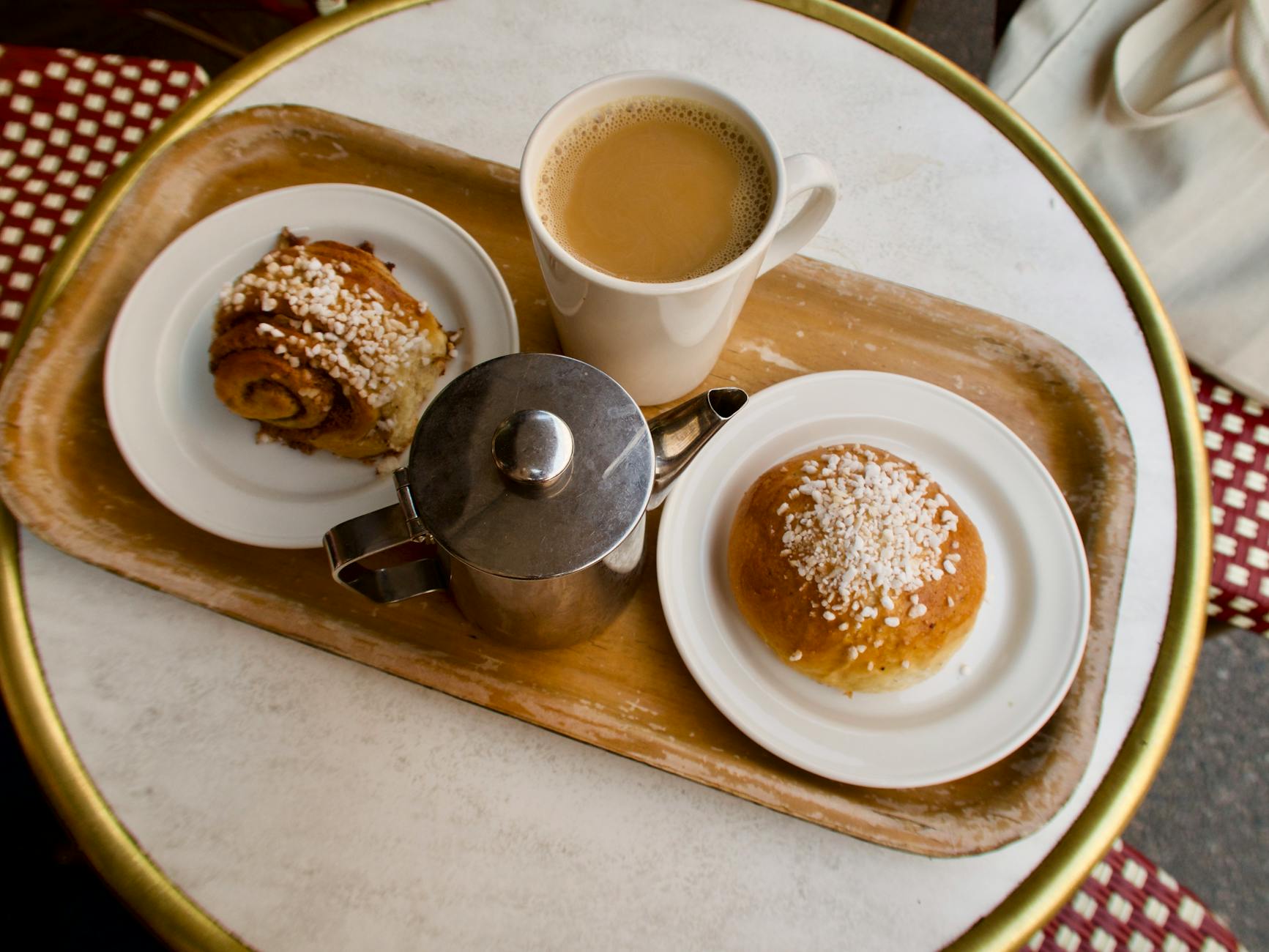
En kanelbulle [en kah-NEL-bul-leh] — A cinnamon bun. (One of Stockholm’s most-requested fika items.)
Fika [FEE-kah] — The Swedish coffee-and-pastry break. “Ska vi fika?” [skah vee FEE-kah] = “Shall we fika?”
Smaklig måltid [SMAHK-lit MOHL-tid] — Bon appétit / Enjoy your meal.
Shopping and money
Hur mycket kostar det? [hoor MIK-eh KOS-tar deh] — How much does it cost?
Det är för dyrt [deh air fer DURT] — It’s too expensive.
Har ni denna i en annan storlek? [hahr nee DEN-ah ee en AHN-ahn STOR-lek] — Do you have this in another size?
Jag bara tittar [yah BAH-rah TIT-ar] — I’m just looking.
Kan jag prova den? [kahn yah PROH-vah den] — Can I try it on?
Jag vill betala [yah vill beh-TAH-lah] — I’d like to pay.
Tax-free, tack — Tax-free form, please. (Use with non-EU passport for VAT refund.)
Krona / Kronor [KROH-nah / KROH-nor] — Crown / Crowns (Swedish currency, 1 SEK / 10 SEK etc.).
Öre [UR-eh] — 1/100 of a krona (rare in everyday life).
Public transport phrases
En biljett, tack [en bil-YET tahk] — A ticket, please.
Tunnelbana [tun-el-BAH-nah] — Metro / Underground.
Buss [boos] — Bus.
Tåg [TOHG] — Train.
Spårvagn [SPOHR-vahgn] — Tram.
Färja [FEHR-yah] — Ferry.
Stockholms Centralstation [STOK-holms sen-TRAHL-stah-shoon] — Stockholm Central Station.
När går nästa tåg? [nair gohr NES-tah TOHG] — When does the next train leave?
Vilket spår? [VIL-keh SPOHR] — Which platform?
Är denna platsen ledig? [air DEN-ah PLAHT-sen LEH-dig] — Is this seat free?
Jag stiger av här [yah STIG-er ahv hair] — I’m getting off here.
Emergency and medical phrases
Ring 112! [ring et hun-drah TOHLV] — Call 112! (the emergency number)
Ring polisen [ring POH-li-sen] — Call the police.
Jag behöver en läkare [yah beh-HUR-ver en LAY-kah-reh] — I need a doctor.
Jag behöver en ambulans [yah beh-HUR-ver en ahm-boo-LAHNS] — I need an ambulance.
Var är närmaste apotek? [vahr air NAIR-mah-steh ah-poh-TEK] — Where is the nearest pharmacy?
Jag är allergisk mot… [yah air ah-ler-YEESK MOOT] — I’m allergic to…
Jag har ont [yah hahr OONT] — I’m in pain / It hurts.
Min plånbok är borta [min PLOHN-boohk air BOHR-tah] — My wallet is gone.
Ring brittiska/amerikanska ambassaden [ring BRIT-tis-kah/ah-meh-ree-KAHN-skah ahm-bah-SAH-den] — Call the British/American embassy.
Numbers 1–20 and basic times
Swedish numbers are useful for prices, addresses, and times:
1 ett [eht] / en [en] (gendered)
2 två [tvoh]
3 tre [treh]
4 fyra [FEW-rah]
5 fem [fem]
6 sex [seks]
7 sju [hoo]
8 åtta [OH-tah]
9 nio [NEE-oh]
10 tio [TEE-oh]
11 elva [EL-vah]
12 tolv [tolv]
13 tretton [TRET-ton]
14 fjorton [FYOR-ton]
15 femton [FEM-ton]
16 sexton [SEKS-ton]
17 sjutton [SHUH-ton]
18 arton [AHR-ton]
19 nitton [NIT-ton]
20 tjugo [SHU-goh]
50 femtio [FEM-tee-oh]
100 hundra [HUN-drah]
1000 tusen [TOO-sen]
Time-related:
Klockan [KLOH-kahn] — The clock / o’clock
I dag [ee DAHG] — Today
I morgon [ee MOR-gon] — Tomorrow
I går [ee GOHR] — Yesterday
Just nu [yoost NOO] — Right now
Senare [SEH-nah-reh] — Later
När? [nair] — When?
Days and months
Måndag [MOHN-dahg] Monday
Tisdag [TEES-dahg] Tuesday
Onsdag [OONS-dahg] Wednesday
Torsdag [TOORS-dahg] Thursday
Fredag [FREH-dahg] Friday
Lördag [LUR-dahg] Saturday
Söndag [SUN-dahg] Sunday
Januari [yah-noo-AH-ree] / Februari / Mars / April / Maj / Juni / Juli / Augusti / September / Oktober / November / December. Most month names are similar to English.
Cultural notes Swedes appreciate
Use “Hej” universally — formal vs informal distinctions are minimal in Swedish, and “Hej” works for everyone from your barista to the prime minister. There’s no equivalent of “Sir” or “Madam” — just first names plus “Hej.”
Don’t ask “How are you?” as small talk — Swedes interpret it literally and may give a real answer (or feel awkward responding). Use “Hej!” alone for everyday interactions.
Punctuality is highly valued — being even 5 minutes late is noted. Saying “Ursäkta att jag är sen” [oor-SHEK-tah aht yah air SEN] = “Sorry I’m late” if you are late.
“Tack” (thanks) is used much more than English “thanks” — Swedes thank servers, drivers, and shopkeepers more often than Americans do. Default to “Tack” anywhere a transaction happens.
“Lagom” [LAH-gom] is the famously untranslatable Swedish concept meaning “just right, not too much, not too little.” If a Stockholmer offers you food and asks if it’s enough, “Det är lagom” = “It’s just right.”
Swedes wait their turn — there’s a deep cultural respect for queues. Cutting in line is the rudest possible behavior.
“Skål!” while drinking — Always make eye contact when toasting. The eye contact is considered as important as the words.
Saying “Tack för senast” [tahk fur SEH-nahst] — Means “Thanks for last time.” Swedes say this when they meet someone who recently hosted them or had them over. Even days or weeks later, this is the polite acknowledgment.
Pronunciation tips
Swedish vowels matter: Swedish has nine vowels including ä, å, and ö. Don’t substitute English equivalents — “ö” (rounded “uh”) is different from “o,” and “å” (long “oh”) is different from “a.”
“Sj” sounds: words like “sjuk” (sick) and “sju” (seven) start with a sound between English “sh” and “h.” Approximate it as “h” if uncertain — Swedes will understand.
“K” before front vowels (e, i, y, ä, ö) is pronounced as “sh” or “ch” — “Kex” (cracker) sounds like “shex,” not “kex.”
Stress falls on the first syllable in most words. “Stockholm” = STOK-holm, not stok-HOLM.
Don’t worry about being perfect. Swedes know their language is hard and appreciate any effort. Most will switch to English at the first hint of difficulty.
Words only go so far without the customs behind them. Why Swedes say tack instead of please, why tack för senast matters, and when to take your shoes off are all in our guide to Swedish cultural etiquette, the dos and don’ts that make the phrases land.
If you’re wondering how many of these phrases you’ll actually need, the honest answer is very few: Stockholmers speak excellent English, and most will switch to it the moment they hear an accent. Our guide to whether Swedes speak English explains where English works, where a few Swedish words genuinely help (the milk aisle is one), and how to keep a conversation in Swedish if you want to practise.
Apps and resources for learning more Swedish
Duolingo: free, gamified, good for travel basics.
Pimsleur Swedish: audio-only, repetition-based. Strong for pronunciation.
Babbel: subscription, more grammar-heavy. Useful if you’re staying longer than a tourist trip.
Google Translate: download Swedish offline before flying. Photo translation works on menus, signs, and product labels.
SR Radio: Sveriges Radio runs Swedish-language news in slow Swedish (“Klartext”) for learners. Free podcast.
SVT Play: Swedish public broadcaster with subtitled content. Useful for hearing real spoken Swedish.
Common mistakes tourists make with Swedish
Mispronouncing “Stockholm” — it’s STOK-holm in Swedish, not stoke-HOME. Stress on the first syllable.
Confusing “Sverige” (Sweden) with “Svenska” (Swedish) — Sverige [SVEH-ree-yeh] = the country, Svenska [SVEN-skah] = the language.
Saying “Hello” in English when entering shops — switch to “Hej” and you’ll instantly feel more local.
Forgetting “Tack” — Swedes thank constantly. Tourists who don’t can come across as rude.
Refusing to attempt Swedish at all — even “Hej, tack” earns substantial goodwill. Don’t feel embarrassed; Swedes are forgiving.
Trying to speak Swedish at a fast pace — slow down. Most Swedes speak more clearly when they hear a learner.
The 10 Swedish phrases you’ll actually use the most
1. Hej — Hi (every interaction).
2. Tack — Thanks (every transaction).
3. Tack så mycket — Thank you very much.
4. Hej då — Goodbye.
5. Pratar du engelska? — Do you speak English?
6. Var är toaletten? — Where is the toilet?
7. Räkningen, tack — The bill, please.
8. Skål! — Cheers!
9. Förlåt — Sorry.
10. Ja / Nej / Kanske — Yes / No / Maybe.
Frequently asked questions
What are the most useful Swedish phrases for tourists?
The five essentials: Hej (hi), Tack (thanks), Hej då (goodbye), Förlåt (sorry), and Ursäkta (excuse me). Add “Pratar du engelska?” (Do you speak English?), “Var är toaletten?” (Where is the toilet?), and “Räkningen, tack” (The bill, please) for travel-specific situations.
Do I need to know Swedish to visit Stockholm?
No. Customer-facing staff almost always switch to English at the first non-Swedish word. Knowing 5–10 Swedish phrases earns goodwill but isn’t necessary.
How do you say hello in Swedish?
“Hej” [hay] is the universal Swedish greeting — formal and informal, all hours, with everyone. It’s the single most-used Swedish word.
How do you say thank you in Swedish?
“Tack” [tahk] is the standard “thanks.” “Tack så mycket” [tahk so MIK-eh] is “thank you very much.” Use “Tack” constantly — Swedes use it more often than English-speakers.
How do you say cheers in Swedish?
“Skål!” [skohl] — used universally for toasting drinks. Always make eye contact when toasting; the eye contact is considered as important as the word.
What does “fika” mean?
“Fika” [FEE-kah] is the Swedish coffee-and-pastry break — a daily ritual at 11:00 and 15:00. “Ska vi fika?” = “Shall we fika?” The closest English equivalent is “coffee break” but with stronger cultural weight.
What is “lagom”?
“Lagom” [LAH-gom] is the famously untranslatable Swedish concept meaning “just right, not too much, not too little.” It applies to food portions, work-life balance, design, and Swedish culture broadly.
How do you say sorry in Swedish?
“Förlåt” [fer-LOHT] — used when you make a mistake or apologize. “Ursäkta” [oor-SHEK-tah] — used to get attention or excuse yourself politely. Use Förlåt for genuine apologies; Ursäkta for “excuse me” moments.
How do Swedes greet each other?
“Hej!” universally, regardless of formality or relationship. Swedes don’t have strong formal/informal greeting distinctions. “Hej hej” is a doubled, warmer version often used among friends.
Should I learn Swedish before visiting Stockholm?
Not strictly necessary, but knowing the basic 10 phrases above is recommended as a courtesy. Most tourists who learn even minimal Swedish get warmer responses from locals than those who default to English.
Packing for the weather is its own art here — our Stockholm packing list has you covered. For first-time orientation, see first time in Stockholm, and to plan your days, how many days in Stockholm.