Stockholm vs Copenhagen vs Oslo: Which to Visit?
Stockholm vs Copenhagen vs Oslo — full comparison on cost, food, museums, transport, day trips, and which Scandinavian capital to pick for your trip.
If you have one Nordic city-break to spend and a fear of choosing wrong, here’s my honest take on Stockholm vs Copenhagen (and Oslo, the quieter third option). All three share the region, the design polish and the frankly punishing prices — but they reward different travellers. Stockholm is the biggest and most varied, the only one with a sprawling island archipelago on its doorstep. Copenhagen is the densest, most bike-friendly, and the strongest for food. Oslo is your gateway to Norway’s fjords and mountains. If you want the Stockholm case in full, start with our complete Stockholm travel guide.
Below I compare all three on the things that actually decide a trip: what each city does best, where it disappoints, food and nightlife, transport, 2026 prices, day trips and the season you’re travelling in. Skip to the 30-second answer if you just want a verdict, or read on for the reasoning.

The 30-second answer
Pick Stockholm if: You want an island/water city with the best museum lineup, an unmatched archipelago for day trips, and the broadest mix of design, history, and nature. Best for first-time Scandinavia visits and families.
Pick Copenhagen if: You want a dense, walkable, bicycle-rich city with a big food scene, plenty of design shopping, and an easy “just live here for a week” feel. Best for foodies and design enthusiasts.
Pick Oslo if: You want fjord-dramatic scenery, modern architecture, and access to Norway’s nature beyond the city. Best for nature-first travelers and those continuing on to Bergen, the fjords, or northern Norway.
If you have 7+ days in Scandinavia: visit two of three. Stockholm + Copenhagen pair best (both reachable by ferry, train, or cheap flight). Oslo pairs best with a continued trip to Bergen and the western fjords.
City profiles at a glance
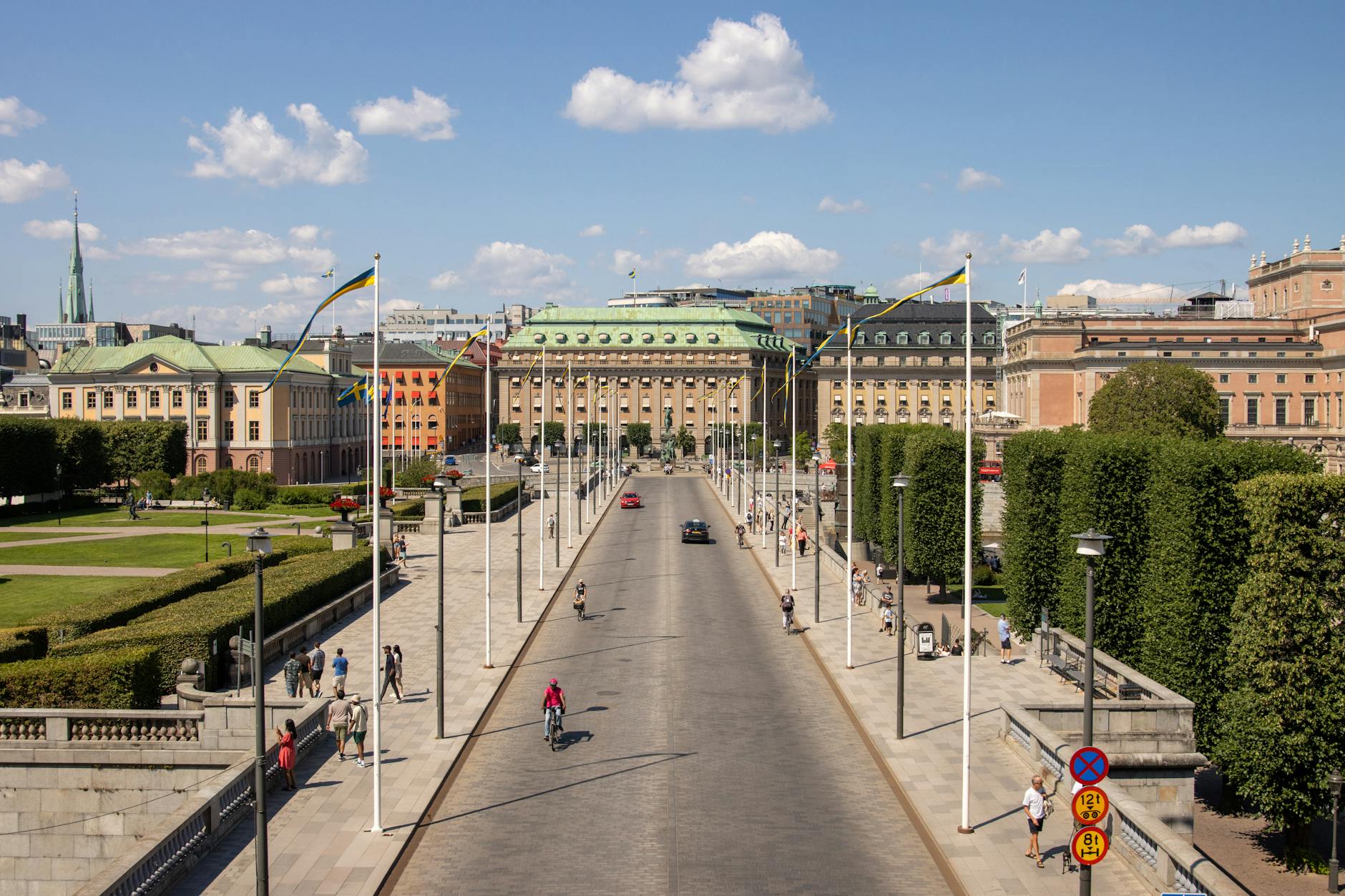
Stockholm — population about one million (city), about 2.5 million (Stockholm County). Built on 14 islands. Major attractions: Vasa Museum, Skansen, ABBA, Royal Palace, City Hall, the archipelago. Best for: museums, water, families, design.
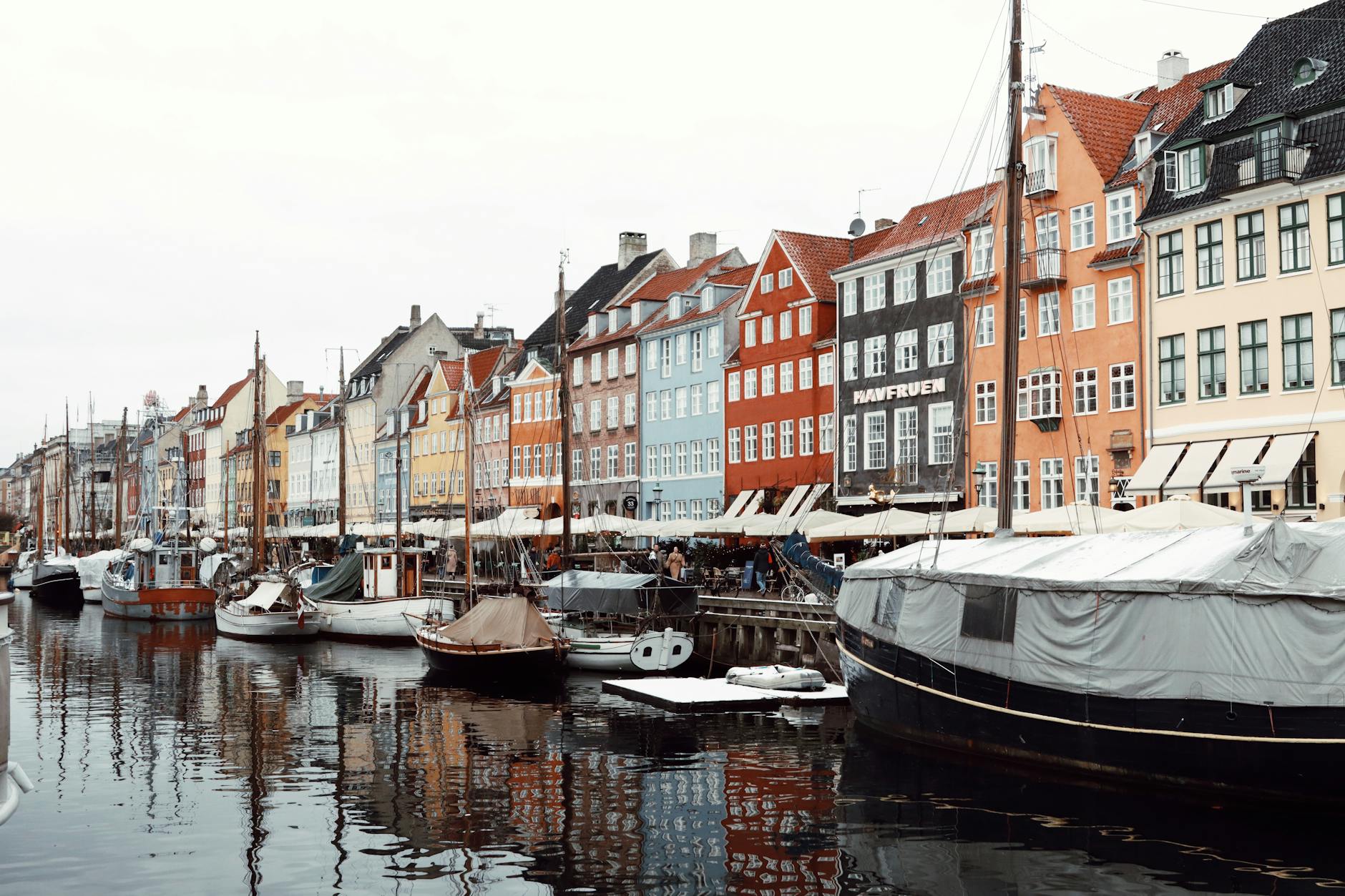
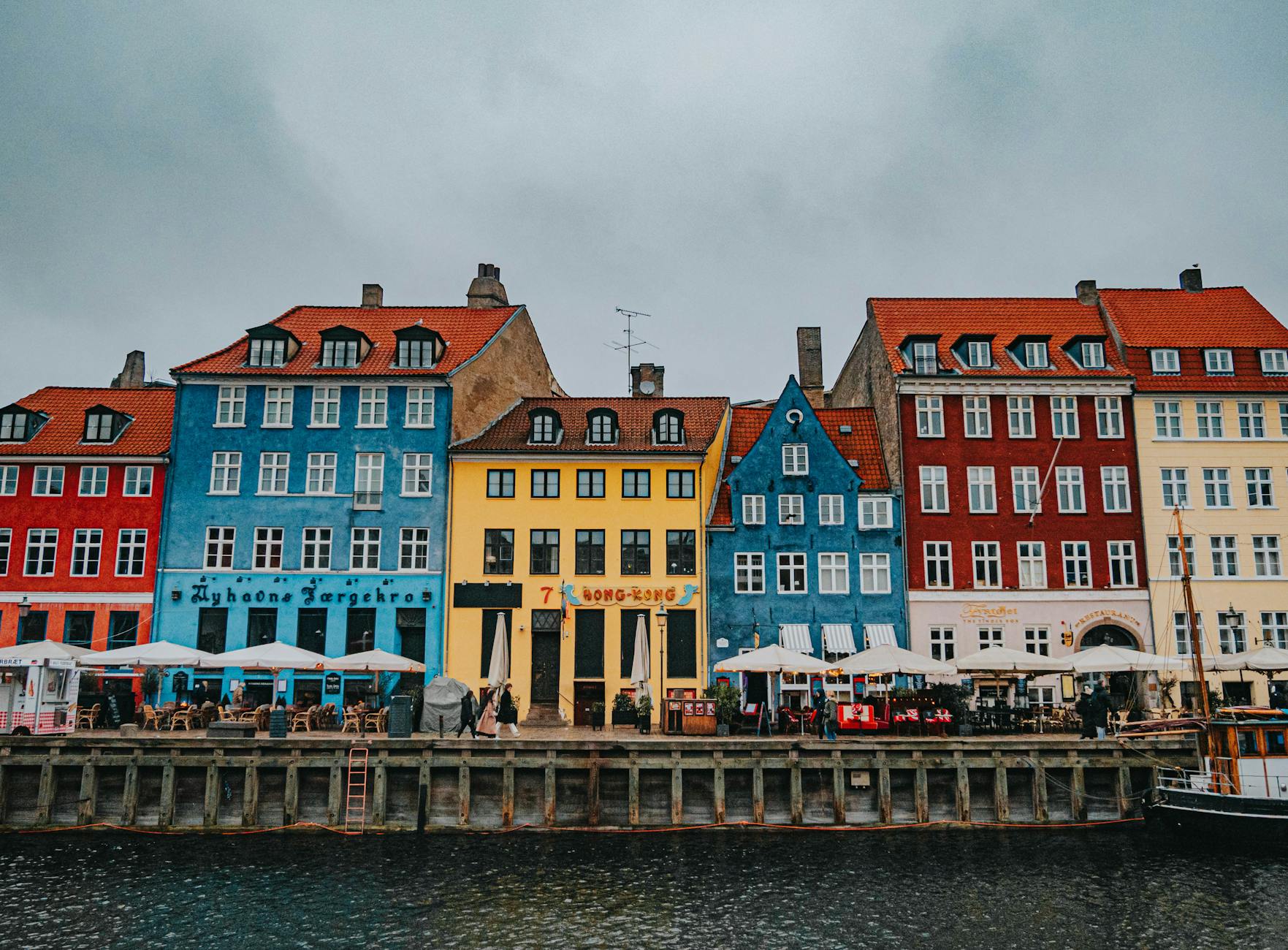
Copenhagen — population about 650,000 (city), 1.4 million (urban area). Compact, mostly flat. Major attractions: Nyhavn, Tivoli Gardens, the Little Mermaid, Christiania, Rosenborg Castle, Designmuseum Danmark. Best for: food, design, bicycles, dense walkability.
Oslo — population about 730,000 (city, 2026), 1.1 million (urban area). Built around a fjord. Major attractions: Vigeland Sculpture Park, Munch Museum, Opera House, Fram polar exploration ship, Akershus Fortress, Holmenkollen ski jump. Best for: nature access, modern architecture, fjords.
Cost comparison: Stockholm vs Copenhagen vs Oslo
All three are expensive by European standards. Mid-range traveler costs per person per day in 2026:
Hotels (mid-range): Stockholm 2,500 SEK ($250), Copenhagen 1,800 DKK ($265), Oslo 2,400 NOK ($230). Oslo can spike higher in summer peak.
Casual dinner (one course + drink): Stockholm 350 SEK ($35), Copenhagen 280 DKK ($41), Oslo 380 NOK ($36).
Coffee: Stockholm 40 SEK ($4), Copenhagen 40 DKK ($5.85), Oslo 50 NOK ($4.75).
Beer (50cl): Stockholm 85 SEK ($8.5), Copenhagen 60 DKK ($8.75), Oslo 110 NOK ($10.5).
Public transport day pass: Stockholm SL 24-hour ticket 180 SEK ($18), Copenhagen City Pass Small (24 hours, zones 1–4) 100 DKK ($14.6), Oslo Ruter 24-hour (zone 1) 137 NOK ($13). Copenhagen and Oslo are cheaper than Stockholm on day passes.
Average mid-range traveler day total: Stockholm $200–250, Copenhagen $230–280, Oslo $260–340. Oslo is meaningfully more expensive.
Top museums and attractions compared
Stockholm museums
Vasa Museum — World’s only mostly-intact 17th-century warship. Unique. The single most distinctive Scandinavian museum. Skansen — World’s oldest open-air museum (1891), 75 acres of historic Swedish buildings + a small zoo with native Nordic animals. ABBA Museum — Interactive music museum dedicated to Sweden’s biggest pop export. Royal Palace — Working royal residence, plus the Royal Armoury and Treasury. Nationalmuseum — National art collection, reopened in 2018 after a major renovation. Moderna Museet — Modern and contemporary art on Skeppsholmen island. City Hall — Site of the annual Nobel Banquet; its tower is closed for renovation until 2029.
Copenhagen museums
National Museum of Denmark — National history collection, particularly strong on Viking artifacts. Designmuseum Danmark — Best Scandinavian design museum, period. Glyptotek — Excellent classical antiquities and 19th-century French art collection in a stunning building. Louisiana Museum of Modern Art — 35 km north of Copenhagen (about 40 minutes by train to Humlebæk, then a 10–15-minute walk) but worth the trip for the architecture and the seaside sculpture park. Rosenborg Castle — Renaissance royal castle with the Danish Crown Jewels. National Gallery (SMK) — Denmark’s national gallery of art.
Oslo museums
Vigeland Sculpture Park — Free outdoor sculpture park with 200+ Gustav Vigeland bronzes and granites. Munch Museum — Edvard Munch’s largest collection in the new MUNCH building (opened 2021). Fram Museum — Polar exploration ship Fram, the most-decorated polar ship in history. Viking Ship Museum — Closed while the new Museum of the Viking Age is built; it is planned to open in 2027. Holmenkollen Ski Jump — Active ski jump with museum and observation deck. Norwegian Folk Museum (Norsk Folkemuseum) — Open-air museum on Bygdøy peninsula with traditional buildings.
Verdict on museums
Stockholm is the museum pick — Djurgården puts the Vasa Museum, ABBA The Museum and Nordiska museet alongside Skansen, the world’s oldest open-air museum, on one walkable island. Copenhagen has the best design museum (Designmuseum Danmark) and the strongest classical antiquities (Glyptotek). Oslo has the most dramatic outdoor museum (Vigeland) and the best polar history (Fram).
Food scene comparison
Copenhagen wins. The Noma effect — René Redzepi’s transformation of “New Nordic” cuisine starting in the early 2000s — built a deep food scene with multiple Michelin-star restaurants, the Torvehallerne food hall, the Reffen street-food market on the waterfront, and a strong casual scene. Stockholm has 12 Michelin-starred restaurants with 15 stars between them, while Oslo’s list is led by three-star Maaemo and two-star Kontrast.
Stockholm has world-class fine dining (Frantzén, Aira, Ekstedt, Aloë, and Operakällaren until it closes for a multi-year renovation at the end of December 2026) and excellent saluhall (food hall) culture but a thinner mid-range scene. Best for travelers who book one or two destination dinners.
Oslo has a strong New Nordic mid-range, and Maaemo (3 Michelin stars) is its fine-dining headline. The fish and seafood quality across the city is exceptional thanks to Norway’s coastal access.
Casual food: Copenhagen wins on smørrebrød (open-faced sandwiches), pastries, and street food. Stockholm wins on saluhall lunch deals and meatballs. Oslo wins on seafood casual (fish soup at Mathallen) and reindeer charcuterie.
Coffee culture: All three are world-class. Copenhagen edges ahead with Coffee Collective and La Cabra. Stockholm matches with Drop Coffee and Johan & Nyström. Oslo’s Tim Wendelboe is one of the most-respected coffee figures in the world.
Nightlife comparison
Stockholm — Polished cocktail scene (Tjoget, formerly Linje Tio, has appeared on the World’s 50 Best Bars list; Pharmarium is another), Stureplan upmarket clubs, Söder craft and music venues. Clubs keep going well after the bars have shut.
Copenhagen — Excellent for natural wine, casual beer culture (Mikkeller, To Øl), Christiania alternative scene, late-night until 05:00. The most relaxed Scandinavian nightlife.
Oslo — Smaller scene, mostly clustered around Aker Brygge and Grünerløkka. Closing times vary from bar to bar. Less of a destination for nightlife.
Verdict: Copenhagen for the most relaxed and food-integrated nightlife. Stockholm for the most polished cocktail scene. Oslo trails both meaningfully.
Public transport and walkability
Stockholm — Excellent metro, bus, tram, ferry network on one ticket. The 14-island geography means more transport time (good ferry rides) but also more variety. Walkable within neighborhoods; transit between them.
Copenhagen — Excellent driverless metro, S-train commuter network, the densest cycling infrastructure in Europe. Rent a bike for 100 DKK/day and it becomes the easiest Scandinavian city to navigate. Most flat, most walkable.
Oslo — Compact, walkable, strong tram and metro. The smaller area makes the centre easy to cover on foot. Less of a transport challenge than Stockholm.
Verdict: Copenhagen wins for walkability and bicycles. Oslo wins for compactness. Stockholm has the best transit network for a larger city.
Day trips comparison
Stockholm: 30,000-island archipelago (unmatched), Drottningholm Palace (UNESCO), Uppsala (university town, 40 min by train), Sigtuna (oldest Swedish town), Mariefred + Gripsholm Castle. The most-varied day-trip menu of the three.
Copenhagen: Helsingør (Kronborg/Hamlet’s Castle, 45 min), Roskilde (Viking Ship Museum, 30 min), Louisiana Museum of Modern Art (about 40 min by train to Humlebæk, then a 10–15-minute walk), Malmö Sweden (roughly 40 min by train across the Øresund), Møn island and chalk cliffs (1.5 hours).
Oslo: Bergen + the western fjords (6.5–7.5 hours on the famous, scenic Bergen Railway), and Drøbak, the harbor town by Oscarsborg Fortress. Day trips lean toward “spectacular nature” rather than “small charming town.”
Verdict: Stockholm wins on archipelago. Oslo wins on dramatic nature. Copenhagen wins on accessibility (Malmö, about 40 minutes away by train, is a unique two-country day trip).
Architecture and city design
Stockholm — Mix of medieval Gamla Stan, 19th-century neoclassical (City Hall, Royal Palace), and modern (Modern Museet, the Mood shopping center). The water and bridges define the city more than any single architectural era.
Copenhagen — Strong 17th–19th-century brick (Nyhavn, Christianshavn), excellent 21st-century modern (Black Diamond, Royal Library, the Eight House), and the new harbor harbor pools and bicycle bridges define the contemporary look.
Oslo — Most modern of the three. The 2008 Opera House (walk-on roof, Snøhetta-designed), the Munch Museum (2021) and the new Deichman Library (2020) are all 21st-century landmarks, and the Aker Brygge waterfront dates from an earlier rebuild, between 1982 and 1998.
Verdict: Oslo wins on contemporary architecture. Stockholm wins on the variety. Copenhagen wins on density of beautiful streets.
Climate and seasons
All three have similar Nordic climates with shared seasonal rhythm:
Summer (June–August): All three peak. At the June solstice Stockholm gets about 18 hours 37 minutes of daylight, Oslo slightly more (18 hours 49 minutes) and Copenhagen about 17 hours 32 minutes. Copenhagen and Oslo are slightly milder. Best window for the three-capital trip.
Autumn (September–October): Stockholm and Copenhagen retain decent weather; Oslo cools faster. Best value-to-experience window.
Winter (November–February): All cold and dark. Oslo is the snowiest (and the easiest to combine with skiing). Stockholm has the best Christmas markets at Skansen. Copenhagen has Tivoli Gardens’ winter season.
Spring (March–May): Transitional. Cherry blossoms peak in Stockholm and Copenhagen in late April. Oslo is later and more variable.

Which to pick by traveler type
First-time Scandinavia visitor
Stockholm. Broadest mix of attractions, easiest first-time experience, and the most variety in 3–4 days.
Foodie traveler
Copenhagen. Deeper Michelin scene, stronger casual food, the New Nordic legacy, and the food halls (Torvehallerne, Reffen) make it the strongest food capital.
Family with kids
Stockholm. Djurgården museum island packs Vasa, Skansen, ABBA Museum, Junibacken, and Gröna Lund into one walkable district. Copenhagen’s Tivoli Gardens is excellent but less varied. Oslo is hardest with kids — fewer dedicated kids’ attractions.
Couple’s romantic weekend
Copenhagen. The most romantic urban setting — Nyhavn, the bicycle culture, the natural-wine bars, the dense walkability. Stockholm second (waterside sunsets, archipelago overnights). Oslo third.
Design and architecture enthusiast
Tie between Copenhagen and Oslo. Copenhagen has more design retail and the Designmuseum Danmark; Oslo has more dramatic 21st-century architecture (Opera House, MUNCH, Deichman Library). Stockholm wins if you want broader Scandinavian design density (Acne, Filippa K, Svenskt Tenn).
Nature-first traveler
Oslo. Direct access to fjords, mountains, skiing, and Norway’s wilderness beyond. Stockholm’s archipelago is excellent but smaller-scale. Copenhagen is least nature-focused.
Budget traveler
Stockholm. Slightly cheaper than Copenhagen, meaningfully cheaper than Oslo. Hostels and apartment rentals are good in all three.
Returning Scandinavia visitor
The one you haven’t been to. If you’ve been to Stockholm, go to Copenhagen for a different rhythm; if you’ve been to both, Oslo’s nature focus is the new dimension.
Combining cities — the practical side
Stockholm + Copenhagen: A natural pairing for a 7-day Scandinavian trip. The train from Stockholm to Copenhagen runs through Malmö (stop off there for an extra Sweden city); check SJ for journey times and whether your departure needs a change. Direct flights link the two as well. Tallink Silja overnight ferries (Tallinn, Riga) reach Stockholm; Go Nordic Cruiseline’s overnight ferries (Oslo) connect Copenhagen.
Copenhagen + Oslo: Go Nordic Cruiseline’s overnight ferry between the two — fun option (cabins, buffet dining, bars and entertainment on board). Flying direct is the quick alternative. By train requires changing in Gothenburg or Hamburg.
Stockholm + Oslo: About five hours by SJ’s high-speed train. You can also fly direct. The train route is one of Europe’s prettier scenic rides.
All three (Stockholm + Copenhagen + Oslo): 10–14 days minimum. Most travelers do this as Stockholm → Copenhagen (3 days each) → train/ferry to Oslo (3 days) with 1–2 transit days.
Verdict by month
June: Stockholm wins — peak archipelago + 22:00 sunset.
July: Tied — all three at peak.
August: Copenhagen edges ahead — most outdoor festivals, Pride.
September: Stockholm — best value-to-experience.
October: Copenhagen — autumn streets, indoor food.
November: Skip Oslo (worst light); Stockholm and Copenhagen tie.
December: Stockholm wins — Skansen Christmas market, Lucia.
January–February: Oslo (skiing access), Copenhagen (cozy indoor), Stockholm (Christmas market hangover).
March: Oslo for late skiing.
April: Stockholm — cherry blossoms, Walpurgis, opening of summer.
May: Copenhagen — Carlsberg events, opening of outdoor.
Common Stockholm vs Copenhagen vs Oslo questions
Which is the most beautiful — Stockholm, Copenhagen, or Oslo?
Subjective, but most travelers rank Stockholm first for water + island scale, Copenhagen second for the dense old city aesthetic, and Oslo third for fjord-dramatic but smaller-scale beauty.
Which is the most expensive?
Oslo is the most expensive — particularly for restaurants, beer, and hotels. Copenhagen is second. Stockholm is the cheapest of the three but still more expensive than most non-Nordic European capitals.
Which has the best food?
Copenhagen wins — most Michelin stars, deeper New Nordic scene, the Noma legacy, two world-class food halls. Stockholm is strong; Oslo is good for fish but smaller.
Which is the best for first-time Scandinavia visitors?
Stockholm. Broadest mix of attractions, easiest first-time experience, the archipelago is unique to the city, and family-friendliness is the highest of the three.
Which has the best public transport?
Copenhagen for cycling and walking. Stockholm for transit network breadth. Oslo for compactness. All three are excellent — pick based on what you’ll use.
Can I combine Stockholm + Copenhagen + Oslo in one trip?
Yes — 10–14 days minimum. Typical route: Stockholm 3–4 days → train to Copenhagen 3 days → train or ferry to Oslo 3 days. Add transit days.
Which is the best Scandinavian capital for solo travelers?
Stockholm or Copenhagen — both have strong hostel scenes, welcoming bar cultures, and easy public transit. Oslo is also fine but smaller and harder to socialize in.
Which has the best summer experience?
Stockholm. More than 18 hours of daylight around midsummer, and the archipelago. Copenhagen and Oslo summers are good, but neither has the same water-island access, and Copenhagen’s days are shorter (Oslo’s run slightly longer).
Which has the best Christmas markets?
Stockholm. Skansen’s Christmas market is one of Europe’s most atmospheric. Copenhagen’s Tivoli Gardens Christmas season is a close second. Oslo’s markets are smaller but include the Spikersuppa rink.
Which is the most family-friendly?
Stockholm. Djurgården museum island, free transit for kids under 7, abundant playgrounds, and Gröna Lund. Copenhagen’s Tivoli is excellent but the city otherwise has fewer dedicated kids’ attractions.
Which has the best fjord access?
Oslo — direct access to the Oslofjord (city fjord), and the famous western fjords (Sognefjord, Geirangerfjord) are within reach via Bergen: the scenic train there takes about 6.5–7.5 hours, and the fjords need onward travel beyond Bergen. Stockholm has the archipelago but no fjords. Copenhagen has neither.
Which is the safest?
All three are top-tier safe European capitals. Gang-related crime, including shootings and explosions, has been reported in Stockholm, but central tourist areas are very safe; pickpockets, who often target tourists, are the thing to watch.
If Stockholm gets your vote, decide if it is your kind of city with our honest is Stockholm worth visiting take, work out how long to stay with how many days in Stockholm, and get your krona questions sorted in the Stockholm currency and money guide. First trip? First time in Stockholm covers the basics.