Sweden Itinerary: Building a Trip Around Stockholm
How to build a Sweden trip around Stockholm: five itineraries from five days to two weeks, by train, ferry and short flights, with realistic 2026 travel times, the best seasons and what to leave out.
A Sweden itinerary almost always starts in Stockholm, and the best ones use the capital as a hub rather than a stop. The city has the country’s main airport, its busiest railway station and its ferry ports, and from it you can reach a medieval walled town on a Baltic island, a west-coast city of seafood and trams, the red-cottage lake country of Dalarna and, with a flight or a night train, the Arctic. What you cannot do is see all of it in a week. Sweden is about 1,600 kilometres from top to bottom, and the trips that go wrong are nearly always the ones that try.
This guide sets out five tried-and-tested ways to build a Sweden trip around Stockholm, from five days to two weeks, with realistic travel times, the best season for each and an honest word on what to leave out. Travel times were checked in October 2026 with the operators. Engineering work can lengthen a journey, so check the timetable on SJ’s site for your dates before you book anything that depends on a connection.
Base: Stockholm, with three or four nights for the city itself.
Gothenburg: normally about 3 hours by SJ high-speed train, though engineering work can lengthen a journey.
Malmö and Copenhagen: about 4.5 hours to Malmö, then a short hop across the Öresund Bridge to Copenhagen.
Gotland: about 3 hours by ferry from Nynäshamn, an hour south of the city.
Lapland: about an hour and a half by air to Kiruna, or a long night on the train.
Best seasons: June to August for Gotland, the archipelago and Dalarna; December to March for Lapland’s snow and northern lights.
Rule of thumb: one region beyond Stockholm per week of travel.
How to think about a Sweden trip
The mistake almost everyone makes is to treat Sweden like a small country. On the map it looks compact next to Norway; on the ground it is enormous, and the interesting parts are far apart. Kiruna, in Swedish Lapland, is further from Stockholm than Stockholm is from Berlin. So the planning principles are simple.
- Give Stockholm its due. Three full days is the minimum for the city, four is better, and there are day trips enough to fill a week. Our guide to how many days to spend in Stockholm goes into it.
- Pick one direction. West to Gothenburg, south to Malmö and Copenhagen, east to Gotland, north-west to Dalarna or far north to Lapland. With a week, choose one. With two, choose two that link up.
- Take the train where you can. Swedish trains are comfortable, city centre to city centre, and cheap if booked early. Fly only to the far north, where the train takes most of a day and a night.
- Use open-jaw flights. Fly into Stockholm and home from Gothenburg or Copenhagen, and you save a day of backtracking.
- Match the region to the season. Gotland and the archipelago are summer places; Lapland is at its most magical in the snow.
Itinerary 1: five days, Stockholm and its surroundings
Best for: first-timers, short trips, and anyone who would rather see a lot of one place than a little of many.
There is plenty of Sweden within an hour of the capital. Spend three days in the city itself, then use the last two for the classic trips out: one day north to Uppsala, and one day on the water.
- Days 1–3: Stockholm. Gamla Stan, the Royal Palace, the Vasa Museum and Skansen on Djurgården, Södermalm and the City Hall. Our three-day Stockholm itinerary has the detail.
- Day 4: Uppsala and Sigtuna. Sweden’s great university town, with its cathedral and the royal burial mounds at Gamla Uppsala, is about 40 minutes away by train. Sigtuna, the country’s oldest town, is on the way and makes a lovely afternoon. See our guides to Uppsala and Sigtuna.
- Day 5: the archipelago or Lake Mälaren. In summer, take a boat out to Vaxholm or all the way to Sandhamn. Otherwise, go west on the lake to Drottningholm Palace or the Viking town of Birka.
Three UNESCO World Heritage sites, Drottningholm, Birka and the Woodland Cemetery, are all within easy reach of the city, which says something about how much this corner of Sweden holds.
Itinerary 2: seven days, Stockholm and Gothenburg
Best for: a week-long first trip, city lovers, food lovers.
Sweden’s two biggest cities make a natural pair, and they are very different: Stockholm grand, watery and a little formal; Gothenburg, on the west coast, relaxed, friendly and built around its port, with a reputation among Swedes for the best seafood and the worst puns.
- Days 1–4: Stockholm, including one day trip.
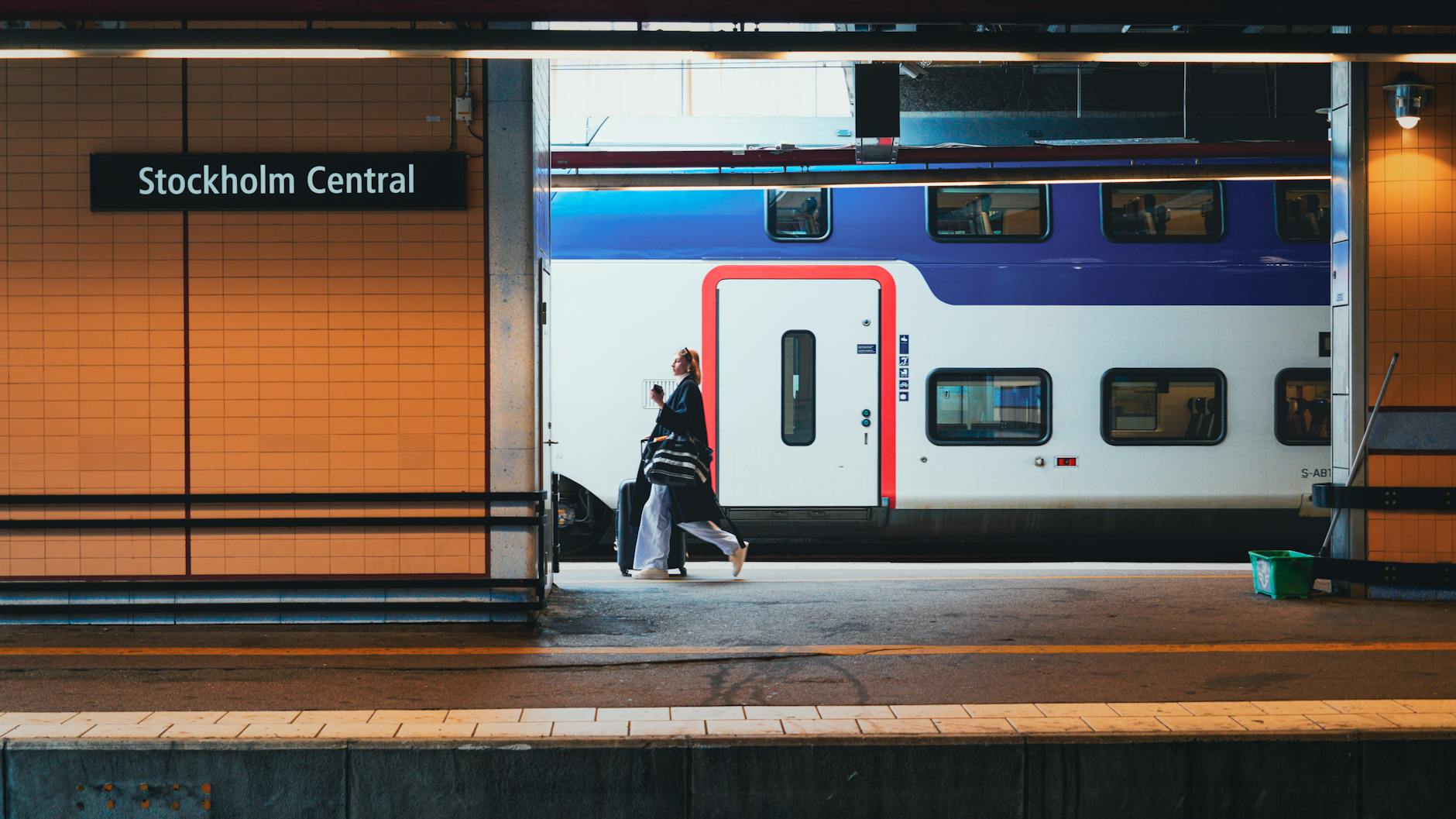
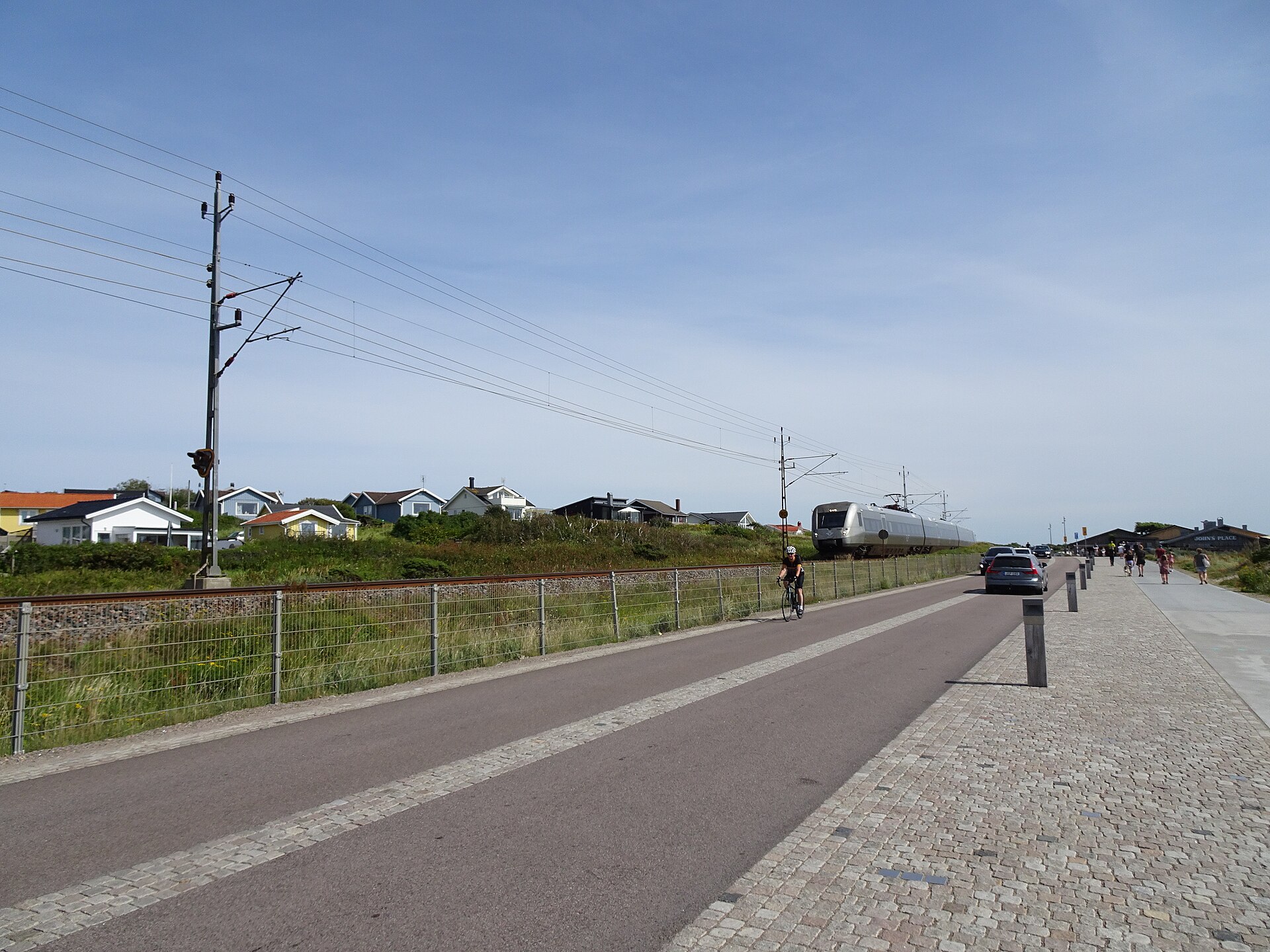
- Day 5: train to Gothenburg. SJ’s high-speed trains normally take about three hours from Stockholm Central, though engineering work can lengthen a journey, so book ahead for the best fares. Our Stockholm Central Station guide explains where the trains leave from.
- Days 5–7: Gothenburg. Wander the wooden houses and cafés of Haga, eat at the fish market hall known as Feskekôrka, “the fish church”, and take the tram to Saltholmen and a ferry into the car-free southern archipelago. In summer and at Christmas, Liseberg, the city’s amusement park, is a big part of the fun.
- Fly home from Gothenburg, rather than going back to Stockholm.
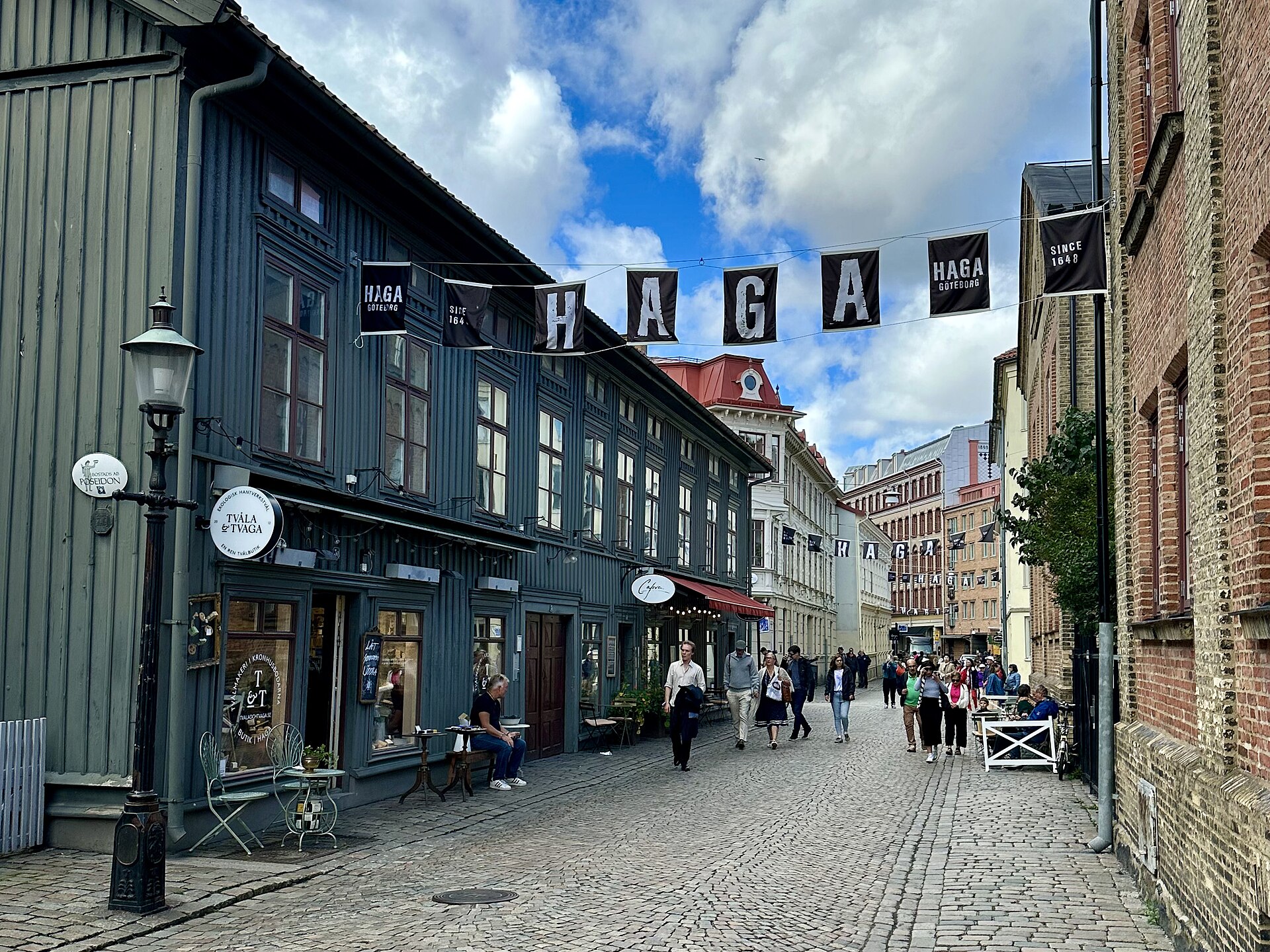
Is Gothenburg worth it as a day trip from Stockholm instead? Not really. It is possible, but six or more hours on a train for an afternoon in a city that deserves two days is poor value, especially when engineering work stretches the journey. Stay the night.
Itinerary 3: ten days, the southern rail loop to Copenhagen
Best for: train lovers, and anyone who wants two Scandinavian capitals in one trip.
This is the classic Scandinavian rail journey: Stockholm to Gothenburg, down the west coast to Malmö, and across the Öresund Bridge to Copenhagen, then home by air from Copenhagen.
- Days 1–4: Stockholm.
- Days 5–6: Gothenburg, by train as above.
- Day 7: Gothenburg to Malmö, a little under two hours and twenty minutes on SJ’s express trains since December 2025, after the new tunnel at Varberg opened in July 2025. Malmö is a lively, young, multicultural city with Santiago Calatrava’s twisting Turning Torso tower rising over the Western Harbour.
- Days 8–10: Copenhagen, about 35 minutes from Malmö by train across the bridge.
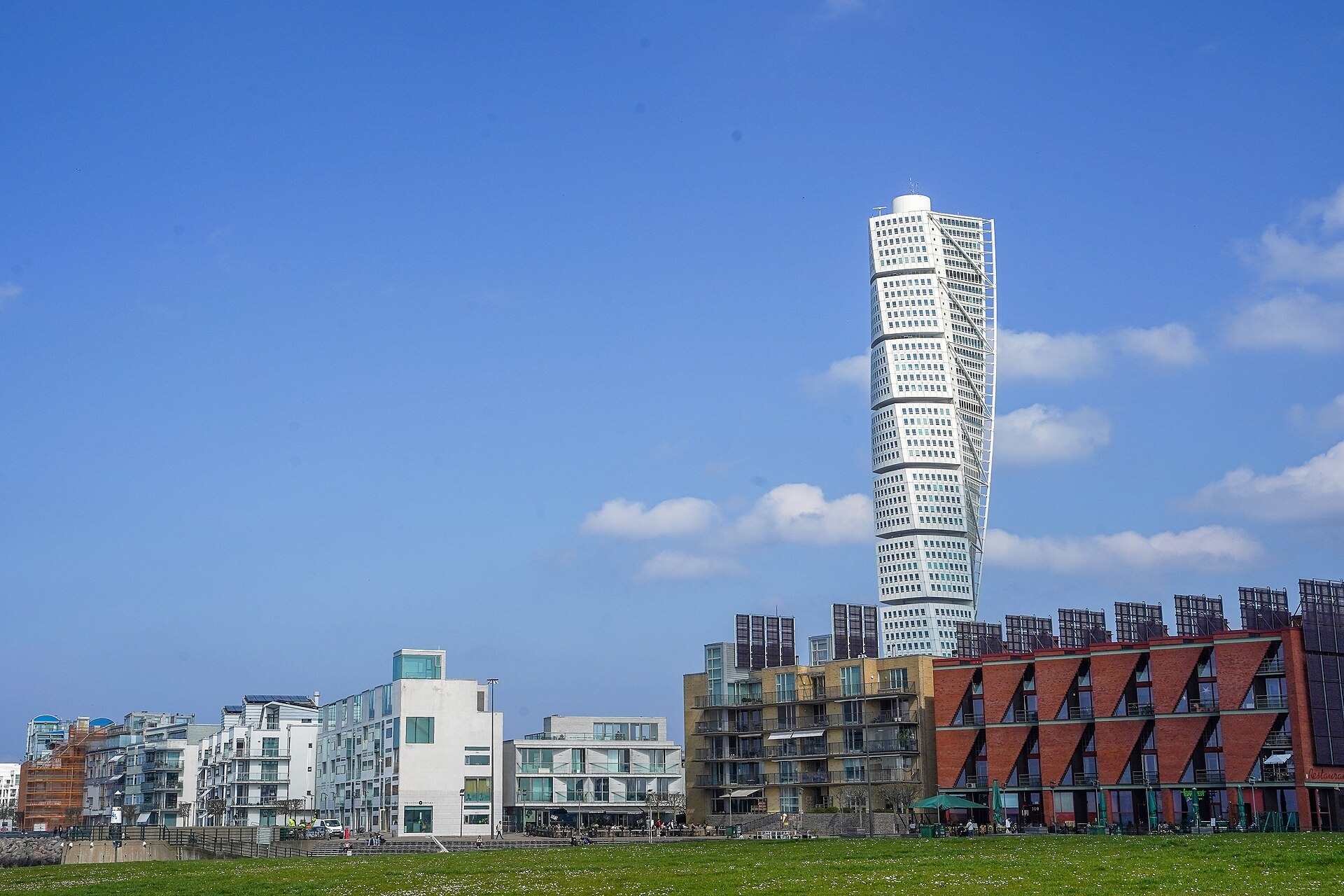
If you would rather skip Gothenburg, Stockholm to Malmö direct takes about four and a half hours, with fares from about SEK 195 booked early. For Copenhagen, change at Malmö. For a comparison of the three Scandinavian capitals, see our guide to Stockholm vs Copenhagen vs Oslo.
Itinerary 4: ten to fourteen days in summer, the islands and the lakes
Best for: June to August, families, anyone after the Sweden of red cottages, lakes and long light evenings.
This is the summer Sweden of the postcards, and it combines the Stockholm archipelago, the island of Gotland and the lake country of Dalarna.
- Days 1–4: Stockholm, at its best in the long June and July evenings. See our guides to Stockholm in June and the midnight sun.
- Days 5–6: the archipelago. Spend a night or two on an island rather than just a day. Our guides to the Stockholm archipelago and where to stay in the archipelago help you choose.
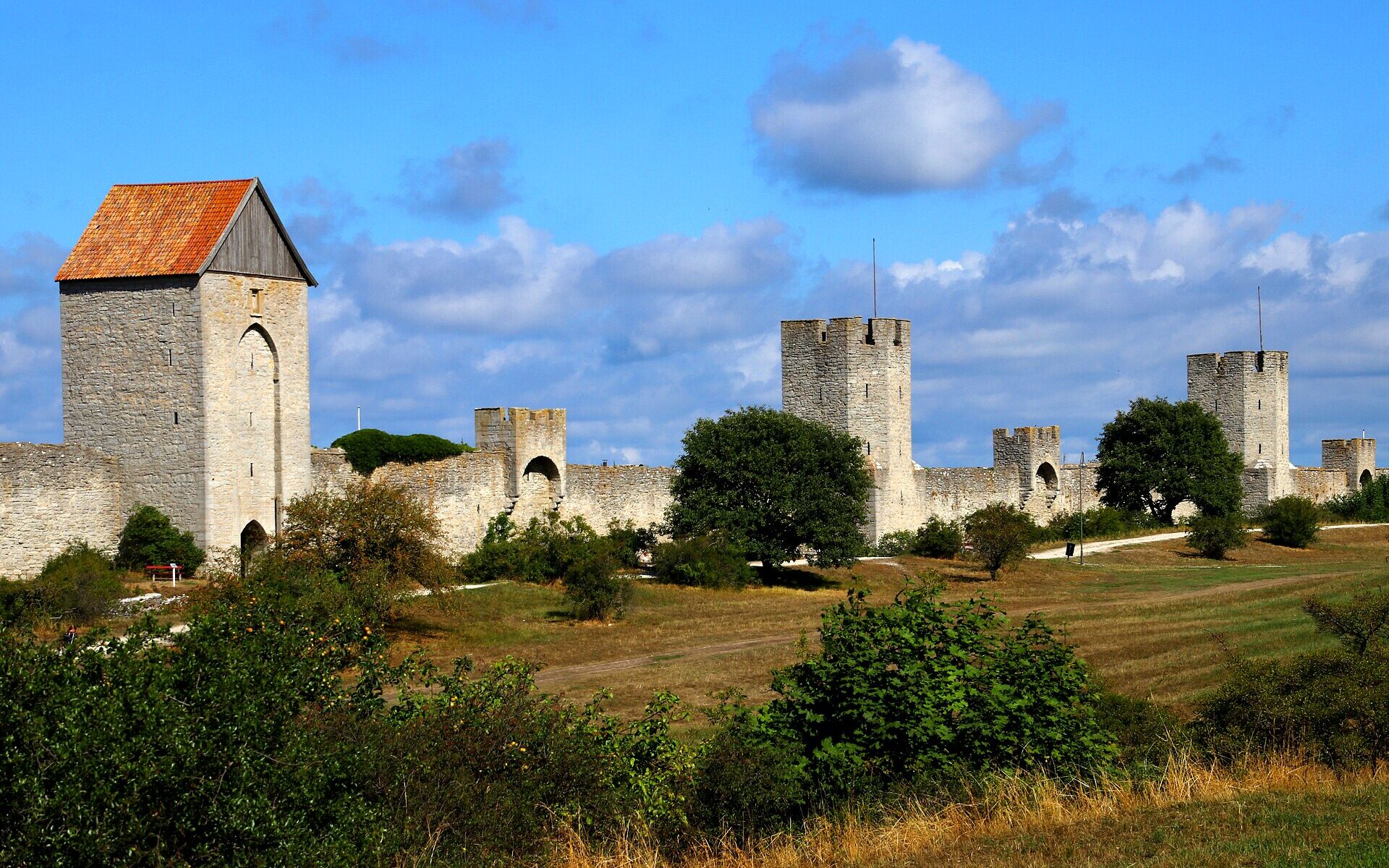
- Days 7–9: Gotland. Take the commuter train about an hour south to Nynäshamn and the ferry to Visby, roughly three hours across the Baltic. Visby’s medieval town wall encloses a UNESCO-listed town of church ruins, rose-covered houses and cobbled lanes, and the rest of the island is beaches, limestone sea stacks and country churches. Book the ferry early for July and for Medieval Week in early August. Our Stockholm to Gotland guide has the details.
- Days 10–13: Dalarna. Back in Stockholm, head north-west by train into the heart of traditional Sweden. Falun’s great copper mine, a UNESCO World Heritage site, is where the pigment for Sweden’s famous red cottage paint comes from. Around Lake Siljan, the villages of Rättvik, Leksand and Mora are known for traditional Midsummer celebrations, and the painted wooden Dala horses are carved by hand in the village of Nusnäs, near Mora. A hire car makes the lake villages much easier.
- Day 14: back to Stockholm and home.

Two weeks is the sweet spot for this route. With ten days, drop Dalarna or cut Gotland to two nights; with less, keep to the archipelago.
Itinerary 5: seven to ten days in winter, Stockholm and Swedish Lapland
Best for: December to March, northern lights, snow, and a very different Sweden.
- Days 1–3: Stockholm in winter, with Christmas markets and Lucia in December or skating and saunas in January. See our guide to Stockholm in winter.
- Day 4: north to Kiruna or Abisko. The quickest way is to fly from Arlanda to Kiruna, about an hour and a half. The romantic way is the night train. There is also a special northern lights train run by Snälltåget, leaving Malmö on 23 November 2026 and calling at Stockholm, Kiruna and Abisko on its way to Narvik.
- Days 4–7: Lapland. Abisko National Park, famous for its clear skies, is one of the best places in Sweden to see the aurora, which appears roughly from September to March. Kiruna is Sweden’s northernmost town, an iron-mining town so undermined by its own mine that the whole centre is being moved to a new site; the church made the move in August 2025. Nearby, in the village of Jukkasjärvi, the ICEHOTEL is rebuilt from river ice every winter; the 2026–27 hotel opens in mid-December, and ICEHOTEL 365, a permanent ice building, is open all year. Add dog-sledding, a snowmobile trip or a night of aurora hunting, and the days fill easily.
- Fly back to Stockholm, or on to your next destination via Arlanda.
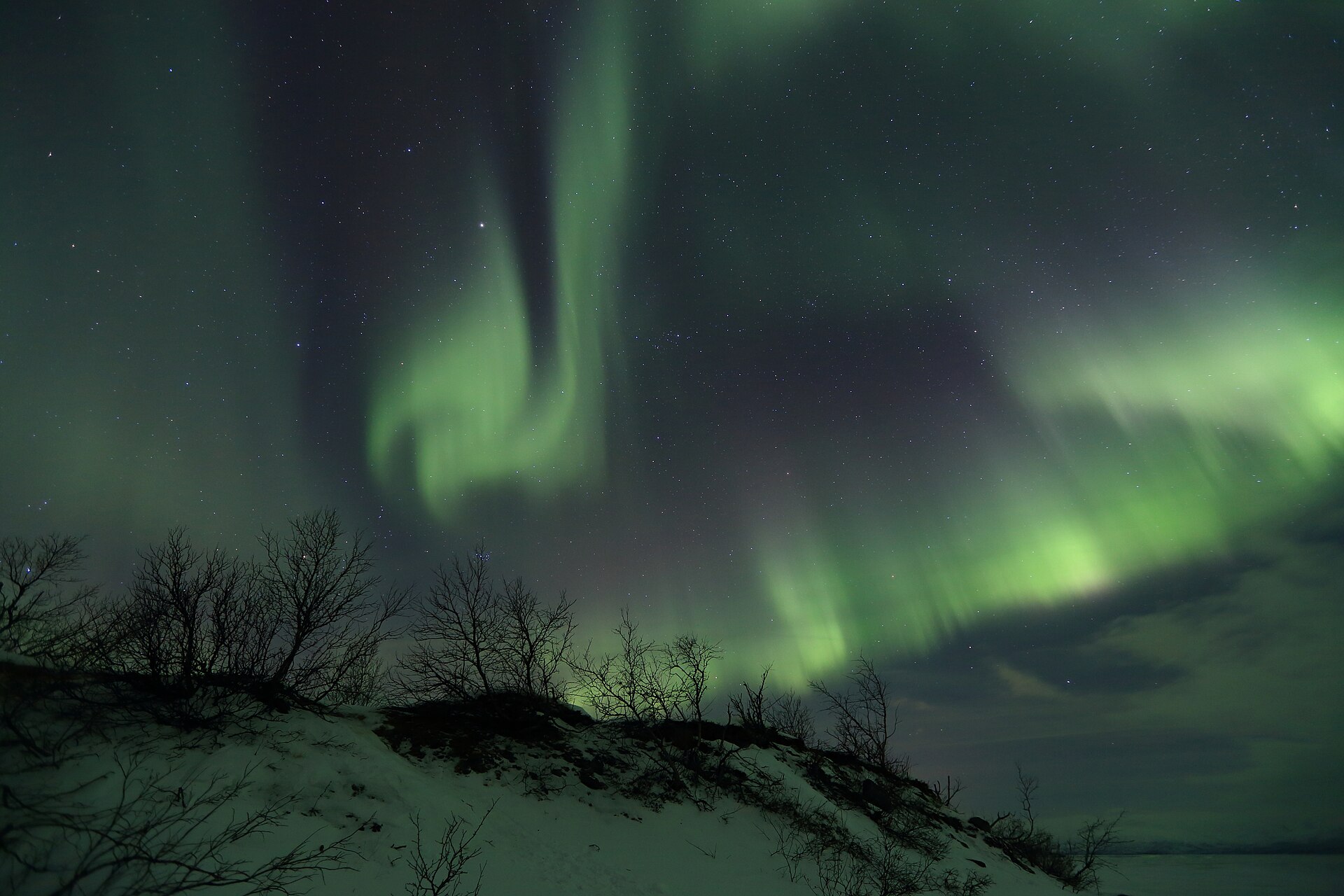
Be realistic about two things. The northern lights are never guaranteed, so give yourself at least three nights in the north. And Lapland is expensive: the flights, the hotels and especially the guided activities add up quickly, and a night in an ice room at the ICEHOTEL is a splurge rather than a bed. For what you can and cannot see further south, see our guide to the northern lights and Stockholm.
Add-ons: Helsinki, Tallinn and Oslo
Stockholm is also the gateway to its neighbours, and a few extra days can take in another capital.
- Helsinki: the overnight ferry is a Baltic institution, with dinner, a cabin and breakfast in Finland. See Stockholm to Helsinki by ferry.
- Tallinn: another overnight ferry, to a medieval old town that is a match for Visby. See Stockholm to Tallinn by ferry.
- Oslo: a short flight of about an hour, or a long day on the train. Oslo pairs best with the western fjords rather than as a quick hop from Stockholm.
Getting around Sweden from Stockholm
| From Stockholm to | Best way | Time | Notes |
|---|---|---|---|
| Uppsala | Train | About 40 min | Easy day trip |
| Gothenburg | SJ high-speed train | About 3 h; engineering work can add time | Book early for the best fares |
| Malmö | SJ high-speed train | About 4.5 h | Fares from about SEK 195 booked early |
| Copenhagen | Train via Malmö | About 5 h or more | Change at Malmö for the Öresund Bridge |
| Visby, Gotland | Commuter train to Nynäshamn, then ferry | About 1 h, then about 3 h | Book ahead in July and early August |
| Kiruna and Abisko | Flight, or night train | About 1.5 h by air; overnight by train | Night trains run towards Kiruna and Narvik |
| Helsinki and Tallinn | Overnight ferry | One night | Cabins sell out in summer |
Trains. SJ runs the main long-distance routes, with regional operators on shorter lines. Fares work like airline fares: the earliest bookings are the cheapest, and the same seat bought on the day can cost several times as much. Interrail and Eurail passes are valid in Sweden, but check whether your train needs a seat reservation. For day trips close to the city, see our guide to day trips from Stockholm by train.
Flights. Only really worth it for the far north, or for Oslo and Copenhagen if time is tight. Most domestic flights leave from Arlanda; our Arlanda airport guide explains the terminals.
Driving. You do not need a car for any of the cities, and parking in Stockholm is expensive. A car earns its keep in Dalarna, on Gotland and in the countryside, so pick one up on the day you leave the city. See our guide to driving in Stockholm.
When to go
| Season | Best for | Watch out for |
|---|---|---|
| June to August | Gotland, the archipelago, Dalarna, Midsummer, the midnight sun in Lapland | Busy ferries, higher prices in July |
| September and October | City trips, autumn colours, the first northern lights | Archipelago boats and Gotland winding down |
| November and December | Christmas markets, julbord, Lucia, early Lapland snow | Short, dark days |
| January to March | Lapland, snow, northern lights, ICEHOTEL | Cold everywhere, and very cold in the north |
| April and May | Spring in the cities, quieter trains | Summer places open from April or May, depending on the place |
Our guide to the best time to visit Stockholm goes month by month for the city itself.
What to leave out
The honest part. A good Sweden trip is as much about what you skip as what you see.
- Do not combine Lapland and the south in one week. They are a day’s travel apart, and you will spend the trip in transit.
- Do not do Gothenburg as a day trip from Stockholm. Stay at least one night.
- Do not go to Gotland out of season expecting summer Visby. It is quiet and beautiful in autumn, but many places close and the ferries run less often.
- Do not visit Malmö for itself on a short trip. It is a good city, but on a tight schedule it works best as the stepping stone to Copenhagen.
- Do not cut Stockholm short. Two days in the capital to squeeze in one more region is almost always the wrong trade.
For the cost of it all, our Stockholm trip cost guide covers the city, and the same rule applies everywhere in Sweden: book trains and ferries early, eat the weekday set lunch, and budget more for the far north.
Frequently asked questions
How many days do you need in Sweden?
A week covers Stockholm and one other region, such as Gothenburg, Gotland or Lapland. Ten days to two weeks lets you combine two regions or make the rail loop to Copenhagen. Stockholm alone deserves at least three days.
What is the best Sweden itinerary for a first trip?
Four days in Stockholm, including a day trip to Uppsala or the archipelago, then two or three days in Gothenburg by train, flying home from there. In winter, swap Gothenburg for three or four nights in Swedish Lapland.
How long is the train from Stockholm to Gothenburg?
Normally about three hours on SJ’s high-speed trains, though engineering work can lengthen a journey. Check the current timetable and book early for the best fares.
How do I get from Stockholm to Lapland?
Fly from Arlanda to Kiruna in about an hour and a half, or take the night train.
Can you visit Gotland from Stockholm?
Yes. Take the commuter train about an hour south to Nynäshamn, then the ferry to Visby, roughly three hours. It is best in summer, and ferries for July and Medieval Week in early August should be booked well ahead.
Is it better to travel around Sweden by train or car?
By train between the cities, which are connected city centre to city centre. A car is worth hiring only for the countryside, such as Dalarna or Gotland, and is a nuisance in Stockholm itself.
Can I combine Stockholm and Copenhagen?
Easily. Take the train to Malmö, about four and a half hours, then cross the Öresund Bridge to Copenhagen. Adding Gothenburg on the way makes a classic ten-day rail loop.
When is the best time for a Sweden road or rail trip?
June to August for the islands, lakes and archipelago, and December to March for Lapland’s snow and northern lights. September is a good compromise for cities, with the first auroras in the north.
Is the ICEHOTEL open all year?
The ice-built winter hotel in Jukkasjärvi opens in mid-December each year, and in the 2026–27 season from mid-December 2026. ICEHOTEL 365, a permanent building of ice rooms and an ice bar, is open all year round.
Is Sweden expensive to travel around?
The cities are pricey but manageable, and trains are good value when booked early. Lapland is the expensive part, with flights, hotels and guided activities adding up quickly.
More Stockholm guides
- Stockholm Travel Guide 2026: The Complete Resource for Planning Your Trip: start here for the city.
- Stockholm Itinerary: day-by-day plans for the capital.
- Stockholm 7-Day Itinerary: a full week based in the city.
- Day Trips from Stockholm: everything within a day’s reach.
- Stockholm to Gotland: ferries, flights and Visby.
- Getting to Stockholm: airports, trains and ferries.
- Northern Lights and Stockholm: what you can see, and where to go for more.
- Best Time to Visit Stockholm: the seasons, month by month.
Photo credits
Visby town wall (featured image): Sweden 2018-08-07 by Guillaume Baviere, CC BY-SA 2.0, via Wikimedia Commons.
Haga, Gothenburg: Haga Nygata, Göteborg by Florent Pécassou, CC BY-SA 4.0, via Wikimedia Commons.
Turning Torso, Malmö: Turning Torso in Malmö, Sweden, near Öresund by OleNeitzel, CC BY 4.0, via Wikimedia Commons.
Falun copper mine: Falu gruva (by Pudelek) 2 by Pudelek, CC BY-SA 4.0, via Wikimedia Commons.
Aurora at Abisko: Aurora in Abisko near Torneträsk by Pavel.shyshkouski, CC BY-SA 4.0, via Wikimedia Commons.
SJ high-speed train: Snabbtåg passerar Apelviken by G och J, CC BY 4.0, via Wikimedia Commons.