Systembolaget: How to Buy Alcohol in Sweden
How Sweden's state alcohol shop works for visitors: opening hours and the holiday closures for 2026–27, the age and ID rules, what to buy, what it costs, and the alternatives when it is shut.
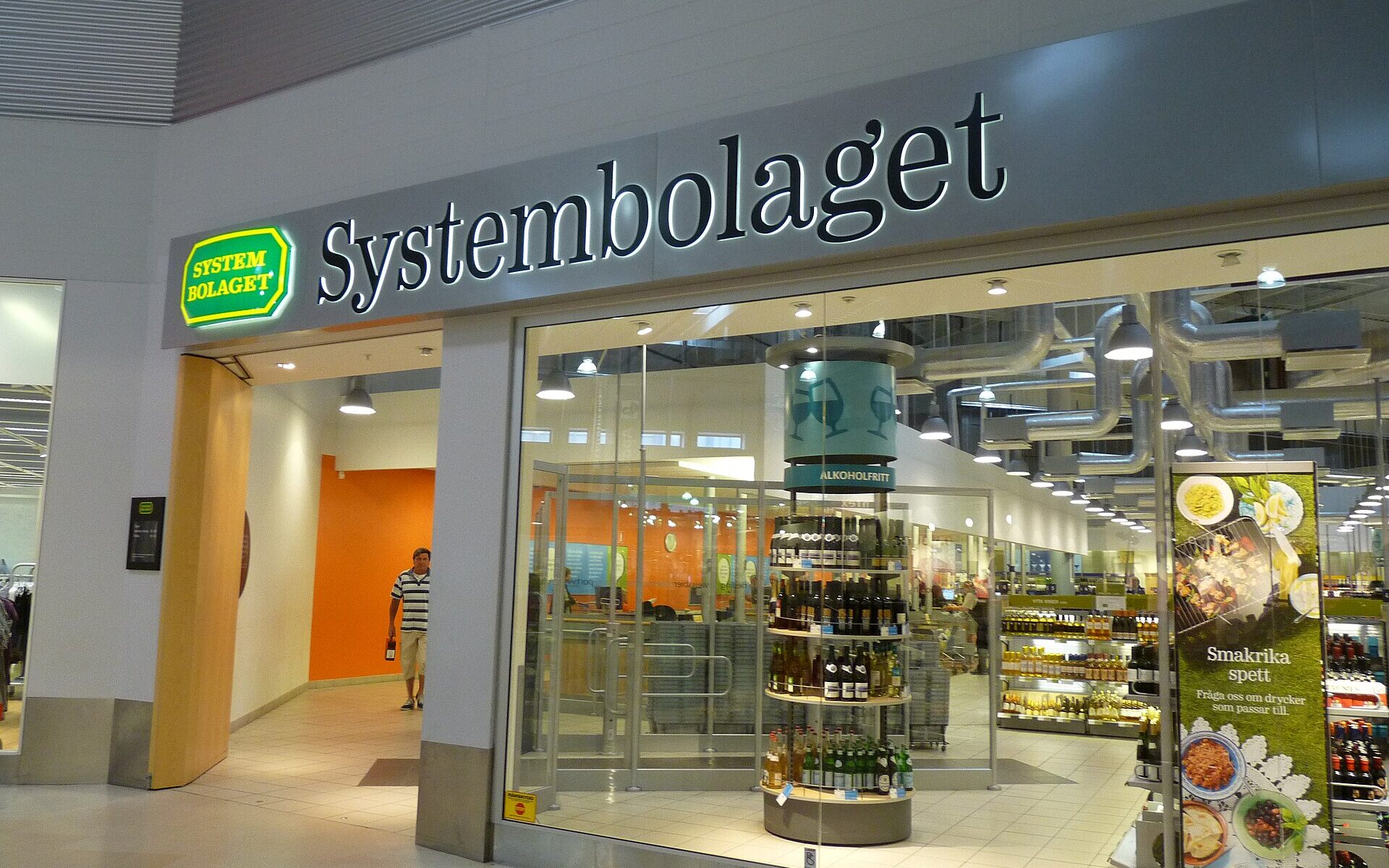
Systembolaget is the main place in Sweden to buy wine, spirits or beer stronger than 3.5% to take home; since 1 June 2025, licensed producers may also sell directly to visitors who take part in a paid visit. It is a state-owned chain of shops with a green-and-yellow sign, short opening hours and no special offers, and it exists to make alcohol a little harder to get. For visitors that is mostly a matter of timing. The shops are pleasant, well stocked and staffed by people who know their wine. They also close by 15:00 on Saturdays, do not open on Sundays, and shut entirely on a string of public holidays, which is easy to forget when you are planning a picnic, a party or a Friday night in.
This guide explains how it all works: what Systembolaget sells and why it exists, the opening hours and the holiday closures for the months ahead, the age and ID rules, what a visit is like, what to buy, what to do when it is shut, and the rules on drinking in public. The opening hours and holiday dates were checked in October 2026 against Systembolaget’s own website. Local shops can vary, so check your nearest one in the store finder before you rely on it.
What it sells: wine, spirits and beer stronger than 3.5% to take home. Supermarkets sell beer only up to 3.5%.
Opening hours: vary by shop, at most 10:00–20:00 on weekdays and 10:00–15:00 on Saturdays, Sunday closed.
Age limit: 20 at Systembolaget; 18 in bars and restaurants.
ID: expect to be asked if you look under 25. A passport works.
Christmas and New Year 2026: closed 24–26 December and 1 January; open until 15:00 on New Year’s Eve.
Paying: cards and phone payments, as everywhere in Sweden.
The golden rule: buy on Friday or Saturday morning for the whole weekend.
What Systembolaget is, and why it exists
Sweden has controlled the sale of alcohol for well over a century and a half. The idea began in the mid-19th century, when towns such as Falun and Gothenburg handed the right to sell spirits to companies whose profits went to the public good, which became known as the Gothenburg system. In the 20th century Sweden went further, and from 1919 purchases of spirits were rationed through a personal ration book, the motbok. When the ration book was abolished on 1 October 1955, the local companies were merged into one national retailer, Systembolaget, which has held the retail monopoly ever since. When Sweden joined the European Union in 1995, it kept it.
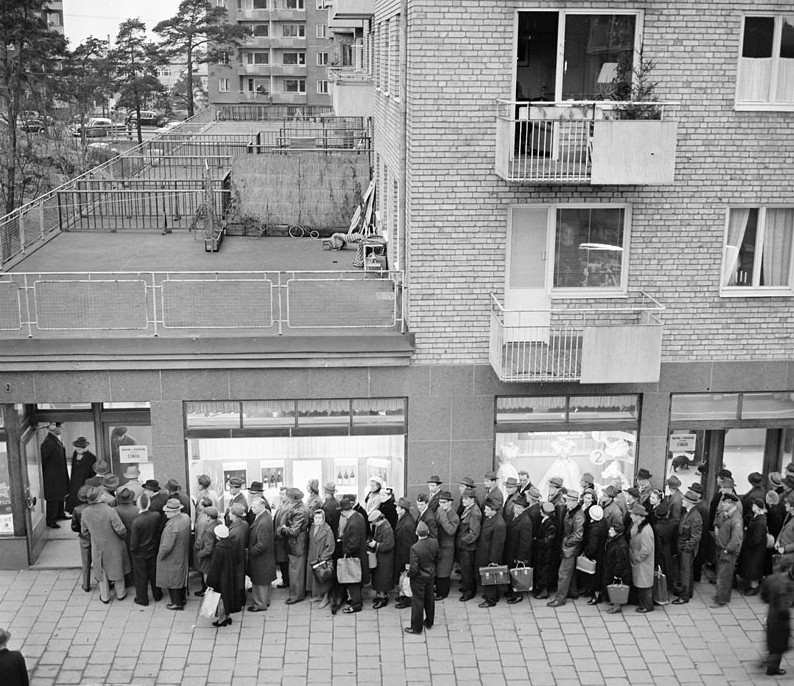
The logic is public health. Systembolaget is state-owned and does not aim to maximise sales or profit, so it does not run promotions, keeps limited hours and refuses to sell to anyone under 20, anyone visibly drunk, or anyone it suspects of buying for someone else. Swedes grumble about it, and most of them, according to the polls, want to keep it. For a visitor, the upside is a well-run shop with a huge, carefully chosen range and genuinely helpful staff; the downside is that you have to plan.
“Systemet”, “Bolaget” and the other Nordic monopolies
Nobody in Stockholm says Systembolaget in full. It is Systemet or Bolaget, as in “I’ll stop at Systemet on the way home”, and asking for either will get you pointed in the right direction. If you are travelling on around the Nordic countries, the picture will be familiar: Norway has Vinmonopolet, Finland has Alko and Iceland has Vínbúðin, all state retail monopolies with their own hours and rules. Denmark is the exception, with alcohol on sale in ordinary supermarkets, which is why Swedes heading to Copenhagen tend to come back with a heavier bag.
Opening hours and the Saturday 15:00 trap
Opening hours vary from shop to shop, but ordinary hours fall within 10:00 to 20:00 on weekdays and 10:00 to 15:00 on Saturdays. Every shop is closed on Sundays. That makes the single most important fact about Systembolaget this one: if you want a bottle of wine for Saturday evening or anything for Sunday, you need to buy it by 15:00 on Saturday. Most people who get caught out assume Saturday is a normal shopping day, turn up at four and find the shutters down.
The practical habit is simple. Buy on Friday, or on Saturday morning, for the whole weekend, and shop a few days ahead of the holiday closures around Midsummer, Christmas and New Year.
Holiday closures for 2026 and 2027
Systembolaget closes on Sweden’s public holidays and on some holiday eves, and keeps shorter hours on others. These are the dates for the months ahead, from Systembolaget’s own holiday page.
| Date | Occasion | Systembolaget |
|---|---|---|
| Mon 21 Dec 2026 | Christmas week | Normal hours |
| Tue 22 and Wed 23 Dec 2026 | Christmas week | Open until at least 19:00 |
| Thu 24 to Sat 26 Dec 2026 | Christmas Eve, Christmas Day, Boxing Day | Closed (and Sunday 27th, as always) |
| Tue 29 and Wed 30 Dec 2026 | New Year week | Open until at least 19:00 |
| Thu 31 Dec 2026 | New Year’s Eve | Open until 15:00 |
| Fri 1 Jan 2027 | New Year’s Day | Closed |
| Sat 2 Jan 2027 | Normal Saturday hours | |
| Tue 5 Jan 2027 | Epiphany Eve | Normal hours |
| Wed 6 Jan 2027 | Epiphany | Closed |
The practical upshot for Christmas 2026: there are no sales at all from Thursday 24 to Sunday 27 December, so buy wine for Christmas by Wednesday the 23rd. For New Year’s Eve, the shops are open until 15:00 on the 31st, so you can still buy champagne that morning, or earlier in the week.
Later in 2027, expect Systembolaget to close on the usual public holidays, Midsummer Eve among them, which is Friday 25 June 2027. Midsummer is the classic trap: the whole country celebrates with snaps and beer, and the shops are normally shut on the day itself. Buy on the Thursday. Check Systembolaget’s holiday page nearer the time for the exact 2027 dates and hours. Our guide to Stockholm’s events and festivals has the dates of the holidays themselves.
Age, ID and the rules at the till
- The age limit is 20. In bars and restaurants it is 18.
- Bring ID. Staff check ID from anyone who looks under 25, and they check a lot. Systembolaget accepts passports, EU and EEA national identity cards and driving licences from the Nordic countries. For most visitors a passport is the safe choice.
- Buying for someone else. You can buy alcohol as a gift, but staff can refuse the sale if they suspect it is for someone under 20. If a younger friend is standing next to you at the till, expect questions. Supplying alcohol to anyone under the legal age, langning, is a crime in Sweden.
- Visibly drunk customers are refused. The law requires it, and the staff apply it.
How a visit works
Almost all Systembolaget shops are self-service, and they look like smart, calm supermarkets. Wine is arranged by type and country, with the everyday ranges on the main shelves and a selection of finer bottles in their own section; beer, cider and spirits have their own aisles. Take a basket, browse, and pay at the till. The staff are trained, knowledgeable and happy to help you choose, including in English, and they will happily recommend a wine to go with your dinner. It is one of the upsides of the monopoly.
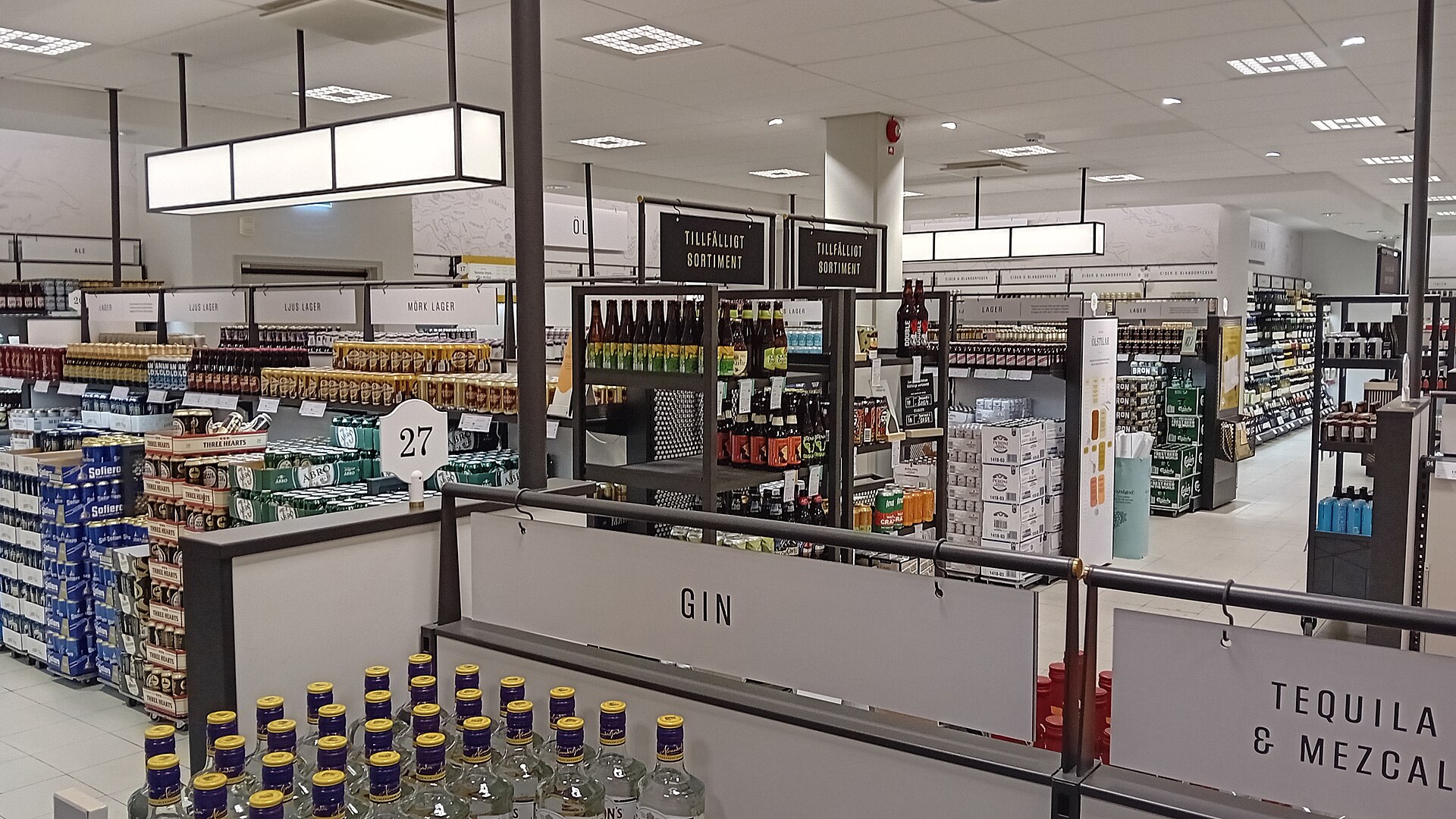
A few things are useful to know:
- The range is huge. Beyond what is on the shelves, Systembolaget has a much larger order range that can be delivered to any shop for collection, and it runs an online shop with home delivery. Online orders are aimed at people living in Sweden and involve age checks on delivery, so most visitors will find it simpler to walk into a shop.
- Prices are the same everywhere. There is no point shopping around between branches, and no multi-buy deals.
- Cans and bottles carry a deposit. The pant on cans and small plastic bottles is now SEK 2 and on large plastic bottles SEK 3, printed on the label. Old and new labels sit side by side for a while: producers and importers have until 31 December 2026 to sell lower-deposit stock to shops. You get it back at the reverse-vending machines in supermarkets.
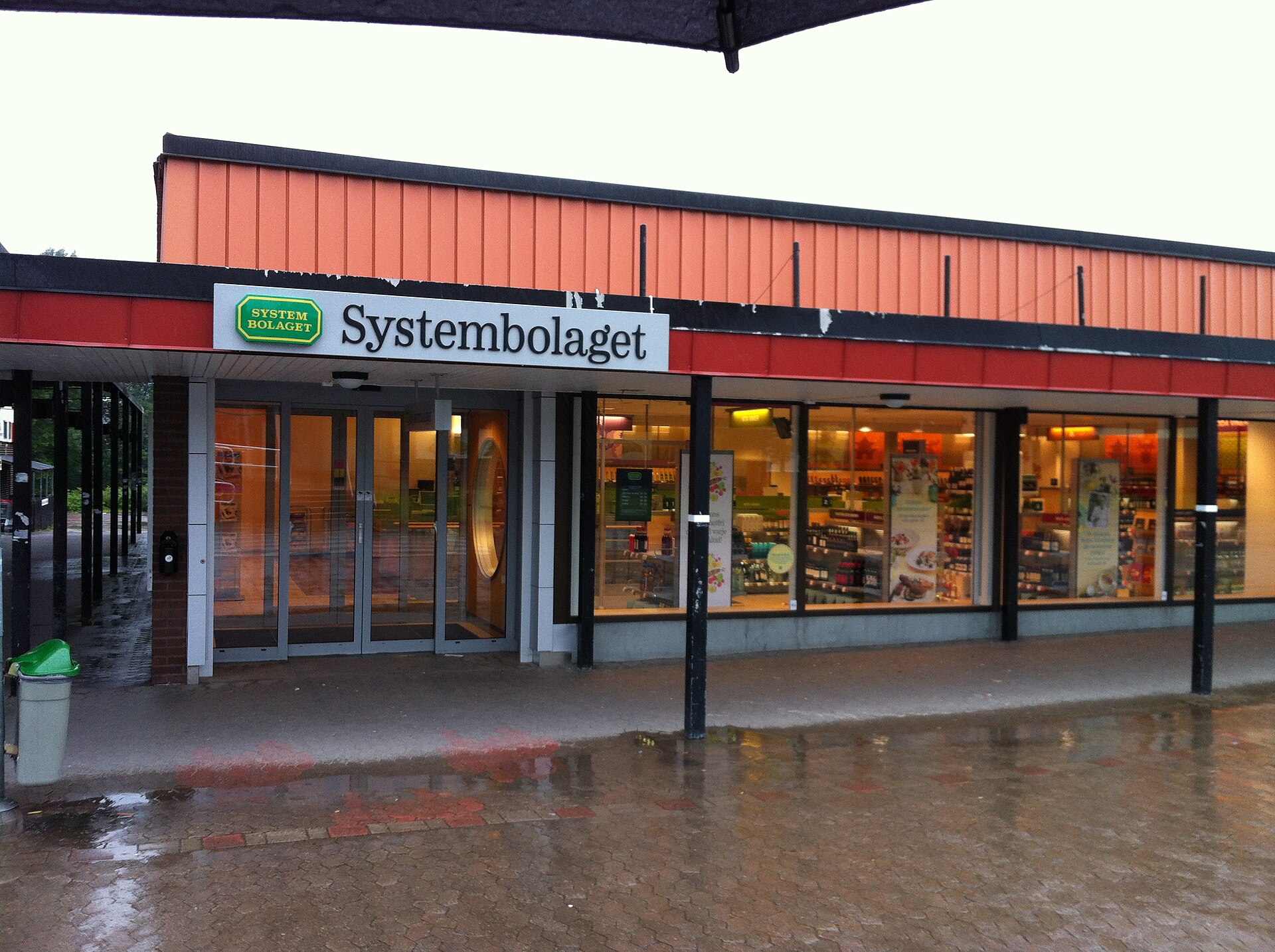
- Finding a shop. There are dozens in central Stockholm, in shopping streets, malls and near metro stations. Use the store finder on Systembolaget’s website to check the nearest one and its hours.
What things cost
Alcohol in Sweden is taxed by strength, so the stronger the drink, the bigger the tax. Spirits and strong beer are expensive by the standards of most of Europe. Wine is less of a shock than people expect, and the mid-priced bottles can be good value, because Systembolaget’s margin is regulated rather than set to maximise profit. Supermarkets sell beer too, as long as it is folköl: more than 2.25% and no more than 3.5%.
Drinking out is where Stockholm really bites. A beer in a bar typically costs SEK 70–100 and a cocktail SEK 145–195. That is why so many Swedes start the evening at home with drinks from Systembolaget before going out, a habit called förfest. For the bars worth paying for, see our guides to the best bars in Stockholm, cocktail bars and craft beer bars, and for the whole budget, our Stockholm trip cost guide.
What to buy: Swedish drinks worth trying
- Aquavit (snaps). The spirit of the Swedish table, flavoured with caraway, dill or fennel, drunk ice-cold in small glasses with herring and a song. A small bottle is the most Swedish thing you can take home.
- Swedish gin. Sweden has a thriving craft distilling scene, and its gins, Hernö from northern Sweden the best known, are excellent.
- Punsch. A sweet, old-fashioned arrack liqueur, traditionally served warm with pea soup on Thursdays, or cold after dinner. An acquired taste, and a very Swedish one.
- Craft beer. Swedish microbreweries produce everything from pale ales to imperial stouts, and Systembolaget stocks a wide range.
- Christmas drinks. From November, the shops fill with julöl, dark Christmas beers released every year, and bottles of glögg, spiced mulled wine, to heat at home. Alcohol-free glögg is sold in supermarkets.
- Cider. Swedish cider tends to be sweet and fruity. Pleasant on a summer evening, less so with food.
If you are planning a Swedish dinner in a rented apartment, our guides to traditional Swedish food and the julbord explain what to serve with the snaps.
When Systembolaget is shut
If you have missed the Saturday deadline, it is not the end of the world. You have four options:
- Bars and restaurants with a licence can serve you from the age of 18. It costs more, but it is legal, easy and sociable.
- Supermarkets and convenience stores sell folköl, beer up to 3.5%. It is weaker, but it is beer.
- Your hotel may sell wine and beer at the bar or in the minibar.
- Leaving the country. Travellers leaving the EU can buy duty-free at the airport, and the overnight ferries to Helsinki and Tallinn have shops on board, which is part of why Swedes love them.
Do not buy alcohol from anyone offering to sell it privately. Apart from being illegal, home-made or smuggled spirits can be dangerous.
Drinking in public, on transport and at the wheel
- In parks. Stockholm does not have a blanket ban on drinking outdoors, and a bottle of wine with a picnic in many parks is normal on a summer evening. But drinking spirits, wine and strong beer is banned on school grounds, park play areas, playgrounds and municipal cemeteries, and other places have their own bans, some at certain times and some round the clock. The city publishes a map of the zones. Be discreet and tidy, and take your empties with you; the deposit makes them worth something.
- On public transport. SL’s rules do not allow drinking alcohol on the metro, commuter trains and buses.
- At the wheel. Sweden’s drink-driving limit is 0.2 grams per litre of blood. In practice, do not drink at all if you are driving, including on a boat.
Taking alcohol home, or bringing it in
Bottles from Systembolaget travel well in checked luggage, well wrapped; the usual liquid limits apply to hand luggage. Allowances for bringing alcohol into Sweden differ depending on whether you arrive from another EU country or from outside the EU, and there are age limits too, so check the current rules with Swedish Customs, Tullverket, before you travel.
Tips for getting it right
- Buy on Friday, or on Saturday before your shop closes, for the whole weekend.
- Check the holiday table above if you are here around Christmas, New Year, Easter or Midsummer.
- Carry your passport or national ID card if you are anywhere near 25.
- Ask the staff. They know their range and like being asked.
- Remember the deposit, and return your empties at a supermarket.
- When you raise a glass, look your companions in the eye and say skål; our guide to Swedish cultural etiquette explains why the eye contact matters.
Frequently asked questions
What is Systembolaget?
Sweden’s state-owned alcohol retailer, and the main place to buy wine, spirits and strong beer to take away; since 1 June 2025, licensed producers may also sell to visitors on a paid visit. It has held the retail monopoly in its present form since 1955, and exists for public health reasons, so it does not run promotions and keeps limited hours.
What are Systembolaget’s opening hours?
It depends on the shop, but ordinary hours never run beyond 10:00–20:00 on weekdays or 10:00–15:00 on Saturdays. Every shop is closed on Sundays and on public holidays.
Is Systembolaget open on Sundays?
No. No Systembolaget shop opens on a Sunday. To have something for the weekend, buy on Friday or on Saturday before the shop closes.
How old do you have to be to buy alcohol in Sweden?
20 at Systembolaget. In bars and restaurants the age limit is 18.
Do tourists need ID at Systembolaget?
If you look under 25, yes. A passport is accepted, as are EU and EEA national identity cards and Nordic driving licences.
Is Systembolaget open on New Year’s Eve 2026?
Yes, until 15:00 on Thursday 31 December 2026. It is closed on New Year’s Day, and closed from Christmas Eve to Boxing Day, so there are no sales from Thursday 24 to Sunday 27 December 2026.
Is Systembolaget open on Midsummer Eve?
No, it normally closes on Midsummer Eve, which falls on Friday 25 June 2027. Buy on the Thursday before, and check the 2027 hours on Systembolaget’s holiday page.
Can you buy alcohol in Swedish supermarkets?
Yes, but only folköl: beer of more than 2.25% and no more than 3.5% alcohol, sold in supermarkets and convenience stores. For anything stronger, go to Systembolaget or a licensed bar or restaurant.
Is alcohol expensive in Sweden?
Spirits and strong beer are expensive because tax rises with strength. Wine is less expensive than many visitors expect. Drinking out is where the cost really adds up: a beer in a Stockholm bar typically costs SEK 70–100.
Can you drink alcohol in public in Stockholm?
In many parks, yes, discreetly. Spirits, wine and strong beer are banned on school grounds, playgrounds, park play areas and municipal cemeteries, and the city’s map shows the other places with bans at certain times or round the clock.
More Stockholm guides
- Stockholm Travel Tips: 50 Things to Know Before You Go: the practical essentials.
- Tipping in Stockholm: what to leave in bars and restaurants.
- Swedish Cultural Etiquette: skål, queues and the unwritten rules.
- Stockholm Currency: cards, cash and paying for things.
- Stockholm Nightlife: where to go once you have eaten.
- Stockholm at Christmas: what is open over the holidays.
- Is Stockholm Safe?: nights out, transport and common sense.
- Stockholm in June: Midsummer and the long light evenings.
Photo credits
Systembolaget shop front (featured image): EU-SE-Stockholm-KK-Systemolaget by Dmitry G, public domain, via Wikimedia Commons.
Christmas queue outside Systembolaget, 1957: Systembolaget kö 23 dec 1957 by Åke Blomquist, Svenska Dagbladet, public domain, via Wikimedia Commons.
Inside a Systembolaget shop: Stockholm, Systembolaget, Sortiment (2) by Vojtasekd, CC BY 4.0, via Wikimedia Commons.
A neighbourhood Systembolaget: Systembolaget butik by Stastny, CC BY-SA 3.0, via Wikimedia Commons.