Swedish Cultural Etiquette: Do’s & Don’ts for Tourists
The unwritten rules of Swedish life: greetings and first names, queue tickets, shoes off indoors, fika, eating out, Systembolaget and how to skål, manners on the metro, the right of public access and the traditions you might walk into.
Most of Swedish etiquette comes down to one idea: don’t make things harder for other people. Stand to the right on the escalator so others can pass. Take a number and wait your turn. Take your shoes off so you don’t bring the street into someone’s home. Keep your voice down on the metro, turn up when you said you would, and don’t make a show of yourself. None of it is complicated, and Swedes are forgiving of visitors who get it wrong. But knowing the unwritten rules makes Stockholm easier to read, and it explains a lot about a people who can seem reserved at first and turn out to be warm, funny and generous once you’re past the front door.
This guide covers greetings and conversation, punctuality, queues, visiting a Swedish home, fika, eating out, drinking and Systembolaget, public transport, nature and the right of public access, saunas, the traditions you might walk into, and a quick list of dos and don’ts. Practical details, from shop hours to deposit amounts, were checked in September 2026. The customs themselves change more slowly.
Greeting: hej and a handshake with eye contact. Hugs are for friends.
Names: first names for everyone, including doctors, professors and bosses.
Queues: in pharmacies, bakeries and many shops, take a numbered ticket from the machine by the door.
Homes: shoes off at the door, always.
Transport: stand on the right of the escalator, walk on the left, and keep your voice down.
Alcohol: anything stronger than 3.5% comes from Systembolaget, which closes at 15:00 on Saturdays and all day Sunday.
Tipping: not expected. Rounding up for good service is enough.
Punctuality: on time means on time, not ten minutes later.
The mindset behind the manners
Two Swedish words explain a lot. The first is lagom, which means just enough: not too much, not too little. It applies to portions, to praise, to how loudly you talk and to how much you drink. It isn’t about austerity. A Swede can host a lavish midsummer lunch. It’s about fitting in with the group rather than standing out from it.
The second is Jantelagen, the Law of Jante. It comes from a 1933 novel by the Danish-Norwegian writer Aksel Sandemose, in which a small town keeps its residents in their place with rules like “you’re not to think you’re anyone special”. Swedes argue about whether it still holds, and younger Stockholmers are less bound by it, but its echo is everywhere. Boasting is frowned upon, wealth is rarely flaunted, and the most successful person in the room will often be the one who talks least about it.
Add a strong belief in equality, a preference for consensus over confrontation, and a deep respect for personal space and privacy, and you have the bones of Swedish manners. The result can look cool from the outside. It isn’t coldness. Swedes don’t strike up conversations with strangers on the bus, but ask one for directions and you will usually get a clear answer in excellent English, and quite possibly an escort to the right street corner.
Greetings, names and conversation
Hej, handshakes and hugs
Hej (pronounced “hey”) covers hello at any time of day and to anyone, from a shop assistant to a government minister. Hej hej or hej då means goodbye. When you meet someone for the first time, a firm handshake with eye contact is standard, and people often say their first name as they shake. Friends hug. Kissing on the cheek is not a Swedish custom, and attempting it can cause a small collision.
First names and du
Swedish once had an elaborate system of titles and polite forms of address. In the late 1960s and early 1970s, the du-reformen swept it away almost overnight, and everyone started calling everyone du, the informal “you”, along with their first name. Today you’ll address a hotel manager, a doctor or a professor by first name, and they’ll do the same with you. Using titles or surnames can sound stiff or even faintly sarcastic. The one exception is the royal family.
Small talk, silence and what not to ask
Swedes don’t fill silences for the sake of it. A pause in conversation isn’t awkward, and you don’t need to rush to fill it. Small talk tends to stick to safe ground: the weather (a genuine national passion, given how much of it there is), travel, the weekend, the summer house. Personal questions come later, if at all. Asking a new acquaintance what they earn, how much their flat cost or who they vote for will land badly, even though Swedes discuss politics readily among friends.
Conversations take turns. Interrupting, talking over people and dominating a group are all noticed, and quietly held against you. Overstatement is also a mild faux pas. A Swede who calls something inte så dumt, “not so stupid”, may well mean it’s excellent.
Tack, förlåt and the missing “please”
Swedish has no everyday equivalent of “please”. Instead, Swedes say tack (thanks) constantly: when ordering, when receiving, when paying and when leaving. Tack så mycket is thank you very much, ursäkta is excuse me, and förlåt is sorry. If you remember one word, make it tack. Our guide to Swedish phrases for tourists adds the rest of the basics.
Punctuality and plans
Being on time is a form of respect in Sweden, and it applies to social life as much as business. If you’re invited for dinner at seven, arrive at seven, not quarter past. Some Swedes famously walk round the block rather than ring the bell early. Tours, restaurant bookings and trains run to the minute too, which is worth remembering when you book a table and turn up late. If you’re going to be more than a few minutes behind, send a message.
Swedes also plan ahead. Social calendars fill up weeks in advance, and a spontaneous “come round tonight” is rarer than in southern Europe. That isn’t unfriendliness. It’s simply how people organise their lives, and an invitation made days or weeks ahead is a real one.
Queues and the number system
Swedes queue patiently, and in many places they don’t queue at all: they take a number. Look for a small machine near the entrance of pharmacies, bakeries, post office counters, some delicatessens and many service desks. Pull a paper ticket (kölapp or nummerlapp), and wait until your number appears on the display. Walking up to the counter without one is the classic tourist mistake, and it will earn you a polite but firm redirection to the machine.
Where there’s no machine, the queue is orderly and pushing in is not tolerated. At bus stops, lines are looser, but people still board roughly in the order they arrived.
Visiting a Swedish home
If you’re invited to someone’s home, you’ve been let into the part of Swedish life that matters most. A few customs are close to universal.
- Take your shoes off. This is non-negotiable in almost every Swedish home, whatever the season. You’ll see a rack or a row of shoes by the door. Wear decent socks, and bring slippers if you’re staying a few days.
- Bring something. Flowers, chocolates or a bottle of wine make a good värdinnepresent, a gift for the host. Don’t expect the wine to be opened that evening; it’s a gift, not a contribution.
- Wait before you start. At the table, wait for the host to invite everyone to begin, often with varsågoda (“help yourselves”) or a toast.
- Say tack för maten. “Thanks for the food” is said to the cook at the end of the meal, every time, including in families.
- Offer to help clear. The offer may well be declined, but it’s noticed.
- Say tack för senast next time. “Thanks for last time” is said when you next see your host, whether that’s days or months later. It’s one of the most Swedish phrases there is, and using it will delight people.
Fika: the break that isn’t optional
Fika is coffee and something sweet, usually a cinnamon or cardamom bun, taken with other people, and it is taken seriously. Offices stop for it, friends meet over it, and it’s the easiest way into a Swede’s social life: an invitation to fika is low-pressure and genuinely friendly. The unwritten rules are gentle. Don’t rush it. Put your phone away. Offer to pay your share or take turns, and don’t take the last bun on the plate without offering it round first. That lone survivor has a name, artighetsbiten, the politeness piece, and it can sit there untouched for a long time.
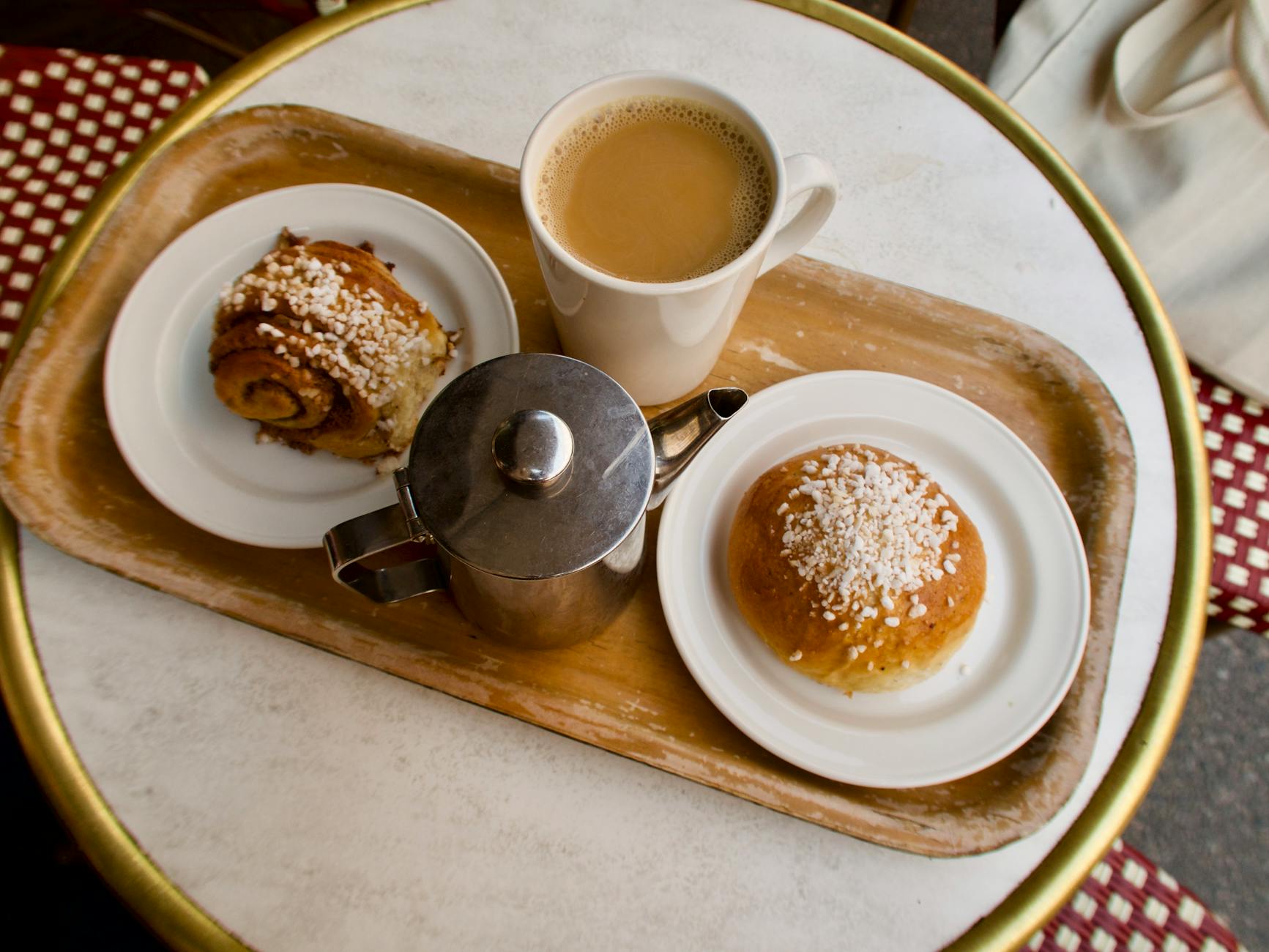
Many cafés offer påtår, a free or cheap second cup of filter coffee. Our guide to what fika is and where to have it goes deeper, and the best bakeries in Stockholm have the buns.
Eating out
Stockholm restaurants are relaxed, but they have their own rhythm.
- Eat early. Lunch is from about 11:00 to 13:00, and dinner starts around 18:00 or 19:00. A 21:30 booking is late by local standards.
- Lunch is the bargain. The weekday dagens rätt, dish of the day, usually comes with salad, bread, water and coffee included, and it’s the cheapest good meal in the city. See cheap eats in Stockholm.
- Tap water is free. Ask for kranvatten, or it’s often on a self-service table. Nobody will judge you for skipping bottled water.
- Staff won’t hover. Servers leave you alone, which can feel neglectful if you’re used to constant check-ins. Catch someone’s eye when you want something, and ask for the bill (notan) when you’re ready; it won’t arrive unprompted.
- Splitting is normal. Groups of friends often pay separately, and staff are used to it.
- Tipping is optional. Staff are paid properly and don’t depend on tips. Rounding up or adding 5–10% for good service is appreciated, and pressing 0% on the card reader causes no reaction at all. Our guide to tipping in Stockholm has the detail.
- Pay by card. Sweden is close to cashless, and some places refuse cash outright. The Stockholm currency guide explains why.
Drinking: Systembolaget, bars and skål
Sweden has a complicated relationship with alcohol, and the rules reflect it. Anything above 3.5% alcohol is sold to take away only by the state monopoly, Systembolaget. Supermarkets stock only low-strength folköl. Systembolaget’s hours are the most useful practical fact in this whole guide: typically 10:00 to 19:00 on weekdays (some larger shops stay open until 20:00), 10:00 to 15:00 on Saturdays, and closed on Sundays. Visitors regularly discover this at 15:05 on a Saturday. You must be 20 to buy there, and 18 to drink in a bar or restaurant. Staff ask for ID if you look under 25.
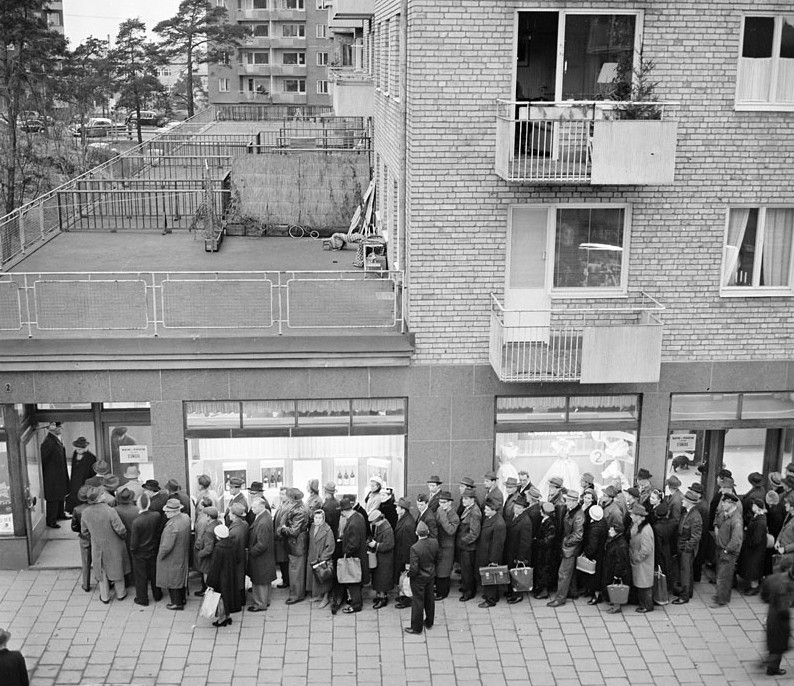
The monopoly has a history. Until 1955, Swedes could buy spirits only with a ration book, the motbok, and the idea that drinking should be controlled still shapes public attitudes. Bar prices are high: a beer costs around SEK 70–100 and a cocktail SEK 145–195. Being visibly drunk in public is frowned upon, even though plenty of Stockholmers are on a Friday night.
Drinking outdoors isn’t banned across Sweden, but Stockholm’s local rules forbid it in around 20 parks and green spaces, on playgrounds, school grounds and bathing places, and within 100 metres of schools and preschools. The city publishes a map. If you’re planning a picnic with a bottle of wine, check it first.
How to skål
The Swedish toast has a small ritual. Raise your glass, look around the table and make eye contact with the people near you, say skål, drink, then make eye contact again before you put the glass down. At a formal dinner, wait for the host’s toast before drinking at all. At midsummer and crayfish parties, every glass of snaps (nubbe) comes with a drinking song, a snapsvisa. You aren’t expected to know the words, only to join in the skål at the end. For where to drink, see our guide to the best bars in Stockholm.
On the metro and in the street
Public space is where visitors most often trip over Swedish manners, usually without realising.
- Stand right, walk left. On escalators, standing on the left is the single most noticeable tourist mistake in Stockholm. At rush hour it causes a jam and a quiet chorus of sighs.
- Let people off first. Stand to the side of the doors, not in front of them.
- Keep it quiet. Swedes talk softly on public transport, and loud phone calls are frowned upon. On SJ trains, the quiet carriage means quiet.
- Give up priority seats to older passengers, pregnant women and anyone who needs them more than you.
- Mind the bike lanes. Many cycle lanes run at pavement level, separated only by a line. Cyclists are fast and silent, and stepping into one is the most common near miss. Our guide to cycling in Stockholm explains how they work.
- Wait for the green man. Stockholmers wait at red crossings even on an empty street, often with children watching.
- Keep your distance. Swedes leave more personal space than many cultures, in queues, on benches and on the pavement. Standing very close to a stranger feels intrusive.
Smoking is banned at bus stops, on station platforms, at the entrances to public buildings, on playgrounds and in restaurants’ outdoor seating areas, and has been since July 2019. You will, however, see a lot of snus, the moist tobacco tucked under the upper lip. It’s legal in Sweden and banned in the rest of the EU.
Nature, allemansrätten and recycling
Sweden’s right of public access, allemansrätten, lets anyone walk, cycle, swim, pick berries and mushrooms and camp for a night on most land, including private land. It comes with a responsibility summed up as “don’t disturb, don’t destroy”. Keep your distance from people’s houses and gardens, close gates, leave no litter, respect fire bans, and never damage living trees. In the city’s parks and nature reserves, local rules can add to that, so read the signs.
Swedes are also serious about recycling, and bottles and cans carry a deposit, pant. Return them to the machines in supermarkets for a voucher or a donation to charity. The deposit rose in September 2025: new labels show SEK 2 for cans and small plastic bottles and SEK 3 for large bottles. Old and new labels are on sale side by side through 2026, and the amount printed on the label is what you get back. Leaving empties next to a bin, rather than in it, is not littering in local eyes; it’s a courtesy, so someone collecting deposits can take them.
Saunas, bathing and nudity
Swedes are relaxed about nudity in the right setting and careful about it everywhere else. In single-sex saunas and changing rooms, people are often naked, and nobody looks. Shower before you go in, and sit on a towel. Mixed saunas are usually swimwear-only, and a floating community sauna will tell you its own rules. Never take photos in a sauna or changing room: it isn’t only rude, it can be a crime.
On beaches and at swimming spots, changing discreetly under a towel is normal, and so is a quick skinny dip on a quiet rock in the archipelago at midsummer. Keep it to places where you won’t be the centre of attention.
Equality and what people talk about
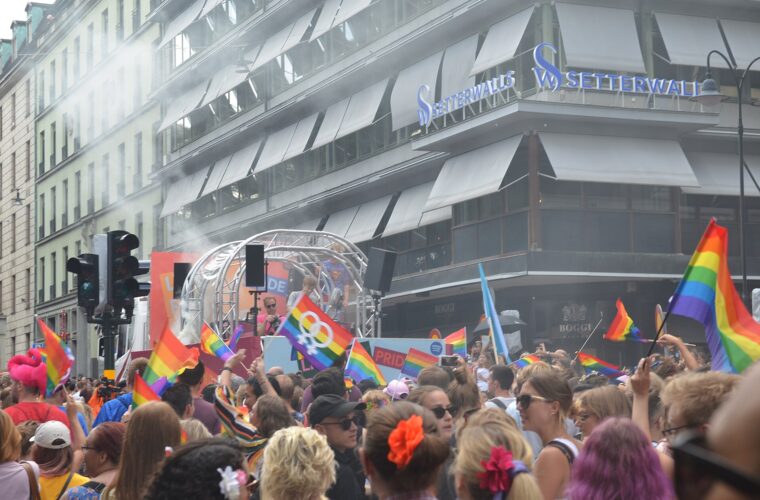
Sweden takes gender equality seriously, and it shows in everyday life. Fathers take long parental leave, which is why you’ll see so many men pushing prams through Stockholm on weekday mornings. The gender-neutral pronoun hen has been in the Swedish Academy’s word list since 2015. Stockholm is also one of the most LGBTQ-friendly cities in the world, and our LGBTQ+ travel guide covers it in full.
A few conversational landmines are worth avoiding. Don’t treat Sweden, Norway, Denmark and Finland as interchangeable; the rivalries are affectionate but real, and Finland is Nordic rather than Scandinavian in the strict sense. Jokes about ABBA, IKEA and meatballs have been heard before. And Swedes are wary of sweeping claims about their country, positive or negative, especially from someone who arrived last Tuesday.
If you’re here on business
Swedish working culture follows the same instincts as Swedish social life, and a few habits catch out business visitors.
- Hierarchies are flat. Junior staff speak up in meetings, managers are addressed by first name, and decisions are made by consensus rather than handed down. It can feel slow, but once a Swedish team has agreed on something, it tends to stick.
- Meetings start on time and end on time. They also have an agenda, and people stick to it. Small talk at the start is brief.
- Fika is part of the job. The mid-morning and mid-afternoon coffee break is when colleagues actually talk, and skipping it marks you out. Join in.
- Directness is polite. Swedes say what they mean, quietly. A plain “no” isn’t rude, and a hard sell is off-putting.
- Evenings are private. Long working hours aren’t admired, and many people leave in time to collect their children. Don’t expect a client dinner every night.
- July is off-limits. Much of Sweden takes four or five weeks’ holiday in summer, most of it in July. Offices empty, decisions wait until August, and some small restaurants and shops close for weeks. Plan business trips for another month.
That July shutdown matters to leisure visitors too. Stockholm is lively in July, and the big sights and most restaurants stay open, but the odd favourite neighbourhood bistro may have a handwritten note in the window saying it will reopen in August. The locals, meanwhile, are out in the archipelago. Our Stockholm archipelago guide explains where they go.
Travelling with children
Sweden is one of the most child-friendly countries in the world, and it shows. Prams are everywhere, including on buses, where parents with a buggy board through the middle doors. Restaurants usually have high chairs and a children’s menu, museums build whole floors for under-tens, and nobody frowns at a toddler in a café. The flip side is that children are expected to be treated with respect, too. Swedes don’t pat strangers’ children on the head or tell other people’s kids off, and smacking has been illegal since 1979, the first such ban in the world. Our guide to Stockholm with kids has the family side of the city.
Traditions you might walk into
Swedish traditions are taken more seriously than their playfulness suggests, and they’re one of the best reasons to time a visit well.
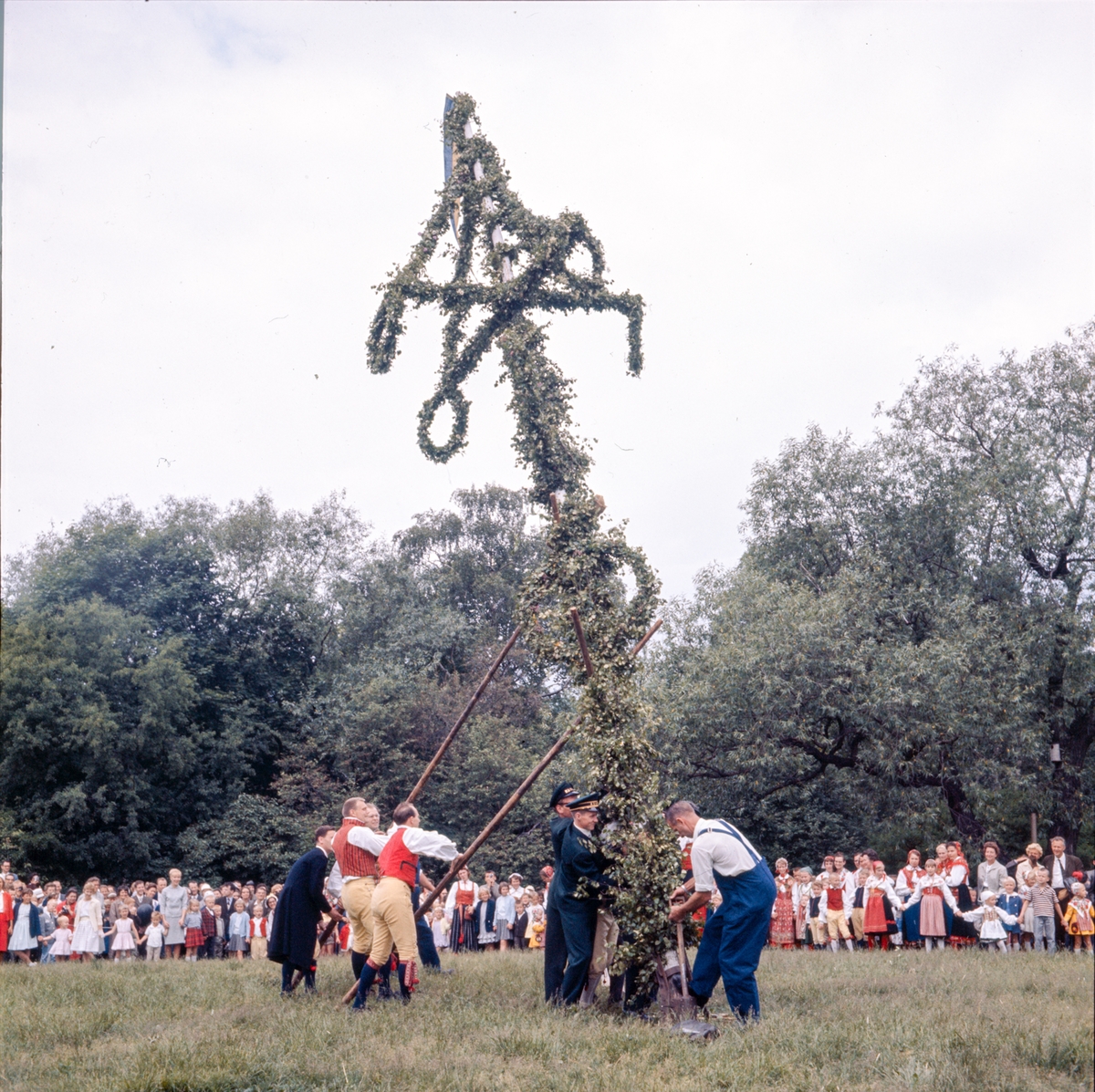
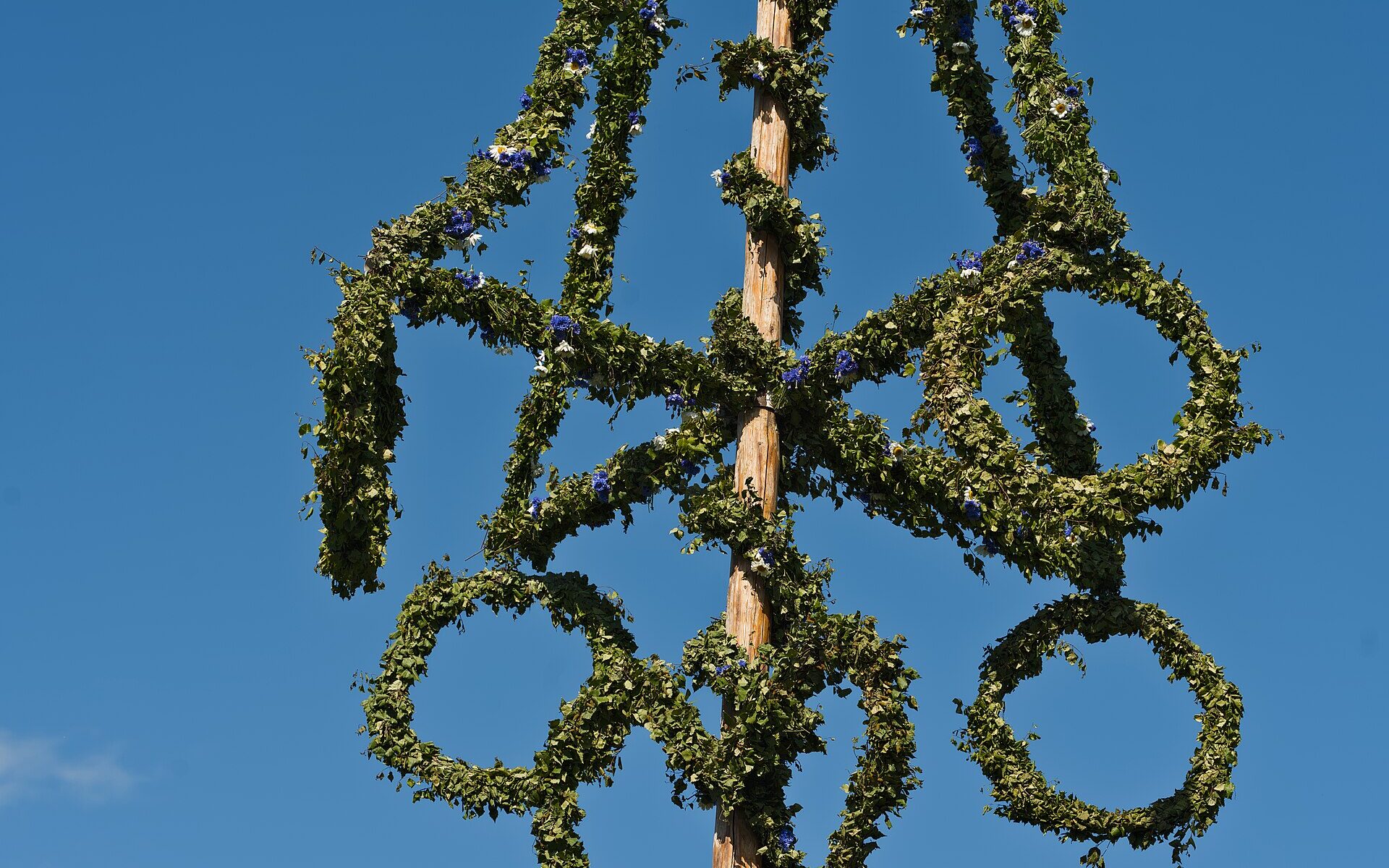
- Midsummer falls on the Friday between 19 and 25 June. Families raise a maypole, dance round it (including the famous frog dance, Små grodorna), eat herring and new potatoes, and drink snaps with songs. In 2026 it fell on 19 June. Skansen is the traditional place for visitors to join in; see our Skansen guide and Stockholm in June.
- Crayfish parties (kräftskiva) in August come with paper hats, bibs, lanterns and more snaps songs.
- Cinnamon Bun Day, 4 October, is exactly what it sounds like.
- Lucia, on 13 December, brings candlelit processions in white robes and saffron buns (lussekatter) in the darkest week of the year.
- Christmas means the julbord buffet, glögg and Christmas markets. Swedes celebrate on Christmas Eve, not Christmas Day. See Stockholm in December.
- Semla season peaks on Fat Tuesday, in February or early March, with cardamom buns filled with almond paste and whipped cream.
- Lördagsgodis, Saturday sweets, is a family ritual: pick-and-mix on Saturdays only, a habit that dates back decades to public-health advice to keep sweets to one day a week.
For the food that goes with all of this, see our guide to traditional Swedish food.
Dos and don’ts at a glance
| Do | Don’t |
|---|---|
| Say hej and tack freely | Use titles and surnames |
| Take a queue ticket where there’s a machine | Walk straight up to the counter |
| Take your shoes off in homes | Keep your outdoor shoes on indoors |
| Arrive on time | Turn up “fashionably” late |
| Stand right on escalators | Block the left-hand side |
| Say tack för maten after a meal | Start eating before the host |
| Buy wine at Systembolaget before 15:00 on Saturday | Plan to buy it on Sunday |
| Make eye contact when you skål | Drink before the host’s toast |
| Keep your voice down on public transport | Take loud phone calls on the metro |
| Return bottles and cans for the deposit | Throw them in the general rubbish |
| Respect the right of public access | Camp in someone’s garden or light fires in a ban |
| Round up the bill if service was good | Feel obliged to tip 20% |
For the practical side of a trip, from money to safety, see Stockholm Travel Tips: 50 Things to Know Before You Go. If you’re taking pictures of people, our guide to photography rules in Stockholm explains where the law draws the line and where good manners do.
Frequently asked questions
What are the most important Swedish etiquette rules for tourists?
Take your shoes off in homes, be punctual, take a queue ticket where there’s a machine, stand on the right of escalators, keep your voice down on public transport and say tack (thanks) often. Swedes are forgiving of visitors, but these habits are noticed.
Do you take your shoes off in Swedish homes?
Yes, almost always, whatever the season. Leave them by the door with everyone else’s. Wear presentable socks, or bring slippers if you’re staying a while.
Is tipping expected in Sweden?
No. Restaurant staff are paid under collective agreements and don’t depend on tips. Rounding up or adding 5–10% for good service is appreciated, and choosing 0% on the card reader is perfectly normal.
What does tack för senast mean?
It means “thanks for last time”, and it’s said the next time you see someone who hosted you or spent time with you, whether that was days or months ago. Using it is a sure way to charm a Swede.
Why are Swedes so quiet on public transport?
Respect for other people’s space and peace is a core part of Swedish manners. Talking loudly or taking long phone calls on the metro or bus is seen as imposing on everyone around you, so most people keep conversation low.
When is Systembolaget open?
Typically 10:00 to 19:00 on weekdays, with some larger shops open until 20:00, 10:00 to 15:00 on Saturdays, and closed on Sundays and public holidays. You must be 20 to buy alcohol there.
How do you toast in Sweden?
Raise your glass, make eye contact with the people around you, say skål, drink, and make eye contact again before putting your glass down. At formal dinners, wait for the host’s first toast. At midsummer and crayfish parties, toasts come with snaps songs.
Are Swedes unfriendly?
No, they’re reserved. Swedes rarely start conversations with strangers and value privacy, but they’re helpful when asked, speak excellent English and are warm once you get to know them. Fika is the easiest way in.
Alcohol comes with its own rules as well as its own toast. Anything stronger than 3.5% is sold only by Systembolaget, the state monopoly, where the age limit is 20 and ID checks are routine for anyone who looks under 25. Our guide to Systembolaget explains how it works and when it is open.
A note on language and manners: Swedish has no everyday word used the way English uses “please”, so a Swede who says “I’ll take a coffee” in English is being perfectly polite by Swedish standards. Our guide Do Swedes Speak English? has more on how Swedes use English, and the handful of Swedish words worth knowing.
More Stockholm guides
- Stockholm Travel Tips — 50 things to know before you go.
- Swedish Phrases for Tourists — hej, tack and the rest.
- What Is Fika? — Sweden’s coffee break, explained.
- Tipping in Stockholm — when, where and how much.
- Traditional Swedish Food — what to eat and when.
- Is Stockholm Safe? — the full safety picture.
- Stockholm Currency Guide — cards, cash and kronor.
- Stockholm Accessibility Guide — getting around with access needs.
Photo credits
Midsummer maypole at Skansen, 2024 (featured image): Midsommar crowns on pole in Skansen (2024) by ThibautRe, CC BY-SA 4.0, via Wikimedia Commons.
Christmas queue outside Systembolaget, 1957: Systembolaget kö 23 dec 1957 by Åke Blomquist, Svenska Dagbladet, public domain, via Wikimedia Commons.
Raising the maypole at Skansen, 1970s: Midsommar på skansen, 1970-tal by an unknown photographer, CC BY-SA 4.0, via Wikimedia Commons.