Stockholm is the rare European capital that actually rewards planning. It’s spread across 14 islands with different personalities, its best museums cluster in two neighborhoods, and the most memorable experiences — archipelago islands, steamboats, royal palaces — take either a half-day or a full day. Drop in blind and you’ll spend most of your trip on transit. Plan smart and you’ll see more of Stockholm in 3 days than most travelers see in a week.
This guide is a set of day-by-day Stockholm itineraries — for 1, 2, 3, 5, and 7 days — each tuned to minimize transit and maximize the city. Every itinerary is walkable, uses public transport only where it’s genuinely faster, and leaves room for spontaneous detours.
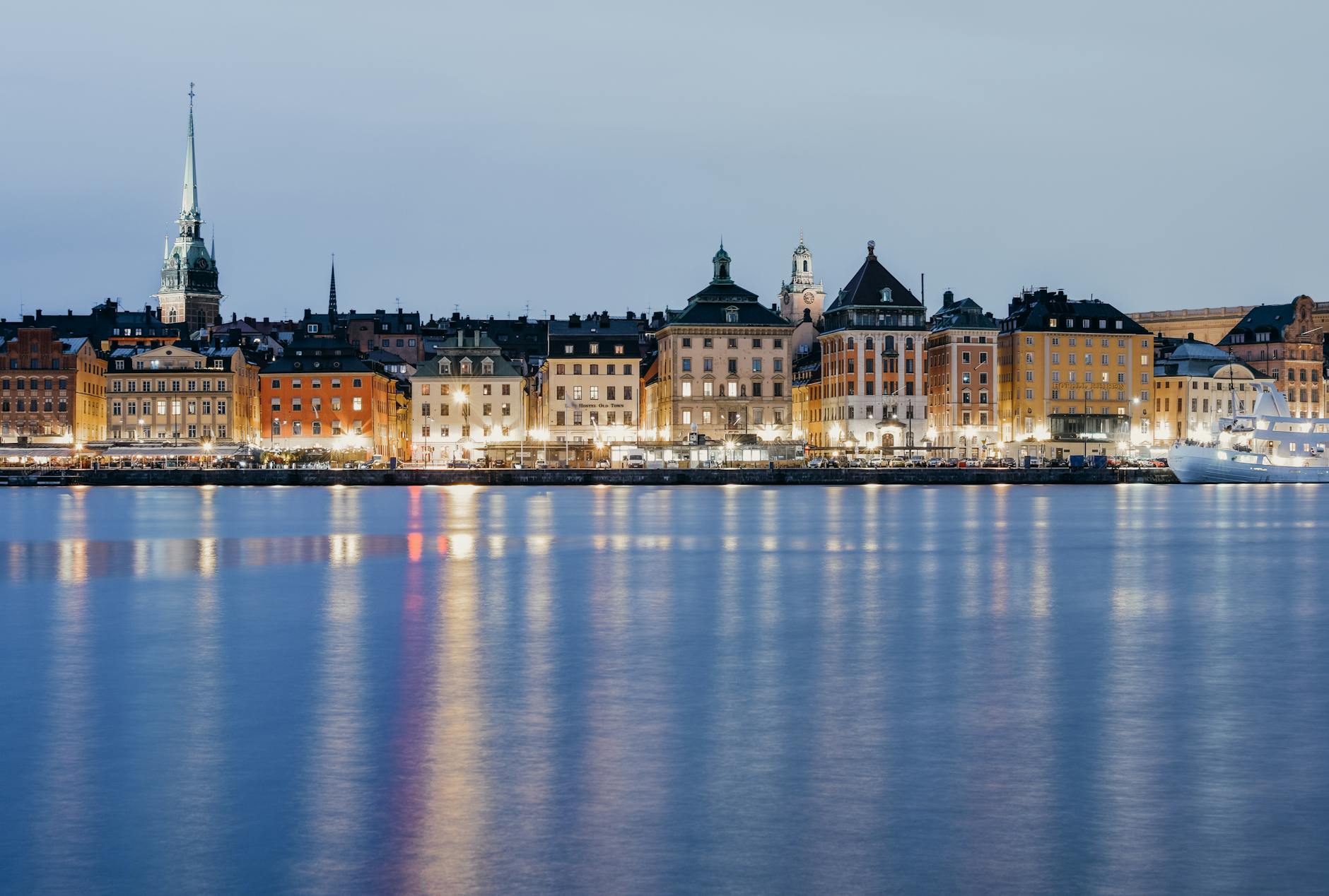
Stockholm is a city best seen with a plan — 14 islands, two essential neighborhoods.
Stockholm itinerary rules of thumb
Five things to know before you lock any itinerary:
1. The city has two “essential” islands.Gamla Stan (the Old Town) and Djurgården (the museum island) together hold 80% of Stockholm’s must-see sights. If you only have a day, stay close to these two.
2. Museums cluster on Djurgården. The Vasa, ABBA Museum, Nordiska, Skansen open-air museum, and Junibacken are all within a 15-minute walk of each other. A single day on Djurgården can cover 3–4 major museums.
3. Mornings belong to outdoor sights. Gamla Stan is photogenic and mostly empty at 08:30 — it becomes a cruise-ship crush by 11:00. Plan walking tours for early morning; museums for afternoons.
4. Restaurants close early by European standards. Most kitchens stop at 21:00, even in summer. Eat dinner at 18:30–19:30 and you’ll have your pick of tables. See our Stockholm restaurant guide for reservations to book ahead.
5. One archipelago day is worth two more museum days. If you have 4 or more days, commit at least one to the archipelago. It’s what makes Stockholm Stockholm.
1 day in Stockholm
Goal: Hit the absolute essentials. Prioritize the two most iconic neighborhoods and one world-class museum.
Gamla Stan’s Stortorget — the beating heart of medieval Stockholm.
Morning (08:30–12:30) — Gamla Stan
Start at Stortorget, the main square in the medieval Old Town, before 09:00. The painted facades are pristine and the square is empty. Walk to the Royal Palace (entry 200 SEK) for the Changing of the Guard at 12:15 — Stockholm’s most-photographed ceremony.
On your way, wander Västerlånggatan (the main shopping street), step into Stortorgskällaren for the country’s best cellar-level café, and peek inside Storkyrkan Cathedral — the site of royal coronations for 700 years.
Lunch (12:30–13:30)
Quick and local: Under Kastanjen on Kindstugatan for a traditional Swedish dagens lunch (lunch of the day, 140 SEK), or Chokladkoppen for the city’s best hot chocolate and a simple sandwich.
Afternoon (13:30–17:30) — Djurgården
Walk or take the tram from Kungsträdgården to Djurgården. Go directly to the Vasa Museum (Scandinavia’s most-visited museum, 220 SEK) and spend 90 minutes with the 17th-century warship that sank on her maiden voyage. From the Vasa, it’s a 5-minute walk to Skansen, the world’s oldest open-air museum, or the ABBA Museum — pick one.
If the weather is good, skip the second museum and walk the Djurgården waterfront to the Rosendal trädgård (gardens) for coffee.
Evening (18:00–21:00) — Södermalm
Take the ferry from Djurgården to Slussen and walk up the hill to Monteliusvägen for the best sunset viewpoint in Stockholm. Dinner at Pelikan (Swedish classic husmanskost, est. 1664) or Fotografiska café — a photography museum with the city’s best view from a restaurant terrace.
2 days in Stockholm
Add one more museum cluster day and a viewpoint/shopping loop.
Day 1: Gamla Stan + Djurgården (the 1-day itinerary above)
Day 2: City Hall + Södermalm + evening in Östermalm
Stockholm City Hall — site of the annual Nobel Banquet.
Morning (09:00–12:00) — Stockholm City Hall + Kungsholmen. Start at Stadshuset (City Hall, guided tour 160 SEK), climb the tower (80 SEK) for a 106-meter panorama, then walk the Norr Mälarstrand waterfront promenade for 30 minutes to a classic café at Mälarpaviljongen.
Lunch + afternoon (12:30–17:00) — Södermalm. Take the subway to Slussen and spend the afternoon in SoFo, Södermalm’s design district (Mariatorget, Bondegatan, Skånegatan). Independent boutiques, vintage shops, third-wave coffee roasters. Lunch at Nytorget Urban Deli. See our neighborhood guide for more on each area.
Late afternoon (17:00–18:30). Walk up to Skinnarviksberget, Stockholm’s best sunset rock, bring a takeaway and a beer.
Evening (19:00–21:30) — Östermalm. Metro to Östermalmstorg and dinner in Stockholm’s elegant quarter — the Saluhall food market for counter dining, or Sturehof for turn-of-the-century Swedish dining at a marble oyster bar.
3 days in Stockholm
Add one day trip or one full archipelago excursion.
Day 1: Gamla Stan + Djurgården (as above)
Day 2: City Hall + Södermalm (as above)
Day 3: Choose your character
Option A — Drottningholm Palace (easy half-day + Norrmalm afternoon). Catch the 09:15 commuter boat from Stadshusbron to Drottningholm (60 min, UNESCO World Heritage site, entry 160 SEK). Tour the palace, baroque gardens, and 17th-century theater. Back in the city by 14:00 for the Kungsträdgården park, window shopping on Biblioteksgatan, and dinner at Operakällaren or Tradition (classic Swedish).
Drottningholm Palace — UNESCO World Heritage and royal residence.
Option B — Archipelago day trip. Waxholmsbolaget ferry to Vaxholm (50 min) at 10:00, lunch at Hamnkrogen, explore the fortress, return by 16:30. Alternative: Cinderella boat to Grinda (1h 45m) for a more nature-forward island experience.
Option C — Uppsala day trip. SJ train north (40 min, 75 SEK advance). Uppsala Cathedral, Gamla Uppsala Viking burial mounds, lunch at Stationen, back by 18:00. Dinner in Stockholm. See the full day trips guide.
5 days in Stockholm
At 5 days, Stockholm opens up. You can cover the city’s essentials and add a proper archipelago overnight.
Day 1: Gamla Stan deep-dive
All-morning Old Town walking, the Nobel Prize Museum (140 SEK), the Royal Palace and its five sub-museums (Tre Kronor, the Treasury, the Royal Armoury), lunch at Fem Små Hus (candlelit cellar), afternoon tea at Grillska Huset on Stortorget. Evening: ABBA The Party dinner show (seasonal, book ahead) or dinner at Pubologi.
Day 2: Djurgården museum day
Three of the best: Vasa Museum (90 min), Nordiska Museet (60 min; Sweden’s national history museum in a cathedral-like building), and Skansen (2–3 hours, the open-air museum with Nordic animals and traditional Swedish buildings). Lunch at Skansen’s Solliden for the city view. End at Rosendal Gardens or Thielska Galleriet, the art museum at Djurgården’s far end.
Day 3: Archipelago overnight
An archipelago day trip is what turns a Stockholm visit into a Stockholm trip.
Pack a small overnight bag. Take the 10:00 Waxholmsbolaget ferry to Grinda (1h 45m). Check into Grinda Wärdshus (from 2,200 SEK). Spend the afternoon walking the island’s 2 km loop, swim at Södra Grinda, dinner at the inn. Stay the night on the island — archipelago silence after the last ferry leaves is genuinely memorable.
Day 4: Grinda to Sandhamn or back to Stockholm
Path A (more ambitious): Morning ferry to Sandhamn (1h), lunch at Sandhamn Seglarhotell, beach time at Trouville, return ferry at 16:00 to Stockholm. Path B (easier): Return to Stockholm by 13:00, lunch on Strandvägen, afternoon at Fotografiska (photography museum, stunning exhibits and the best restaurant view in the city). Evening: dinner at a Michelin-starred Adam/Albin or Frantzén (book 2 months ahead for the latter).
Day 5: Uppsala or Södermalm deep-dive
Final day with a choice: a day trip to Uppsala (cathedral + Gamla Uppsala + castle) or a full day in Södermalm — SoFo shopping, Fotografiska, Långholmen swimming spot in summer, dinner at Meatballs for the People or Pelikan, late drinks at Kvarnen.
7 days in Stockholm
A full week lets you see the city like a local. Slow down, repeat favorite cafés, and layer in experiences other travelers miss.
Day 1: Arrival & Gamla Stan
Light sightseeing after arrival. Check in, walk Gamla Stan at sunset, dinner in the Old Town. Early night.
Day 2: Djurgården museum day
Vasa Museum + Skansen + Nordiska Museet or ABBA. Rosendal café.
Day 3: City Hall + Kungsholmen + Södermalm evening
Guided Stadshuset tour (09:30), climb the tower, lunch on Kungsholmen, evening on Södermalm (Monteliusvägen at sunset, dinner at Pelikan).
Day 4: Archipelago overnight (Grinda or Utö)
Follow the 5-day archipelago plan above.
Day 5: Archipelago return + Fotografiska + Strandvägen
Morning ferry back. Afternoon at Fotografiska (photography museum), walking along Strandvägen and Djurgårdsbron. Evening in Östermalm’s restaurants.
Day 6: Uppsala & Sigtuna double day trip
Early SJ train to Uppsala (cathedral + castle, 3 hours). Bus to Sigtuna for afternoon tea and medieval streets. Back in Stockholm by dinner. See the day trips guide for the combined itinerary.
Day 7: Local Stockholm
Your final day, spent like a local. Coffee at Drop Coffee on Södermalm, brunch at Snickarbacken 7, a morning at Millesgården (sculpture park across the water on Lidingö), or the Moderna Museet (Nordic modern art). Dinner somewhere you loved earlier in the week — Stockholm is a city where favorites become rituals.
Where to stay for each itinerary length
Base location matters more in Stockholm than in most European capitals, because the city’s geography (14 islands) means your hotel’s location shapes your day.
1–2 days: Stay in Gamla Stan or Norrmalm for walkability to every major sight. Hotels: Hotel Kungsträdgården, Nobis Hotel Stockholm.
3 days: Same recommendation, or Östermalm if you value elegance and food.
5–7 days: Move around — spend 2–3 nights in Norrmalm, then 1–2 nights in the archipelago (Grinda Wärdshus, Sandhamn Seglarhotell), then a final night in Södermalm for a different Stockholm flavor.
Skip the Stockholm Pass for shorter itineraries. It only pays back if you’re packing 4+ paid attractions into a single day. For 3+ days, the Go City All-Inclusive Pass (from 1,200 SEK/day) can cover entrance to Vasa, Skansen, ABBA, Fotografiska, and the hop-on-hop-off boat — worth the math if you’re museum-heavy.
Always buy an SL travelcard. A 7-day SL pass is 450 SEK and covers metro, buses, trams, commuter trains, and the Djurgården ferry — all of which are part of most itineraries. See our transport guide.
Book museums online. Vasa and ABBA can sell out on summer weekends; a timed entry slot bought 24 hours ahead is often the difference between walking in and queueing 45 minutes.
Morning is your friend. Gamla Stan, the Royal Palace, and Drottningholm are dramatically emptier before 11:00. Afternoon sightseeing means longer lines and cruise-ship crowds.
Avoid Monday as museum day. Many smaller museums (Moderna Museet, Nationalmuseum) close on Mondays. Major ones (Vasa, ABBA, Skansen) stay open year-round but consider saving them for earlier in the week.
Restaurant dinner is earlier than you expect. Swedish kitchens close at 21:00–22:00. Book reservations for 18:30–20:00, not 21:00.
Sample daily budgets
Realistic 2026 Stockholm spend per person:
Budget (~1,300 SEK/day): Hostel dorm, 2 SL single tickets, 1 museum, street food + sit-down lunch, beer
High-end (~5,000+ SEK/day): 4–5 star hotel, private tour or fjord cruise, Michelin lunch, ferry to archipelago restaurant
Frequently asked questions
How many days do you need to see Stockholm? 3 days is the sweet spot for first-time visitors — enough for Gamla Stan, Djurgården, City Hall, and one day trip or archipelago visit. 5–7 days lets you add an archipelago overnight and explore neighborhoods beyond the tourist core.
Is Stockholm worth visiting for 3 days?
Yes. Three days is ideal — long enough to see the top museums, walk Gamla Stan at leisure, and take one day trip to Drottningholm, Uppsala, or the archipelago without feeling rushed.
What is the must-see in Stockholm?
The Vasa Museum (17th-century warship), Gamla Stan (medieval Old Town), the Royal Palace, City Hall (site of the Nobel Banquet), and Djurgården (museum island). Add the archipelago if you have 4+ days.
Can you see Stockholm in one day?
The top sights only. A good one-day plan is Gamla Stan in the morning, the Vasa Museum in the afternoon, and sunset at Monteliusvägen on Södermalm. You will miss the archipelago, City Hall, and most museums.
Is Stockholm walkable?
Yes, once you’re in one of the central neighborhoods (Gamla Stan, Norrmalm, Östermalm, Södermalm). Between islands, the metro and ferries are fast. Central Stockholm is 4 km end-to-end on foot.
What should I book in advance for Stockholm?
Archipelago hotels (especially Sandhamn and Grinda in summer), top-tier restaurants like Frantzén (2 months out), the ABBA Museum on summer weekends, and SJ train tickets for day trips.
Is 5 days too long in Stockholm?
No. 5 days is the right length to cover the city plus an archipelago overnight, one day trip, and a local’s day on Södermalm. Any less and you’ll feel rushed; any more and you’ll start repeating yourself unless you add another Swedish city.
What is the best way to get around Stockholm?
A 7-day SL pass (450 SEK) covers metro, buses, trams, commuter trains, and the Djurgården ferry — everything most itineraries need. Contactless tap-and-go at every gate is the fastest option for single rides. See the Stockholm transport guide.
Is the Stockholm Pass worth it?
Only if you’re visiting 4+ paid museums in a single day. For slower itineraries, pay per attraction. For museum-heavy days, the Go City All-Inclusive Pass from Stockholm Pass outperforms individual tickets.
What is the best 3-day Stockholm itinerary?
Day 1: Gamla Stan in the morning, Vasa Museum + Skansen on Djurgården in the afternoon. Day 2: City Hall tour + tower, lunch on Kungsholmen, Södermalm viewpoints and dinner. Day 3: Drottningholm Palace or a Waxholmsbolaget ferry to Vaxholm.
Putting it all together
The structure that works for almost everyone is:
One day in Gamla Stan + Djurgården (the must-sees)
One day in Södermalm + City Hall (locals’ Stockholm)
One day on a day trip or the archipelago (the Swedish countryside)
Repeat and expand in any order for longer stays. Come back to Fotografiska at least once, try at least two fika (coffee-and-pastry) spots, eat one meal in a food hall, and save the archipelago overnight for the middle of your trip — not the end. Stockholm is a city that rewards slowness.
The honest answer: the best time to visit Stockholm is late May to early September, when the city is warm, daylight stretches past 22:00, and every restaurant, ferry, and archipelago island is fully open. But Stockholm runs on a more dramatic seasonal rhythm than almost any other European capital — winters are snowy and pitch-dark at 15:00, summers feel like one long white night, and the shoulder months each offer something genuinely different. The “best” month depends on what you want out of the trip.
This guide is a practical, month-by-month breakdown of Stockholm’s weather, events, crowd levels, prices, and what’s actually worth doing each month. It’s written for travelers who want to plan once and plan well.
Stockholm’s seasons swing from 6 hours of December daylight to 18+ hours in June.
Stockholm at a glance: the three-season rule
Stockholm has three distinct travel seasons that shape your entire experience:
Peak summer (mid-June to mid-August) — Long days, warm water, every service running at full capacity. Highest prices, most crowds.
Shoulder season (May, early June, September, early October) — Mild weather, major sights open, 25–40% cheaper hotels, far fewer tour groups.
Winter (mid-November to mid-March) — Genuinely dark, genuinely cold, but cheap, atmospheric, and home to Lucia, Christmas markets, and snowy Gamla Stan photography.
Short version: go in June or September if you can. Go in December for Lucia if you love winter. Avoid late October and early November, the dampest and darkest weeks.
Stockholm weather by month (2026 averages)
Peak summer offers daylight well past 22:00.
Stockholm’s latitude (59.3° N) is roughly the same as Anchorage, Alaska. That alone explains the drama of its seasons. Here are the 2026 monthly averages for temperature, precipitation, and daylight:
Month
High / Low
Rain days
Daylight
Crowd level
January
-1 / -5°C (30 / 23°F)
9
6h 30m
Low
February
-1 / -5°C (30 / 23°F)
8
9h 00m
Low
March
3 / -3°C (37 / 27°F)
7
11h 30m
Low
April
9 / 1°C (48 / 34°F)
7
14h 00m
Medium-low
May
16 / 6°C (61 / 43°F)
8
16h 30m
Medium
June
20 / 11°C (68 / 52°F)
9
18h 30m
High
July
22 / 13°C (72 / 56°F)
10
17h 30m
Peak
August
20 / 13°C (68 / 56°F)
11
15h 30m
Peak
September
15 / 9°C (59 / 49°F)
10
12h 45m
Medium
October
9 / 5°C (48 / 41°F)
10
10h 00m
Medium-low
November
4 / 1°C (40 / 34°F)
11
7h 30m
Low
December
1 / -2°C (34 / 28°F)
10
6h 15m
Medium (holiday)
Month-by-month Stockholm travel guide
January — Quiet, snowy, and cheap
Weather: -1°C to -5°C, frequently snowy · Daylight: 6h 30m · Crowd: Low · Hotel prices: 40–60% below summer peaks
January is Stockholm at its most atmospheric — snow-dusted cobblestones in Gamla Stan, empty museums, and the long winter dark broken by twinkling strings of lights over Drottninggatan that stay up until Knut’s Day on January 13. Evenings belong to cozy restaurants with candlelight in every window, the Swedish tradition of mys (coziness).
Good for: museum enthusiasts, photographers, budget travelers, people who genuinely love winter cities. Avoid if: you need long days or want to see the archipelago (most ferries are dormant).
What to do: Ice skate at Kungsträdgården (free rink, skate rental for 50 SEK), visit the Vasa Museum and Fotografiska on quiet weekdays, warm up with fika at Vete-Katten on Kungsgatan.
Pack: Thermal base layers, insulated waterproof boots, a proper winter coat (rated to -15°C), a warm hat, and gloves that let you use your phone.
February — Lengthening light, semla season
Weather: -1°C to -5°C, often snow · Daylight: 9h 00m · Crowd: Low
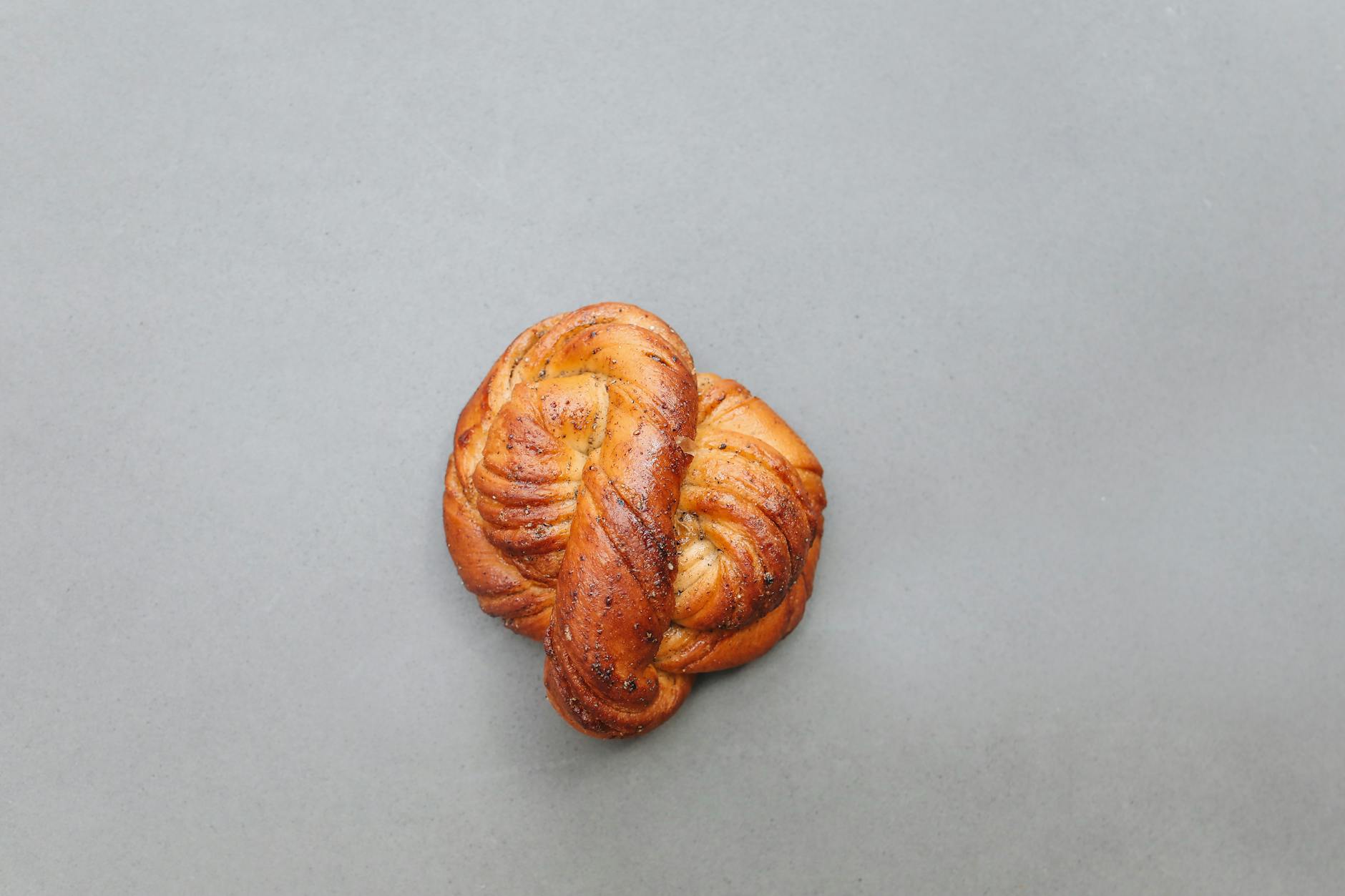
February’s daylight is already dramatically longer than January’s — the Swedish phrase ljuset kommer tillbaka (the light is coming back) really does mean something in February. Semla buns appear in every bakery (traditionally on Fat Tuesday, but actually available from early February to Easter). Stockholm International Boat Show runs in early March, the first signal that archipelago season is close.
What to do: Try a semla at Vete-Katten or Tössebageriet, ice-skate on outdoor lakes when conditions allow, and take a day trip to Uppsala — trains run year-round.
March — Sunlight returns, shoulder begins
Weather: 3°C to -3°C, driest month · Daylight: 11h 30m · Crowd: Low to medium
March is Stockholm’s driest month and one of its best-kept secrets. Snow lingers but the sun is noticeably warm by month’s end, and flights and hotels remain cheap. Easter (April 3–5, 2026) sometimes falls in late March; when it does, Påsk Witches decorations appear in shop windows and kids go trick-or-treating for candy on Maundy Thursday.
April — Blossoms, Kulturnatt, and the first patio lunches
Cherry blossoms bloom in Kungsträdgården late April.
April is when the city visibly changes. Cherry blossoms in Kungsträdgården bloom around April 20–28, drawing hundreds of locals for photos and picnics. Outdoor café seating returns, and ferries to the inner archipelago (Fjäderholmarna, Vaxholm) resume their summer schedule.
Key 2026 event:Stockholm Culture Night (Kulturnatt) on Saturday, April 18, 2026 — museums, galleries, and cultural institutions stay open until midnight, all free, with special performances and guided tours. It’s the single best time to sample Stockholm’s cultural scene in one night.
May — The sweet-spot month
Weather: 16°C to 6°C · Daylight: 16h 30m · Crowd: Medium · Hotel prices: 25–35% below summer peaks
If we had to pick one month, it would be May. Long days, real green leaves, cherry blossoms lingering into the first week, outdoor seating at every café, all major attractions fully open — without the summer crowds or summer pricing. Water temperature is still too cold for swimming (around 9°C), but every other summer activity is back in full swing.
Key events: Kulturnatt Uppsala (late April/early May), Stockholm Half Marathon in mid-May, and the boating community’s season launch in early May.
June — White nights and Midsummer
Weather: 20°C to 11°C · Daylight: 18h 30m · Crowd: High · Hotel prices: Start rising sharply mid-month
Midsummer is Sweden’s most important traditional holiday.
June is when Stockholm hits its stride. The Baltic warms just enough for brave swimming (15–17°C), the archipelago is at its most beautiful, and daylight lasts from before 04:00 until well after 22:00. The city feels like it’s vibrating.
Key 2026 events:
National Day — June 6 (Swedish flag day, royal family appearance at Skansen).
Midsummer’s Eve — Friday, June 19, 2026. Sweden’s most important holiday. Almost all of Stockholm empties out as locals flee to the archipelago or summer houses. The best place to celebrate if you’re staying is Skansen open-air museum, where traditional midsummer maypole dancing, folk music, and flower-crown making runs all day.
Stockholm Marathon — Saturday, June 6, 2026. Prepare for central street closures.
Do not expect normal service from late Thursday afternoon to Monday morning around Midsummer. Many restaurants close, public transport runs on a holiday schedule, and the city feels like a ghost town.
July — Peak season, peak crowds
Weather: 22°C to 13°C · Daylight: 17h 30m · Crowd: Peak · Hotel prices: Highest
July is the warmest month and the busiest. Locals are almost all on vacation, which is a strange paradox — the city feels emptier on weekdays (many restaurants close for semestern, Sweden’s four-week July vacation stretch) but packed with tourists on weekends and around major attractions like the Vasa and ABBA Museum.
Key events:
Stockholm Pride — late July/early August, one of Europe’s largest LGBTQ+ celebrations.
Popaganda Festival — end of August, music festival in Eriksdalsbadet.
Archipelago regattas — Gotland Runt sailing week starts from KSSS at Sandhamn.
Water temperatures in Stockholm’s outdoor bathing spots (Långholmen, Smedsuddsbadet) reach 20–22°C in July, warm enough for comfortable swimming. Dedicated summer ferries run at maximum frequency.
August — Festivals and warm evenings
Weather: 20°C to 13°C · Daylight: 15h 30m · Crowd: Peak through mid-month, declining after
August is arguably the best-balanced summer month — slightly cooler than July, slightly less busy, the longest run of festivals, and water still warm enough to swim. After August 15, crowds thin noticeably as Swedes return to work and school.
Key 2026 events:Stockholm Culture Festival (August 12–16, 2026) — Sweden’s largest free festival, five days of music, food, dance, art installations, and theater across multiple city squares. Do not miss this if you’re in town in mid-August.
September — Shoulder gold
Weather: 15°C to 9°C · Daylight: 12h 45m · Crowd: Medium · Hotel prices: 20–30% below summer peaks
September is many locals’ favorite month. The tourist crowds melt away, hotel prices drop sharply, the leaves turn gold, and there’s still enough warmth for long lunches on outdoor patios. Archipelago ferries run through September; many island restaurants shut on September 15.
What to do: Mushroom foraging day trips, the archipelago in fall colors, the annual Kräftskiva (crayfish party) culture that extends into early September.
Early October still has leaf-peeping weather and passable afternoon warmth; the last two weeks turn gray, wet, and noticeably darker after daylight saving ends on October 25, 2026. Most archipelago services wind down by mid-October.
Key event: Stockholm International Film Festival runs in early November but tickets go on sale in mid-October.
November — The darkest month
Weather: 4°C to 1°C, often rainy · Daylight: 7h 30m · Crowd: Low
November is Stockholm’s least-loved month — it’s dark, damp, and cold without the compensations of snow or holiday lights (those arrive after Advent begins on November 29, 2026). It’s the single cheapest time to visit, and a decent choice for budget-focused travelers who plan to spend most of their trip in museums, cafés, and restaurants.
Key event:Stockholm International Film Festival (Nov 4–15, 2026) — 10 days of international cinema across several city-center theaters.
December — Christmas markets and Lucia
Weather: 1°C to -2°C · Daylight: 6h 15m · Crowd: Medium through holiday period
Gamla Stan’s Christmas market at Stortorget is the classic postcard scene.
December transforms Stockholm. The first Advent candle (November 29, 2026) kicks off six weeks of Christmas markets, glögg (mulled wine), and window displays. Every department store (NK, Åhléns) unveils its Christmas window on the first of December.
Key 2026 events:
Skansen Christmas Market — weekends in December, Sweden’s oldest Christmas market inside the open-air museum.
Gamla Stan Christmas Market — daily at Stortorget; the classic postcard scene.
Lucia Day — December 13, 2026. A Sunday in 2026 — candlelight processions in every church, school, and workplace starting before dawn. Storkyrkan in Gamla Stan is the traditional venue.
Nobel Prize Ceremony — December 10 at Stockholm Concert Hall, banquet at Stockholm City Hall. Not open to the public but broadcast live.
Christmas Eve — December 24 is when Swedes celebrate Christmas (not December 25). Most restaurants and attractions close for 24 hours.
When to visit Stockholm for specific experiences
For the Northern Lights
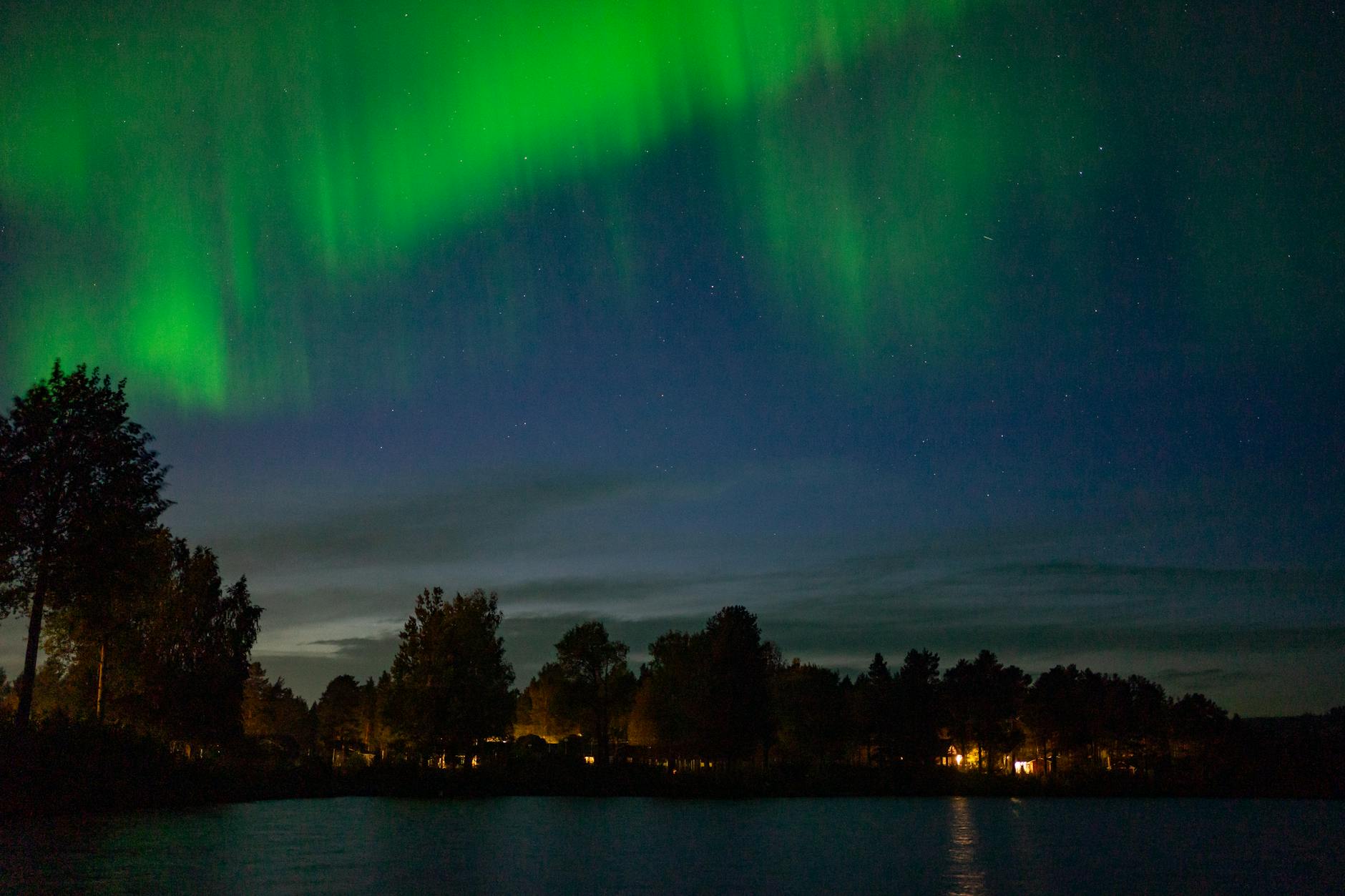
Be realistic: Stockholm’s latitude (59°N) is too far south, and the city too light-polluted, to make aurora viewing likely. In a strong solar storm you might see a faint green glow on dark horizons north of the city — but real aurora tourism in Sweden happens in Abisko, 1,200 km north, from late September to early April. Plan Stockholm as a 2-day city leg of a bigger Lapland trip if aurora is your goal.
For the archipelago
Mid-June to mid-August. Ferry frequency is at its peak, all restaurants are open, and you can swim. Mid-May to mid-June and September are beautiful shoulder alternatives — bring a warm jacket.
For Midsummer
June 19, 2026 (Friday). Book accommodation and train tickets at least two months out. Consider staying outside central Stockholm — Sigtuna, Vaxholm, or Drottningholm all have traditional celebrations and are half the price of the city center.
For Christmas markets
First three weekends in December. Skansen runs weekends only; the Gamla Stan market is daily. Both typically close the week of Christmas.
For the lowest prices
January to early March (excluding holiday week) and November. Hotels can be 40–60% cheaper than summer peaks, and top restaurants accept walk-ins.
For long daylight (white nights)
June 10 to July 5 is the peak. Sunset is after 22:00 and twilight continues well past midnight. It’s genuinely easy to forget what time it is.
For Swedish food at its best
June (strawberries, asparagus, new potatoes), August (crayfish season), and December (julbord Christmas buffet). Every summer week brings a different specialty; winter is when traditional Swedish food really shines.
Festivals and events calendar: the 2026 highlights
The below are confirmed or traditional dates for 2026 — always double-check the official site before committing:
Kulturnatt (Culture Night) — Saturday, April 18, 2026
Stockholm Marathon — Saturday, June 6, 2026
National Day — Saturday, June 6, 2026
Midsummer’s Eve — Friday, June 19, 2026
Stockholm Pride Week — late July to early August, exact dates announced in spring
Stockholm Culture Festival — August 12–16, 2026
Stockholm International Film Festival — November 4–15, 2026
First Advent — Sunday, November 29, 2026 (Christmas markets open)
Nobel Prize Day — Thursday, December 10, 2026
Lucia Day — Sunday, December 13, 2026
Christmas Eve (Swedish Christmas) — Thursday, December 24, 2026
Practical planning tips
Book summer trips early. Hotels in Stockholm can sell out two to three months in advance for June through August. Archipelago lodging for weekends in July is often gone by March.
Layer for every season. Even July evenings on the water are cool. Always pack one warm layer and a windproof outer jacket regardless of the month.
Watch for major vacations. Most Swedes take four consecutive weeks off in July, so many local restaurants, small shops, and service businesses close completely. Major tourist attractions remain fully open. See our restaurant guide for businesses that stay open in July.
Check Swedish holidays. Midsummer, All Saints’ Day (October 31), Christmas Eve, and New Year’s Day are the most disruptive — public transport runs at holiday frequency and grocery stores close by midday.
Budget for long summer days. Long daylight is free but dinner reservations, ferry tickets, and archipelago accommodation double in price from June 20 to August 15. Book the expensive things first, then build the cheap days around them.
Frequently asked questions
What is the best month to visit Stockholm? June or September for the best weather-plus-value balance. June offers peak daylight (18.5 hours), 20°C warmth, and everything open for the summer season, while still being slightly cheaper than July. September keeps the long evenings and mild weather but drops hotel prices by 25–30% and empties the archipelago of tourists.
When is the cheapest time to visit Stockholm? November and January (excluding the week between Christmas and New Year). Hotels run 40–60% below their summer peaks, and flights from most European cities drop to winter lows. Expect dark, cold days and short daylight.
Is Stockholm expensive to visit?
Yes. Stockholm is one of Europe’s 10 most expensive capitals. Expect 200–350 SEK for a casual lunch, 150–200 SEK for dinner cocktails, 2,000+ SEK/night for mid-range hotels. Summer peak pricing can push these figures 25–50% higher.
How many days do you need in Stockholm? 3 days is enough for first-time visitors to cover the essentials. 5 days lets you add a day trip and an archipelago overnight. 7 days lets you explore at a local’s pace. See our Stockholm itinerary guide for day-by-day plans.
Is it dark all winter in Stockholm?
Dark, yes — but not 24-hour dark like northern Lapland. December has about 6 hours of daylight (roughly 08:45 to 14:45). The sun is up, just very low in the sky and setting quickly. By February daylight is back to 9 hours.
Can you see the Northern Lights in Stockholm?
Rarely. Stockholm is too far south for regular aurora activity and too light-polluted. Strong solar storms occasionally produce a faint green horizon visible from dark suburbs. For reliable aurora viewing, travel to Abisko in Swedish Lapland (1,200 km north).
When is Midsummer in Stockholm?
Midsummer’s Eve is always the Friday between June 19 and June 25. In 2026 it falls on Friday, June 19. Most of Stockholm empties out; the city itself is quiet. The best public celebration in town is at Skansen open-air museum.
When is the best time for Stockholm Christmas markets? First three weekends of December, starting the weekend after First Advent. Skansen’s market runs Fridays–Sundays; the Gamla Stan market in Stortorget runs daily. Both close in the days before Christmas.
Is Stockholm worth visiting in winter?
Yes, if you love cold cities. December is magical with Lucia and Christmas markets. January and February are quiet, snowy, and atmospheric but require serious winter clothing (thermal base layers, insulated boots, waterproof outerwear). Avoid November, which is dark and damp without the holiday charm.
Does it rain a lot in Stockholm?
Less than most European capitals. Annual rainfall is around 540 mm, spread across all months. August is the wettest (about 75 mm) and April the driest. Expect a mix of sunshine and showers in any month.
Verdict: pick your trade-off
Everyone in Stockholm tells you summer is the best time to visit, but June and September quietly outshine July and August on almost every metric — long days, open services, manageable crowds, better prices. If you’re flexible, aim for the first two weeks of June or the first three weeks of September.
If you’re locked into a winter trip, make it December for Lucia and the markets, or March for snow plus the first real daylight. Avoid late October and November unless you’re on a strict budget and don’t mind grey skies.
Stockholm rewards the traveler who plans a couple of day trips. The city’s rail, bus, and ferry networks reach hundreds of years of Swedish history — Viking burial mounds, lakeside castles, pirate fortresses, and Sweden’s oldest town — all inside a two-hour radius. A few destinations are so close and so well-served that they feel less like excursions and more like extensions of the city itself.
This guide covers the 15 best day trips from Stockholm, sorted by how you get there (train, ferry, or bus) and how much of a day they ask of you. Every entry includes current 2026 travel times, ticket costs, and a realistic verdict on whether it’s worth the trip for first-time visitors or repeat travelers.
Stockholm’s day trips reach a thousand years of Swedish history within two hours.
Quick picks: which day trip is right for you?
Easiest half-day — Drottningholm Palace (1 hour each way by commuter boat; UNESCO World Heritage)
Best all-round full-day — Uppsala (40 minutes by train; cathedral, castle, Gamla Uppsala Viking mounds)
Most photogenic — Sigtuna (70 minutes via Märsta; Sweden’s oldest town, cobblestone main street)
Most historical — Birka (2 hours by boat; UNESCO Viking trading town)
Best castle — Gripsholm Castle in Mariefred (1 hour by train + bus, or 3.5 hours by steamboat on Lake Mälaren)
Best archipelago island — Vaxholm (50 minutes by ferry; the unofficial capital of the archipelago)
Best rail adventure — Gothenburg via X2000 (3 hours, Sweden’s second city)
How to plan a Stockholm day trip
Three practical rules before you book anything:
1. Use SL for everything inside Stockholm County. Your 24-hour, 72-hour, or 7-day SL pass already covers commuter trains (pendeltåg) and buses that reach Sigtuna, Vaxholm, Drottningholm, and Märsta. Destinations inside the SL zone don’t need an additional ticket. For full details on pricing and what’s included, see our Stockholm public transport guide.
2. Use SJ for destinations outside Stockholm County. SJ is Sweden’s national train operator. Uppsala, Mariefred, and Gothenburg all need SJ tickets. Book through sj.se or the SJ app; advance tickets can be less than half the walk-up price. Uppsala starts at roughly 75 SEK if you book ahead; the walk-up fare is closer to 100–120 SEK.
3. Check the last ferry or train. Swedish public transport is reliable, but rural services taper off after 19:00 and many archipelago ferries stop running after 18:00. Always confirm your return departure before you commit to a destination.
Day trips by train
1. Uppsala — Sweden’s ancient capital
Distance: 70 km north · Time: 38–46 minutes by SJ train · Cost: 75–120 SEK each way · Season: Year-round
Uppsala Cathedral’s 118-meter spires are the tallest in Scandinavia.
Uppsala is the single best day trip from Stockholm for first-time visitors. It’s fast, frequent, and offers three distinct sights that would each justify the journey on their own.
Start at Uppsala Cathedral (Domkyrka), the largest church in the Nordic countries — its 118-meter twin spires are the tallest in Scandinavia. Inside are the tombs of Saint Erik, King Gustav Vasa, and the botanist Carl Linnaeus. Walk ten minutes uphill to the peach-pink Uppsala Castle with its city views, then catch bus 2 or 110 to Gamla Uppsala, the pre-Christian royal site with three enormous Viking-era burial mounds and a small but excellent museum.
With a half-hour lunch at Stationen or Hambergs Fisk, you can fit all three in a day and be back in Stockholm by dinner. Trains depart Stockholm Central roughly every 15 minutes during the day.
Verdict: The only “must-do” day trip for anyone staying three or more days in Stockholm.
2. Sigtuna — Sweden’s oldest town
Distance: 45 km north · Time: 60–75 minutes (SL commuter train + bus) · Cost: Included in SL pass · Season: Year-round, most atmospheric May–September
Sigtuna — founded in the 10th century, Sweden’s oldest town.
Founded around 980 AD, Sigtuna is the oldest town in Sweden and the best-preserved medieval streetscape within an hour of the capital. The single main street — Stora Gatan — is lined with brightly painted wooden houses, a handful of good cafés (try Tant Brun for cinnamon buns), three ruined medieval churches, and Sweden’s smallest town hall.
The town’s bookstore, Sigtuna Bokhandel, has been run by nuns since 1948. The 12th-century Mariakyrkan (St. Mary’s Church) is Sigtuna’s oldest brick building and one of the finest Gothic churches in the country. Several of the 150 Viking-era runestones raised in the Sigtuna area are scattered along the lakeshore path — pick up a free map at the tourist office.
Take a pendeltåg commuter train from Stockholm City station to Märsta (38 minutes), then bus 570 or 579 (15 minutes) to Sigtuna. Both legs are covered by any SL pass.
Verdict: The most charming half-day trip from Stockholm; easily paired with Arlanda on your way to the airport.
3. Mariefred & Gripsholm Castle
Distance: 70 km southwest · Time: 1 hour by SJ train + bus, or 3.5 hours by steamboat · Cost: ~115 SEK by rail; 440 SEK by steamboat · Season: Steamboat May–September; castle year-round
Mariefred is a toy-town on Lake Mälaren with wooden merchant houses, a narrow-gauge steam railway, and — the main attraction — Gripsholm Castle, a 14th-century red-brick fortress commissioned by Gustav Vasa. The castle houses Sweden’s National Portrait Gallery, the world’s second-oldest state portrait collection with over 4,500 paintings including Queen Christina and King Gustav III.
The most romantic way to reach it is the S/S Mariefred, a 123-year-old coal-fired steamboat that runs from Stadshusbron (City Hall Quay) on summer weekends. The one-way trip takes 3.5 hours; a typical itinerary is steamboat out, explore the castle and town, and take the 50-minute SJ train back (to Läggesta station + 10-minute bus).
Verdict: The steamboat is one of the most memorable things you can do in Sweden; book at least a week ahead in summer.
4. Gothenburg — Sweden’s second city by high-speed rail
Distance: 470 km · Time: 3 hours on SJ X2000 · Cost: 395–1,495 SEK each way · Season: Year-round
Stockholm and Gothenburg are often compared as “old money vs. new money” Sweden. A day trip is ambitious but doable on the 06:07 X2000 high-speed service: you’re in Gothenburg by 09:23, and the 17:14 return has you back in Stockholm by 20:29.
Use the 7-hour window for Haga‘s cobblestoned café district, the modernist Gothenburg Museum of Art, a fika at Café Husaren (famous for its dinner-plate-sized cinnamon buns), and dinner at a seafood stand in the Feskekôrka “fish church” market hall. Book the “Just Nu” advance fare at least 14 days out for the cheapest seats.
Verdict: A long day; better as an overnight if your schedule allows.
5. Västerås & Anundshög
Distance: 105 km west · Time: 1 hour on SJ regional train · Cost: 95–150 SEK each way
Västerås is a small lakefront city 60 minutes west of Stockholm and home to Anundshög, Sweden’s largest burial mound (9 meters high, 60 meters across, raised for King Anund in roughly 500 AD). The surrounding ship settings — stones laid out in the shape of Viking longships — are the best-preserved in Sweden. Combine with an easy lakeside walk and lunch at the floating Hotel Utter Inn marina café.
Verdict: Skip this one unless you’ve already done Uppsala and Sigtuna and want a deeper Viking experience.
Day trips by ferry & boat
The S/S Mariefred has run Stockholm’s steamboat route since 1903.
6. Vaxholm — the archipelago’s front door
Distance: 35 km northeast · Time: 50 minutes by ferry, 30 minutes by bus · Cost: 70–190 SEK by ferry, included in SL pass by bus
Vaxholm is the easiest archipelago island you can reach from central Stockholm, and it feels immediately different from the city — pastel wooden houses, a 16th-century fortress guarding the harbor, and terrace restaurants lining Hamngatan. A Waxholmsbolaget ferry from Strömkajen (in front of the Grand Hôtel) drops you at the quay in under an hour; alternatively, SL bus 670 from Tekniska Högskolan metro runs every 15 minutes and costs nothing extra with any SL pass.
Spend 3–4 hours wandering the lanes, visiting the Vaxholm Fortress Museum (short shuttle boat from the harbor), and lunching on fresh-caught perch at Hamnkrogen. See our full Stockholm archipelago guide for an in-depth breakdown.
Verdict: The easiest archipelago experience for visitors with half a day.
7. Birka — UNESCO Viking trading town
Distance: 30 km west on Lake Mälaren · Time: 1 hour 45 minutes each way by Strömma boat · Cost: 470 SEK round trip + museum; typically 8-hour excursion · Season: May–September only
Birka was the most important trading town in the Viking world.
Founded around 750 AD, Birka was the most important trading town in the Viking world for two hundred years. Today the entire island of Björkö is a UNESCO World Heritage Site with a small but excellent archaeological museum, reconstructed Viking longhouses, and over 3,000 burial mounds scattered across the fields.
The only practical way to visit is the Strömma boat from Stadshusbron; the departure at 10:00 returns at 17:45, giving you 3.5 hours on the island including a 45-minute guided tour of the burial grounds and hillfort (included in the ticket). There’s a single café on Björkö for lunch.
Verdict: Niche but unforgettable; essential if Viking history is a draw.
8. Drottningholm Palace
Distance: 10 km west of the city · Time: 1 hour by commuter boat, 25 minutes by metro + bus · Cost: 260 SEK by boat, included in SL pass by metro
Drottningholm Palace is Sweden’s best-preserved royal palace and a UNESCO World Heritage Site, still serving as the private residence of King Carl XVI Gustaf and Queen Silvia. The baroque gardens, the 17th-century theater (still in use with the original 18th-century stage machinery), and the Chinese Pavilion can each eat an hour.
The scenic way to arrive is by Strömma Drottningholm Boat from Stadshusbron; the slow option turns the journey into part of the experience with Lake Mälaren views. The cheaper option is metro green line to Brommaplan + bus 176 or 177.
Verdict: The best half-day trip for a first-time visitor to Stockholm.
9. Sandhamn — the outer archipelago classic
Distance: 50 km east · Time: 2 hours 15 minutes by Cinderella boat from Nybrokajen, or 1 hour bus + 1 hour ferry · Cost: ~380 SEK round trip · Season: June–September
Sandhamn is the outer archipelago’s most famous address — the home of the Royal Swedish Yacht Club (KSSS), the Gotland Runt sailing regatta, and a handful of the most atmospheric summer restaurants in Sweden. The setting is pure Scandinavia: pine-covered granite, white sand at Trouville Beach, and wooden boardwalks twisting between red-painted houses.
Take the Cinderella boat from Nybrokajen at 10:00 for a 12:15 arrival; the 17:20 return gets you back to Stockholm by 19:35. It’s a full-day commitment but one of the most photogenic places in the country.
Verdict: Best combined with an overnight; as a day trip it’s 5 hours of travel for 5 hours on the island.
10. Fjäderholmarna — the easiest archipelago escape
Distance: 4 km east · Time: 25 minutes by ferry from Nybroviken or Slussen · Cost: 180 SEK round trip · Season: May–September
If you only have a half-day and want an archipelago experience that feels real, Fjäderholmarna is it. Four small islands stocked with seasonal restaurants, craft studios, a brewery, a distillery, and a seaplane museum — all reachable in 25 minutes from central Stockholm. It’s practically Stockholm’s “island park.”
Verdict: Perfect for a sunset dinner escape with no early starts.
Day trips by car or bus
11. Skokloster Palace — Sweden’s Baroque time capsule
Distance: 65 km northwest · Time: 1 hour by car, 1.5 hours by train + bus · Cost: ~95 SEK by train; 150 SEK palace admission
Skokloster Castle — unfinished since 1676, a baroque time capsule.
Commissioned in the 1650s by the Swedish commander Carl Gustaf Wrangel, Skokloster Castle was never finished — Wrangel died before workers could complete the top floor, which still sits as it did in 1676 with tools and materials scattered where the workmen left them. The rest of the palace is filled with one of Europe’s most extensive baroque interiors: tapestries, armor, a 40,000-book library, and the wildest private weapons collection in Sweden.
Take an SJ regional train to Bålsta (30 minutes from Stockholm Central), then bus 311 direct to the palace. Combine with lunch at the waterfront café.
Verdict: The single most atmospheric palace within 90 minutes of Stockholm.
12. Tyresta National Park — the wild forest next door
Distance: 20 km south · Time: 50 minutes by SL bus · Cost: Included in SL pass · Season: Year-round
Tyresta is the closest ancient old-growth forest to Stockholm — a 20-square-kilometer national park of pine-crowned granite ridges, black lakes, and hiking trails running from 2 to 12 km. The visitor center at Tyresta village has free maps and a café; the 7 km Ällmora Trail is the best half-day loop. A fire in 1999 burned a third of the park — the regrowth is a fascinating stop along the way.
Bus 873 from Gullmarsplan metro runs hourly; journey time is 45–50 minutes.
Verdict: The best way to see Swedish wilderness without committing a full weekend.
13. Tullgarn Palace & Trosa
Distance: 75 km south · Time: 1 hour by car or 1.5 hours by bus + walk
Tullgarn is a royal summer palace on the Baltic coast, less visited than Drottningholm but with gardens that many locals prefer. Combine it with a stop in Trosa, a wooden-house harbor town known as “the end of the world” (Stockholm’s 19th-century nickname for it), where you can have a long lunch at Trosa Stadshotell and walk the canal.
Verdict: A good lazy Sunday option if you have a rental car.
Longer day trips (3+ hours each way)
14. Kolmården Wildlife Park
Distance: 165 km south · Time: 2 hours by car, 2.5 hours by train + shuttle bus · Cost: Entry 555 SEK
Scandinavia’s largest zoo — over 750 animals including wolves, bears, tigers, and a drive-through safari section you tour from a cable car. A full-day family destination; not a stop for adult travelers unless you’re traveling with children who already love zoos.
15. Visby on Gotland
Distance: 170 km south-east by sea · Time: 3 hours by ferry from Nynäshamn, or 35 minutes by flight · Cost: 450+ SEK ferry; 600+ SEK flight
Visby is a UNESCO-listed medieval walled city on the island of Gotland — romantic, sleepy, and layered with 12th-century church ruins. Technically doable as a long summer day trip (first flight out, last flight back), but almost everyone who visits regrets not staying overnight.
Verdict: Not really a day trip; plan at least one night.
Guided day-trip tours worth considering
For travelers short on planning time, a few guided tours from Stockholm are genuinely good value:
Strömma “Birka the Viking City” — 7h 45m, ~895 SEK; includes guided archaeology tour and museum.
Strömma “Cruise on Lake Mälaren to Mariefred” — 8h, includes steamboat out and coach return.
GetYourGuide “Uppsala & Sigtuna Full-Day Tour” — both towns in a single day with private transport; 1,350 SEK.
Stockholm Sightseeing “Royal Canal Tour” — 1 hour boat cruise covering Djurgården and the nearest archipelago; not a day trip but the best intro to Stockholm’s waterways.
Day-trip planning tips
Leave by 09:00. Most destinations have attractions that open at 10:00 and close at 17:00; an earlier start gives you a usable window.
Pack a light layer. The archipelago and Lake Mälaren are measurably cooler than central Stockholm (3–5°C is normal on the water). Bring a windbreaker even in July.
Book accommodation close to Stockholm Central or T-Centralen. Most day trips depart from Stockholm Central (trains) or Strömkajen (boats) — both within a 15-minute walk of T-Centralen. If you’re staying in a neighborhood like Norrmalm or Gamla Stan, day-trip mornings are much smoother.
Confirm steamboat and archipelago schedules. Most seasonal operators (S/S Mariefred, Cinderella Boats, Strömma Birka) run a full schedule only from mid-June to mid-August. Outside that window, departures are limited to weekends or not at all.
Buy SJ tickets in advance. Walk-up fares on SJ can be double the advance “Just Nu” price. Uppsala, Mariefred, and Gothenburg all reward early booking.
Check the weather. Swedish weather turns fast. Archipelago and Lake Mälaren trips are dramatically better on clear days; if rain is forecast, swap for an indoor destination like Uppsala Cathedral or Skokloster Palace.
Frequently asked questions
What is the best day trip from Stockholm?
For first-time visitors with a full day, Uppsala — it’s 40 minutes by train, offers three distinct sights (cathedral, castle, Viking mounds), and runs year-round. For a half-day, Drottningholm Palace or Sigtuna. For the most memorable experience, the S/S Mariefred steamboat to Gripsholm Castle in summer.
How far is Uppsala from Stockholm?
Uppsala is 70 km north of Stockholm. SJ trains cover the route in 38–46 minutes, running every 15 minutes in peak hours. Advance tickets start at around 75 SEK each way.
Is Drottningholm worth visiting?
Yes. It’s a UNESCO World Heritage Site, the private residence of the Swedish royal family, and the only royal palace in Sweden open to the public year-round with its original baroque interiors intact. The commuter boat from Stadshusbron is the most scenic way to arrive.
Can I visit Birka as a day trip from Stockholm?
Yes, only in summer (May–September). The Strömma boat from Stadshusbron departs once a day at 10:00 and returns at 17:45. Book several days ahead on summer weekends.
Are day trips from Stockholm expensive?
Not usually. SL-zone destinations (Vaxholm, Sigtuna, Drottningholm, Tyresta) cost nothing beyond your existing SL pass. SJ destinations like Uppsala run 75–150 SEK each way if you book ahead. Guided boat excursions are the expensive option — expect 400–900 SEK per person.
Do I need a car for day trips from Stockholm?
No. Every destination in this guide is reachable by public transport. A rental car helps for Skokloster, Tullgarn, and Kolmården but is completely unnecessary for Uppsala, Sigtuna, Vaxholm, Drottningholm, Mariefred, Birka, or Fjäderholmarna.
When is the best time for day trips from Stockholm? Mid-June to mid-August — everything is open, ferries run frequently, and daylight extends to past 22:00. Late May and early September are the shoulder-season sweet spots: fewer crowds, most services still operating. Winter narrows the list significantly to year-round options like Uppsala, Sigtuna, Drottningholm, and Gothenburg.
Can I do two day trips from Stockholm in one day?
Occasionally yes. Sigtuna + Uppsala is the classic double — both are north of the city, take 30–40 minutes between them, and a single day covers both comfortably. Drottningholm + Fjäderholmarna works as a combined boat day.
Is it safe to do day trips from Stockholm on my own?
Extremely. Sweden is one of the safest countries in Europe, all destinations in this guide are well-trafficked by families and tourists, and Swedish public transport is reliable even late in the evening. Solo travelers (including women travelers) report few issues.
What should I pack for a day trip from Stockholm?
Layers (a light jacket even in summer), walking shoes for cobblestones and granite, a reusable water bottle, a credit card (cash is rarely accepted), sunscreen, and — for ferries and archipelago visits — a windproof outer layer.
Verdict: choose one close, one far
The traveler who gets the most out of Stockholm usually plans two day trips: one close and easy (Drottningholm, Vaxholm, Fjäderholmarna, Sigtuna) and one further afield (Uppsala, Mariefred, Birka, Skokloster). That structure gives you a taste of the city’s waterways and a taste of Sweden’s deeper history without asking you to spend most of your vacation in transit.
If you only have time for one, make it Uppsala — it’s the easiest, the most reliable year-round, and punches hardest per hour spent.
The Stockholm archipelago: 30,000 islands scattered across 150 km.
The Stockholm archipelago is the reason most locals live where they live. It stretches 80 km east from the city, a scatter of roughly 30,000 islands, islets, and skerries that dissolve into the Baltic somewhere near the Finnish border. It is the largest archipelago in Sweden, one of the largest in the world, and — even in an overstuffed region — the single best day-trip you can take from a European capital.
The good news for visitors: most of what’s special about the archipelago is reachable in 1–3 hours on a public ferry, for less than the price of a nice lunch, using the same boat operators that have served these islands for over a century. This guide covers which islands to pick, how to get there, when to go, where to eat and sleep, and what to avoid.
TL;DR — A Quick Archipelago Primer
Easiest half-day: Fjäderholmarna — 30 minutes from central Stockholm, cafés, restaurant, sculpture garden.
Classic full-day: Vaxholm — “capital of the archipelago,” wooden town, fortress museum, 1-hour ferry.
Most beautiful day trip: Grinda — swimming coves, forest trails, Nordic inn, 1.5–2 hours.
Saint-Tropez of Sweden: Sandhamn — sailing village, sandy beaches, 2.5-hour boat ride.
The quiet one: Utö — car-free, old mining village, long beaches, 3 hours.
Best season: Mid-June to late August. May and September are quieter and still beautiful.
Main operators: Waxholmsbolaget (classic, year-round, from Strömkajen) and Strömma’s Cinderella boats (faster, summer only, from Nybrokajen).
Tickets: Pay on board with Visa/Mastercard — cash is not accepted. 5-day Waxholmsbolaget pass is the best deal for multi-island trips.
What the Archipelago Actually Is
“Archipelago” doesn’t quite capture it. The Stockholm skärgård is a 150-km-long, 60-km-wide mosaic of granite islands that starts a few meters off the city’s eastern waterfront and ends at the open Baltic near Arholma and Landsort. It’s divided loosely into three bands:
Inner archipelago: Lush, wooded, pastoral. Lidingö, Nacka, Värmdö, Vaxholm. Country houses, summer pavilions, old Swedish wealth. Easy to reach from central Stockholm in under an hour.
Middle archipelago: Smaller, pinier, more weather-worn. Grinda, Ingmarsö, Finnhamn, Möja, Gällnö. Genuine car-free island culture, beach bays, long summer days. 1.5–3 hours out.
Outer archipelago: Bare granite, treeless skerries, open sea. Sandhamn, Utö, Huvudskär, Landsort. Windy, dramatic, remote. 3+ hours out, often with transfers.
The difference matters for a day trip. Inner is green and cozy. Middle is the classic “summer idyll” postcard image. Outer feels like you’ve left the country entirely.
The Ten Islands Worth Knowing
Vaxholm — the unofficial capital of the Stockholm archipelago.
1. Vaxholm — the gateway
Vaxholm is 45 minutes east of Stockholm and functions as the archipelago’s unofficial capital. The town is a painterly assembly of 19th-century wooden houses painted in ochre, red, and white, arranged around a pretty harbor. The centerpiece is Vaxholms Kastell, a massive 16th-century fortress that sits on its own islet facing the town and now houses a museum of Swedish coastal defense. Waffles at Hembygdsgårdens Café, a classic fish-and-chips at Hamnkrog, and a walk up to the fortress by short shuttle boat fill out an easy afternoon. Good for: first-time visitors, half-days, travelers who don’t want to commit to a full island day.
2. Grinda — the summer idyll
Grinda is the island most locals point to when pressed. It sits 1.5–2 hours out, it’s car-free, it has a classic 1906 Swedish wooden inn (Grinda Wärdshus), a sheltered swimming cove at Södra Bryggan, a handful of forest trails, and essentially no overdevelopment. The restaurant is legitimately good — smoked fish plates, Swedish summer menus. In summer the island fills with day-trippers and sailors anchoring for lunch, but it never feels crowded because the island is big enough to absorb everyone. Good for: the classic Swedish archipelago day, swimming and lunch, anyone with a full day.
Sandhamn — Stockholm’s answer to Saint-Tropez and home of the Royal Swedish Yacht Club.
3. Sandhamn — the sailing town
Sandhamn is the outer-archipelago village at the edge of the open sea, famous for its white-sand beaches, 200-year-old bakery, and century-long association with the Royal Swedish Yacht Club. The harbor in summer fills with racing yachts, the Trouville beach on the island’s outer side is an actual sandy beach (rare in the archipelago), and the wooden town is walkable in 30 minutes. The restaurants — Sandhamns Värdshus, Sandhamn Seglarhotell — are a step above what you expect for a village of 120 year-round residents. Good for: full-day visitors, beach lovers, anyone who likes sailing or Scandinavian noir (Viveca Sten’s mysteries are set here).
4. Fjäderholmarna — the close-in escape
Fjäderholmarna is four tiny islands just 25 minutes from central Stockholm. It’s the easiest archipelago experience possible — board a Strömma ferry at Slussen or Nybroplan, step off 25 minutes later, and you’re in a different century. There are several restaurants, a sculpture park, a small brewery with tastings, a crafts center with blown glass and silversmithing, and enough walking paths to fill 2–3 hours. Not the “real” archipelago, but a very good substitute if you only have half a day. Good for: time-strapped visitors, cruise passengers, families with small kids.
Water is 17–21°C in peak summer — cool but swimmable.
5. Utö — the quiet mining island
Utö sits in the southern archipelago, about 2.5 hours from Stockholm via a transfer at Årsta Brygga. It’s larger than most archipelago islands (a proper 10 km long), has a genuinely old mining history (Sweden’s oldest iron mine), and feels noticeably quieter than the Vaxholm–Grinda–Sandhamn corridor. Rent a bike, ride to Storsand beach, stop at the bakery in the village, eat dinner at the inn. The island has the best bread in the archipelago (the windmill-milled flour is famous) and a small boutique hotel. Good for: travelers who want something less touristed, cyclists, overnight stays.
6. Möja — the fishing village
Möja is a middle-archipelago island, 2.5 hours from the city, with an old fishing village, small art galleries, cider production (Möja hard cider has a bit of a cult following), and summer swimming. It’s emphatically a working island — residents are not performing charm for tourists. The Fiskarfruns Café bakery is an institution. Good for: travelers who want a real village feel, longer stays, cider enthusiasts.
7. Finnhamn — the hostel island
Finnhamn is three small islands connected by bridges, known for the Finnhamn STF Hostel (a classic Swedish jugend villa turned hostel), the best sunset view in the middle archipelago, and walking paths through pine forest. 2 hours from the city. Good for: budget travelers, overnight stays, anyone who wants quiet walking.
8. Gällnö — the working farm
Gällnö is a small middle-archipelago island run partly as a working farm. The inn serves dinner made from ingredients grown on the island; the walking paths cross actual pasture and farmhouses. Very small scale, very un-touristed. 2 hours from Stockholm. Good for: travelers who want a slow, rural experience.
9. Ingmarsö — the walker’s island
Ingmarsö is the closest thing the archipelago has to a hiking island — you can cross from Norr Ingmarsö to Söder Ingmarsö in a 6 km walk that includes forest, beaches, meadow, and a small café mid-route. 2 hours from the city. Good for: active travelers, walkers.
10. Landsort (Öja) — the end of the archipelago
Landsort is the southernmost point, 3.5 hours from Stockholm, a granite spit with a 17th-century lighthouse (Sweden’s oldest in continuous operation), stark beauty, sparse population. Overnights at the lighthouse guesthouse are memorable. Good for: travelers who have already done the classics and want the “feels remote” island.
Waxholmsbolaget has run the archipelago ferries for over a century.
How to Get There
Two operators handle essentially all archipelago passenger traffic, plus SL’s commuter ferries for the close-in islands.
Waxholmsbolaget (the classic operator)
Waxholmsbolaget has run the archipelago’s white passenger steamers for over a century. They run year-round, with high frequency in summer (June–August) and skeleton service in winter. Boats leave from Strömkajen in central Stockholm (the quay in front of the Grand Hôtel, Royal Palace directly across the water) and some from Vaxholm, Åbo, and Stavsnäs for the outer islands.
Tickets: Buy on board with a Visa or Mastercard — cash is not accepted. A one-way adult fare to Vaxholm is about 90 SEK; Grinda is 135 SEK; Sandhamn is 170 SEK; Utö is 140 SEK. The 5-day Båtluffarkortet pass (795 SEK adult) covers all Waxholmsbolaget routes for five consecutive days — the right purchase for any island-hopping trip of two or more stops. There’s also a 30-day pass (1,275 SEK) for longer stays.
Frequency: Vaxholm has departures every hour or more in summer. Grinda, Sandhamn, and Utö have 2–4 daily departures in July–August, dropping to 1 daily in May/September, and winter weekend-only service the rest of the year. Always check the Waxholmsbolaget app or website before you go.
Strömma / Cinderella Boats (the faster summer alternative)
Strömma runs the Cinderella fleet — bigger, faster, more modern vessels that depart from Nybrokajen (central Stockholm, 10 minutes from Kungsträdgården) and reach the outer archipelago in significantly less time than Waxholmsbolaget. Main routes: Stockholm–Vaxholm (1 hour), Stockholm–Grinda (1 h 40 min), Stockholm–Sandhamn (2 h 30 min). Summer only (May–early September).
Tickets: Online in advance — at peak summer weekends they sell out. 200–350 SEK one-way depending on destination. Typically 30–40% more expensive than Waxholmsbolaget but much faster. Also sells combo tickets: ferry + lunch at the island inn + ferry back.
SL Commuter Ferries (free with SL pass)
SL runs regular commuter ferries to the inner archipelago that are covered by any SL ticket. Line 83 runs Strömkajen–Slussen–Vaxholm (about 1 hour) and Line 80 does Nybroplan–Ropsten. These are the cheapest way to reach Vaxholm, though the bigger Waxholmsbolaget boats have better views.
When to Go
The archipelago has a sharp season, and it matters.
Peak season (mid-June to mid-August): Restaurants and inns are open, Cinderella boats run, ferries are frequent, swimming is comfortable (water is 17–21°C, Baltic warm), and evenings are bright until nearly midnight. This is the archipelago at its best — and also the archipelago at its most crowded. Book Grinda and Sandhamn restaurants in advance on summer weekends.
Shoulder season (May, early June, late August, September): The best time for quiet, contemplative visits. Most restaurants stay open through August. Weather is cooler (10–17°C), swimming is bracing but possible, crowds are 30% of peak. Photography is stronger — the light is softer and the golden hour is longer.
Winter (October to April): The archipelago is dormant. Most inns and restaurants are closed. Waxholmsbolaget runs a reduced schedule — Vaxholm stays reachable but the outer islands are difficult. For the brave, winter visits are hauntingly beautiful but require more planning. Snow and ice are common November through March.
Best single weekend in the year: Mid-late July, when the Baltic is warmest and Swedish vacation season is in full swing. Book everything in advance.
Falu-red cottages are the iconic Swedish summer house.
Day Trip Itineraries
The Classic Vaxholm Day (easy, half-day)
Waxholmsbolaget from Strömkajen at 10:00. Arrive Vaxholm 10:50. Walk the waterfront, coffee at Café Tant Johanna or Hembygdsgårdens Café. Short shuttle to the fortress, tour the military museum. Lunch at Hamnkrog on the harbor — fish of the day, local beer. Wander the old town. 15:15 ferry back. Total cost: 180 SEK transport + 250 SEK lunch + 120 SEK fortress. Easy.
The Grinda Swim Day (classic, full-day)
Cinderella from Nybrokajen at 9:30, arrive Grinda 11:10. Walk to Södra Bryggan swimming cove, swim. Lunch at Grinda Wärdshus — smoked fish plate and a glass of wine on the terrace. Walk the forest loop trail (1.5 hours). Ice cream at the village kiosk. 16:00 or 18:00 ferry back. Total cost: about 450 SEK for the ferry, 350–500 SEK for lunch, zero for the swimming. One of the best days a tourist can have in Stockholm.
The Sandhamn Beach Day (full-day, outer archipelago)
Cinderella from Nybrokajen at 9:30, arrive Sandhamn 12:00. Walk through the village. Lunch at Sandhamns Värdshus. Walk 20 minutes to Trouville Beach, swim and sunbathe. Walk back via the yacht harbor. 16:30 ferry back to Stockholm (arrives 19:00). Cost: about 600 SEK return ferry, 400 SEK lunch. Big day, worth it.
The Two-Island Island-Hopper (advanced)
Buy the Waxholmsbolaget 5-day pass (795 SEK). Day 1: Waxholmsbolaget to Grinda, overnight at Grinda Wärdshus. Day 2: Morning on Grinda, afternoon ferry to Sandhamn, overnight at Sandhamn Seglarhotell. Day 3: Boat back to Stockholm. Best split for travelers who want to stay overnight and experience the archipelago properly.
The Fjäderholmarna Afternoon (minimalist)
After lunch in town, Strömma ferry from Nybroplan at 14:00, arrive Fjäderholmarna 14:25. Wander the sculpture park, stop at the crafts center, drink at the brewery. Dinner at Fjäderholmarnas Krog (the oldest restaurant on the island, excellent seafood). Last ferry back around 21:00. 3–4 hours, cheap, zero planning required.
Where to Eat on the Islands
Grinda Wärdshus (Grinda) — The classic archipelago inn restaurant. Smoked fish, meatballs, terrace view. Book ahead for summer weekends.
Sandhamns Värdshus (Sandhamn) — 350-year-old inn, the center of Sandhamn village life. Fine Swedish coastal cooking.
Fjäderholmarnas Krog (Fjäderholmarna) — Historical seafood restaurant, waterfront terrace, the best meal you can have within 30 minutes of the city.
Utö Värdshus (Utö) — Small hotel restaurant, prix-fixe dinners featuring island-grown produce.
Hamnkrog (Vaxholm) — Local seafood on the harbor, casual, reliable.
Hembygdsgårdens Café (Vaxholm) — Famous for Sweden’s best cinnamon waffles. Cash-cheap and beloved.
Finnhamn STF (Finnhamn) — Cozy hostel dining room, simple good food in a 1905 villa.
Sandhamns Bageri (Sandhamn) — 1700s-founded bakery, still baking bread from the original oven.
For city-side archipelago dining before or after your ferry, see our Stockholm restaurants guide — Riche and Sturehof both have seafood towers that essentially preview the archipelago experience.
Where to Stay in the Archipelago
Grinda Wärdshus & Cabins — Classic inn rooms plus rentable wooden cabins on the harbor. The default overnight.
Sandhamn Seglarhotell — Large hotel with sailing-club history, harbor-front rooms, two restaurants, sauna.
Utö Värdshus & Hotel — Small boutique hotel on a quieter island, very highly rated.
Finnhamn STF Hostel — Budget option in a beautiful old villa, shared bathrooms, classic hostel vibe.
Djurönäset — Larger resort hotel on Djurö, closer to the city (a 40-minute drive from Stockholm then ferry).
Rödlöga Kursgård — Small rentable summer cottages on Rödlöga, for travelers who want an actual week-in-the-archipelago experience.
Booking.com and the Swedish STF hostel network cover most of these. Summer weekend availability tightens dramatically from June onward — book by April for peak July weekends.
Three Ways to Skip the Planning
If you don’t want to build your own itinerary:
Strömma Archipelago Tour with Guide (about 3 hours, 450 SEK): Round-trip narrated cruise through the inner and middle archipelago, lunch optional, no disembarkation. A reasonable option if you just want to see the archipelago but don’t need to touch an island.
Stromma “Thousand Island Cruise” (about 10 hours, 1,200 SEK including lunch): A longer loop that goes deep into the middle archipelago with lunch served on board. More scenic than the short version.
Vaxholm & Fortress combo ticket: Waxholmsbolaget + Fortress Museum bundled for a small discount. Cheapest way to do the classic day.
Our Stockholm transport guide covers how to board the Cinderella and Waxholmsbolaget ferries — worth reading before you go since the ticket systems are separate from SL.
Archipelago sunsets in July extend to nearly midnight.
What to Pack for a Day Trip
Swimsuit and quick-dry towel — water is swim-able June to September even if you didn’t plan on it.
Layers — the sea breeze makes islands 3–5°C cooler than the city. A light jacket matters even in July.
Walking shoes — granite paths, pine roots, occasional mud. Sandals alone are not enough.
Sun protection — reflection off the water is stronger than it feels.
Credit card — no cash is accepted anywhere (ferries, restaurants, kiosks).
Snacks and water — island cafés are not always open when you need them.
The Waxholmsbolaget app — live schedule updates are worth their weight in gold when a storm reroutes a ferry.
Common Mistakes
Mistake 1: Trying to do three islands in one day. The boats are too slow and too infrequent. Pick one island, spend 5–6 hours there, come back. Two islands is a two-day trip.
Mistake 2: Showing up in May or September expecting high-summer service. Many restaurants, inns, and kiosks close. Check the specific island’s operators before going.
Mistake 3: Not booking summer restaurants. Grinda Wärdshus on a July Saturday with no reservation means you’ll be eating ice cream at the kiosk instead of lunch.
Mistake 4: Taking cash. Waxholmsbolaget, Cinderella, island restaurants, bakeries, kiosks — all card-only. Cash is useless here.
Mistake 5: Underestimating the journey home. The last ferry from Sandhamn is typically 16:30 in off-peak weeks. Missing it means an overnight stay you didn’t plan for.
A Note on Sustainability
The archipelago is protected under a mosaic of national park, nature reserve, and allemansrätten (right to roam) legislation. What this means in practice: you can walk almost anywhere on uninhabited islands, camp one night without asking permission, swim and fish freely (within limits), and gather berries and mushrooms as you go. You are also expected to leave no trace, keep dogs on a leash near livestock, avoid lighting open fires in dry weather (summer fire bans are common), and stay on marked trails near birds’ nesting areas (April–July). The honor system is taken very seriously. Please respect it.
Related Guides
To fit the archipelago into a broader Stockholm trip: the things to do in Stockholm guide covers the in-city days that pair well with an archipelago day, where to stay in Stockholm helps with the city base you’ll return to each night, and the museums guide covers the Vasa and maritime museums that contextualize the sailing history you’ll see in Sandhamn.
The Stockholm archipelago is one of the purest experiences Europe still offers — a genuine escape that happens to start 30 minutes from a capital city’s downtown. Pick one island, take the ferry, and you’ll understand why Stockholmers spend half their summer out here and the rest of the year counting days to their return.
Stockholm has one of the best public-transport systems in Europe.
Stockholm has one of the best public-transport systems in Europe. It is clean, frequent, punctual, easy to figure out, and it reaches every neighborhood a visitor is likely to care about. Most tourists who land in Stockholm can get from the airport to their hotel, navigate the whole city for a week, and leave again without ever paying for a taxi. This guide explains exactly how.
The system is run by SL (Storstockholms Lokaltrafik), which operates the metro (tunnelbana), buses, trams, commuter trains (pendeltåg), and most ferries under a single ticketing system. There is also the Arlanda Express for the airport, Waxholmsbolaget for the archipelago, and Bolt and Uber if you need a ride. Walking works for a large share of central Stockholm, and cycling works for most of the year.
TL;DR — How to Get Around Stockholm
From Arlanda Airport: Arlanda Express (18 min, 340 SEK) or Flygbussarna (40 min, 129 SEK). Avoid unbranded taxis.
In the city: Metro, bus, tram, commuter train, and ferry all share one SL ticket. Contactless tap-and-go works at every gate.
Best visitor ticket: 72-hour pass (375 SEK) or 7-day pass (450 SEK). Cheaper than buying singles from day one.
The metro: Three lines — Green, Red, Blue — all meeting at T-Centralen. 10-minute frequency off-peak, 5 minutes at rush.
Operating hours: Roughly 05:00 to 01:00, with a 24-hour Friday/Saturday night service on metro and some buses.
Djurgården ferry: Runs from Slussen to the museum island. SL ticket works. Beautiful 10-minute ride.
Taxis: Use Bolt, Uber, or the Taxi Stockholm app. Never hail a random taxi off the street.
Cars: Unnecessary for 99% of visitors. Congestion charges apply downtown and parking is punishingly expensive.
The SL System in One Paragraph
SL runs every form of public transport in Greater Stockholm except the Arlanda Express airport train. The entire network is a single zone (Zone A) — one ticket covers the metro, buses, trams, commuter trains, and most ferries. You can pay by tapping a contactless credit card or phone at any gate, by buying a single-use ticket in the SL app, or by using a reloadable SL Access card. The system runs on the honor system outside gated stations: you tap on entry, inspectors check randomly, and the fine for fare-dodging is 1,500 SEK plus the original fare, so don’t.
SL Ticket Prices (2026)
Single ticket (75 min): 44 SEK via app or contactless (SL Access); 54 SEK from machines
24-hour pass: 175 SEK
72-hour pass: 375 SEK
7-day pass: 450 SEK
30-day pass: 1,070 SEK
SL Access card itself: 20 SEK (one-time purchase)
Kids under 7 travel free. Under-20s and seniors pay reduced fares (roughly 60% of full price). Almost every visitor should buy either the 72-hour pass or the 7-day pass — both cover unlimited travel on everything, and the math only favors single tickets if you’re staying 1–2 days and walking most of the time.
Which pass should you buy? If you’re in Stockholm for three days or fewer, the 72-hour pass (375 SEK) is the sweet spot. For 4–7 days, the 7-day pass (450 SEK) wins easily. Longer than a week — most visitors need to do the math, but the 30-day pass breaks even around 20 rides at the single-ticket rate.
How to Pay — Three Options
1. Contactless card or phone (easiest)
Every SL gate and onboard validator accepts contactless bank cards, Apple Pay, Google Pay, and Samsung Pay. Tap on entry, tap on exit if the station has an exit gate. You are charged the cheapest valid fare for your journey (normally the 44 SEK single). Tap the same card on every trip and the system caps your spending at the 24-hour or 72-hour rate automatically for many card types. This is the simplest option for most visitors.
2. The SL app
Download the SL app (available on iOS and Android), register, add a card, and buy tickets in seconds. The app is also the best journey planner in Stockholm — it shows real-time departures, walking directions to the right platform, and disruption warnings. Show the digital ticket at manual gates or to inspectors on board.
3. SL Access card
A physical, reloadable plastic card sold at every SL Center (T-Centralen, Slussen, Tekniska Högskolan), every metro station machine, and every Pressbyrån kiosk. Costs 20 SEK empty, then you load a single-trip credit, a 24-hour pass, or any longer pass. Useful for travelers without contactless cards or who prefer not to use the app.
The tunnelbana — the world’s longest art gallery according to locals.
The Stockholm Metro (Tunnelbana)
The tunnelbana is the backbone of Stockholm transport. Three lines — Green, Red, Blue — meet at T-Centralen, the central station, right underneath the main train station (Stockholm Central). Everything in the city is an easy walk or short transfer from a metro stop.
The Three Lines
Green Line (17, 18, 19): Runs east–west across the city, connecting Södermalm, the center, Vasastan, and out to Hässelby and Farsta. The line locals use most.
Red Line (13, 14): Runs south–west to north–east, from Fruängen and Norsborg through T-Centralen out to Mörby Centrum. Best for Gamla Stan (Old Town), Södermalm, and Östermalm.
Blue Line (10, 11): Runs north–west from Kungsträdgården through the city out to Akalla and Hjulsta. Shortest line, but has the most dramatic art.
Every line converges at T-Centralen. The next most useful interchanges are Slussen (southern gateway to Södermalm), Fridhemsplan (Green and Blue meet), and Gamla Stan (Green and Red meet on the Old Town bridge).
Metro Hours and Frequency
The tunnelbana runs roughly 05:00 to 01:00 Monday to Thursday, with 24-hour service on Friday and Saturday nights. Peak frequency is every 2–4 minutes; off-peak is 5–10 minutes; late night on weekend nights drops to every 30 minutes. You will essentially never wait long. The SL app shows real-time departure times at every station.
The Metro as the World’s Longest Art Gallery
The tunnelbana is genuinely a tourist attraction in its own right. Over 90 of its 100 stations are decorated with commissioned art — sculptures, mosaics, rock formations, paintings, light installations — by more than 150 Swedish artists. It’s been called “the world’s longest art gallery,” and it is. The stations worth seeing specifically: T-Centralen (blue line, the iconic blue-and-white rock-face murals), Kungsträdgården (the mossy cavern look that appears in every travel photo), Solna Centrum (the blood-red ceiling with forest scenes), Stadion (the rainbow-arched gates), Rådhuset (raw red cave), and Tekniska Högskolan (the apple of Newton). A one-day ticket and two hours is the classic “art ride” — start at Kungsträdgården, ride out and back, stop at the major stations. Bring a camera.
Buses cover the last kilometer in neighborhoods the metro doesn’t reach.
Buses
Stockholm’s bus network is massive, frequent, and almost entirely invisible to first-time visitors — because the metro covers the central neighborhoods so well. That said, buses matter in three cases: covering the last kilometer in neighborhoods the metro doesn’t reach (parts of Kungsholmen, Södra Djurgården, Kungsträdgården); night service when metro lines are reduced (routes 1–4 are the main “blue buses” that run 24/7 on key corridors); and the tourist bus routes — notably Bus 69, which runs from Sergels Torg out through Djurgården to Blockhusudden and is one of the prettier public-transport rides in the city.
Pay by contactless, app, or SL Access. You board at the front door, tap the reader, and the driver can help if needed. English-speaking drivers are the norm. Press the red button above your seat or by the door when you want to stop.
Trams and Light Rail
There are four tram lines in Stockholm. The two you’re most likely to use: Tvärbanan (line 22), which loops around the southern and western edges of the city and is useful for reaching Liljeholmen and Alvik, and Lidingöbanan (line 21), which runs to the island of Lidingö from Ropsten. More relevant for tourists: Spårväg City (line 7), the heritage-style tram running from T-Centralen along Hamngatan out to Djurgården — passing Skansen, ABBA Museum, Vasa Museum, and Junibacken. It’s slower than walking in a few places but genuinely charming and an easy way to reach the Djurgården museum cluster without changing from bus to ferry.
Ferries are built into the DNA of Stockholm’s transit system.
Ferries and Boats
Stockholm is a city on 14 islands, so water transport is built into the DNA of the system. There are three different ferry networks to know about.
The Djurgården Ferry (Djurgårdsfärjan)
A short, frequent, and essentially free (covered by any SL ticket) ferry between Slussen (southern side of the city) and Allmänna Gränd (Djurgården) via Skeppsholmen. The ride is 10 minutes, runs 3–6 times per hour depending on time of day, and is one of the most-photographed harbor views in Stockholm. It is also the fastest way to reach the Vasa Museum and Skansen from Södermalm or Gamla Stan.
Skeppsholmen is a request stop — tell the crew on boarding if you want to get off, or press the button on the quay if you want to be picked up there. Easy to miss the first time.
Commuter Boats (Pendelbåten)
Line 80 runs a commuter boat between Nybroplan (central) and Ropsten (north), via Nacka Strand and Frihamnen. Line 83 goes between Klara Mälarstrand and Ekerö. Both are part of SL — your regular ticket works. Line 80 is a locals’ secret for skipping traffic on the waterfront, and a cheap pseudo-harbor cruise with working-commuter views.
Waxholmsbolaget (the Archipelago Ferries)
A different operator, a different ticketing system. Waxholmsbolaget runs the year-round archipelago ferries to Vaxholm, Grinda, Sandhamn, Utö, and dozens of smaller islands, departing from Strömkajen (in front of the Grand Hôtel, central Stockholm). Tickets are purchased on board with Visa or Mastercard — cash is not accepted. For multi-island trips there’s a 5-day pass valid on all Waxholmsbolaget boats. Summer frequency is high; winter service drops to 1–2 ferries per day on most routes. See our full archipelago guide for which islands to pick.
Strömma’s Cinderella boats are a privately operated alternative that run summer-only from Nybrokajen to Vaxholm, Grinda, and Sandhamn. They’re faster, prettier, and more expensive than Waxholmsbolaget. Pre-booking recommended in July–August.
Arlanda Express — 18 minutes from airport to Stockholm Central.
Getting to and from Arlanda Airport
Arlanda (ARN) is Stockholm’s main airport, 40 km north of the city. Five real options, ranked by how most visitors should pick:
Arlanda Express (fastest, most comfortable)
18 minutes to/from Stockholm Central Station, every 15 minutes. 340 SEK one-way; round-trip discounts online. Runs 05:00–23:00 most days, reduced evenings. Escalator straight from Terminal 5 arrivals; zero walking. Most expensive per kilometer of any train in Sweden, but by far the fastest option and usually worth it after a long flight.
The SL pendeltåg runs Arlanda Central to Stockholm Central and onward through the whole city. 40 minutes, every 30 minutes. Base fare is an SL ticket plus a 150 SEK Arlanda station surcharge (total ~177 SEK for adults, 26 SEK for under-20s). Cheaper than Arlanda Express and connects directly to any neighborhood. Not as fast, but the right call if you’re price-sensitive and not jet-lagged.
Flygbussarna (the airport bus)
Flygbussarna runs the airport-coach service from all three Arlanda terminals to Cityterminalen (next to Stockholm Central). 40–50 minutes, every 10–15 minutes at peak, 20–30 off-peak. 129 SEK one-way, online discounts available. Luggage goes underneath; WiFi and USB ports. The classic mid-budget pick — slower than Arlanda Express but half the price and reliable.
Fixed-fare taxi
The contracted airport taxis (Taxi Stockholm, Taxi Kurir, Sverigetaxi) operate to a fixed maximum fare of 800 SEK for 1–4 passengers to central Stockholm, 1,275 SEK for 5–8. Journey time 40–50 minutes depending on traffic. Worth it for four adults with luggage — splits to 200 SEK each, competitive with the train. Only use the contracted ranks at Terminals 2 and 5. Never accept an offer from a driver approaching you inside the terminal — that is how tourists get overcharged 2,000+ SEK for a 600 SEK ride.
Uber / Bolt
Both operate at Arlanda, pickup is from the designated rideshare zone (marked signs at each terminal). Fares typically 450–900 SEK depending on surge pricing. Cheaper than the fixed-fare taxis at quiet times, occasionally higher at peak. The app gives you a guaranteed price, which is the main reason to use them.
What about Bromma Airport (BMA)?
Bromma is Stockholm’s secondary domestic airport, 7 km from the center. Flygbussarna runs a shuttle (119 SEK, 20 minutes to Cityterminalen), and city bus 110 connects to Alvik metro for the price of a single SL ticket. Bolt/Uber are 200–350 SEK into the city.
Skavsta and Västerås — the budget airports
Ryanair and other low-cost carriers sometimes land at Skavsta (100 km south) or Västerås (110 km west), both marketed as “Stockholm” without being remotely near it. Flygbussarna runs coaches from both (149 SEK from Skavsta, 139 SEK from Västerås, 80 and 75 minutes respectively). Factor this into your flight calculus — a cheap Ryanair fare can be entirely consumed by the airport bus.
Night Transport
Stockholm is one of the best European capitals for late-night transit. Metro lines run 24 hours on Friday and Saturday nights, with 30-minute frequencies overnight. On other nights, metro runs until about 01:00. After that, the nattbussar (night buses, numbered 9XX) cover every metro corridor with hourly frequency until morning service resumes. Your regular SL ticket covers all of it. Taxis are the alternative but not a requirement.
Stockholm Central is the hub for SL, SJ, pendeltåg and Arlanda Express.
Trains Within Sweden
If you’re combining Stockholm with Gothenburg, Malmö, Uppsala, or anywhere else in Sweden, the train is almost always the right answer.
SJ (Statens Järnvägar) — the main operator
Runs the high-speed intercity trains: SJ Snabbtåg to Gothenburg (3 h), Malmö (4.5 h), and Copenhagen (5 h). Book at sj.se — advance fares can be extremely cheap (down to 195 SEK Stockholm–Gothenburg if booked months out), walk-up fares go up to 1,200 SEK. Trains leave from Stockholm Central. Comfort is Scandinavian-efficient — quiet cars, WiFi, decent bistro.
Mälartåg — Regional Trains
Covers Uppsala, Västerås, Eskilstuna, Nyköping and the commuter belt outside SL’s zone. Runs through Stockholm Central. Tickets sold at machines or on the Movingo app.
MTR Express, Snälltåget, Flixtrain
Private competitors on key intercity routes — sometimes meaningfully cheaper than SJ, rarely faster. Worth a price check for Stockholm–Gothenburg and Stockholm–Malmö.
Sleeper Trains
Stockholm–Narvik (the Arctic Circle) via the Norrlandståget and Stockholm–Berlin via Snälltåget are both legitimate summer adventures. Book cabins well in advance.
Stockholm is a legitimately good cycling city from April to October.
Cycling in Stockholm
Stockholm is a genuinely good cycling city between April and October. The network of dedicated bike lanes is dense in the center, the car traffic is well-behaved, and the Djurgården-to-Old-Town-to-Kungsholmen waterfront loop is one of the best urban rides in Scandinavia. In winter cycling continues but is mainly a local’s game — ice and dark-by-3pm are not tourist-friendly.
Bike share:Stockholm eBikes is the current city-backed bike-share system (as of 2026), with stations throughout the center. 30-minute unlocks from the app; a daily pass is a better deal for tourists. Voi and Lime run e-scooters citywide — app-based, standard unlock + per-minute pricing, cheap if you’re going 1–3 km but they add up on longer rides. Scooter parking zones are strictly enforced — don’t abandon one mid-sidewalk, you’ll be fined.
Bike rental shops: Rent-a-Bike Stockholm (near Djurgårdsbron), Skepp o’ Hoj (Strandvägen), and the outdoor kiosks on Djurgården are the tourist go-tos. 300–450 SEK per day for a normal bike, 500–700 for an e-bike.
Walking
A surprising share of Stockholm is walkable — more than most visitors realize. Rough walking times from Stockholm Central:
To Gamla Stan (Old Town): 10–12 minutes
To Östermalm: 12–15 minutes
To Södermalm: 15–20 minutes across the Slussen bridges
To Djurgården (Vasa Museum): 25–30 minutes via the waterfront
To Kungsholmen: 15 minutes
Many of Stockholm’s best neighborhoods — Gamla Stan, SoFo (on Södermalm), Vasastan — reward walking over transit because you’d miss most of the character at 30 km/h underground. Our things-to-do guide is built around walking clusters for this reason.
Taxis, Uber, and Bolt
Stockholm taxis are the one part of the system where you need to pay attention. Taxi fares in Sweden are not regulated, which means any operator can charge whatever they want as long as it’s printed on a sticker in the window. Unbranded taxis waiting at taxi ranks in touristy areas have been known to charge 3–4x the standard rate. Never get into a taxi without checking the meter and the price-per-kilometer.
The safe options
Taxi Stockholm (yellow cars, biggest fleet, fixed fares available via the app), Taxi Kurir, Sverigetaxi — all reputable. Order via app or by flagging one down on the street.
Uber and Bolt both operate in Stockholm. Bolt is almost always the cheaper of the two. Both show the price upfront, which makes them the safest option for visitors. Typical central-Stockholm fares are 100–200 SEK. You will almost always get a car in under 5 minutes.
Rules for avoiding scams: Ask for “fast pris” (fixed price) before you get in a non-app taxi. Check the yellow price sticker on the rear passenger window. If it says more than 400 SEK for 10 km, walk away. The reputable companies all have their price well under 40 SEK per kilometer plus a 50 SEK starting fee.
Driving in Stockholm (Don’t)
Don’t rent a car unless you’re leaving the city. Driving in central Stockholm is a mistake for five reasons: (1) the congestion charge — 11–45 SEK per entry during peak, automatically billed to the rental — can silently add 200 SEK/day to a rental; (2) parking is brutal (SEK 40–80/hour in the center, and street parking requires a Swedish mobile app that usually won’t let a foreign card register); (3) the old city is narrow, one-way, and genuinely difficult to navigate; (4) public transport reaches everywhere a car would; (5) Swedish drunk-driving limits are 0.02%, effectively zero, so you can’t have a single drink with dinner.
If you are driving — to the archipelago mainland, to Uppsala, to a summer house — the Öresund, Södra Länken, and E4 motorways are fast and well-maintained. Speed cameras are everywhere. The only justification for renting in Stockholm itself is a same-day onward trip.
Accessibility
Stockholm is one of the better capital cities for accessibility. Every metro station has at least one elevator; buses are all low-floor; Arlanda Express is fully accessible; Flygbussarna and Waxholmsbolaget both carry wheelchairs. The SL app has an “accessible routes only” filter in journey planning. A small number of older tram stops have high platforms, but they’re clearly marked.
A Sample Three-Day Transport Plan
Day 1 (arrival): Arlanda Express to Stockholm Central (340 SEK). Walk 10 minutes to your hotel in Norrmalm or take the metro one stop. Buy a 72-hour SL pass (375 SEK) at the machines in T-Centralen. Total transport spend today: 715 SEK.
Day 2 (classic day): Metro to Gamla Stan. Walk around the old town. Djurgården ferry from Slussen. Spend the afternoon on Djurgården (Vasa + Skansen). Bus 69 or tram 7 back to the center. Everything covered by the 72-hour pass. Total new transport spend: 0.
Day 3 (explore day): Blue line metro art ride (Kungsträdgården, Rådhuset, Solna Centrum, Stadion). Pendeltåg or Waxholmsbolaget ferry to Vaxholm for lunch. Bus back. Waxholmsbolaget is separate ticketing (about 80 SEK each way), but everything else is on the pass.
Day 4 (departure): Arlanda Express or Flygbussarna back to the airport. Your 72-hour pass expires morning-of-day-4, so single-ticket or pay-as-you-go for the final leg.
Total four-day transport cost: roughly 1,000 SEK for one person, for everything. Very little of this is avoidable; the only real choice is Arlanda Express (comfort) vs. Flygbussarna (save 420 SEK round trip).
Three Common Mistakes
Mistake 1: Buying single tickets all week. 44 SEK × 4 rides per day × 5 days = 880 SEK. The 7-day pass is 450 SEK. Tourists lose money here constantly.
Mistake 2: Taking a random taxi at the airport. A Terminal 5 taxi stand has both reputable contracted operators (fixed 800 SEK max) and freelancers who’ll charge 2,000+ SEK. Always check the sticker, or use the contracted rank inside the cordon.
Mistake 3: Renting a car “for convenience.” You will spend more on the congestion charge and parking than you would on SL. The only trip that justifies a rental from Stockholm is an onward drive — Uppsala, Gripsholm, or the archipelago mainland.
Stockholm’s public transport system is the best reason to skip the rental car and trust the network. Buy the 72-hour pass, learn the three metro line colors, keep the SL app on your home screen, and you’ll move around the city with the confidence of a local within about 24 hours of landing.
Stockholm has more museums per capita than any European capital.
Stockholm has more museums per capita than any city in Europe. Roughly 75 of them sit within city limits, and at least 20 are world-class. They span 17th-century warships raised intact from the harbor, the full archive of Sweden’s most famous pop group, an open-air living museum of rural Swedish life, a palace-sized collection of European fine art, and a photography gallery perched over the water that programs the sharpest contemporary exhibitions in Scandinavia.
This is the complete guide to which museums are actually worth your time, how to sequence them, what each one costs, and how to avoid the two big mistakes visitors make (too many museums in one day, and ignoring the specialty collections that are often better than the famous ones).
TL;DR — The Stockholm museums to know
If you have 3–4 days and you want the short list, these are the museums we’d send a friend to, in rough priority order:
Vasa Museum — a 17th-century warship raised whole from the harbor. The single most impressive museum object in Scandinavia. 2 hours.
Skansen — the world’s first open-air museum (1891). 150 historic buildings, traditional Swedish life, small zoo. Half a day.
ABBA The Museum — vastly better than the concept suggests. Interactive, archival, genuinely great for music fans. 90 minutes.
Fotografiska — contemporary photography in a converted customs building. Open till 23:00 — perfect late-evening culture. 1.5 hours.
Nationalmuseum — Sweden’s national fine-art collection, 700 years of painting and sculpture. Reopened 2018 after renovation. 2 hours.
Moderna Museet — modern and contemporary art, including a landmark Picasso and Duchamp collection. 2 hours.
Nordiska Museet — the cultural history of Sweden in an enormous castle-like building. 1.5–2 hours.
Royal Palace — five separate museums in one building, including the Treasury and the Royal Apartments. 2 hours.
Medeltidsmuseet (Medieval Museum) — free, underneath Parliament, built around excavated 13th-century city walls.
Nobel Prize Museum — small, well-designed, a decent Gamla Stan pop-in between other activities.
Most of them are on Djurgården island (a 10-minute walk or tram ride from the center) or in Gamla Stan/Norrmalm. The density is the thing: you can easily hit three serious museums before lunch if they’re adjacent.
Why Stockholm’s museums are unusually good
Two things separate Stockholm’s museums from most European capitals of this size. First, the collections are specific. The Vasa is unique in the world — a preserved 17th-century warship. Skansen is the original open-air museum, invented here. ABBA’s archive is complete because the band chose to put it in one place. Fotografiska has programmed more ambitious photography exhibitions for the last decade than any other institution in Europe. The museums aren’t just good — they’re often the best in their respective categories, globally.
Second, the curation is calm. Swedish museum design favors restraint, good lighting, long reading benches, and uncrowded galleries. Even the Vasa, which is on every first-time visitor’s list, doesn’t feel the way the Louvre feels. You can sit down. You can stand close to objects. You can take your time. The overall experience is meaningfully better than the equivalent in Paris, Rome, or London.
Individual tickets are typically SEK 120–220 (€11–19). Museum pricing in Stockholm has shifted significantly in the last 10 years: many of the national collections are now free entry, while the private or foundation-run museums (Vasa, Skansen, ABBA, Fotografiska) charge full prices.
Free museums: Nationalmuseum, Moderna Museet, Medeltidsmuseet (Medieval Museum), Historiska Museet, Naturhistoriska Riksmuseet, Armémuseum, Livrustkammaren (Royal Armoury), and several smaller institutions. Just show up.
Paid museums: Vasa (SEK 220), Skansen (SEK 245 summer / SEK 160 winter), ABBA (SEK 329 adult), Fotografiska (SEK 195), Royal Palace complex (SEK 220), Nobel Prize Museum (SEK 140).
Two passes can reduce cost dramatically if you’re doing a lot:
Go City Stockholm All-Inclusive Pass — covers 45+ attractions including Vasa, Skansen, ABBA, Fotografiska, and the Royal Palace. Prices from SEK 719 for 1 day, SEK 999 for 2 days, SEK 1,299 for 3 days, SEK 1,499 for 5 days. Worth it if you’re hitting 2+ paid museums per day.
Stockholm Museum Card — a municipal card covering most city museums for SEK 495/year (not days; a full year). Insane value if you live here; usually overkill for travelers.
If you’re visiting only the free museums plus one or two paid ones, buying individual tickets is cheaper than the pass.
Vasa Museum — the one everyone should visit
The Vasa is the single most remarkable museum object in Scandinavia.
The Vasa is a 17th-century Swedish warship that sank on her maiden voyage in 1628 — 1,300 meters from the harbor she launched from. She lay on the seabed in remarkably preserved condition for 333 years, protected by Stockholm’s brackish water from the ship-eating worms that would have destroyed her in the ocean. In 1961 she was raised, 98% of her original timbers intact. The Vasa Museum, built specifically to house her, opened in 1990.
It is the single most impressive museum object in Northern Europe and — we would argue — the most remarkable single museum visit you can have anywhere in Scandinavia. You walk into a purpose-built cathedral of a building and a nearly complete 62-meter warship, with her original carved decoration and gold leaf still largely intact, rises 50 meters above you. Six galleries circle the ship at different heights, letting you see the stern sculpture, the gun decks, and the ship’s construction from the waterline up.
The secondary exhibits — on 17th-century warfare, the daily lives of the ship’s crew (whose skeletons were recovered with her), the conservation process, and the accident itself — are exceptional.
Practical: Open 10:00–17:00 daily (later in summer, to 20:00). Free audio guide in 16 languages. Price: SEK 220 adult; under-18s free. Time needed: 90 minutes to 2 hours. Book ahead in summer; winter walk-in is fine. Location: Djurgården, walkable from Nybroviken or via tram 7.
Skansen — the world’s first open-air museum
Skansen was the world’s first open-air museum, founded in 1891.
Skansen opened in 1891 as the world’s first open-air museum — a preserve of rural Swedish buildings, trades, animals, and traditions that urbanization was erasing. 150 historic buildings have been disassembled from across Sweden and reassembled on this 75-acre site on the Djurgården hilltop. A glass-blowing workshop, a bakery, a printing press, a farmstead, a church, a manor house, all staffed by craftsmen and interpreters in period dress.
There’s also a small but well-run zoo focused on Nordic animals — brown bears, moose, wolves, lynx, wolverines, reindeer, seals. The bears are in a genuine enclosure, not a concrete pit.
Most importantly, Skansen is a living museum — not a diorama. Summer programming includes folk dancing (Tuesdays), traditional markets, Midsummer celebrations (the single best place to experience Midsummer in Stockholm), and a famous Christmas market (late November–December). If you have kids, this is the single most important museum visit in Stockholm; also among the best adult visits if you’re curious about Swedish rural history.
Practical: Open year-round, hours vary seasonally (typically 10:00–15:00 winter, 10:00–20:00 summer). Price: SEK 245 summer / SEK 160 winter; under-4 free. Time needed: 3–5 hours; easily a full day with kids. Location: top of Djurgården, reachable by tram 7 or a 15-minute walk from the Vasa Museum.
ABBA The Museum
ABBA The Museum is smarter than the concept suggests — and memorable.
If you had told us before visiting that the ABBA museum would be among the 10 best museums in Stockholm, we would have laughed. It is. Opened in 2013, the museum combines a full archive of ABBA’s career (costumes, gold records, studio equipment, handwritten lyric sheets) with a genuinely inventive interactive design — you can record your own vocal track on “Dancing Queen,” appear as a fifth member via hologram on the performance stage, and walk through a faithful reconstruction of their Polar Studios recording booth.
The curation is warm without being idolatrous. It addresses the band’s breakup, the Eurovision moment, the period of cultural dismissal before the critical rehabilitation. And the music, of course, is everywhere — which sounds cloying and isn’t. Even skeptics walk out impressed.
Practical: Open daily, 10:00–17:00 (later summer). Price: SEK 329 adult (buy online to skip a potential queue). Time needed: 90 minutes. Location: Djurgården, a 10-minute walk from the Vasa Museum.
Fotografiska — the contemporary photography powerhouse
Fotografiska programs some of the sharpest photography shows in Europe.
Fotografiska opened in 2010 in a converted Art Nouveau customs building on the Södermalm waterfront. In 15 years it has become one of the most respected photography institutions in Europe — programming roughly 20 exhibitions per year, typically four running concurrently, drawn from the full international arc of contemporary photography and occasional historical retrospectives.
Exhibitions have included Annie Leibovitz, Irving Penn, Sebastião Salgado, Nick Brandt, Sally Mann, Platon, Tim Walker, and dozens of younger, less-famous photographers who Fotografiska has made famous by exhibiting them. The quality is consistently extraordinary.
The setting is also distinctive: the building faces the harbor, the top-floor restaurant and bar have a panoramic view of Gamla Stan and the palace, and the museum is open until 23:00. A Fotografiska visit plus dinner at the top-floor restaurant is one of the best evening activities in Stockholm.
Practical: Open daily 09:00–23:00. Price: SEK 195 adult. Time needed: 1.5–2 hours plus meal. Location: Stadsgårdshamnen on Södermalm, a 10-minute walk from Slussen.
Nationalmuseum — Sweden’s national art gallery
Nationalmuseum holds 700 years of European and Nordic fine art — free entry.
Sweden’s national fine-art collection — 700,000 objects across 700 years of European and Nordic art, housed in a purpose-built neoclassical palace on Blasieholmen opposite the Royal Palace. The building reopened in 2018 after a full 5-year renovation that doubled the exhibition space and restored the original 1860s interior.
Strengths include 18th-century Swedish painting (Alexander Roslin, Carl Gustaf Pilo), a serious Dutch and Flemish collection (Rembrandt’s Conspiracy of the Batavians, a central work), Swedish and Nordic 19th-century painting (Anders Zorn, Carl Larsson, Ernst Josephson), and an excellent design department covering Scandinavian 20th-century furniture and applied arts.
The Dining Room — the cafeteria/restaurant on the ground floor — is one of the best museum restaurants in Scandinavia and an excellent lunch stop even if you’re not visiting the galleries.
Practical: Open Tuesday–Sunday 11:00–17:00 (Thursday until 20:00); closed Monday. Price: Free. Time needed: 2 hours (3+ if you love fine art). Location: Blasieholmen, a 5-minute walk from Kungsträdgården metro.
Moderna Museet — 20th-century and contemporary art
Moderna Museet houses a landmark Picasso and Duchamp collection.
Moderna Museet on Skeppsholmen is Sweden’s national museum of modern and contemporary art — with one of the best museum collections of 20th-century European and American art north of Berlin. The permanent collection includes Picasso, Dalí, Duchamp (the 1963 retrospective here was a defining event in his late-career rediscovery), Matisse, Rauschenberg, Warhol, Louise Bourgeois, and a strong Scandinavian contemporary section.
Housed in a 1958 building extended by Rafael Moneo in 1998. The Skeppsholmen waterfront setting — crushed-granite paths, sculptures in the garden, views of Gamla Stan and the Djurgården skyline — is as good as any museum campus in Europe.
Practical: Open Tuesday–Sunday 10:00–18:00 (Tuesday/Wednesday until 20:00); closed Monday. Price: Free (special exhibitions typically SEK 150). Time needed: 2 hours. Location: Skeppsholmen island, a 10-minute walk from Kungsträdgården. Also houses the separate ArkDes (Swedish Museum of Architecture and Design) next door.
Nordiska Museet — the cultural history of Sweden
Nordiska Museet is the definitive indoor museum of Swedish cultural life.
Artur Hazelius — the same man who founded Skansen — founded Nordiska Museet in 1873 to document the culture of the Nordic region. The building, which opened in 1907, looks like a Danish Renaissance palace transplanted onto Djurgården. Inside is the definitive collection of Swedish folk life from 1520 to the present: costumes, furniture, tools, textiles, table settings, toys, a full Sami (indigenous northern) collection, and a striking central hall dominated by a 6-meter-tall painted statue of Gustav Vasa.
This is the quiet counterpart to Skansen — the same concept, indoors, more scholarly, less theme-park. If you enjoy cultural-history museums (Stockholm’s answer to the Victoria & Albert), this is the best one in the country.
Practical: Open daily 10:00–17:00. Price: SEK 180 adult; under-19 free. Time needed: 1.5–2 hours. Location: Djurgårdsvägen, a 5-minute walk from the Vasa Museum and ABBA.
Royal Palace — five museums in one
The Royal Palace houses five separate museums under one roof.
The Royal Palace in Gamla Stan is one of the largest royal palaces in Europe — over 600 rooms — and is still the formal residence of the Swedish royal family, although they actually live at Drottningholm. The public-access complex is effectively five museums under a single ticket:
The Royal Apartments — state rooms used for receptions and ceremonies. Best at the scale of Versailles, smaller than Buckingham Palace.
The Treasury — the Swedish crown jewels. Smaller than the Tower of London but more calmly presented.
The Three Crowns Museum — underneath the palace, showing the medieval castle foundations (the palace burned down in 1697 and the current baroque palace was built over the original castle ruins).
Gustav III’s Museum of Antiquities — a beautifully preserved 18th-century sculpture gallery built by a king who had literally just visited Rome.
The Royal Armoury (Livrustkammaren) — Sweden’s oldest museum (founded 1628), containing 500 years of royal ceremonial costume, coronation robes, and the suit King Gustav III was wearing when he was assassinated in 1792, still bullet-holed and bloodstained. Free.
Don’t miss the Changing of the Guard in the outer courtyard — 12:15 daily in summer, 12:15 Wednesday/Saturday/Sunday in winter (13:15 Sundays) — one of the best-presented royal ceremonies in Europe.
Practical: Combined ticket SEK 220; Royal Armoury free. Time needed: 2 hours for most visitors; 3+ hours if you’re thorough. Location: Gamla Stan.
Specialty and underrated museums
Specialty museums reward the curious more than any of the famous ones.
Medeltidsmuseet (Museum of Medieval Stockholm)
Built into the foundations of Parliament, this museum was excavated around a genuine segment of Stockholm’s 13th-century city wall, which they left in place. The setting is among the most atmospheric of any museum in the city. Exhibits cover medieval Stockholm life, trade, religion, and the city’s founding. Small (90 minutes) and free. Next to the palace, easy to combine.
Historiska Museet (Swedish History Museum)
The comprehensive Swedish history museum, including the best Viking collection in Sweden — weapons, ships, jewelry, runestones, grave artifacts. The Gold Room is extraordinary: 3,000 objects in refined gold and silver from the pre-Viking and Viking eras. Free.
Hallwyl Museum
A turn-of-the-century private home preserved exactly as Count and Countess Walther and Wilhelmina von Hallwyl left it — including the countess’s compulsive cataloging of every single object in their 40-room palace (and its contents of 50,000 items). The feeling is less museum, more ghost-house of Gilded Age Stockholm. Intimate and odd and highly recommended.
Spritmuseum (Spirits Museum)
The museum of Swedish alcohol culture — akvavit, vodka, punsch, the Systembolaget monopoly. Tastings included in the ticket. Better than it sounds.
Tekniska Museet (Technical Museum)
Swedish science and technology history, with excellent interactive exhibits for kids. The building also contains CinoX (a 4D cinema) and the Mega Mind interactive tech exhibition. A sensible rainy-day choice if you’re traveling with children.
Naturhistoriska Riksmuseet (Natural History Museum)
Sweden’s largest museum by floor space — natural history, geology, paleontology, a Cosmonova IMAX dome theatre, and a solid 600-seat 4K planetarium. Free. A short metro ride north of the center in Frescati.
Armémuseum (Swedish Army Museum)
Despite the dull name, one of the best-designed modern museums in Stockholm — the story of Swedish military history from the Vikings to UN peacekeeping, with outstanding set-piece exhibits. Free.
Nobel Prize Museum
In Gamla Stan’s Stortorget square. Small (90 minutes), but beautifully curated — the stories of Nobel laureates through objects they donated to the museum. The café chairs are autographed underneath by laureates. A good option if you’re already in Gamla Stan and have an hour.
Östasiatiska Museet (Museum of Far Eastern Antiquities)
The best collection of Chinese art and archaeology outside Asia — Shang dynasty bronzes, Han tomb figures, Song ceramics. Less known than it should be. On Skeppsholmen near Moderna Museet, free, rarely crowded.
Strindberg Museum
The last apartment of August Strindberg — Sweden’s most important playwright — preserved exactly as he left it in 1912. Tiny, emotional, only really meaningful if you know his work, but for readers of Strindberg a genuinely moving pilgrimage.
Junibacken
A museum dedicated to Swedish children’s literature — Astrid Lindgren (Pippi Longstocking, Emil of Lönneberga), Sven Nordqvist, Elsa Beskow. Includes a famous train ride through the fictional world of Lindgren’s stories. Essential with young kids; skippable otherwise.
Gröna Lund (adjacent — not technically a museum)
An 1883 amusement park on Djurgården, directly next to the Vasa and ABBA. Roller coasters, classic carousel, summer concerts. Open May through September.
Museums by neighborhood
This is how you actually plan a museum day. Stockholm’s museums cluster in a few tight groups:
Djurgården cluster (the island): Vasa Museum, Skansen, ABBA The Museum, Nordiska Museet, Junibacken, Spritmuseum, Vikingaliv, Gröna Lund, Aquaria. Walk all of these. 1 full day covers 3–4 of them.
Skeppsholmen cluster: Moderna Museet, ArkDes, Östasiatiska Museet. A 30-minute walk from the center, 2 hours to do the cluster.
Gamla Stan cluster: Royal Palace (5 museums in one), Royal Armoury, Nobel Prize Museum, Medeltidsmuseet, Postmuseum. Walk them.
Norrmalm/city cluster: Nationalmuseum, Hallwyl Museum, Strindberg Museum, Armémuseum, Dansmuseet. Spread across the neighborhood.
Södermalm cluster: Fotografiska, Stadsmuseum (Stockholm City Museum).
Outside the center: Naturhistoriska Riksmuseet (north, free), Tekniska Museet (Gärdet), Sven-Harry’s Art Museum (Vasastan, private collection worth knowing about).
Sample museum itineraries
The highlight day (first-time visitor, 1 day for museums)
Start at the Vasa Museum at 10:00 (book a 10:00 ticket), 90 minutes. Walk 10 minutes to ABBA The Museum at 12:00, 90 minutes. Lunch at Oaxen Slip or in the Djurgården area. Walk 10 minutes uphill to Skansen, 2–3 hours. That’s three of the city’s five best museums in one ambitious day.
The art day
Nationalmuseum 10:00–12:30. Walk across the bridge to Moderna Museet 13:30–15:30. Walk back to Fotografiska 16:30–18:30. Dinner at Fotografiska’s top-floor restaurant.
The history day
Royal Palace 10:00–12:00. Changing of the Guard 12:15. Medeltidsmuseet 13:00–14:30. Historiska Museet 15:30–17:30 (metro to Karlaplan, walk).
The rainy-day family
Junibacken 10:00–12:00. Lunch. Tekniska Museet 13:30–16:00. Possible evening at Fotografiska (they have a kids’ area).
The quiet day (museum hater’s day)
Skip the crowds entirely: Hallwyl Museum (one hour, bizarre preserved Gilded-Age mansion), Strindberg Museum (30 minutes), Medeltidsmuseet (1 hour, free). Lunch in between at any of Stockholm’s good cafés.
Practical tips for museum visits
Mondays are tricky. Nationalmuseum, Moderna Museet, ArkDes, Historiska Museet are all closed Mondays. Plan accordingly.
Buy Vasa and ABBA tickets online. Summer queues at the door can be 30+ minutes; online tickets skip them.
Most museums are free on certain days. The national museums (Nationalmuseum, Moderna, Historiska, Armémuseum, Riksmuseum) have been free year-round since 2016. Budget accordingly.
Free coat check. All major Stockholm museums have supervised coat check, either free or SEK 5–10. Use it — walking around with winter gear is miserable.
Most museums have cafés. And they’re usually very good. Nationalmuseum’s Dining Room, Moderna Museet’s restaurant, Fotografiska’s top-floor restaurant, and Skansen’s several traditional Swedish lunch spots are all destinations in their own right.
Children are welcome everywhere. Strollers are accepted in every museum listed here; most have family routes and activity sheets in English.
Photography allowed. Without flash. Universal policy — even special exhibitions usually allow it.
English labels everywhere. Every major museum in Stockholm is bilingual (Swedish + English) as a matter of policy. You won’t need a translation app.
Three mistakes to avoid
Don’t try to do 5 museums in a day. It’s exhausting and the later ones blur. Two serious museums plus one small one is the right pace.
Don’t ignore the free national museums. Nationalmuseum, Moderna Museet, and Historiska Museet are among the best in the city and cost nothing. Visitors sometimes skip them because they’re free, assuming the paid ones must be better. The paid ones are often better — but not always.
Don’t book a multi-day pass unless you’re doing 3+ paid museums. Many visitors buy the Go City pass for 3 days and only visit two paid attractions — ending up paying more than single tickets would have cost.
Where to stay for easy museum access
All of Stockholm’s museum clusters are within 20 minutes on foot or by tram from the six central neighborhoods we cover in our Where to Stay in Stockholm guide. Östermalm (walking to Nationalmuseum, Historiska, Hallwyl), Norrmalm (central, easy tram to Djurgården), and Gamla Stan (on foot to the Royal Palace cluster) are the best museum-access neighborhoods. For hotel picks in each, see our Best Hotels in Stockholm shortlist.
Final thoughts
Stockholm rewards the visitor who treats museums as destinations rather than checklists. The Vasa, Skansen, ABBA, Fotografiska, Nationalmuseum, and Moderna are all legitimately world-class and deserve your undivided attention. Mixed in with one or two days of city wandering, good food, and some of the smaller specialty collections, they form the backbone of a rich 4–5 day visit.
If you take one piece of advice away: don’t overdo it. Three museums a day is a hard limit; two is saner. Stockholm’s culture lives in its streets, its cafés, its waterside walks. The museums are the center of the trip, not the whole thing.
For the broader trip picture, our Things to Do in Stockholm guide connects museums to everything else worth doing, and our Stockholm Itinerary shows how to thread them into a 3, 5, or 7-day visit.
Frequently asked questions
What is the best museum in Stockholm? The Vasa Museum. A 17th-century warship raised whole from the harbor, housed in a purpose-built cathedral of a building on Djurgården. It is the most remarkable single museum object in Scandinavia and the answer almost every local and traveler gives.
How many museums should I visit in Stockholm? Plan 1–2 serious museums per day, with a third small one if you have the energy. Most travelers burn out trying to do four; the later ones blur and you remember none of them. Stockholm has too many good museums to rush.
Are Stockholm museums free? Many are. Nationalmuseum, Moderna Museet, Historiska Museet, Armémuseum, Livrustkammaren, Medeltidsmuseet, and Naturhistoriska Riksmuseet have been free year-round since 2016. The main paid museums are Vasa, Skansen, ABBA, Fotografiska, and the Royal Palace complex.
Is the Stockholm Pass worth it? Only if you’re hitting 2+ paid museums per day. The Go City All-Inclusive Pass includes Vasa, Skansen, ABBA, Fotografiska, and the Royal Palace, among others. Visitors who plan 2–3 big paid museums per day will usually break even or save money. Visitors who plan to mix free and paid museums will usually save more by buying individual tickets.
How long do I need at the Vasa Museum? 90 minutes to 2 hours. 30 minutes of that is spent just walking around the ship and reading the 17th-century crew biographies; the rest is the secondary exhibits on warfare, conservation, and the accident itself. The free audio guide adds value.
Which Stockholm museums are best for kids? Skansen (open-air museum with zoo) is the single best museum for kids in the city. Junibacken (Swedish children’s literature) is magical for ages 3–10. Tekniska Museet (Technical Museum) is excellent for curious older kids. The Vasa Museum surprises most children with its sheer scale.
Are Stockholm museums open on Mondays? Most national museums (Nationalmuseum, Moderna Museet, ArkDes, Historiska Museet) are closed Mondays. Vasa, Skansen, ABBA, Fotografiska, and the Royal Palace are open daily. Plan a Monday itinerary around the always-open museums.
What is the cheapest way to visit Stockholm museums? Plan your itinerary around the free national museums, buy individual tickets for the 1–2 paid museums you really want to see, and skip multi-day passes unless you’re going to hit 3+ paid sites per day. A typical visitor doing 3 free and 2 paid museums over a long weekend will spend SEK 400–450, less than half the cost of a multi-day pass.
Can I visit Stockholm museums in the evening? Fotografiska is open until 23:00 daily — making it the single best evening museum activity in the city. Nationalmuseum and Moderna Museet extend hours on certain weekdays (Thursday/Tuesday/Wednesday evenings). Most other major museums close at 17:00.
Is the ABBA museum worth visiting if I’m not a fan? Surprisingly, yes. The interactive design and the archival depth make it genuinely engaging even for skeptics. We’ve had dozens of first-time visitors go in expecting tourist-trap and walk out impressed. 90 minutes is the right amount of time.
Stockholm holds more Michelin stars per capita than almost any European capital.
Stockholm’s restaurant scene punches far above its weight. The city holds more Michelin stars per capita than almost any other European capital, is home to one of the world’s top 50 restaurants (Frantzén), and — just as importantly — has a middle tier of honest, well-priced neighborhood spots doing some of the best Nordic cooking anywhere. If you have 3–4 days in the city, you can easily eat at the level of Copenhagen or San Sebastián for half the hassle.
This guide covers the restaurants we’d actually send a friend to — across every price tier, style, and neighborhood — plus the traditional Swedish dishes worth ordering, the food halls worth visiting, and the honest trade-offs between them.
TL;DR — The Stockholm restaurants to know
If you only remember one list from this page, make it this one. These are the restaurants we’d hand a friend arriving in Stockholm tonight:
Frantzén — 3-Michelin-star tasting menu. Book 90 days out. The pinnacle.
Operakällaren — the historic grand dining room (since 1787) inside the Royal Opera. Formal, architectural, still alive.
Gastrologik — 1 Michelin star, seasonal Nordic tasting, less austere than most fine-dining rooms in town.
Oaxen Krog — 2 Michelin stars on the water at Djurgården. The sister restaurant Oaxen Slip is the casual alternative.
Sturehof — a century-old brasserie on Stureplan. Best traditional seafood tower in Stockholm. Any time, any day.
Tennstopet — 1954 interior, unchanged. Traditional Swedish mains. The most honest classic restaurant in town.
Meatballs for the People — Södermalm. Six kinds of meatballs (including elk and reindeer). A 45-minute dinner worth traveling for.
Bar Agrikultur — small-producer wine and farm-table food in Södermalm. The neighborhood spot that foodies fight over.
Östermalms Saluhall — the 1888 market hall reopened after a long renovation. Counter dining at six of Stockholm’s best vendors in one room.
Most of these need booking — some of them months in advance, some just the day before. We’ll break down which is which below.
Context — why Stockholm eats so well
Three things separate Stockholm’s food scene from most European capitals.
First, ingredients. Sweden has clean, cold water, excellent dairy, world-class berries in the autumn, and quietly one of the best mushroom seasons in Europe. Chefs lean heavily into this — “New Nordic” at its Stockholm expression is less about foraging theater than about using the best raw materials with restraint. If you eat a 9-course tasting menu here, you’ll see roughly 35 Swedish ingredients and 5 imported ones, and the ratio is the opposite of what it would be in Paris.
Second, training. Stockholm’s kitchens — led for 30 years by Mathias Dahlgren, Björn Frantzén, Niklas Ekstedt, and their alumni — produce a deep bench. When you eat at a mid-range restaurant here, the chef was probably sous at one of the Michelin rooms two years ago. The quality at the mid-tier is unusually high because of this.
Third, honesty. Stockholm restaurants are expensive, but they are not theatrical. You get what you pay for. The bread is real bread. The butter is churned nearby. The service is calm and functional. There are almost no tourist traps in the center because the city simply isn’t large enough to support them — restaurants that don’t satisfy local customers don’t last two seasons.
For the neighborhoods where you’ll actually eat, see our Where to Stay in Stockholm guide — most of the restaurants on this page cluster in the same neighborhoods as the best hotels.
How much does it cost to eat in Stockholm?
Expect more than you’d pay in Berlin, less than Copenhagen, about equal to Oslo. Rough guidelines for a sit-down dinner (per person, with one drink, before tip):
Budget / casual: SEK 180–280 (€16–24). Food hall counter, pizzeria, neighborhood lunch spot, ramen bar.
Mid-range / neighborhood restaurant: SEK 450–700 (€40–60). Full dinner, 3 courses, one drink. The sweet spot for most travelers.
Upscale / brasserie: SEK 800–1,200 (€70–105). Full à la carte, wine pairing. Sturehof, Riche, Nosh and Chow.
Frantzén with pairings: SEK 7,000+ (€615+). Yes, really.
Three notes on money that will save you meaningful amounts of krona:
Lunch is the value play. Most Swedish restaurants — even high-end ones — offer a fixed-price lunch (dagens lunch) for SEK 130–180 including coffee. This is roughly 40–60% of the equivalent dinner cost and uses the same kitchen. If you want to try an ambitious restaurant without the tasting-menu tab, come for lunch.
Wine is taxed heavily. Alcohol in Sweden runs 2–3× the cost you’d pay in Italy or France. A glass of decent wine at dinner is SEK 120–220. Stick to one glass, or consider the pairing at a fine-dining restaurant where the wine is part of the experience.
Tipping is not required. Service is included by law. Many Swedes round up the bill or add 5–10% for excellent service, but 20% tips are unnecessary and somewhat uncomfortable for staff.
The fine-dining tier — Michelin Stockholm
The fine-dining tier in Stockholm is dense — Frantzén, Aloë, Oaxen Krog and more.
Stockholm holds a rotating cast of Michelin-starred restaurants. As of the most recent guide, the city has one 3-star, two 2-stars, and roughly ten 1-stars — a remarkable density for a city of 975,000. If you want one fine-dining night, these are the rooms that matter.
Frantzén (3 Michelin stars)
The city’s flagship since 2008, relocated to a townhouse on Klara Norra Kyrkogata in 2017. Björn Frantzén’s tasting menu is precise, technical, and quietly playful — the dining experience takes roughly 4 hours across three floors (aperitif lounge, open kitchen dining room, dessert cellar). It’s the only 3-star in Scandinavia and one of the harder reservations in Europe.
Book: exactly 90 days ahead at 10:00 Stockholm time through their website. Tables disappear in minutes. Price: SEK 5,500 menu, SEK 9,000+ with paired wines. Verdict: if this kind of experience is ever going to be worth it, it’s here.
Aloë (2 Michelin stars)
In Solna, 15 minutes north of the center by tram. A 12-seat counter, one nightly menu, two services. Chef Daniel Höglander runs a quieter, more Nordic-austere experience than Frantzén — equally technical, much harder to describe. Arguably the best-value 2-star tasting in Stockholm because it’s far smaller and less famous.
Book: 60 days ahead. Price: SEK 3,800. Verdict: the insider pick.
Oaxen Krog (2 Michelin stars)
On Djurgården island, looking out over the water. Magnus Ek’s kitchen has held two stars for nearly a decade doing a refined, long-form tasting focused on Swedish shoreline and forest ingredients. The setting is the most beautiful of any serious restaurant in town — a glass-walled dining room at the water’s edge.
Book: 30–60 days ahead. Price: SEK 3,200 menu. Verdict: the most romantic fine-dining room in Stockholm.
Ekstedt (1 Michelin star)
Niklas Ekstedt’s project is unlike any other Michelin restaurant in Europe — the entire kitchen is wood-fire and ember. No gas, no induction. A wood-burning oven, an open flame, and a smoking chamber are the only heat sources. The cooking sounds gimmicky and is not: the technique is genuinely different and the food reflects it — smokier, more charred, more primal than any of the Nordic peers.
Book: 30–45 days ahead. Price: SEK 2,400 menu. Verdict: the most distinctive tasting experience in the city.
Gastrologik (1 Michelin star)
Jacob Holmström and Anton Bjuhr’s 30-seat room in Östermalm has been one of our favorite fine-dining experiences in the city for years. The menu is presented without a list — ingredients are announced by the waiter, the format of each dish is a surprise. Less austere and more welcoming than most high-end rooms in Stockholm.
Book: 3–4 weeks ahead. Price: SEK 2,200 menu, SEK 1,400 wine pairing. Verdict: the best introduction to high-end Nordic cuisine for someone new to the style.
Operakällaren (1 Michelin star)
Inside the Royal Opera, facing the palace. The dining room is one of the most beautiful in Europe — gilt ceilings, tall windows, 19th-century woodwork — and the food is a classical, seasonal, multi-course experience that fits the setting. This is the traditionalist’s fine-dining choice, particularly for anyone who enjoys the theater of formal dining.
Book: 3–4 weeks ahead. Price: SEK 2,800 tasting. Verdict: for a special occasion, hard to beat the sense of place.
Other Michelin-starred rooms worth knowing
Aira (1 star, Djurgården waterfront) — modern Nordic, stunning setting. Agrikultur (1 star, Vasastan) — not to be confused with Bar Agrikultur; small, chef-driven, vegetable-forward. Sushi Sho (1 star) — hand-cut omakase, the city’s best sushi. Daniel Berlin — seasonal, exact. Vollmers (Malmö, not Stockholm, but often confused) — worth the train if you’re in the south.
Traditional Swedish food — what to order
Done well, Swedish meatballs are a serious classical dish.
If this is your first time in Sweden, there are roughly a dozen dishes you should try at least once. A few of them are tourist-trap staples that are genuinely good when cooked properly; others are the Swedish middle-class home-cooking canon that almost no visitor knows about.
Swedish meatballs (köttbullar)
The famous one. Done well, it’s a serious dish — beef and pork, cream gravy, lingonberry jam, pickled cucumber, boiled potato. Done poorly (which is common), it’s a bland, over-sweetened cafeteria plate. Where to eat it properly: Tennstopet, Pelikan, Prinsen, or Meatballs for the People (which offers elk, reindeer, wild boar, and vegetarian variants in addition to the classic).
Gravlax
Cured salmon with dill, sugar, and salt, sliced paper-thin and served with a mustard-dill sauce (hovmästarsås) and dark bread. Almost every upscale Stockholm restaurant has a good version, and any of the smörgåsbord lunches will feature it prominently.
Pickled herring (sill)
A cornerstone of Swedish eating. Typically served with crispbread, sharp cheese, dill potatoes, and schnapps. Many Swedes eat herring every Friday without thinking twice. The best versions in town are at Sturehof, Den Gyldene Freden, and at the food counters of Östermalms Saluhall.
Smörgåsbord
The Swedish smörgåsbord is the fastest way to taste 20 dishes in one sitting.
The Swedish buffet — multiple rounds, each focused on a different food group: herring first, then cold fish, then cold meats, then hot dishes, then cheese and dessert. A classical smörgåsbord is a 2-hour experience and a fantastic way to taste 15–20 Swedish dishes in one sitting. The best one in Stockholm is the Sunday smörgåsbord at Veranda at the Grand Hôtel (SEK 650–950).
Toast Skagen
A 1950s invention that somehow never got old — small shrimp, dill, mayonnaise, a squeeze of lemon, whitefish roe, on grilled buttered bread. Every serious Stockholm bistro has a version. Sturehof‘s is the benchmark.
Räksmörgås
The oversized open shrimp sandwich — the visual cliché of Swedish lunch — is actually delicious when made with good bread, hand-peeled North Sea shrimp, a hard-boiled egg, Kalles caviar, and proper mayonnaise. Order it at Lisa Elmqvist inside Östermalms Saluhall.
Raggmunk with fried pork
The Swedish farmhouse classic — crispy grated-potato pancake with fried streaky bacon and lingonberry. It sounds simple and in the wrong hands it is; in the right hands it’s one of the best comfort dishes in the country. Tennstopet and Pelikan both do it well.
Kåldolmar (stuffed cabbage rolls)
Brought home from Ottoman territory by King Karl XII’s troops in the 1700s and completely adopted as Swedish. Minced pork and rice wrapped in cabbage, braised, served with cream sauce, lingonberry, and boiled potato.
Janssons frestelse
“Jansson’s temptation” — a gratin of potato, onion, anchovy, cream, and breadcrumb, served in winter and at Christmas. Rich, salty, oddly addictive.
Prinsesstårta (princess cake)
Layers of sponge, raspberry jam, vanilla custard, whipped cream, wrapped in green marzipan. Not a sophisticated pastry but a beloved one. Available at almost every bakery in the city.
Kanelbullar and semlor
The cinnamon bun (kanelbulle) is Sweden’s national pastry — cardamom-spiced dough, cinnamon-sugar filling, pearl sugar on top. Every café does them; the very best are at Café Saturnus in Vasastan (the legendary oversized version), Fabrique, and Vete-Katten. In the spring, January through Easter, Sweden switches to the semla — a cardamom bun filled with almond paste and whipped cream. Seek one out if your trip coincides.
Neighborhood restaurants — where locals actually eat
Stockholm’s mid-range kitchens are the heart of the city’s food scene.
Beyond the Michelin tier, Stockholm’s strongest restaurant culture is in the mid-range neighborhood spots — rooms that seat 30–60 people, have one ambitious chef, and charge SEK 500–700 for a three-course dinner. This is where most of the city’s best eating actually happens.
In Södermalm — the creative heart
Bar Agrikultur (Skånegatan) — natural-wine, small-farm-produce, written-on-chalkboard menu. The best room in the city for a casual-leaning but serious meal. Book 2 weeks out.
Meatballs for the People (Nytorgsgatan) — exactly what it sounds like, done excellently. Bustling, noisy, fast.
Babette (Roslagsgatan — actually in Vasastan, but in the same energetic category) — wood-fired pizza and natural wine, very hard to get a table on weekends.
Lilla Ego (Vasastan) — chef-driven Nordic cooking with a playful streak. Most locals’ #1 pick for a “special but not stuffy” dinner. Books 3 months out.
Nook — fusion with Korean influences, consistently inventive, a chef’s-table-type atmosphere.
In Östermalm — the refined classics
Sturehof (Stureplan) — 1897, renovated but unchanged in spirit. The best single room in town for seafood towers, toast Skagen, herring, and the classical Stockholm brasserie experience. Walk-ins accepted but usually a 45-minute wait at peak.
Riche (Birger Jarlsgatan) — the Östermalm daytime-to-dinner institution. A more modern update of Sturehof’s formula.
Rolfs Kök — the original “open-kitchen” concept in Stockholm (since 1989), still doing excellent bistro cooking.
Hillenberg — chef Andreas Hedlund’s classical-Swedish room near Humlegården. Some of the best traditional cuisine in the city, served in a calm adult room.
In Vasastan — the quiet quality
Tennstopet (Dalagatan) — the 1954 interior is a protected landmark. The food is un-ironic Swedish classics: meatballs, roast beef, salmon. The bar is full of regulars. If you want one “authentic old Stockholm” meal, this is it.
Prinsen — 120 years old, dark wood, white tablecloths, classical Swedish food. The business-lunch institution.
Café Saturnus (Eriksbergsgatan) — breakfast and fika, famous for its giant cinnamon buns. Queue at 10:00 on a Saturday and it’s worth it.
In Gamla Stan — under the tourist layer
Most restaurants in Gamla Stan are aimed at tourists and priced accordingly. The ones worth your time:
Den Gyldene Freden (Österlånggatan) — owned by the Swedish Academy since 1919 and operating as a restaurant since 1722. Classical Swedish food in vaulted 18th-century cellar rooms. Slightly theatrical but genuinely good.
Pubologi — tiny, unpretentious, excellent natural-wine and small plates. The locals’ pick inside the Old Town.
Tradition — smaller menu, meatballs and herring done properly, reasonable prices for Gamla Stan.
In Kungsholmen — the underrated neighborhood
Lux Dag för Dag — one of the city’s long-standing Michelin holders in an industrial building on Lilla Essingen. Waterside, ambitious, worth the taxi.
La Neta — the city’s best Mexican taqueria. SEK 70 for a real taco, which in Stockholm is a miracle.
Food halls — how to eat six places in one visit
Östermalms Saluhall is the grande dame of Stockholm market halls.
If you want to sample a range without booking multiple restaurants, food halls are the fastest way to do it. Stockholm has four you should know.
Östermalms Saluhall
Built in 1888, closed for a five-year renovation, reopened 2020. This is the grande dame of Swedish market halls — red-brick Victorian building, tall arched interior, roughly 20 vendors on the ground floor. The food counters are the draw: Lisa Elmqvist (fish and shrimp sandwiches, since 1926), Tysta Mari (classical Swedish lunch), Gerdas Fisk (seafood), Melanders (grilled fish), and a good wine bar. The quality here is genuinely high — most Stockholm chefs source their private ingredients from this hall. Go for lunch rather than dinner; counter seating after 13:30 is much easier.
Hötorgshallen
The underground food hall below Hötorget square. Less pristine than Östermalms Saluhall, more multicultural, and in some ways more interesting. Persian, Greek, Lebanese, and Swedish counters share space. Cheap, filling, excellent for a mid-sightseeing-afternoon lunch.
K25 (Kungsgatan 25)
A modern Asian-focused food court opened in 2015. Ramen, bao, Thai curry, Korean fried chicken. Informal, cheap, open late, busy with after-work crowds. If you want a break from Scandinavian cooking, this is the easiest solution.
Urban Deli
Not a single hall but a small Stockholm chain combining deli counter, wine bar, restaurant, and small supermarket under one roof. Locations at Nytorget, Sveavägen, and Sickla. Good quality, slightly stylish, the kind of place you can drop in without a plan at any hour.
Seafood and smörgåsbord — Stockholm’s maritime edge
Classical Stockholm seafood towers: Sturehof, Riche, Wedholms Fisk, B.A.R.
Stockholm sits on an archipelago. The water is unusually clean (you can swim in the city center). The fish is local and fresh. Three kinds of seafood experience stand out.
The classic seafood tower
At Sturehof, Riche, Wedholms Fisk, or B.A.R., a two-tier iced plate of oysters, langoustines, shrimp, crab, periwinkles, and mussels runs SEK 900–1,600 for two people. This is a classical Stockholm power lunch and honestly one of the best arguments for the city as a food destination.
The Sunday smörgåsbord
The Grand Hôtel’s Veranda runs Stockholm’s most famous smörgåsbord, served Sundays and at Christmas. Priced around SEK 650–950, it lasts 2 hours and is the most comprehensive tour of Swedish food you can book in a single meal. The Wasahof and Ulla Winbladh also run good classical smörgåsbord experiences.
The archipelago lunch
If you have a half-day, take a ferry out to Fjäderholmarna (20 minutes from Nybroviken) and have lunch at Fjäderholmarnas Krog — traditional Swedish seafood on a tiny island, outdoor tables in summer, a beautiful roundtrip ferry ride. This is the single most underrated food activity in Stockholm.
Cafés, fika, and brunch
Weekend brunch has been fully adopted by Stockholm’s café culture.
Swedish coffee culture — fika, the daily 10:30 and 15:00 ritual of coffee + pastry — is one of the most beloved aspects of living in this country. A strong fika culture means a strong café culture, and Stockholm’s is genuinely world-class.
The specialty roasters
Drop Coffee (Södermalm) — the city’s most respected specialty roaster, featured in international coffee guides. Small, bright, filter-forward. Johan & Nyström (multiple locations) — longer-established, also top-tier, larger spaces. Kafferäven — the third name serious coffee drinkers talk about, based in Vasastan. Mean Coffee Company — slightly newer, excellent espresso, small flagship on Upplandsgatan.
The classic Swedish cafés
Vete-Katten — 1928, several interconnected rooms, classical Swedish pastries, waitresses in uniform. The most “old Stockholm café” experience in town. Café Saturnus — already mentioned above for the oversized cinnamon buns. Gateau — reliable Swedish bakery chain, good for a weekday kanelbulle. Fabrique — sourdough and pastries, multiple locations, Scandinavian design aesthetic.
Brunch
Brunch is not a deep Swedish tradition but has been vigorously imported. The best places to do it are Nybrogatan 38, Esperanto, Urban Deli, and Café Pascal (three locations, arguably the city’s best all-around weekend brunch). Book for weekends — Stockholm does weekend brunch busily.
Bars, cocktails, and natural wine
Stockholm cocktail culture is technical, understated, and quietly world-class.
Stockholm’s bar scene came of age in the early 2010s and has only gotten better. The cocktail culture is technical and understated — less show-bar, more craft-bar.
Cocktail bars
Le Hibou (Bank Hotel rooftop) — the best rooftop bar in Stockholm, period. Panoramic view of Kungsträdgården. Book ahead on weekends. Tjoget (Södermalm) — natural wine, craft cocktails, charcuterie, very lively. Linje Tio — a speakeasy-style cocktail bar in a Hornstull back-alley. Corner Club (Gamla Stan) — small, moody, serious bartenders. A Bar Called Gemma — inventive list, in Södermalm.
Natural wine bars
Stockholm has become a quietly important natural-wine city.
Stockholm has become a quietly important natural-wine city in the last decade. Folii (Roslagsgatan), Vurma, Grappa, and Bar Agrikultur are the anchors of the scene. Expect small producers, grower Champagnes, Jura whites, and a minimum of pretension. All of these are also good places to eat.
Hotel bars worth visiting
Cadierbaren at the Grand Hôtel — classic, dark, serious cocktails, excellent for a single drink before dinner. The Ballroom at Miss Clara — art-deco room, strong list. Bar Nobis — understated, Scandi-minimalist, good for a quiet drink.
Vegetarian, vegan, and dietary-restriction dining
Stockholm is one of the easier European capitals for plant-based eaters. Hermans — a vegetarian buffet on a Södermalm cliff overlooking the harbor; the view alone is worth it, and the food is genuinely good (lunch SEK 195, dinner SEK 245). Chutney — the city’s classic vegetarian daily-changing menu in Södermalm. Mahalo — raw-food-leaning, excellent smoothie bowls and salads, multiple locations. Agrikultur (the Michelin one in Vasastan, not Bar Agrikultur) — the tasting menu is vegetable-heavy and can be made entirely vegetarian.
Gluten-free and lactose-free menus are almost universal in Stockholm — almost every restaurant marks dishes in English, and staff understand allergies seriously. If you’re celiac, order the bread replacement without worry; it’s usually made in-house.
Restaurants by occasion
For a first-time visitor — one dinner
If you only eat one dinner in Stockholm and want the most representative experience, book Sturehof. It has everything — the room, the seafood tower, the classic Swedish dishes, the proper brasserie service — in one place, and you walk out having “eaten Stockholm.”
For a romantic evening
Oaxen Krog (water view, 2 Michelin stars, architectural room) for the full high-end option. Aira on Djurgården waterfront as a slightly more relaxed alternative. Operakällaren for old-world glamour. For something quieter, Ett Hem’s dining room (inside the hotel) is genuinely intimate and only serves a set menu — 15 seats total.
For a group of 4–8
Sturehof, Riche, Nosh and Chow, or Bar Agrikultur handle groups well and can accommodate different budgets. Avoid trying to book a fine-dining tasting for more than 4 — the room won’t usually accept it, and the pacing breaks down.
For kids
Almost every restaurant in Stockholm has a children’s menu (barnmeny) for around SEK 85–110, and staff are relaxed about kids in the room. Practical options: Meatballs for the People (the concept is literally kid-friendly), Urban Deli, Sturehof (early dinner), Kajsas Fisk (inside Hötorgshallen; the fish soup is famous and cheap).
For a late-night meal
Stockholm is not a New York-style late-night city, but there are options. Griffins Steakhouse (kitchen open till 23:30). Riche (kitchen till 00:00 on weekends). B.A.R. (late bar food). Most neighborhood kitchens close at 22:00.
For a business lunch
Sturehof, Prinsen, Riche, Hillenberg, and Operakällaren all have formal lunch service with space between tables, calm acoustics, and good wine. Book for 13:00 rather than 12:30 to avoid the peak rush.
For a “treat yourself” solo dinner
Counter seats at Sturehof, Sushi Sho, or Ekstedt (bar counter) are the best solo options — you get the full kitchen experience without the awkwardness of a table for one.
Restaurants by Stockholm neighborhood — quick reference
Gamla Stan — Den Gyldene Freden, Pubologi, Tradition, Frantzén (technically just over the bridge in Norrmalm but close enough), Zink Grill.
Stockholm runs mostly on online reservations. Three platforms cover about 85% of serious restaurants: Bokabord.se, Tablo, and the restaurant’s own website. OpenTable covers a smaller share but handles some international-facing restaurants.
Fine-dining tasting menus: book 30–90 days ahead, exactly at the release time. Frantzén opens 90 days out at 10:00 Stockholm time. Aloë, Gastrologik, and Ekstedt open 30–60 days out.
Mid-range neighborhood restaurants: 1–3 weeks ahead for weekends, often a few days for weekdays.
Brasseries (Sturehof, Riche, Prinsen): walk-ins work at lunch and off-hours; book ahead for weekend dinners.
Food halls, cafés, brunch spots: usually no reservations; just show up, be prepared to wait at peak.
If you fail to get a specific restaurant booked, check cancellations at 17:00 the evening before your desired date — that’s when many restaurants release no-shows back into the system. Walk-in counter seats at Gastrologik, Ekstedt, and Sushi Sho sometimes open up 30 minutes before service on weeknights.
Practical tips for eating out in Stockholm
Dinner starts later than in the US, earlier than in Spain. Most kitchens open at 17:30 and the peak seating is 19:00–20:30. 21:30 is considered late. Last seating is usually 21:00 at neighborhood restaurants, later at brasseries.
Lunch is served 11:30–14:00. The fixed-price dagens lunch is almost always the best value choice if you’re eating lunch.
Cashless. Stockholm is as close to 100% cashless as any city in Europe. Almost no restaurants accept cash. Bring a debit or credit card that works on chip-and-PIN, or use Apple Pay / Google Pay.
Dress code is relaxed. Even the 3-Michelin-star room doesn’t require jacket or tie. “Smart casual” is enough for any restaurant in town.
Water is free and excellent. Stockholm tap water is cleaner than most bottled water. All restaurants will bring a carafe without being asked. Sparkling water is usually SEK 45–60.
Split bills are normal. Swedish servers routinely split a bill four different ways with no eye-rolling.
Children welcome almost everywhere. Even at upscale rooms, kids are treated warmly and given a separate menu. Child seats (barnstol) are universal.
Don’t expect bread on the table. In most places, bread is served with the meal, not automatically beforehand. Some restaurants charge for bread (SEK 35–55), which is normal in Scandinavia.
Final thoughts
Stockholm is one of the best-eating cities in Europe, and — unlike Paris, Rome, or Copenhagen — it’s not yet famous for it. That under-the-radar status is why you can walk into a Michelin-starred room with 3 weeks’ notice, why neighborhood kitchens are still chef-driven, and why a good Friday dinner in a 40-seat room costs SEK 500 instead of €150. Use this window well.
If you want one specific piece of advice, it’s this: don’t spend all your meals at the fine-dining level. The best of Stockholm is in the mid-range — the Sturehofs, Tennstopets, Bar Agrikulturs, and Lilla Egos — where the food is ambitious, the ingredients are local, the service is calm, and the culture is alive. Leave Frantzén for the one special night. Spend the rest of your trip in the city’s living, working kitchens. That’s where the real Stockholm eating happens.
What is the most famous restaurant in Stockholm? Frantzén — the city’s only 3-Michelin-star restaurant and one of the 50 best restaurants in the world. It is the benchmark Stockholm dining experience and the single most difficult reservation in Scandinavia.
What is the best restaurant in Stockholm? It depends on budget and style. For the fine-dining pinnacle, Frantzén. For refined Nordic in a beautiful waterside room, Oaxen Krog. For a classical Stockholm brasserie experience, Sturehof. For the mid-range neighborhood spot locals fight over, Bar Agrikultur or Lilla Ego.
How much does a meal cost in Stockholm? Budget meals run SEK 180–280 (€16–24). Mid-range dinners SEK 450–700 (€40–60). Upscale à la carte SEK 800–1,200. Fine-dining tasting menus SEK 2,200–4,800. Lunch is dramatically cheaper than dinner across all categories.
What traditional Swedish food should I try? Meatballs with lingonberry, gravlax, pickled herring, toast Skagen, räksmörgås (shrimp sandwich), raggmunk, and — for dessert — kanelbullar (cinnamon buns) and prinsesstårta (princess cake). If you can book a smörgåsbord, that covers most of the above in one sitting.
Do Stockholm restaurants speak English? Essentially always. English-language menus are standard; Swedish service staff overwhelmingly speak fluent English; no hand-gesture ordering required.
Is it expensive to eat out in Stockholm? Moderately. Stockholm sits between Berlin (cheaper) and Copenhagen (more expensive). Alcohol in particular is heavily taxed — a glass of wine runs SEK 120–220 — but food prices are comparable to any other Western European capital.
Do I need to tip in Swedish restaurants? No. Service is included in the price by Swedish law. Many locals round up or add 5–10% for excellent service, but tipping is not expected and nobody feels short-changed if you don’t.
How far ahead should I book restaurants in Stockholm? Frantzén opens bookings 90 days out. Other Michelin restaurants (Aloë, Gastrologik, Ekstedt, Oaxen Krog) 30–60 days. Mid-range neighborhood spots 1–3 weeks for weekends. Brasseries and food halls usually just walk-in.
Where can I eat traditional Swedish food in Stockholm? Tennstopet (the most authentic 1950s dining room), Pelikan, Prinsen, Den Gyldene Freden, and for meatballs specifically Meatballs for the People. For a smörgåsbord, the Grand Hôtel’s Veranda is the benchmark.
Is Stockholm good for vegetarians and vegans? Yes — one of the best capitals in Europe for plant-based dining. Hermans (vegetarian buffet with a view), Chutney, Mahalo, and the Michelin-starred Agrikultur all do vegetable-forward menus well. Almost every restaurant also marks vegetarian and vegan options clearly.
Stockholm has one of the most distinctive hotel scenes in Europe — quietly, because it doesn’t shout the way Paris or London does. You have storied 19th-century grand hotels looking over the royal palace, design-driven boutiques in converted banks and schools, small townhouse hotels that feel more like staying with a very stylish friend than a chain, and a genuinely good budget layer thanks to ship hotels and converted prisons. This guide is a full shortlist of Stockholm hotels worth knowing about in 2026 — organized by type, price, and traveler — with specific picks we would actually book, honest pros and cons, and everything you need to know before you book.
Stockholm’s hotel scene is quietly one of the best in Europe.
TL;DR — The Stockholm hotels to know about
If you want the fast version, this is the shortlist we’d hand a friend:
Grand Hôtel Stockholm — the historic grande dame, waterfront across from the palace. The obvious luxury pick.
Ett Hem — 12-room Östermalm townhouse that consistently ranks among the world’s best small hotels.
Bank Hotel — a stunning old bank converted into a stylish 5-star on Kungsträdgården, with one of the city’s best rooftop bars.
Lydmar Hotel — art-led, intimate, and positioned on Blasieholmen with harbor views.
Nobis Hotel — a refined, modern 5-star in Norrmalm in a converted 19th-century bank building.
Hotel Diplomat — Art Nouveau 4-star on Strandvägen, long-time favorite of repeat Stockholm visitors.
Hotel Rival — Södermalm’s signature design hotel, owned by Benny from ABBA, right on Mariatorget.
Miss Clara by Nobis — a beautifully restored old school building turned design boutique.
Scandic Continental — the best mid-range choice next to Central Station.
Rygerfjord Hotel & Hostel — the ship-hotel budget classic.
We’ll unpack all of these (and more) by category below. If you haven’t already decided which part of the city you want to stay in, start with our where to stay in Stockholm guide — it covers neighborhood trade-offs in depth before you pick a specific property.
How Stockholm hotels work — the context
A few things are worth knowing about the Stockholm hotel market before you pick anything:
Rooms are small by North American and Southern-European standards. This is true across the price range. A “superior” room at many upscale properties would be called a standard in New York or London. Read dimensions before you book, especially if you have heavy luggage or need a twin bed setup.
Breakfast culture is serious. Scandinavian breakfast buffets are one of the quiet pleasures of visiting Sweden — fresh bread, sliced cheeses, cured fish, boiled eggs, yogurts, porridge, pastries, and excellent coffee. Many hotels include it; many don’t. At mid-range, bundling it in is almost always worth it. At five-star, the breakfast rooms are usually an event unto themselves.
Air conditioning isn’t guaranteed. Many older, characterful buildings — particularly in Gamla Stan and parts of Vasastan — don’t have AC. Stockholm summers are usually mild (the average July high is 22°C / 72°F), but heat waves happen. If you’re heat-sensitive, check “air conditioning” explicitly on the amenities list.
Cash is essentially gone. Every hotel, restaurant, and café takes contactless cards and mobile payments. You don’t need kronor for your trip.
City hotel tax is already bundled into published rates — no unexpected per-night charge at checkout the way you’d see in some US and Italian cities.
Parking is expensive and limited. Central Stockholm hotels charge SEK 400–600 per night for parking and may not guarantee a space. If you have a car, consider dropping it in a park-and-ride lot at the edge of the city.
The luxury tier is small but punches above its weight globally.
Best luxury hotels in Stockholm
Grand Hôtel Stockholm
Neighborhood: Blasieholmen (functionally central Norrmalm). Best for: The classic Stockholm luxury trip. Anyone who wants the palace view from their room or the breakfast hall. Standout features: Matsalen (Michelin-starred dining), the Nobel Suite, the Cadier Bar, and — famously — the Grand’s gigantic breakfast buffet, which is an experience unto itself. Why book it: This is the hotel the Nobel laureates stay in when they come to Stockholm for the ceremonies. It has been open since 1874 and functions as a kind of unofficial state hotel. Rooms are traditional rather than design-led — heavy drapery, antique writing desks, deep carpets — and the harbor-facing rooms give you one of the best hotel views in Europe. Watch out for: Not cheap. Standard rooms on the courtyard side can feel small and a bit dated; the upgrade to a harbor-view room is almost always worth it. If you’re looking for minimalist Scandi-design vibes, this isn’t it — Ett Hem or Lydmar are a better match.
Ett Hem
Neighborhood: Östermalm (quiet residential streets just north of the embassies). Best for: Design-forward travelers, honeymooners, anyone who values intimacy and exceptional service over big-hotel facilities. Standout features: Just 22 rooms across two connected townhouses. Designed by Ilse Crawford with Swedish antiques, open fires, hand-thrown ceramics, and a library that feels like a private home. Exceptional food; the dinners in the house kitchen are quietly one of the best meals in Stockholm. Why book it: Ett Hem means “a home” and that’s the vibe — you’re not checking in, you’re staying in someone’s very beautiful house. Breakfast is cooked to order, afternoon cake appears in the library, and the sense of “you can do whatever you want here” is rare in the luxury hotel world. Watch out for: Book 3–6 months ahead for peak season. It’s roughly a 10-minute walk or quick tram ride from the attractions cluster; you’re choosing calm over convenience.
Ett Hem and the Grand’s suites lead the top-end rooms in Stockholm.
Bank Hotel
Neighborhood: Norrmalm (just off Kungsträdgården, on Arsenalsgatan). Best for: Travelers who want glamour and atmosphere — old-money meets modern-design aesthetic. Standout features: Conversion of a 1910 bank building with vaults in the basement (now an event space). Sophia’s Restaurant downstairs, the rooftop bar Le Hibou with panoramic city views, and the Bonnie’s cocktail bar in the old vault. Why book it: Bank Hotel has become Stockholm’s see-and-be-seen luxury hotel in the past five years. The design is theatrical (velvet, dark wood, bronze detail) but the service is warm. Rooms are larger than at most central Stockholm hotels. Watch out for: Popular rooftop bar means buzzing common areas — great if you want to be in the scene, less great if you came for quiet. The courtyard-facing rooms are the calmest.
Lydmar Hotel
Neighborhood: Blasieholmen (right on the waterfront, between the Grand and Gamla Stan). Best for: Art-conscious travelers, photographers, anyone who wants a smaller, more personal luxury stay. Standout features: Rotating contemporary art program in the public spaces, floor-to-ceiling harbor windows in the restaurant, terrace overlooking the Royal Palace. 46 rooms — on the small end for luxury. Why book it: Lydmar feels intimate in a way the Grand doesn’t. The waterfront terrace in summer is one of the best places to eat outside in Stockholm. Rooms are understated and warm rather than showy. Watch out for: Standard rooms are modest in size. The hotel shares a wall with the Nationalmuseum, which can mean a bit of event noise a few nights a year.
Nobis Hotel
Neighborhood: Norrmalm (on Norrmalmstorg square). Best for: Business travelers, architecture and design nerds, anyone wanting modern luxury without the ornamentation of the Grand. Standout features: Award-winning conversion of the historic Bankhuset bank building. Glass-covered atrium, minimalist Scandi rooms, Caina restaurant and the well-regarded Gold Bar. Why book it: If the Grand feels like Europe of the 1900s, Nobis feels like Scandinavia of today — clean lines, muted palette, real attention to materiality. Excellent beds. Watch out for: Some rooms face the interior atrium rather than the square; these are quiet but dark. Pay the small upgrade for a window room if you can.
Hotel Diplomat
Neighborhood: Östermalm (on Strandvägen waterfront). Best for: Repeat Stockholm visitors who want quiet elegance and a great location for walks along the water. Standout features: Art Nouveau 1911 building, T/Bar on the ground floor (good people-watching), Strandvägen location puts you three minutes from Djurgårdsbron bridge. Why book it: The Diplomat is less noisy than the Grand or Bank, more classic than Nobis, and gives you Östermalm’s most desirable address. It’s the hotel you discover on your second or third trip to Stockholm. Watch out for: Standard rooms vary in size; some are genuinely small. The waterfront-facing rooms are worth the upgrade.
Other notable luxury options
Villa Dagmar — boutique 5-star right next to Östermalms Saluhall. Family-owned, refined, design-led; some of the best value in the luxury bracket.
At Six — modern design hotel in Norrmalm with a strong contemporary art collection and a music-focused cocktail bar.
Hotel Kungsträdgården — small luxury hotel on Kungsträdgården park; good for couples who want a central but quiet base.
Victory Hotel — nautical-themed boutique luxury hidden in Gamla Stan’s narrow alleys.
Nobis and At Six define Scandi-minimalist luxury in Stockholm.
Best boutique & design hotels in Stockholm
Stockholm does boutique better than almost any Scandinavian city. These are the properties that reward design-conscious travelers.
Hotel Rival
Neighborhood: Södermalm (on Mariatorget). Best for: Southside-staying travelers, music fans, anyone who wants design with some personality. Standout features: Owned by Benny Andersson (ABBA). Each room is inspired by a Swedish film; there’s a live-music bistro and a beautiful 700-seat cinema in the building. Good bar for a pre-dinner drink. Why book it: It’s the design hotel that still feels like a neighborhood place. You’re on Mariatorget, one of the nicest squares in the city, and 10 minutes from both Gamla Stan and the SoFo creative district.
Miss Clara by Nobis
Neighborhood: Norrmalm / Vasastan border. Best for: Design-forward short trips, couples. Standout features: Beautifully restored Art Nouveau school building (the original Ateneum girls’ school), exposed brick and original oak floors, a destination restaurant-bar. Why book it: For our money, Miss Clara is the best value in Stockholm’s boutique-to-luxury tier. It’s about 15–25% cheaper than Nobis and Bank Hotel while delivering very similar design quality. The building itself is one of the most photogenic in central Stockholm.
Stockholm does boutique better than almost any Scandi city.
Story Hotel Riddargatan & Story Hotel Studio Malmgård
Neighborhood: Östermalm (Riddargatan) and Södermalm (Studio Malmgård). Best for: Design-conscious mid-range travelers, longer stays, solo travelers. Standout features: Curated art, small common spaces that feel more like cafés than hotel lobbies, a coffee bar built into the check-in area. Why book it: Story is the cooler-younger-sibling brand of Swedish design hotels. Riddargatan is our preferred location — still right in Östermalm but noticeably cheaper than the grand-dame hotels a few blocks away.
Hotel With Urban Deli
Neighborhood: Norrmalm (K25 block, right near Hötorget). Best for: Foodies, travelers who want ground-floor liveliness built in. Standout features: Hotel above one of Stockholm’s most beloved food halls (Urban Deli K25). Rooftop pool and bar (yes, really — on a Stockholm rooftop). Why book it: The Urban Deli mini-market and restaurant below mean you basically have a 24-hour premium food source in the lobby. Rooms are simple and design-led.
Other design picks
Hotel Hornsgatan — small design hotel on Södermalm’s long east-west axis. Warm, minimal, good breakfast.
Blique by Nobis — design-led property in Vasastan with a rooftop terrace in summer.
Hotel Skeppsholmen — conversion of an 18th-century naval barracks on Skeppsholmen island. Extremely quiet, a little off-center.
Pop House Hotel — part of the ABBA Museum complex on Djurgården; modern, fun, kid-friendly.
Best mid-range hotels in Stockholm
Mid-range in Stockholm typically means SEK 1,500–3,000 per night for a double room (lower outside peak season). You get reliable quality at this tier, and in many cases you’re getting a better real-world stay than the cheap end of luxury.
Scandic Continental
Neighborhood: Norrmalm (directly across from Central Station). Best for: Short trips, business travelers, early arrivals. Standout features: Literally 50 meters from Central Station. Bright, airy rooms, a very good breakfast, and a lobby bar with a big view over the station square. Why book it: For location per krona, Scandic Continental is hard to beat in central Stockholm. It’s our default recommendation for travelers doing a 48-hour visit who want zero friction.
Hotel Anno 1647
Neighborhood: Södermalm (near Slussen, north edge of the island). Best for: Character-lovers who want something different from a chain hotel. Standout features: A 17th-century building (genuinely from 1647) with creaky floors, antique furniture, and surprising layouts. Breakfast in a stone-vaulted basement. Why book it: Rooms have history built in — no two are identical. Great value relative to its location (8 minutes walk from Gamla Stan).
Hotel restaurants (Matsalen, Sophia’s) double as Stockholm destinations.
Mornington Hotel Stockholm
Neighborhood: Östermalm (just off Humlegården). Best for: Readers and design-minded travelers. Standout features: A library-as-lobby concept (literal bookshelves, thousands of titles), quiet residential streets around it. Why book it: You’re in Östermalm for Norrmalm prices — a rare combination. Rooms are simple but well-finished.
Elite Hotel Arcadia
Neighborhood: Vasastan (on the northern edge). Best for: Longer stays, couples on a quieter trip. Standout features: Recent refurb, warm Scandi rooms, quiet location, 10 minutes to the Stadion metro. Why book it: One of the best value 4-stars in Stockholm if you’re willing to trade being in the tourist zone for a more residential feel.
Hotel Kung Carl
Neighborhood: Norrmalm (on Birger Jarlsgatan). Best for: Travelers who want a reliable central hotel with some character. Standout features: 1873 building with stucco ceilings in some rooms; decent restaurant downstairs; central without being in the very middle of the commercial zone. Why book it: Good rates, great location, and it’s the kind of hotel that rarely disappoints.
Best Western and Scandic picks worth shortlisting
Stockholm has a denser Scandic portfolio than almost any other European capital. Our preferred Scandic picks, in order:
Scandic Continental (location).
Scandic Grand Central (also next to Central Station, slightly cheaper than Continental, good breakfast).
Scandic Anglais (Stureplan — good for nightlife weekends).
Scandic Hasselbacken (on Djurgården — great for families or park-focused trips).
Scandic Malmen (on Södermalm at Medborgarplatsen).
Best Western Plus Time Hotel in Vasastan is consistently well-priced and has one of the nicer free breakfasts in the bracket.
Best budget hotels & hostels in Stockholm
Stockholm isn’t a cheap city, but the budget segment is better than you’d expect — largely because of two unusual assets: ship hotels and a converted prison.
Budget hotels are honest, clean, and often quirky in Stockholm.
Rygerfjord Hotel & Hostel
Neighborhood: Kungsholmen / Södermalm waterfront (on a ship moored next to Södermalm’s northwest shore). Best for: Solo travelers, couples on a tight budget, first-time-in-Europe backpackers. Standout features: Private cabins with en-suite bathrooms, hostel dorms, and a small bar on deck. City views from the upper-deck restaurant. Why book it: Genuinely novel (you’re sleeping on a boat in a capital city) and well under SEK 1,000 for a private room outside peak season.
Långholmen Hotel
Neighborhood: Långholmen island (connected to Södermalm by bridge). Best for: Curious travelers, history nerds, budget visitors who want a quirky experience. Standout features: A converted former prison. Rooms are genuine small cells (reconfigured, more comfortable than it sounds). Hotel rooms are around SEK 1,200–1,500 outside peak; hostel dorms much less. Why book it: It’s quiet (on a small island), right next to excellent swimming rocks in summer, and the conversion is thoughtfully done.
Generator Stockholm
Neighborhood: Norrmalm (around 10 minutes from Central Station). Best for: Young travelers, design-conscious budget travelers, small groups. Standout features: The design-led international hostel chain, with mixed dorms and private rooms. Central, good café-bar, reasonable security. Why book it: If you want a clean, modern, central place with private room options under SEK 1,200, Generator is the default pick.
Castanea Old Town Hostel
Neighborhood: Gamla Stan. Best for: Budget travelers who want to wake up inside the Old Town. Standout features: One of the very few affordable places actually inside Gamla Stan. Why book it: Location. You’ll lose in-room comfort relative to a hotel but gain the night-time magic of Gamla Stan.
af Chapman & Skeppsholmen Hostel
Neighborhood: Skeppsholmen island (right between Gamla Stan and Djurgården). Best for: Character-driven budget travel; couples who want a quiet, water-surrounded base. Standout features: Dormitory beds and private rooms on a 19th-century ship moored to the island. Why book it: You sleep on a ship in the middle of the Stockholm waterways. Hard to beat for atmosphere.
Stockholm hotels by neighborhood
Cross-reference with our neighborhood guide. Quick summary of the best picks in each area:
Gamla Stan: Victory Hotel, Collector’s Lady Hamilton Hotel, Hotel Kungsträdgården (edge), Castanea Old Town Hostel.
Norrmalm: Grand Hôtel, Bank Hotel, Nobis, Scandic Continental, Hotel Kung Carl, Hotel With Urban Deli, Generator Stockholm.
Södermalm: Hotel Rival, Hotel Anno 1647, Story Hotel Studio Malmgård, Hotel Hornsgatan, Scandic Malmen, Långholmen Hotel.
Östermalm & Djurgården: Ett Hem, Hotel Diplomat, Villa Dagmar, Story Hotel Riddargatan, Mornington Hotel, Scandic Hasselbacken, Pop House Hotel.
Blasieholmen / Skeppsholmen: Lydmar, Hotel Skeppsholmen, af Chapman Hostel.
Vasastan: Miss Clara by Nobis, Blique by Nobis, Elite Hotel Arcadia, Best Western Plus Time.
Kungsholmen: Rygerfjord Hotel & Hostel, Elite Hotel Marina Tower (southern Södermalm edge).
Specialty picks: hotels chosen for how you travel
Best hotels in Stockholm for couples
Romance in Stockholm works best in the quieter luxury tier: Ett Hem for privacy and hospitality, Lydmar for the waterfront terrace, Victory Hotel for an atmospheric Gamla Stan night, or Hotel Rival if you want a more design-led Södermalm stay. For proposal-level special, the Nobel Suite at the Grand is hard to top.
Best hotels in Stockholm for families
Space and location matter for families. Our picks: Scandic Hasselbacken (on Djurgården, family rooms, steps from Skansen and the ABBA Museum), Pop House Hotel (right at the ABBA Museum), and Hotel Diplomat or Villa Dagmar for higher-budget families who want refined rooms with enough space.
Best hotels in Stockholm with a spa or pool
Pools are rare in central Stockholm hotels — rooms are too small and building codes too tight — but spas are good where they exist. Hotel With Urban Deli has a rooftop pool. Hotel Skeppsholmen has a small, serene spa. Nobis Hotel has a basement sauna and relaxation space in the vault of the old bank. For a true spa day, walk to Yasuragi (a full Japanese-style spa about 30 minutes outside the city center) or to Centralbadet, a turn-of-the-century art nouveau bath in central Stockholm.
Spas and private baths are a quiet specialty of the higher tier.
Best hotels in Stockholm with a rooftop bar
Bank Hotel’s Le Hibou is arguably the city’s best rooftop bar, with 270-degree views of the harbor. Hobo Hotel (Norrmalm) has a lively terrace in summer. Hotel With Urban Deli and Blique by Nobis both have rooftop terraces. For a hotel-adjacent rooftop dinner, book at Tak (on the roof of the Bank Hotel building).
Best pet-friendly hotels in Stockholm
Pet policies vary. Among the city’s top hotels, Lydmar, Bank Hotel, Hotel Diplomat, and Ett Hem are all dog-friendly (often with a fee, usually under SEK 300). Always confirm during booking.
Best hotels for business travelers
Business trips usually want Norrmalm. Scandic Continental, Nobis, and At Six all have excellent meeting rooms, business amenities, and proximity to the Arlanda Express terminal. Radisson Blu Waterfront next to Central Station is a solid conference-friendly choice.
Best hotels for solo travelers
For single travelers, common-space quality matters more than room size. Hotel Rival, Miss Clara, Story Hotel Riddargatan, and Hotel With Urban Deli all have lively, design-led ground floors that make eating and working alone comfortable. Generator Stockholm is the budget solo default.
Hotel pools are rare — a few properties buck the trend.
What does a hotel in Stockholm actually cost in 2026?
Based on real rates across the six months leading into April 2026 for a standard double, 2 adults, 1 night midweek:
Good mid-range 3-star (Scandic, Elite, Best Western Plus): SEK 1,500–2,200.
Strong 4-star (Scandic Continental, Hotel Diplomat, Miss Clara, Mornington): SEK 2,000–3,000.
5-star entry (Nobis, Bank Hotel, At Six base rooms): SEK 3,500–5,500.
5-star flagship (Grand Hôtel harbor-view, Ett Hem, Lydmar): SEK 6,500–12,000.
Signature suites (Nobel Suite at Grand, top Ett Hem): SEK 15,000+.
All rates are lower in January–March (excluding the sportlov school break) and November, and higher in June–August and mid-December. Shoulder season (late April through mid-May, September to mid-October) is a sweet spot.
When to book
The Stockholm hotel market has three clear demand peaks: June and early July (European peak summer), mid-December (Christmas markets, Nobel week), and the late-February sportlov school holiday. For these, book 2–4 months ahead for good rates and availability, especially at the small boutiques (Ett Hem, Hotel Rival, Miss Clara) that sell out fast.
For the rest of the year, booking 2–6 weeks ahead is usually fine and gives you the best flexibility. Direct booking on hotel websites is often the same price as major aggregators (and sometimes cheaper with member rates), while offering better cancellation terms.
Booking tips and practical notes
Book directly for the best cancellation terms. Hotel websites frequently offer the same rate as Booking.com or Expedia, but with more flexible cancellation and free breakfast bundled in. Always compare before booking.
Check-in and check-out times. Standard is check-in from 15:00 and check-out before 11:00. Most hotels will store luggage for free before and after.
Airport transit. From Arlanda Airport, the Arlanda Express train to Central Station takes 20 minutes. If your hotel is in Norrmalm, you’ll walk 5 minutes from the train; if it’s in Östermalm or Djurgården, a taxi from the Arlanda Express terminus usually makes more sense than continuing on the metro with luggage. Flygbussarna airport buses are cheaper (45 minutes) but much slower.
Connected rooms for families. Many 4-star hotels offer connecting-door rooms or family rooms (up to 4 beds). Ask at booking rather than counting on configuration on arrival — these sell out first, especially in summer.
Cancellation insurance and free breakfast. Build these into your booking decision before hunting for the absolute lowest rate. A SEK 100 lower rate with stricter cancellation terms is usually not worth it.
Extra-person fees. Traveling as three adults in one room can be noticeably more expensive than booking two rooms, because many Stockholm hotels charge per-person. Do the math.
Sauna access. Many Stockholm hotels (including budget ones) have a small hotel sauna. It’s usually free for guests and worth using at least once during your stay.
Bank Hotel’s Le Hibou is the go-to rooftop in the city.
Frequently asked questions about Stockholm hotels
What is the most famous hotel in Stockholm?
Grand Hôtel Stockholm — the 1874 waterfront grande dame where Nobel laureates stay during award week. It has been the de facto state hotel of Sweden for 150 years.
What is the best hotel in Stockholm?
It depends on what you want. For the iconic experience and big-hotel service, Grand Hôtel. For design-led intimacy and the best service in town, Ett Hem. For modern glamour and the best rooftop bar, Bank Hotel. For Scandi-minimalist luxury in the middle of everything, Nobis.
How much does a hotel in Stockholm cost per night?
Expect SEK 1,500–2,500 (€130–220) for a good mid-range 4-star double midweek outside peak season, SEK 3,500+ for entry-level luxury, and SEK 6,500+ for the flagship luxury properties. Summer and December push prices up 20–40%.
Which Stockholm hotel has the best view?
Grand Hôtel harbor-facing rooms (palace and Gamla Stan view) and Lydmar’s upper-floor harbor rooms are the two most-iconic hotel views in the city. For a public-access view, Bank Hotel’s Le Hibou rooftop bar is unmatched.
Do Stockholm hotels have free Wi-Fi?
Almost universally yes, including at 5-star and budget properties. Speeds are generally excellent — Stockholm has some of the fastest consumer internet in Europe.
Is it better to book a hotel or an apartment in Stockholm?
Hotels win for 1–3 night stays (the cleaning fees and self-check-in logistics of apartments don’t pay off). Apartments win for 4+ night stays, families, or groups — you’ll often save 15–25% and gain a kitchen. See our apartments vs. hotels comparison.
Do Stockholm hotels include breakfast?
Sometimes. Rate types are split roughly 50/50. Because Scandinavian hotel breakfasts are large and high quality, bundling breakfast in is often worth 100–250 SEK. Always compare rates with and without before booking.
Are Stockholm hotels pet-friendly?
Many are, including most of the top luxury properties (Lydmar, Bank Hotel, Diplomat, Ett Hem). Fees are usually SEK 200–500 per stay. Always confirm during booking.
Which Stockholm hotel is best for a honeymoon?
Ett Hem for a quiet, private, country-house feel. Grand Hôtel’s Nobel Suite or Lydmar’s harbor-view rooms for the classic iconic version. Hotel Rival if you want something less formal and more creative.
Is there an Airbnb or short-term rental regulation in Stockholm?
Short-term rentals are legal but regulated, particularly in central Stockholm apartment buildings. Most listings are professionally managed. For multi-night family or group trips, they remain a good value option.
Final thoughts
The good news with Stockholm hotels is that the top of the market is genuinely world-class (Grand Hôtel, Ett Hem, Bank, Lydmar all hold their own against anything in Europe), the middle is reliable, and the budget end has genuine character (ship hotels, converted prisons, central design hostels). Decide what matters most — atmosphere, design, view, location, price — and use the picks above as your shortlist. You can’t go badly wrong, but a little thought up front will make the difference between a good stay and a great one.
Stockholm is built on 14 islands, and the island you sleep on changes the entire feel of your trip. Stay in Gamla Stan and you wake up to cobblestone alleys and the Royal Palace two minutes from your door. Stay in Södermalm and you’re in cafés, vintage shops, and the city’s creative heart. Stay in Östermalm and it’s Michelin dining, designer boutiques, and tree-lined embassy streets. This guide walks through every neighborhood worth considering — what they feel like, who they suit, what they cost, and which specific hotels we’d actually book in each — so you can decide with confidence before you book.
Stockholm spans 14 islands — the island you sleep on shapes the trip.
TL;DR — Where should you stay in Stockholm?
If you only have a minute, here is the short version for the six neighborhoods that matter:
Gamla Stan — the Old Town. Best for first-timers who want to walk out the door into postcard Stockholm. Atmospheric, central, touristy, and mid-to-high priced.
Norrmalm & City — the modern downtown. Best for short trips, business travelers, and anyone prioritizing transit access. Central Station, major department stores, the widest hotel selection.
Södermalm — the hip island to the south. Best for repeat visitors, younger travelers, and anyone who wants independent cafés, cool bars, and the best sunset view in the city.
Östermalm & Djurgården — the upscale east. Best for luxury travelers, couples, and families who want green space, museums, and refined dining without feeling touristy.
Vasastan — the residential north. Best for a quieter, local-feeling stay with excellent restaurants and quick transit to everything.
Kungsholmen — the waterside west. Best for a calm, slightly cheaper base with swimming spots on your doorstep in summer.
The rest of this guide unpacks each of these in depth, plus themed picks (families, couples, nightlife, luxury, budget, long stays), specific hotel recommendations at every price point, and practical advice on walkability, transport, and what not to book.
How to read this guide
Every neighborhood profile below follows the same structure: Best for (who it suits), Vibe, Price level, Walking distance to (top attractions), What it’s near, and a Don’t book here if warning. We finish each with two or three hotels we’d actually consider — one luxury, one mid-range, and one budget-friendly pick where available. If you want a deeper dive into any specific area, the neighborhood deep-dive guides (linked throughout) cover streets, restaurants, and hidden corners in far more detail.
The Stockholm neighborhood map (in one paragraph)
Central Stockholm sits on three islands connected by short bridges. In the middle, Gamla Stan is the small diamond-shaped Old Town. Just north of it, across a bridge, is Norrmalm, the downtown commercial core with Central Station. Keep going north and you’re in Vasastan, the residential northern district. To the east of Norrmalm lies Östermalm, the affluent embassy quarter, which stretches out to the parkland island of Djurgården. South of Gamla Stan, across another bridge, is Södermalm — the largest central island, a big creative neighborhood sitting on a cliff. West of Norrmalm, across a short bridge, is Kungsholmen, a calmer waterside island that holds the City Hall. Everything listed here is either in the same area or a 10–20 minute metro ride from it. Stockholm is much smaller than it looks on the map.
Norrmalm: the practical downtown base, walkable to everything central.
Neighborhood 1: Gamla Stan — the postcard Old Town
Best for: First-time visitors, short stays, anyone who wants atmosphere over modern convenience, photographers, couples on a romantic trip. Vibe: Cobbled lanes, 13th-century buildings painted mustard-yellow and ochre, cafés with candlelight in the windows, tour groups in the middle of the day, complete silence after 21:00. Price level: Mid to high. Rooms are small; history is priced in. Walking distance to: Royal Palace (inside the neighborhood), Storkyrkan (2 min), Stortorget square (2 min), Nobel Prize Museum (2 min), Central Station and Norrmalm (10–12 min across the bridge), Södermalm via Slussen (15 min). What it’s near: The departure pier for most city boat tours (Strömkajen) is just outside. Kungsträdgården park is five minutes away.
Gamla Stan is the single most atmospheric neighborhood to wake up in. The trade-off is that it’s also where every day-tripper lands between 11:00 and 17:00, so the narrow main lane, Västerlånggatan, can feel uncomfortably crowded in the middle of the day. The cheat code is simple: stay inside Gamla Stan and you get it back at night, in the early morning, and all evening — which is precisely when it’s most beautiful. Rooms in historic buildings are small and often quirky (low ceilings, odd floor plans), which is part of the charm if you know to expect it.
Don’t book here if: you have heavy luggage and limited mobility (cobblestones and narrow doorways are rough), you want modern high-rise comfort, or you’re specifically chasing a quiet, local-feeling stay.
Hotels to consider:
Luxury:Victory Hotel — a characterful, nautical-themed boutique property tucked into a tiny Gamla Stan lane. Hotel Kungsträdgården — just on the edge of Gamla Stan by the park, with elegant rooms and views over the royal garden.
Mid-range:Collector’s Lady Hamilton Hotel or Collector’s Victory Hotel — sister properties that nail the “small, storied, full of antiques” brief without being stuffy.
Budget:Castanea Old Town Hostel — rare affordable bed inside the Old Town; book early.
Boutique rooms inside Gamla Stan trade space for centuries-old charm.
Neighborhood 2: Norrmalm & City — the modern downtown
Best for: Short trips, business travelers, first-timers who want maximum transit flexibility, anyone arriving late at Central Station. Vibe: Wide boulevards, department stores (NK, Åhléns), coffee chains, suit-and-backpack commuters, after-work bars on the edges. Price level: Medium to high — the biggest international chains are here, but so are good value four-stars. Walking distance to: Central Station and the T-Centralen metro (inside the neighborhood), Kungsträdgården (5–10 min), Gamla Stan (10–15 min), the Royal Opera, Hötorget, Sergels Torg. What it’s near: Everything. If you’re taking day trips by train or arriving from Arlanda Airport on the Arlanda Express, you cannot beat this for convenience.
Norrmalm is the practical, grown-up choice. It’s not Stockholm’s most scenic area — much of it was rebuilt in the 1960s and 70s and looks it — but it’s also where Stockholm’s biggest concentration of restaurants, shopping, and transit hubs sits, and it connects to everywhere else in ten minutes. Stay here if your priority is “I want to see the city in three days and not spend time figuring out trams.”
Don’t book here if: you want a lot of local atmosphere, a quiet neighborhood-café morning, or that “I’m really in Stockholm” feeling. You’ll have to walk a few blocks to get it.
Hotels to consider:
Luxury:Grand Hôtel Stockholm — the historic grande dame, across the water with Royal Palace views; technically on the Blasieholmen sliver but functionally central Norrmalm. Bank Hotel — a stunning conversion of an old bank building just off Kungsträdgården, with a rooftop bar that’s one of the best in town.
Mid-range:Scandic Continental (directly across from Central Station; hard to beat for location), Hotel Kung Carl, Nordic Light Hotel.
Budget:Generator Stockholm (design hostel with private rooms), Birka Hostel.
Norrmalm holds Stockholm’s biggest concentration of hotel choice.
Neighborhood 3: Södermalm — hip, creative, and built on a cliff
Best for: Repeat visitors, younger travelers, design-conscious travelers, anyone who wants independent cafés and bars within a five-minute walk of their hotel. Vibe: Vintage shops, tattoo studios next to concept stores, natural wine bars, vegan cafés, Scandinavian design showrooms, locals on every bench with a coffee. Price level: Mid. You often get a more interesting room for less than you’d pay for a chain hotel in Norrmalm. Walking distance to: Fotografiska (photography museum, at the northern edge), Monteliusvägen viewpoint, Mariatorget, SoFo district (the creative grid south of Folkungagatan), Gamla Stan (15 min via Slussen). What it’s near: Fotografiska, Skinnarviksberget (sunset rock), the cliff path viewpoints, and the best concentration of independent restaurants in the city.
Södermalm is what most locals point out-of-towners toward once they’ve already done the tourist basics. It’s big (larger than Gamla Stan, Norrmalm, and Östermalm combined), but the parts that matter for most visitors cluster along the cliff edges and around Mariatorget. Wake up in Södermalm, walk ten minutes to Monteliusvägen for your morning coffee and the best view in the city, and you’re five minutes from more interesting breakfast places than anywhere else in Stockholm.
Don’t book here if: you want to be in the thick of the tourist attractions; you’re on a 36-hour trip and won’t have time to take the metro; or you need to be within a 5-minute walk of Central Station.
Hotels to consider:
Luxury:Hotel Rival — owned by Benny from ABBA, a stylish design hotel right on Mariatorget with a cinema in the building.
Mid-range:Hotel Hornsgatan, Hotel Anno 1647 (a lovingly maintained old building with creaky floors and great value), Clarion Hotel Stockholm at Skanstull.
Budget:af Chapman & Skeppsholmen Hostel (on a ship just across the water), Långholmen Hotel (old prison converted to hostel/hotel on nearby Långholmen island — quiet, cheap, and full of character).
Södermalm’s café-and-bar density is the city’s creative heart.
Best for: Luxury travelers, couples on a romantic getaway, families who want museums and parkland on their doorstep, repeat visitors who want a quieter base. Vibe: Wide tree-lined streets, embassies, art galleries, designer boutiques, the city’s best classical food hall (Östermalms Saluhall), old money, slow pace. Price level: High. This is the most expensive neighborhood in central Stockholm. Walking distance to: Östermalms Saluhall, Stureplan (upscale nightlife), Humlegården park, the Royal Library, Djurgårdsbron bridge and Djurgården park, the Vasa Museum, ABBA Museum, Skansen, Gröna Lund. What it’s near: Everything green and cultural. Djurgården, the old royal hunting park, is a 15-minute walk from central Östermalm and holds five of Stockholm’s ten most-visited museums.
Östermalm is the neighborhood for travelers who aren’t on their first trip. It’s less central than Norrmalm but far more beautiful, and it has Djurgården — the big museum island — as its back garden. Wake up here and a morning run along Strandvägen (the grand waterfront boulevard) is one of the nicest city experiences in Scandinavia. Evenings are low-key: good wine bars, beautifully plated dinners, early nights.
Don’t book here if: you want vibrant street life at midnight, you’re on a budget, or you want to stumble out of your hotel into Old Town. Östermalm is quieter and more spread out than Gamla Stan or Södermalm.
Hotels to consider:
Luxury:Ett Hem — a 12-room townhouse hotel that consistently ranks among the world’s best. Hotel Diplomat — beautiful Art Nouveau waterfront building on Strandvägen. Lydmar Hotel — more Blasieholmen than Östermalm proper, but the same upscale ethos and a spectacular location looking over the harbor.
Mid-range:Villa Dagmar (design-forward boutique right next to Östermalms Saluhall; excellent value for the area), Mornington Hotel Stockholm.
Budget: Östermalm is not a natural budget choice. If you want the neighborhood feel on a tighter budget, look at Hotel Esplanade on Strandvägen or stay in neighboring Vasastan.
Östermalm: leafy, refined, and the city’s most expensive neighborhood.
Best for: Repeat visitors, long-stayers, anyone wanting a low-key residential base with excellent restaurants. Vibe: Quiet, elegant residential streets, pre-school kids on balance bikes, good bakeries, the city’s best independent bookstores, a genuine “locals live here” feel. Price level: Mid. Prices step down noticeably from Östermalm just a few blocks east. Walking distance to: Odenplan (major metro hub), Vasaparken, Observatorielunden, St. Eriksplan, many of the city’s best neighborhood restaurants. Norrmalm and Central Station are 10–15 min on foot or one metro stop. What it’s near: Everything central Stockholm via metro in under 10 minutes, plus some of the city’s best dining blocks (Rörstrandsgatan is a contender for best restaurant street in Sweden).
Vasastan has the smallest tourism footprint of any neighborhood in this guide, which is exactly why some travelers love it. Rooms tend to cost less than Östermalm or Norrmalm, the café culture is excellent, and you’re never more than 10 minutes from anywhere central. If you’re staying four nights or more and want to feel like a temporary resident rather than a tourist, this is the neighborhood.
Don’t book here if: you want to roll out of your hotel into the attractions. You’ll be taking the metro or walking 15 minutes for most things.
Hotels to consider:
Boutique:Miss Clara by Nobis — on the edge of Vasastan, elegant design hotel in an old school building.
Mid-range:Elite Hotel Arcadia (reliable, quiet, fair price), Hotel Tegnérlunden (classic Stockholm hotel in a lovely park-side location).
Apartment-style: Vasastan has lots of short-stay apartments — a good pick if you’re staying a week or more.
Vasastan: residential quiet with metro to everywhere in 10 minutes.
Neighborhood 6: Kungsholmen — calm, watery, and cheaper
Best for: Travelers on a mid-range budget, summer visitors who want to swim from rocks on their lunch break, anyone wanting calm water views without the Östermalm price tag. Vibe: Residential and relaxed, great running/walking path along the waterfront, strong mid-range restaurants, City Hall right at the edge. Price level: Mid — often the best value per location in central Stockholm. Walking distance to: Stadshuset (City Hall), Fridhemsplan metro, Smedsuddsbadet swimming rocks, Rålambshovsparken. Norrmalm is 10–15 min across the bridge. What it’s near: The waterfront running path that circles the island is one of Stockholm’s nicest easy walks, and City Hall (with Nobel Banquet Hall) is right at the eastern tip.
Kungsholmen is the quietly competent choice. It’s not glamorous, but it’s on the water, it has a calm residential feel, and it regularly delivers mid-range hotels that would cost 30–40% more in Östermalm. If you’re visiting in summer, the west end of the island (around Smedsuddsbadet) has one of the best in-city swimming spots in Stockholm.
Don’t book here if: you’re only in the city one night and want to spend every minute near Gamla Stan or Djurgården. It’s close, but not instant.
Hotels to consider:
Mid-range:Scandic Hasselbacken (actually on Djurgården, but similar profile), Best Western Plus Time Hotel, Elite Hotel Marina Tower (a converted mill on the water, technically on Södermalm’s southern edge but similar value equation).
Boutique:Hotell Esplanade — not in Kungsholmen but similar quiet-street charm if you prefer Östermalm.
Budget:Rygerfjord Hotel & Hostel — a ship-hotel on the south shore of Kungsholmen that’s been in Stockholm budget-travel lists for 20+ years.
Kungsholmen: calmer water views at a better price per night.
Beyond the six main neighborhoods, a few other areas are worth knowing about depending on your trip:
Blasieholmen and Skeppsholmen — the two small islands sitting directly between Norrmalm and Gamla Stan. Blasieholmen is home to the Grand Hôtel, Lydmar, and Nationalmuseum (the national art museum). Skeppsholmen holds the Moderna Museet (modern art) and a quiet cliff-top hostel ship. These are the most central addresses in the entire city — if you find a deal on Blasieholmen, take it.
Södra Djurgården (southern Djurgården) — staying here is essentially staying inside a park. Hotels are few (Pop House, Hasselbacken) but wake up and your morning run is past the Vasa and ABBA museums into proper woodland.
Hammarby Sjöstad — a relatively new waterfront development south of Södermalm with modern apartments, water buses into the center, and lower prices. Good for longer stays and families.
Arlanda Airport hotels — only worth it if you have a very early flight. The Arlanda Express into the city takes 20 minutes, so one-night-near-the-airport is rarely the right trade.
Areas to avoid as a base — Stockholm is safe overall, but neighborhoods like Rinkeby, Husby, and parts of Tensta (all in the western suburbs) are residential, not tourist areas, and have no reason to draw you in. Staying at the end of a long metro line also wastes your time; unless you’re getting a significant discount or specifically visiting a conference in the suburbs, stay in one of the six central neighborhoods above.
Themed picks: where to stay based on how you travel
Best neighborhood for first-time visitors
Winner: Gamla Stan. You’ve seen the pictures of Stockholm, and that’s what Gamla Stan delivers. Plus you’re a short walk from Norrmalm for everything practical. If Gamla Stan is fully booked or feels too expensive, book the edge of Norrmalm closest to the bridge (around Kungsträdgården) — you’ll still cross into the Old Town on foot in under five minutes.
Best neighborhood for couples and romance
Winner: Östermalm. Tree-lined streets, waterfront walks, Michelin-adjacent dinners, quiet evenings. Gamla Stan is a close second if you want atmosphere over sophistication, and Södermalm is a strong third if you want creative dinner spots and sunsets from Monteliusvägen. For a full rundown see our dedicated best-first-time-neighborhood comparison.
Best neighborhood for families
Winner: Djurgården / eastern Östermalm. You’re inside the park with kids’ museums (Junibacken, ABBA Museum, Skansen zoo, Gröna Lund amusement park) all within a 10-minute walk. Second best is Södermalm if you want a more residential, apartment-style base with playgrounds and easier dinners. Norrmalm is fine for short trips but light on family-specific attractions.
Best neighborhood for nightlife
Winner: Södermalm for a creative, slightly grungy, natural-wine-bar kind of night. Stureplan (at the southern edge of Östermalm) for clubs and high-end cocktails. Norrmalm for after-work beers and mid-tier bars. See our nightlife neighborhoods breakdown for specific streets and venues.
Best neighborhood for budget travelers
Winner: Södermalm and Vasastan. Both have a good spread of mid-range hotels and hostels, are walkable to central Stockholm, and don’t punish you for being on a tighter budget. If you’re hostel-hopping, look at Långholmen Hotel (old prison, great value) or Generator Stockholm (central, design-led dorm hostel). See our budget Stockholm stays guide for more options.
Best neighborhood for luxury
Winner: Östermalm and Blasieholmen. This is where the Grand Hôtel, Lydmar, Ett Hem, Bank Hotel, and Diplomat all sit. Östermalm wins for the neighborhood feel around the hotel; Blasieholmen wins for the view.
Best neighborhood for long stays (5+ nights)
Winner: Vasastan or Södermalm. Both reward you for settling in: neighborhood bakeries, small restaurants you’ll go back to, and metro access that stops feeling slow once you know the lines. Apartment rentals are common in both.
Best neighborhood for solo travelers
Winner: Södermalm. Stockholm is one of the easiest cities in the world to solo-travel (safe, English-speaking, plenty to do alone), and Södermalm has the highest density of single-table restaurants and café-to-bar transitions that make eating and drinking alone comfortable.
Södermalm and Långholmen hold the best budget options in central Stockholm.
Stockholm hotels by price bracket
A practical snapshot of what you can expect to spend. Prices below are for a standard double room in shoulder-season (April–May or September–October); summer and December push prices up 20–40%.
Budget: under SEK 1,200 / €105 / $115 per night
Expect: hostels with private rooms, ship hotels, some no-frills chain options. Examples: Generator Stockholm, Rygerfjord, Långholmen Hotel, Castanea Old Town Hostel, Birka Hostel, af Chapman & Skeppsholmen Hostel.
Mid-range: SEK 1,500–3,000 / €130–260 / $145–290
Expect: good 3- and 4-star hotels in excellent locations. Examples: Scandic Continental, Hotel Kung Carl, Hotel Anno 1647, Villa Dagmar, Mornington, Elite Hotel Arcadia, Hotel Tegnérlunden, Best Western Plus Time, Hotel Hornsgatan, Hotel Rival (often in this bracket outside peak season).
Luxury: SEK 3,500+ / €310+ / $350+
Expect: iconic addresses, Michelin-adjacent restaurants on the premises, world-class service. Examples: Grand Hôtel Stockholm, Ett Hem, Bank Hotel, Lydmar, Hotel Diplomat, Nobis Hotel, Victory Hotel.
Ultra-luxury: SEK 7,000+ / €620+ / $700+
Suite-level bookings at the properties above, or the top rooms at Ett Hem. Stockholm has a smaller ultra-luxury market than Paris or London, but what exists is exceptional.
Apartment rentals make sense for stays of four nights or more.
Apartments vs. hotels in Stockholm
Apartment rentals (Airbnb and similar) are legal and common in Stockholm, and make a lot of sense for stays of four nights or more, families, or small groups. Expect to pay roughly 15–25% less than an equivalent hotel room per person. The trade-off is service: you’ll probably self-check-in with a code, you won’t have daily housekeeping, and if something breaks you’ll be WhatsApping the host.
The sweet spots for apartment rentals are Södermalm, Vasastan, and Kungsholmen — residential enough that apartments feel genuinely residential, central enough that you’re not committing to 45-minute metro journeys. Gamla Stan has apartment rentals too, but buildings are old (no elevators, small rooms, steep stairs) and you might end up paying hotel prices for less service.
For under-three-night stays, hotels almost always win on value once you factor in cleaning fees and check-in logistics. For one-week trips, apartments are often the better call.
Getting around from each neighborhood
Stockholm’s public transport system (SL) is excellent: a single card (SL Access) works across metro, bus, tram, commuter trains, and most ferries. You’ll use the metro (T-bana) more than anything else, and the three lines (red, green, blue) cover every central neighborhood in this guide. Here’s a realistic snapshot of commute times from each:
Gamla Stan → Central Station: 3 min metro, or 12 min walk.
Norrmalm → Djurgården (Vasa Museum): 12 min on tram 7, or 25 min walk.
Södermalm (Medborgarplatsen) → Central Station: 5 min metro.
Östermalm (Stureplan) → Central Station: 10 min walk, or 4 min metro from Östermalmstorg.
Vasastan (Odenplan) → Central Station: 3 min metro.
Kungsholmen (Fridhemsplan) → Central Station: 3 min metro.
Walking is also realistic for most central distances. Gamla Stan to the Vasa Museum is a 20-minute walk across two bridges and is one of the nicest urban walks you’ll do. A 48- or 72-hour SL travel card is almost always worth it — see our Stockholm public transport guide for the specifics.
Safety and practical notes
Central Stockholm is one of the safer European capitals, day or night. Pickpocketing happens in the usual tourist crush points (Gamla Stan’s main alley, around Central Station, on crowded buses), but violent crime against visitors is very rare. The one neighborhood-level thing to know is that some outer suburbs have a harder reputation than the central neighborhoods, but you have essentially no reason to stay there as a tourist. Sticking to the six central neighborhoods covered above keeps your stay simple and safe. See our safest neighborhoods guide for more detail.
A few practical tips that apply across neighborhoods:
Most hotels include breakfast. It’s usually a serious Scandinavian buffet — herring, hard bread, cheeses, boiled eggs, yogurt, fruit — and easily worth 150–250 SEK per person, so always check whether it’s bundled with your rate before booking separately.
Rooms are small by North American standards. This is true across the price range. Triple and family rooms book out early; don’t leave them to the last minute.
Cash is essentially gone. Everywhere (including cafés in Gamla Stan) accepts contactless cards and Apple/Google Pay. You don’t need SEK for your trip.
Smoking in hotel rooms is banned and cleaning fees for violating this are aggressive.
Air conditioning is less universal than in southern Europe — in July and August, check before you book if heat sensitivity matters.
When to book
Demand varies sharply by season:
June, early July, and mid-December are the highest-demand periods. Book 3–4 months ahead for best rates and availability, especially at the small boutiques (Ett Hem, Hotel Rival, Miss Clara).
September and late May are our favorite windows: mild weather, strong daylight, and rates noticeably lower than peak summer. 6–8 weeks ahead is usually fine.
January–March (excluding sportlov school holidays) is genuinely cheap and often has excellent deals on four- and five-star properties. Daylight is short but the city is beautiful under snow.
First-time visitor, 2–3 nights, want atmosphere? → Gamla Stan.
Short business-style trip, need transit convenience? → Norrmalm.
Repeat visitor, want the “real” Stockholm? → Södermalm.
Luxury or honeymoon? → Östermalm or Blasieholmen.
Family with young kids? → Djurgården or eastern Östermalm.
On a budget but not willing to sacrifice location? → Södermalm or Kungsholmen.
Staying a full week or longer? → Vasastan apartment.
All six central neighborhoods are walkable to each other or one metro stop apart. You will not “get it wrong” — you’ll just get a slightly different trip.
Frequently asked questions about where to stay in Stockholm
Which neighborhood is best for a first-time visitor to Stockholm?
Gamla Stan for atmosphere, Norrmalm for convenience. Both put you within a 15-minute walk of all of Stockholm’s most-visited attractions. If you want the postcard feeling and don’t mind cobblestones, pick Gamla Stan. If you’re arriving tired at Central Station and want to drop bags fast, pick Norrmalm.
Is it better to stay in Gamla Stan or Södermalm?
Gamla Stan is more central and more iconic; Södermalm is more local and more interesting if you’ve been to Stockholm before. If it’s your first trip and you want to feel like you’re really in Stockholm, go Gamla Stan. If you’ve already done the tourist list and want to find the city that locals actually live in, Södermalm wins.
What’s the safest neighborhood in Stockholm to stay in?
All six central neighborhoods covered in this guide (Gamla Stan, Norrmalm, Södermalm, Östermalm, Vasastan, Kungsholmen) are safe for visitors day and night. Östermalm and Vasastan are the quietest after dark; Gamla Stan and Norrmalm are the busiest.
Which Stockholm neighborhood is cheapest?
Södermalm and Kungsholmen consistently offer the best value among the central neighborhoods. Vasastan is close behind. Avoid outer suburbs for cost reasons alone — you’ll lose more in metro time and dining convenience than you save on the hotel room.
Is Östermalm worth the price?
If you’re on a luxury trip or want tree-lined streets, refined dining, and the Djurgården museums at your doorstep, yes. If you’re on a 3-day sightseeing trip and want to maximize hours at attractions per krona spent, no — you’ll see the same things faster from Gamla Stan or Norrmalm.
Can I stay outside central Stockholm and save money?
Yes, but the math usually doesn’t work out. Central hotels command premiums of roughly 20–30% over suburban equivalents, but suburban stays cost you 30–60 minutes a day in commute time, and the city is small enough that you want to walk to most things. Unless you’re getting a genuinely large discount (say, 40% or more) or you’re in town for a suburban conference or event, stay central.
Is Stockholm walkable?
Extremely. Central Stockholm is one of the most walkable capitals in Europe. From any of the six neighborhoods in this guide, you can walk to any other in 30 minutes or less, and most distances are 10–15 minutes. The metro is excellent as backup but you won’t need it as much as you’d expect.
Are there family-friendly hotels in Stockholm?
Yes — most 4-star hotels have family rooms or connecting rooms. The best family-centric location is Djurgården or eastern Östermalm (near Djurgårdsbron bridge), where you can walk to the ABBA Museum, Skansen, Gröna Lund, Junibacken, and the Vasa Museum. Scandic Hasselbacken is a strong family pick on Djurgården itself. See our Stockholm with kids guide.
Do Stockholm hotels have air conditioning?
Most newer 4- and 5-star hotels do. Many older boutique properties and historical buildings (parts of Gamla Stan, older Vasastan buildings) don’t. Stockholm summers are generally cool, but July heat waves do happen — if you’re heat-sensitive, check before you book. Look for “air-conditioning” explicitly listed on the hotel’s website or Booking.com amenities list, not just “climate control” (which sometimes means heating only).
Is breakfast usually included at Stockholm hotels?
Often yes, but not always — the split is roughly 50/50 and the rate difference is usually 150–300 SEK per person. Scandinavian breakfasts are serious (herring, hard bread, cheese, smoked fish, warm dishes, fruit, coffee) and are usually worth including, particularly at mid-range properties. Check the rate details before booking.
Final thoughts
There’s no single “best neighborhood” in Stockholm — there’s a best neighborhood for you. Decide what kind of trip you want (postcard, practical, creative, upscale, residential, waterside), pick the neighborhood that matches it from the six covered above, then filter the specific hotels we’ve suggested by price and style. You can’t go badly wrong in any of these areas; they’re all central, safe, and well-connected. The goal is simply to wake up somewhere that fits the trip you’re actually here for — and the whole point of this guide is to help you make that choice with open eyes.
Stockholm is a city that rewards curiosity. Thirty thousand islands, a 17th-century warship raised from the seabed, one of Europe’s most beautiful metro systems, summers that barely get dark, and winters that become a Christmas-market fairytale — you can spend three days here and only scratch the surface, or five and still not feel finished. This is our complete, locally informed list of the best things to do in Stockholm in 2026, organized the way you actually plan a trip: by what’s unmissable, what’s seasonal, what’s free, what to do with kids, what to do at night, and what to save for a rainy day.
Stockholm’s waterfront — the backdrop to every great tour of the city.
The 10 best things to do in Stockholm (at a glance)
Short on time? These are the ten experiences no first-time visitor should leave Stockholm without:
Visit the Vasa Museum — stand under the world’s only preserved 17th-century warship.
Wander Gamla Stan — Stockholm’s medieval old town, founded in 1252.
Climb Stockholm City Hall Tower — the best panoramic view in the city.
Ride the metro art tour — 90 of the 100 stations are decorated works of public art.
Spend an afternoon at Skansen — the world’s oldest open-air museum and Stockholm’s family heart.
Take a public ferry into the archipelago — 30,000 islands, and your SL card gets you to the first ones.
Visit Fotografiska — arguably Europe’s best photography museum, open late.
See the Changing of the Guard at the Royal Palace (free, daily in summer).
Sit down for a proper fika — coffee and a warm cardamom bun is practically a civic duty.
Climb Monteliusvägen or Skinnarviksberget at sunset — free, spectacular, and the one thing locals will always recommend.
If you only have 48 hours in Stockholm, stick to this list. For everything else — museums, hidden neighborhoods, archipelago trips, seasonal activities, free things to do, and family-friendly picks — keep reading.
The unmissable Stockholm attractions
These are the headliners: the attractions that define Stockholm and that you’ll regret skipping. We’ve included practical tips on booking, crowd-beating, and how much time to allow.
1. Vasa Museum
The Vasa — raised from Stockholm harbor in 1961 after 333 years underwater.
The Vasa is the most visited museum in Scandinavia for a reason. In 1628, a fully armed Swedish warship sailed about 1,300 metres into its maiden voyage before capsizing and sinking in Stockholm harbour. It sat in the cold Baltic mud for 333 years. In 1961 it was raised, almost completely intact, and today it stands inside a purpose-built museum on Djurgården — an astonishing 69 metres long, with 98 percent of its original timbers still in place.
What makes the Vasa remarkable is not just the ship but the story around it: the social history of the sailors, the forensic work done on the 15 skeletons recovered, the replica of the gun deck you can walk onto, and the exquisite baroque carvings that once covered the stern. Allow at least 90 minutes. Book a timed ticket online to skip the worst of the queues — summer mornings (10:00-12:00) are the busiest window. The English-language guided tour is included in the ticket price and is worth joining.
2. Gamla Stan — Stockholm’s old town
Gamla Stan — Stockholm’s medieval old town, founded in 1252.
Stockholm was founded here, on a small island in the narrow sound between Lake Mälaren and the Baltic, in 1252. Gamla Stan is one of Europe’s best-preserved medieval town cores: ochre and mustard-coloured facades, cobbled alleys, spire-roofed churches, and the narrowest lane in the city (Mårten Trotzigs gränd, 90 cm wide). Wander without a map. Stop into Stortorget, the main square, where the 1520 Stockholm Bloodbath took place. Visit Storkyrkan (Stockholm’s cathedral and coronation church) and the Nobel Prize Museum. For coffee, Sundbergs Konditori has been baking since 1785.
Local tip: Gamla Stan looks the same at 8 a.m. as it does at noon, but there are roughly one-tenth as many people. Come early if you want the photo, or late (after 20:00) when the day-trippers are gone and the lamps come on.
3. Skansen
Skansen — the world’s first open-air museum, founded in 1891.
Skansen is the world’s first open-air museum, founded in 1891 on the hill of Djurgården. It’s an outdoor anthology of Sweden — 150 historic buildings relocated here from every corner of the country, grouped into a walkable village with period cottages, 19th-century shop-fronts, a glass-blowing workshop, a bakery still baking daily, a wooden stave church, and a Sami camp. It’s also a Nordic zoo: brown bears, wolves, wolverines, Arctic foxes, moose, and seals. Kids love it; so do adults. Allow at least three hours. In December, Skansen hosts Stockholm’s largest traditional Christmas market.
4. Stockholm City Hall and the Tower
Stockholm City Hall — host of the Nobel Prize banquet each December.
Stockholm City Hall (Stadshuset) is the building where every Nobel Laureate since 1930 has come for the December banquet — the enormous Blue Hall with its brick walls and the gold-mosaic Golden Hall upstairs are the two most photographed interiors in the country. You can only access the interiors on a guided tour (45 minutes, several languages, frequent departures in summer, fewer off-season).
The 106-metre red-brick tower, crowned with the Three Crowns of Sweden, is separately ticketed and only open from early May to late September. It holds the best panoramic view in Stockholm — better than any rooftop bar. You climb by a narrow elevator and then 153 gradual steps (no steep stairs, but several stops on the way up). Book your tower slot online the day before.
5. Take a ferry into the archipelago
The Stockholm archipelago — 30,000 islands, skerries, and rocks east of the city.
Thirty thousand islands, islets, and skerries sit east of Stockholm in one of the most beautiful archipelagos in the world. You do not need a tour, a charter, or a full day trip to experience it. The SL (public transport) ferry system goes to Fjäderholmarna in 25 minutes and includes it on the same ticket as the metro. For a proper archipelago day, take the Waxholmsbolaget ferry to Vaxholm (90 minutes, historic wooden boats), Grinda (90 minutes, hikes and a summer restaurant), or Sandhamn (2.5 hours, white sand and yachting). Bring layers — even in summer, the water keeps temperatures cool.
For everything else — the best islands, which ferry line goes where, overnight options, and how to build an archipelago itinerary — see our complete Stockholm archipelago guide.
6. Ride the Stockholm metro art tour
The Stockholm metro is the world’s longest art exhibit.
Stockholm’s Tunnelbana is nicknamed the world’s longest art gallery, and that is not a PR line — 90 of 100 stations have been deliberately decorated by commissioned artists since the 1950s, covering everything from painted cave walls to mosaic forests to neon sculptures. You can tour it for the price of a single ticket (43 SEK). The Blue Line is the must-see: the stations were carved directly into bedrock and the artists painted directly onto the rock. Start at T-Centralen (the blue-vine platform that became the city’s visual symbol), take Blue towards Hjulsta and stop at Rådhuset (cave-like terracotta walls), Kungsträdgården (archaeological ruins and fresh-water prawns), Solna Centrum (red-and-green forest sunset), Stadion (rainbow), and Tensta. Two hours is enough.
7. Fotografiska
A classic Stockholm rooftop view — the city is best seen from above.
Fotografiska is a photography museum housed in a 1906 red-brick customs warehouse on Stadsgårdskajen, and since it opened in 2010 it has become one of the most internationally respected photography institutions in the world. Rotating shows have featured Annie Leibovitz, David LaChapelle, Mandy Barker, Anton Corbijn, and most of the names you’d hope to see. The top-floor restaurant and bar have a killer view across the harbour towards Gamla Stan. Fotografiska is open until 23:00 most nights, making it a rare evening museum option.
8. The Royal Palace and Changing of the Guard
The Royal Palace — one of Europe’s largest royal residences.
The Royal Palace (Kungliga slottet) in Gamla Stan is one of Europe’s largest still-functioning royal residences, with 600 rooms across five museums — the State Apartments, the Royal Armoury, the Treasury (where you’ll see the crown jewels), the Tre Kronor Museum (the medieval castle that burnt down in 1697), and Gustav III’s Museum of Antiquities. A single combination ticket gives you all five.
The Changing of the Guard ceremony takes place in the outer courtyard, is free to watch, and runs daily between late April and late August (12:15 on weekdays, 13:15 on Sundays and public holidays). Arrive 20 minutes early for a good viewing spot.
9. ABBA The Museum
You don’t have to be a fan to enjoy ABBA The Museum — it’s an extremely well-made interactive exhibit in the same Djurgården cluster as the Vasa and Gröna Lund. The costumes and Polar Studio recreation are the highlights, and the “sing with ABBA” karaoke booths are a guilty pleasure. Ticket prices are steep (almost double the Vasa), but entry is timed and includes a dedicated ABBA audio guide. For hardcore fans, the nearby AVICII Experience at Space Stockholm does the same thing for Swedish electronic music.
10. Monteliusvägen and Skinnarviksberget
Stockholm is a city of islands and bridges, which means its skyline only really makes sense when you climb something. The best two free viewpoints are both on Södermalm. Monteliusvägen is a 500-metre clifftop walking path along the north edge of Söder, with a continuous head-on view of City Hall, Riddarholmen, and the spires of the old town. Skinnarviksberget is a wild rocky outcrop, popular with locals for summer picnics; the path up is short but can be slippery in winter. Come for sunset. Bring a snack. This is the Stockholm view that will stay with you.
Best museums in Stockholm beyond the icons
Stockholm has more than 80 museums and most are free on at least one evening per month. Beyond the Vasa, Skansen, and Fotografiska, these are the most worthwhile — and for the full museum breakdown, see our Stockholm museums guide.
Moderna Museet — modern and contemporary art on Skeppsholmen, with a permanent Picasso, Dalí, Rauschenberg, and Warhol collection. Free admission to the permanent collection; paid exhibitions rotate. The terrace café has one of the quietest harbour views in the city.
Nationalmuseum — Sweden’s national art museum, 700+ years of European painting and Nordic design. Renovated in 2018 and now one of the most beautiful museum interiors in Northern Europe.
Nordiska Museet — the museum of Swedish cultural history since 1520, housed in an enormous Nordic Renaissance palace on Djurgården. Surprisingly engaging exhibits on Sami life, Swedish fashion, food traditions, and Lapland.
Swedish History Museum (Historiska) — Sweden’s Viking Age is here, including the Gold Room (gold treasures from the Bronze Age onwards). Free admission.
Nobel Prize Museum — on Stortorget in Gamla Stan, telling the story of every Nobel Laureate since 1901. Small, but smart. Ask to see the Alfred Nobel chair signatures on the undersides.
Viking Museum — on Djurgården, a newer, more immersive take on Viking history with a mini-train ride narrated through a fictional Viking saga. Fun for kids.
Medeltidsmuseet (Medieval Museum) — free, underground, and built around a preserved section of 13th-century Stockholm city wall. Deeply underrated.
Spritmuseum — the Swedish museum of spirits (Absolut vodka, aquavit culture) on Djurgården. Includes a tasting at the end of the visit.
Best neighborhoods to explore
View across Riddarfjärden from Södermalm’s heights.
Walking Stockholm’s neighborhoods is itself one of the best things to do in the city. Each island has a different character — for a full breakdown with itineraries, see our where to stay in Stockholm guide, or jump into the neighborhood articles below:
Gamla Stan — medieval old town, souvenir-heavy but beautiful. See our Gamla Stan guide.
Södermalm — the creative, stylish heart of the city, packed with independent shops, vintage stores, ramen bars, natural-wine spots, and views. See our Södermalm guide.
Östermalm — the most upscale district; think boutiques, embassies, Saluhallen, and beautiful turn-of-the-century architecture. See our Östermalm guide.
Norrmalm — the central commercial district with Central Station, the main shopping streets, and Kungsträdgården park. See our Norrmalm guide.
Djurgården — the royal green island, home to the Vasa, Skansen, ABBA, Gröna Lund, and several kilometres of forested walking paths. See our Djurgården guide.
Vasastan and Kungsholmen — quieter residential islands with beautiful parks, local cafes, and excellent lakeside walks (Norr Mälarstrand is world-class at sunset).
If you only walk two: Gamla Stan by day, Södermalm at sunset.
Best views and viewpoints in Stockholm
Stockholm’s waterfront at blue hour.
Stockholm is built on 14 islands with almost no tall buildings, which means panoramic views come from elevated natural ground rather than skyscrapers. These are the best vantage points:
Stockholm City Hall tower — 106 m; the highest public viewpoint, only open May-September. Reserve ahead.
Skinnarviksberget — 53 m; a rocky outcrop on Södermalm, completely free, and a local sunset ritual.
Monteliusvägen — a 500 m cliffside path on Södermalm with an uninterrupted view of City Hall and Riddarholmen. Free, open year-round.
Katarinahissen — the elevator at Slussen offering a high walkway view across the harbour to Gamla Stan. Free at the top.
Fjällgatan — a clifftop street in Södermalm with a wide harbour view; a favourite of postcard photographers.
Riddarholmen waterfront — not technically elevated, but the view across Riddarfjärden to City Hall is iconic. Best at dusk.
Tv-tornet Kaknästornet — Stockholm’s 155 m radio tower with an observation deck; currently closed for renovation but check for reopening.
Himla Bar (Scandic Continental) or Tak (Hotel At Six) — rooftop bars with sweeping city views; come for the view, not the value-for-money.
Free things to do in Stockholm
Stockholm has a deserved reputation for being expensive, which makes its long list of free attractions especially welcome. For a deeper dive see our 17 free things to do in Stockholm guide.
Walk Gamla Stan. The old town is entirely free and arguably the best single experience in the city.
Watch the Changing of the Guard at the Royal Palace (April-August).
Tour the metro art on a single 43 SEK ticket (or free if you already have a day pass).
Enter the Royal Armoury (Livrustkammaren) — part of the Royal Palace, free admission.
Visit the Swedish History Museum (Historiska) — free permanent collection including the Gold Room.
Walk Djurgården — the island itself is free, including its forested paths and the Rosendal gardens.
Moderna Museet’s permanent collection — free, with a world-class modern art collection.
Climb Skinnarviksberget or Monteliusvägen at sunset — free, and a defining Stockholm experience.
Stroll Kungsträdgården — Stockholm’s central park, free year-round, famous for cherry blossoms in late April.
Visit Storkyrkan — Stockholm’s cathedral; small donation appreciated but entry is free.
See the Medieval Museum (Medeltidsmuseet) — free and built around original city wall remains.
Walk across all three major bridges — Västerbron at sunset is one of the great free walks in the city.
Hornstulls Strand on a summer evening — free public swimming jetties, buskers, food trucks.
People-watch at Stortorget in Gamla Stan over a takeaway coffee.
Visit the Östermalms Saluhall food hall — free to browse even if you don’t buy.
Sit by Riddarholmen waterfront at any time and simply look at the view.
Explore the Royal National City Park — the world’s first urban national park, entirely free.
Food, fika, and Swedish food experiences
Fika — the Swedish ritual of coffee and a kanelbulle.
Eating in Stockholm is itself a long list of things to do. The full deep dive is in our Stockholm restaurants guide, but these are the essential food experiences you can build around any trip:
Have a proper fika. Not a coffee-to-go — a sit-down coffee break with a kanelbulle (cinnamon bun) or kardemummabulle (cardamom bun). Classic spots include Vete-Katten (since 1928), Sundbergs Konditori (since 1785), and Rosendals Trädgård on Djurgården.
Swedish meatballs done right. Skip the tourist-trap Gamla Stan versions and try Pelikan (a century-old working-class beer hall on Söder), Tennstopet (classic krog near Odenplan), or Under Kastanjen.
Eat at Östermalms Saluhall. Stockholm’s grand 19th-century food hall, renovated in 2020. Sit at the counter for Baltic herring, open sandwiches with shrimp, and smoked mackerel.
Try the archipelago herring lunch. Many ferry-stop restaurants serve the Swedish husmanskost lunch with pickled herring, crispbread, boiled potatoes, and aquavit.
Eat ramen (really). Stockholm has quietly become a world-class ramen city; Kapibara and Ramen Ki-mama are both cult favourites.
Fine-dining splurge. Stockholm has three Michelin-starred restaurants (Aloë, Ekstedt, Frantzén) and a long list of one-stars. Book 30-60 days ahead.
Try a midsummer or Christmas julbord if your timing lines up — the seasonal buffet is a national tradition.
A natural-wine evening on SoFo. South of Folkungagatan on Söder has become Stockholm’s natural-wine district. Try Punk Royale’s cheaper sister Punk Royale Café, Shibumi, or Bobergs Matsal.
Outdoor and active things to do
Kayaking — one of the best active things to do in Stockholm in summer.
Stockholm is built on and around water, which means you can do more active outdoor things inside the city limits than in most European capitals.
Kayak or paddleboard around Kungsholmen or Djurgården. Rental is easy from Kayakomaten or Djurgårdsbrons Sjöcafé.
Cycle the Royal National City Park. Bike-rental at Sjöcafé takes you on a flat, scenic loop around Djurgården.
Swim from Långholmen. The former prison island in the west of the city has rocky beaches and small grass lawns with lake swimming on hot summer days.
Hike the Stockholm Archipelago Trail. Launched in 2024, a 270 km multi-island trail linked by public ferries — walk any single stage as a day hike.
Run the Djurgården loop. The circuit around Djurgården is 10 km of car-free, wooded, waterside path — a local favourite for a morning run.
Visit a lakeside sauna. Hellasgården in Nacka Nature Reserve is the classic — sweat in the public sauna, run out, dunk in the lake. Open year-round.
Ski at Hammarbybacken. In winter, Stockholm has a city ski hill reachable in 40 minutes by metro from T-Centralen. Short runs, but absurd to ski with a skyline view.
Ice skate at Kungsträdgården. Free public rink in the central park, mid-December through February (skate rental on-site).
Cross-country ski. After fresh snow, the Hagaparken and Djurgården paths get classic-track cross-country trails.
Boat tours and ferries
A sightseeing boat tour — Stockholm is built on 14 islands, so a boat trip is mandatory.
Because Stockholm is water, a boat trip is mandatory — and you have a huge range of options from “single ferry ticket” to “sunset dinner cruise.”
Under the Bridges tour — Stromma’s classic 2-hour loop under 15 bridges and through Hammarby canal locks. The single best paid sightseeing cruise if you only do one.
Royal Canal tour — a shorter 50-minute Djurgården loop that covers the highlights, good for families and those short on time.
Public ferry 82 (Djurgården-Skeppsholmen-Slussen) — takes 20 minutes, covered by the SL card, and doubles as a mini sightseeing trip for the price of nothing.
Electric hydrofoil Nova to Ekerö — the world’s first electric hydrofoil public ferry, running May-October, uses 20% of the energy of a conventional boat.
Waxholmsbolaget to Vaxholm — the classic archipelago day trip on one of the traditional steamers, 90 minutes each way.
Archipelago dinner cruises — multiple operators run 3-hour sunset dinner cruises in summer. Book ahead.
SUP stand-up paddle tour — guided 2-hour tours departing from Kungsholmen, beginner-friendly, a genuinely unusual Stockholm photo op.
Cherry blossoms in Kungsträdgården — late April is peak bloom.
Stockholm is, by Northern European standards, dramatically seasonal. What you do in Stockholm in February looks nothing like what you do in July — plan accordingly. For the full weather and festival breakdown, see our best time to visit Stockholm guide.
Spring (March-May)
Stockholm comes out of hibernation in April. The cherry blossoms in Kungsträdgården peak in the last week of April and draw big local crowds for hanami-style picnics. By May, Djurgården’s paths are dry, the outdoor cafes reopen, and the ferry seasons to Vaxholm, Grinda, and Sandhamn start up again. Valborg (April 30) is celebrated with bonfires across the city.
Summer (June-August)
The best time to be in Stockholm: long days (sunset after 22:00 in June), warm evenings, outdoor swimming, open archipelago ferries, open-air concerts at Gröna Lund, and the Midsummer holiday (the Friday nearest 21 June). Kungsträdgården hosts a free summer music series. Swedish locals leave town for July, which can make the city feel emptier than usual — pleasant for tourists.
Autumn (September-October)
September is the shoulder-season sweet spot: temperatures still mild, hotels noticeably cheaper, the archipelago still accessible, and the city’s cultural calendar (theatre, dance, museum openings) in full swing. Elk-season dinners at traditional krogs are an overlooked autumn pleasure. Autumn foliage in the Royal National City Park is real and spectacular.
Winter (November-February)
Free public ice skating at Kungsträdgården runs from December to February.
Stockholm in winter is short on daylight (sunset around 15:00 in December) but long on atmosphere. The Christmas market season starts in late November; the largest market is at Skansen, the most atmospheric is in Stortorget (Gamla Stan), and the most underrated is at Rosendals Trädgård on Djurgården. Ice skating is free at Kungsträdgården. The Nobel Banquet is held at City Hall on 10 December. If you’re lucky, snow sticks for days and the whole city looks like a fairy tale.
Unusual and hidden-gem things to do
Djurgården — Stockholm’s royal island and the world’s first urban national park.
Beyond the famous attractions, there’s a whole layer of Stockholm that even many locals don’t know well. For a deeper selection see our unusual things to do in Stockholm guide.
Rosendals Trädgård — a biodynamic garden on Djurgården with a café in a 19th-century orangery, serving open sandwiches and cakes made from the garden itself.
Telefonplan tower — the Konstfack design school’s tower has interactive coloured windows controlled by the Colour by Numbers app. After dark, you can change the lights from your phone.
Tantolunden allotment gardens — 100+ brightly painted tiny cottages and their gardens on a south-facing hillside on Söder. A surreal, flower-filled maze.
Oxenstiernska Malmgården — a 17th-century estate garden on Södermalm, open to the public and free.
Beckholmen — a tiny industrial island next to Djurgården with old shipyards, decommissioned dry docks, and a cliff-edge café.
Sofiakyrkan — a picturesque hilltop church on Söder, surrounded by 19th-century red wooden cottages that look transplanted from the countryside.
Östra Varvsgatan & Breda Gatan — hidden lanes of preserved wooden houses near Djurgården.
Skogskyrkogården — a UNESCO World Heritage-listed woodland cemetery designed by Gunnar Asplund. Poetic, quiet, and architecturally important.
Drottningholm Palace — a UNESCO-listed palace and baroque theatre, still the private residence of the Swedish royal family. Reached in 50 minutes by bus-and-ferry from the centre.
Lucy’s Flower Shop — an award-winning speakeasy cocktail bar accessed through an unmarked flower shop door on Söder. Book weeks ahead.
Millesgården — the hillside sculpture garden and former home of Swedish sculptor Carl Milles, on the island of Lidingö. One of the most peaceful art experiences in the city.
Ulriksdal Palace Park — a large, quiet royal park north of the city with a greenhouse, orangery, and year-round walking trails.
Best things to do in Stockholm with kids
Stockholm is an easy city with children. Nearly every attraction has a kids’ ticket, transport is stroller-friendly, and the distances are short. See our full Stockholm with kids guide.
Junibacken — an Astrid Lindgren children’s world on Djurgården, with a flying train that takes you through Pippi Longstocking’s world.
Skansen zoo and open-air museum — a full day’s entertainment. The playgrounds are excellent.
Gröna Lund — Stockholm’s historic amusement park, in operation since 1883, open late April to late September. A mix of mild family rides and several intense coasters.
Tom Tits Experiment — a huge interactive science museum in nearby Södertälje (30 minutes by commuter train).
Vasa Museum — surprisingly child-friendly; most under-tens end up engrossed in the story of a ship that fell over.
Boat tour under the bridges — an easy, air-conditioned, kid-sized introduction to the city.
Kungsträdgården — ice skating in winter, fountain splashing in summer.
Fjärilshuset butterfly house — a tropical greenhouse with free-flying butterflies, fish, and small animals, in Haga park.
Romantic things to do for couples
Stockholm is a deeply romantic city, especially if you lean into the water and the light. For more ideas see our romantic things to do in Stockholm guide.
Sunset picnic at Monteliusvägen with a bottle of sparkling wine and the City Hall view.
Dinner on the archipelago — Fjäderholmarna (25 minutes from Slussen) has sit-down summer restaurants on the water.
Evening canal boat cruise with a glass of aquavit.
Spend a night at a spa hotel — Yasuragi, Hotel Skeppsholmen, or Grand Hôtel’s spa suite.
Rosendals Trädgård on a slow Sunday with brunch and a wander.
Cocktails at Tak (Hotel At Six rooftop) with the skyline in front of you.
Early-morning kayak around Djurgården before the city is awake.
See Drottningholm Baroque Theatre — a UNESCO-listed 18th-century theatre still used for performances, with original stage machinery.
Things to do in Stockholm at night
Stockholm has a quiet, civilized nightlife rather than a loud one — intimate bars, craft-cocktail spots, late-night museums, and stylish clubs. Full details are in our Stockholm nightlife guide and our things to do in Stockholm at night article.
Fotografiska after dark — photography galleries + rooftop bar, open till 23:00.
Rooftop bar at Hotel At Six (Tak), Himla Bar (Scandic Continental), or Skybar (Radisson Blu Waterfront).
Pelikan — the classic century-old beer hall on Söder. Meatballs, lager, and no frills.
Lucy’s Flower Shop — one of the World’s 50 Best Bars, hidden behind a florist door. Reserve ahead.
Midsummer and white nights in June — in late June the sky never fully darkens; plan a late-evening archipelago trip.
Nightclub district on Stureplan — Sturecompagniet, Berns, and other Östermalm clubs run late.
Operakällaren — dinner and opera at Stockholm’s historic 17th-century restaurant in the Royal Opera building.
Things to do in Stockholm when it rains
Stockholm sees about 170 days of measurable precipitation a year, so rain is not “bad luck” — it’s a planning factor. For a dedicated list, see our Stockholm when it rains guide.
Do the metro art tour. Completely indoors and genuinely fascinating in bad weather.
Spend a half-day at Moderna Museet or Nationalmuseum. Both are free for the permanent collection.
Book a Fotografiska morning and stay for coffee.
Visit Östermalms Saluhall food hall and make lunch into a slow event.
Vasa Museum — it’s always a good idea, but especially when the sky is grey.
Spa half-day at Yasuragi or Centralbadet (Art Nouveau public baths in central Stockholm).
Classical music at Berwaldhallen or opera at the Royal Opera.
Long café sitting session — in Sweden, lingering is not just tolerated, it’s normal.
Day trips from Stockholm
Stockholm is a good base for day trips — the trains are quick and reliable, and even a full day out of the city can be done comfortably without a car. For details, see our best day trips from Stockholm guide.
Drottningholm Palace — UNESCO-listed royal palace and baroque theatre, 50 minutes by bus-and-boat.
Uppsala — historic university city, Sweden’s fourth-largest, 40 minutes by commuter train. Cathedral, castle, Carl Linnaeus’s garden.
Sigtuna — Sweden’s oldest town, founded around 980 AD, 50 minutes by bus from Uppsala. Charming one-street old town on Lake Mälaren.
Vaxholm — the archipelago’s “capital,” 60 minutes by ferry. Historic wooden town and fortress island.
Birka — Viking-era trading settlement on Björkö island. Combine with a guided tour.
Mariefred and Gripsholm Castle — a 16th-century castle by Lake Mälaren, 75 minutes by train-and-steamboat.
Sandhamn — far-out archipelago island famous for white sand and sailing. 3 hours each way by ferry — really a full-day trip.
Stockholm tourist passes — are they worth it?
Two passes dominate:
Go City Stockholm Pass — includes 60+ attractions (including Vasa, Skansen, Fotografiska, most boat tours, ABBA, and City Hall tours). Works well if you plan to do 3+ major attractions per day. Costs roughly 800 SEK for 1 day and 1,500 SEK for 3 days.
SL travel card (not an attractions pass) — covers all metro, bus, tram, and commuter ferry rides. 175 SEK for a 24-hour pass, 350 SEK for 72 hours. Almost every traveller will want this one.
The tourist attractions pass only breaks even if you’re packing your day. If you prefer one or two attractions plus long walks, skip it and pay admission individually.
Sample Stockholm itineraries
These short itineraries string the best things to do together into practical plans. For longer versions, see our Stockholm itinerary guide.
1 day in Stockholm (cruise-ship or layover)
Morning: walk Gamla Stan, watch the Changing of the Guard at noon.
Lunch at Under Kastanjen or Pelikan.
Afternoon: Vasa Museum, followed by a short walk through Djurgården.
Late afternoon: Monteliusvägen for sunset.
Dinner in Södermalm.
2 days in Stockholm
Day 1 as above. Day 2: Fotografiska in the morning, food-hall lunch at Östermalms Saluhall, afternoon at Skansen, sunset cocktail at Tak rooftop bar, dinner.
3 days in Stockholm
Days 1-2 as above. Day 3: public ferry to Fjäderholmarna for a long archipelago lunch, City Hall tour and tower (May-Sept) in the afternoon, evening at a late-night museum (Fotografiska) or an early dinner followed by walking the Söder clifftops.
Rainy-day itinerary
Fotografiska at opening (stay for coffee) → metro art tour (indoor, 90 minutes) → lunch at Östermalms Saluhall → Nationalmuseum → fika at Vete-Katten → evening spa or classical concert.
Winter one-day itinerary
Gamla Stan in the morning → Nobel Prize Museum or Royal Palace → lunch at Den Gyldene Freden (one of the world’s oldest continuously operating restaurants, open since 1722) → Skansen Christmas market in the afternoon → ice skating at Kungsträdgården → glögg and a warm dinner.
Practical booking and planning tips
Book timed tickets online for the Vasa, City Hall tower, ABBA, and Fotografiska. Walk-up wait times in summer can exceed 90 minutes.
Check seasonality. The City Hall tower, many archipelago ferries, and Gröna Lund are all seasonal — always verify opening dates the year you travel.
Book restaurants ahead. Stockholm is not a walk-in city in the evenings. Reserve a day or two in advance, particularly for Michelin-star venues (30-60 days).
Everything is card-payable — you virtually never need cash.
Don’t underestimate ferry travel. Waxholmsbolaget timetables run differently in winter vs. summer and are published only in Swedish (though legible — use Google Translate if needed).
Mornings are underused. Because Sweden has late-evening habits, 09:00 openings at most major attractions are genuinely empty for 60-90 minutes.
Long lunches are normal. Most sit-down places offer a dagens lunch (daily lunch) for 130-180 SEK that includes a dish, salad, bread, coffee, and sometimes a beer — a great value trick.
Frequently asked questions about things to do in Stockholm
What is the number one thing to do in Stockholm?
If we had to pick one: the Vasa Museum. It’s the single most memorable attraction in the city and the most-visited museum in Scandinavia. Pair it with a walk through Gamla Stan and you have a complete day.
How many days do you need to see Stockholm’s main attractions?
Three full days covers the top 10 comfortably. Two days works if you skip the archipelago. Five days lets you add the archipelago, a day trip to Uppsala or Drottningholm, and several of the lesser-known museums.
Is Stockholm worth visiting in winter?
Absolutely — just go with the season rather than against it. Late November through early January is Christmas-market season, ice skating is free in Kungsträdgården, and the city looks genuinely magical under snow. Accept that daylight is short (sunset around 15:00 in December) and plan for two indoor activities and one short outdoor walk per day.
What are the best free things to do in Stockholm?
The highlights: walk Gamla Stan, watch the Changing of the Guard, tour the metro art on a single ticket, visit the Royal Armoury and Swedish History Museum (both free), climb Monteliusvägen or Skinnarviksberget at sunset, and wander Djurgården. See our free things to do in Stockholm guide for the full list.
Is the Stockholm Pass worth it?
It pays off if you plan to do three or more major paid attractions per day (for example Vasa + City Hall + a boat tour + Fotografiska). If you’re building your trip around walking, parks, and free attractions, it’s not worth it. The SL public transport card is almost always worth buying.
What can you do in Stockholm for free?
A huge amount. See our dedicated 17-item free things to do in Stockholm article, but the short answer is: all the walking routes, Gamla Stan, Djurgården, the metro art, the changing of the guard, the Historiska and Medeltidsmuseet, and any of the natural viewpoints.
What is the best month to visit Stockholm?
June for the longest days and warmest evenings; September for the shoulder-season sweet spot (mild weather, fewer tourists, cheaper hotels, archipelago still open); December for Christmas markets and snow. See the full breakdown in our best time to visit Stockholm guide.
Can you see Stockholm in one day?
You can see its headline attractions in one day if you’re efficient: Gamla Stan (morning), Vasa Museum (afternoon), Monteliusvägen at sunset. You’ll miss everything else. Plan two or three days whenever possible.
Is Stockholm good for couples?
Extremely. It’s one of the more romantic cities in Europe: water on all sides, long summer evenings, beautiful food halls, great spas, archipelago weekend trips, and small-scale intimate dining rather than loud party venues.
What is the best time of day to visit Gamla Stan?
8:00-10:00 in the morning (quiet, photographer-friendly) or after 20:00 in the evening (day-trippers gone, lanterns on). Between 11:00 and 17:00 in summer, the main alley Västerlånggatan can be uncomfortably crowded.
What is unique about Stockholm compared to other European capitals?
Three things. First, it’s a genuine archipelago capital — the water is not decorative, it’s structural. Second, it has one of the most design-forward public transport systems in the world (the metro art is a civic project, not a novelty). And third, the balance of nature and city: you can kayak, swim, hike, and ski inside the city limits, which is rare in Europe.
Final thoughts
Stockholm is a slow-burn city. Its best moments tend to be the small ones: a cinnamon bun in a 200-year-old konditori, a ferry ride that becomes a sightseeing tour by accident, a sunset from a rocky clifftop where nobody is selling you anything. The big attractions are genuinely excellent — the Vasa, Skansen, Fotografiska, City Hall — but if you build your trip around them and leave no time for wandering, you’ll miss what makes the city stick.
Our advice: pick three of the headline attractions, book them in advance, then leave every morning and every evening open. Walk. Take a random public ferry. Sit in a park. Eat a long lunch. Climb something and look at the water. That’s how Stockholm reveals itself.