Category: Travel Guides

  • 75 Best Things to Do in Stockholm (2026 Local’s Guide)

    75 Best Things to Do in Stockholm (2026 Local’s Guide)

    Stockholm is a city that rewards curiosity. Thirty thousand islands, a 17th-century warship raised from the seabed, one of Europe’s most beautiful metro systems, summers that barely get dark, and winters that become a Christmas-market fairytale — you can spend three days here and only scratch the surface, or five and still not feel finished. This is our complete, locally informed list of the best things to do in Stockholm in 2026, organized the way you actually plan a trip: by what’s unmissable, what’s seasonal, what’s free, what to do with kids, what to do at night, and what to save for a rainy day.
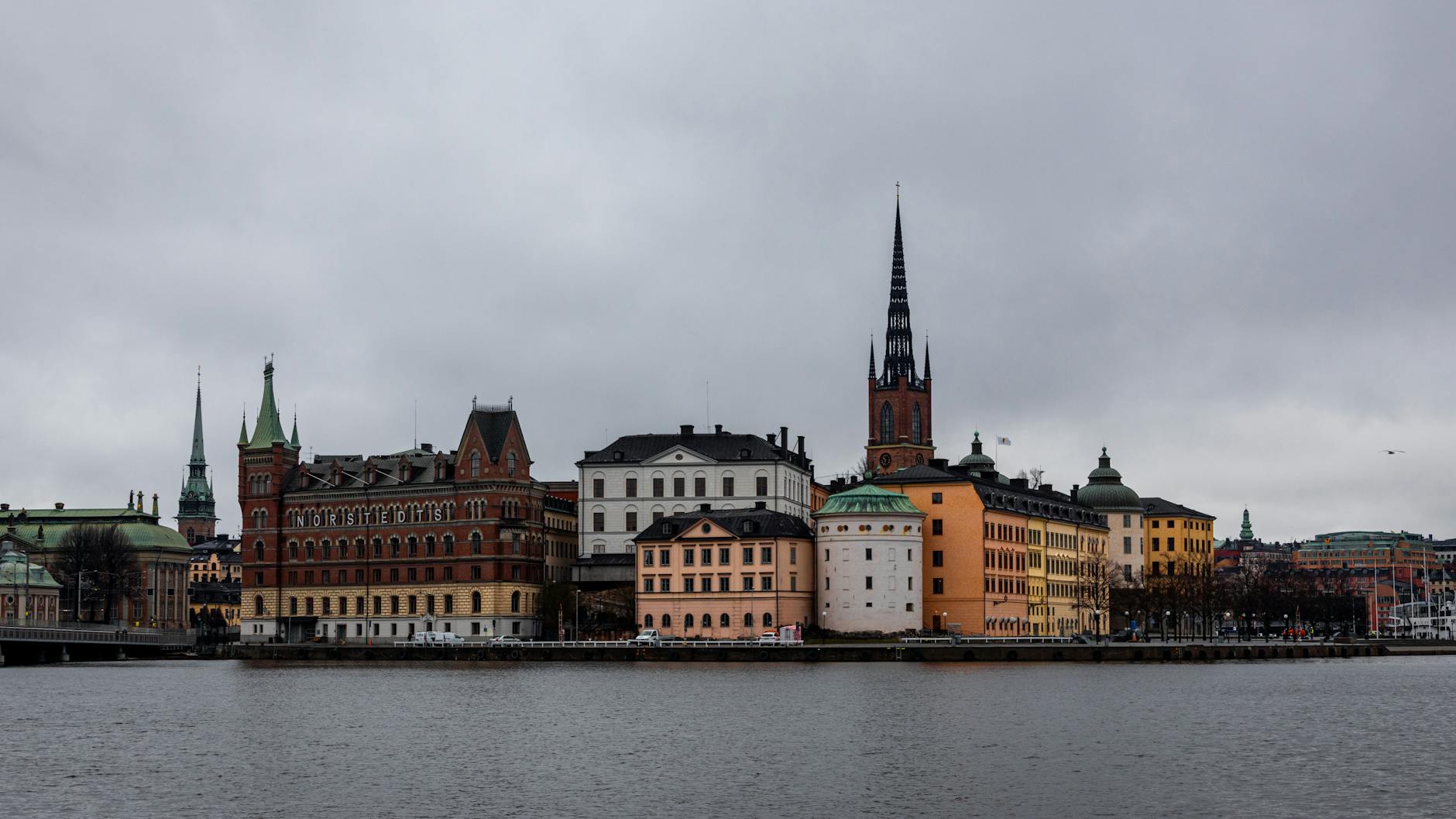
    Iconic Stockholm city view featuring waterfront historic buildings and boats
    Stockholm’s waterfront — the backdrop to every great tour of the city.

    The 10 best things to do in Stockholm (at a glance)

    Short on time? These are the ten experiences no first-time visitor should leave Stockholm without:

    1. Visit the Vasa Museum — stand under the world’s only preserved 17th-century warship.
    2. Wander Gamla Stan — Stockholm’s medieval old town, founded in 1252.
    3. Climb Stockholm City Hall Tower — the best panoramic view in the city.
    4. Ride the metro art tour — 90 of the 100 stations are decorated works of public art.
    5. Spend an afternoon at Skansen — the world’s oldest open-air museum and Stockholm’s family heart.
    6. Take a public ferry into the archipelago — 30,000 islands, and your SL card gets you to the first ones.
    7. Visit Fotografiska — arguably Europe’s best photography museum, open late.
    8. See the Changing of the Guard at the Royal Palace (free, daily in summer).
    9. Sit down for a proper fika — coffee and a warm cardamom bun is practically a civic duty.
    10. Climb Monteliusvägen or Skinnarviksberget at sunset — free, spectacular, and the one thing locals will always recommend.

    If you only have 48 hours in Stockholm, stick to this list. For everything else — museums, hidden neighborhoods, archipelago trips, seasonal activities, free things to do, and family-friendly picks — keep reading.

    The unmissable Stockholm attractions

    These are the headliners: the attractions that define Stockholm and that you’ll regret skipping. We’ve included practical tips on booking, crowd-beating, and how much time to allow.

    1. Vasa Museum
    The preserved wooden hull of the Vasa warship displayed inside the Vasa Museum in Stockholm
    The Vasa — raised from Stockholm harbor in 1961 after 333 years underwater.

    The Vasa is the most visited museum in Scandinavia for a reason. In 1628, a fully armed Swedish warship sailed about 1,300 metres into its maiden voyage before capsizing and sinking in Stockholm harbour. It sat in the cold Baltic mud for 333 years. In 1961 it was raised, almost completely intact, and today it stands inside a purpose-built museum on Djurgården — an astonishing 69 metres long, with 98 percent of its original timbers still in place.

    What makes the Vasa remarkable is not just the ship but the story around it: the social history of the sailors, the forensic work done on the 15 skeletons recovered, the replica of the gun deck you can walk onto, and the exquisite baroque carvings that once covered the stern. Allow at least 90 minutes. Book a timed ticket online to skip the worst of the queues — summer mornings (10:00-12:00) are the busiest window. The English-language guided tour is included in the ticket price and is worth joining.

    2. Gamla Stan — Stockholm’s old town
    Cobblestone alleys and mustard-colored 17th-century buildings in Stockholm's Gamla Stan old town at twilight
    Gamla Stan — Stockholm’s medieval old town, founded in 1252.

    Stockholm was founded here, on a small island in the narrow sound between Lake Mälaren and the Baltic, in 1252. Gamla Stan is one of Europe’s best-preserved medieval town cores: ochre and mustard-coloured facades, cobbled alleys, spire-roofed churches, and the narrowest lane in the city (Mårten Trotzigs gränd, 90 cm wide). Wander without a map. Stop into Stortorget, the main square, where the 1520 Stockholm Bloodbath took place. Visit Storkyrkan (Stockholm’s cathedral and coronation church) and the Nobel Prize Museum. For coffee, Sundbergs Konditori has been baking since 1785.

    Local tip: Gamla Stan looks the same at 8 a.m. as it does at noon, but there are roughly one-tenth as many people. Come early if you want the photo, or late (after 20:00) when the day-trippers are gone and the lamps come on.

    3. Skansen
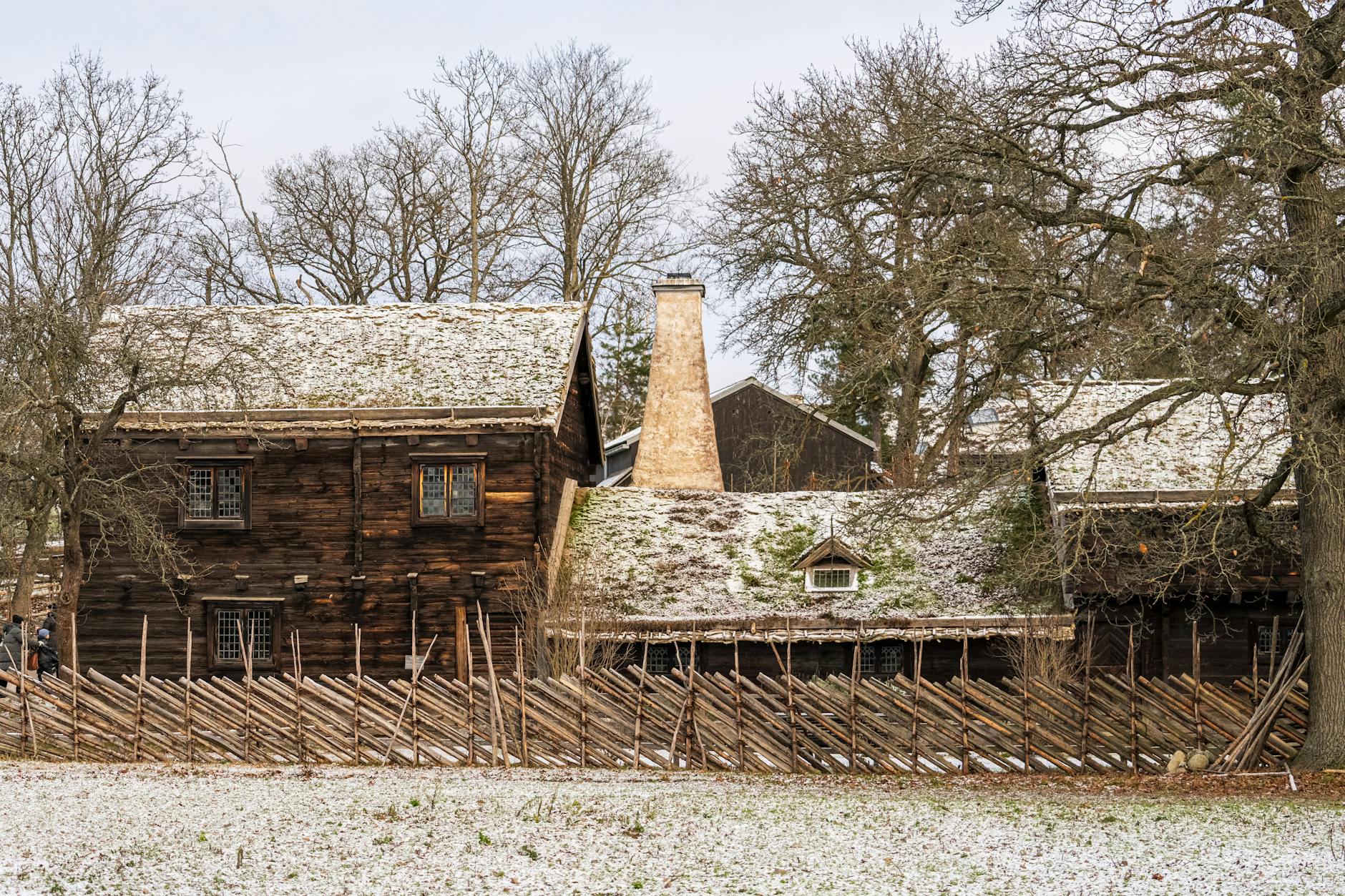
    Traditional red-painted wooden Swedish cottage with white trim at Skansen open-air museum in Stockholm
    Skansen — the world’s first open-air museum, founded in 1891.

    Skansen is the world’s first open-air museum, founded in 1891 on the hill of Djurgården. It’s an outdoor anthology of Sweden — 150 historic buildings relocated here from every corner of the country, grouped into a walkable village with period cottages, 19th-century shop-fronts, a glass-blowing workshop, a bakery still baking daily, a wooden stave church, and a Sami camp. It’s also a Nordic zoo: brown bears, wolves, wolverines, Arctic foxes, moose, and seals. Kids love it; so do adults. Allow at least three hours. In December, Skansen hosts Stockholm’s largest traditional Christmas market.

    4. Stockholm City Hall and the Tower
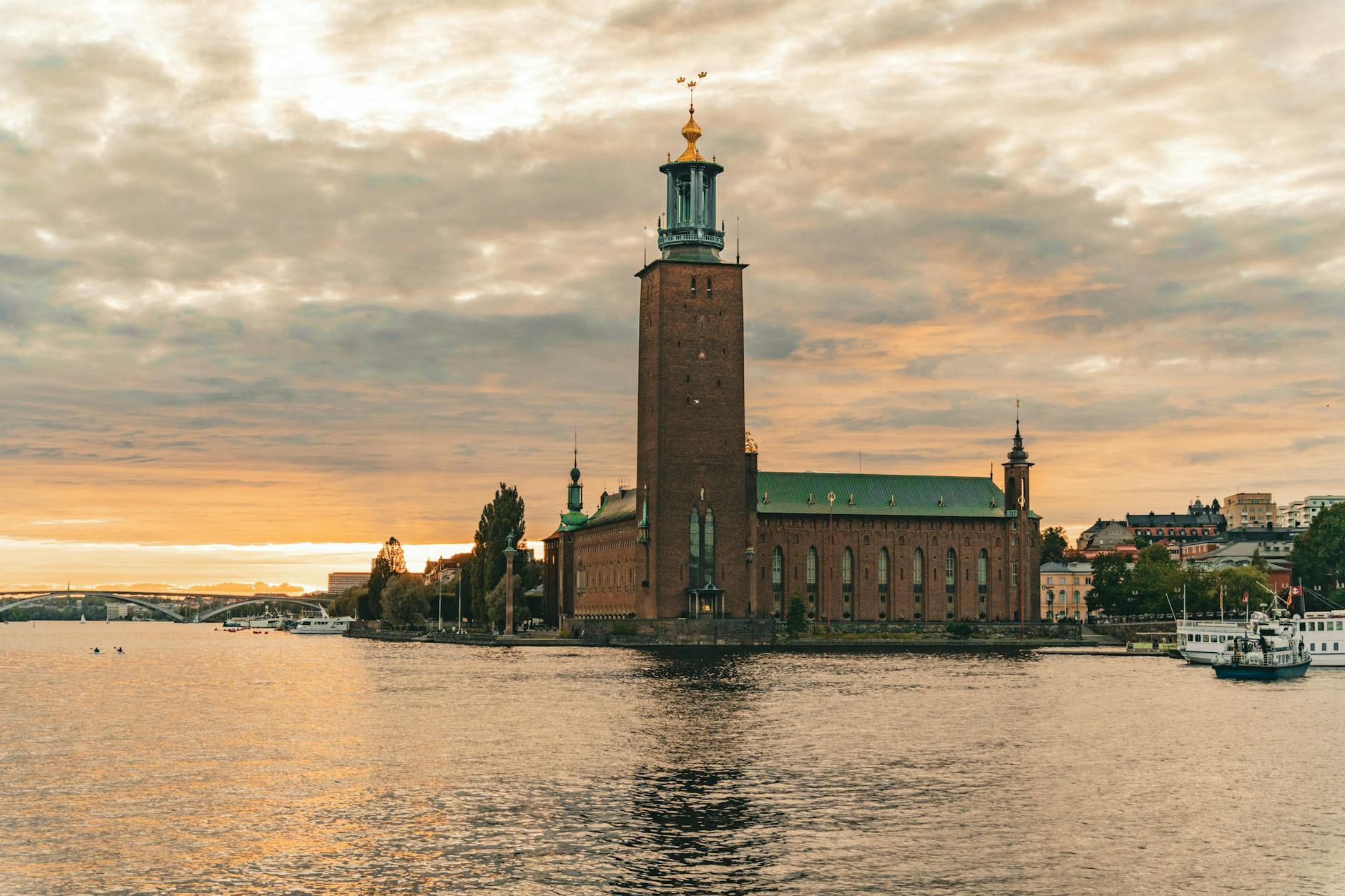
    The red brick tower of Stockholm City Hall (Stadshuset) reflecting in calm water at sunset
    Stockholm City Hall — host of the Nobel Prize banquet each December.

    Stockholm City Hall (Stadshuset) is the building where every Nobel Laureate since 1930 has come for the December banquet — the enormous Blue Hall with its brick walls and the gold-mosaic Golden Hall upstairs are the two most photographed interiors in the country. You can only access the interiors on a guided tour (45 minutes, several languages, frequent departures in summer, fewer off-season).

    The 106-metre red-brick tower, crowned with the Three Crowns of Sweden, is separately ticketed and only open from early May to late September. It holds the best panoramic view in Stockholm — better than any rooftop bar. You climb by a narrow elevator and then 153 gradual steps (no steep stairs, but several stops on the way up). Book your tower slot online the day before.

    5. Take a ferry into the archipelago
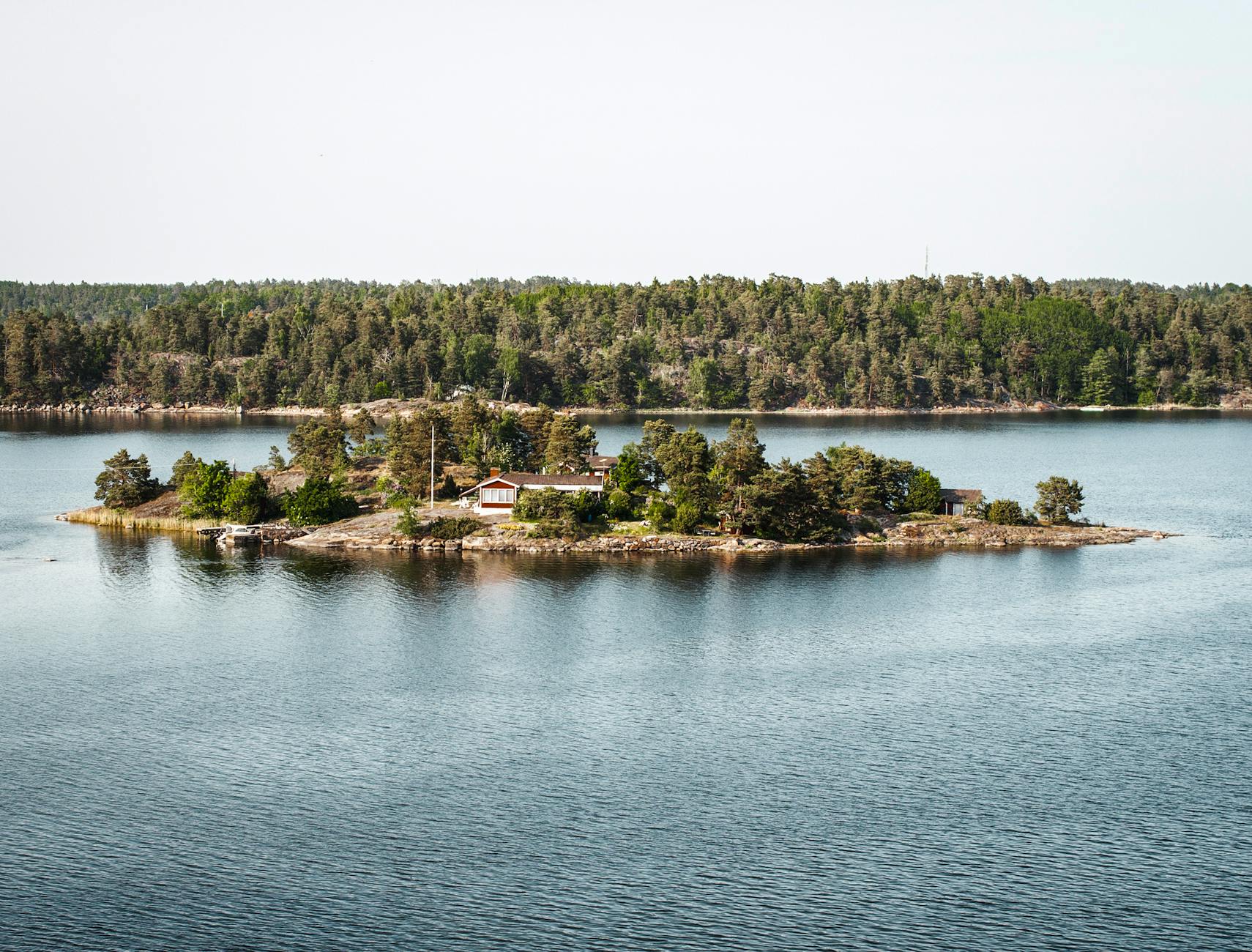
    A red wooden cottage on a quiet Stockholm archipelago island surrounded by calm Baltic water
    The Stockholm archipelago — 30,000 islands, skerries, and rocks east of the city.

    Thirty thousand islands, islets, and skerries sit east of Stockholm in one of the most beautiful archipelagos in the world. You do not need a tour, a charter, or a full day trip to experience it. The SL (public transport) ferry system goes to Fjäderholmarna in 25 minutes and includes it on the same ticket as the metro. For a proper archipelago day, take the Waxholmsbolaget ferry to Vaxholm (90 minutes, historic wooden boats), Grinda (90 minutes, hikes and a summer restaurant), or Sandhamn (2.5 hours, white sand and yachting). Bring layers — even in summer, the water keeps temperatures cool.

    For everything else — the best islands, which ferry line goes where, overnight options, and how to build an archipelago itinerary — see our complete Stockholm archipelago guide.

    6. Ride the Stockholm metro art tour
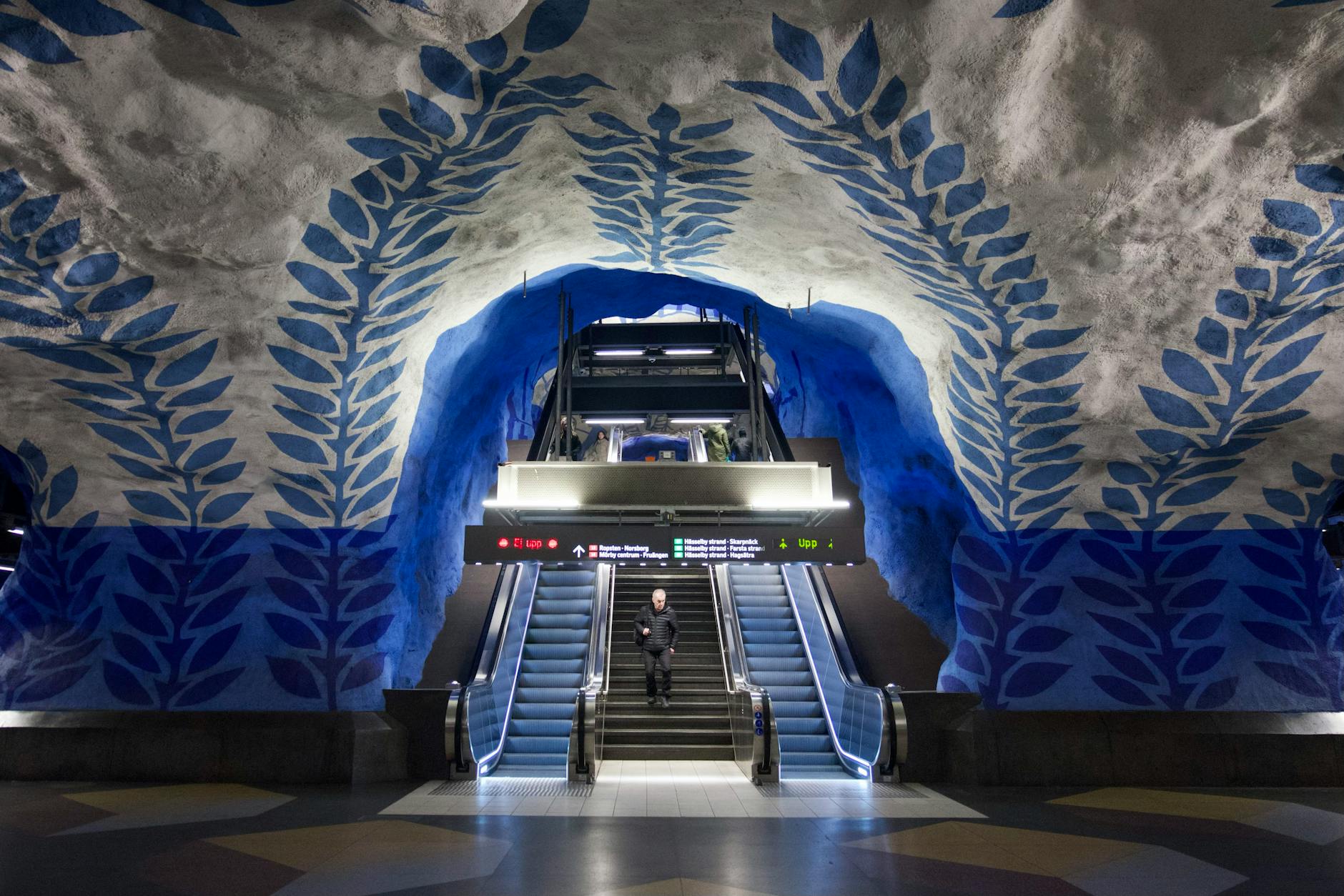
    Vivid painted blue leaf patterns on the rock walls of a Stockholm Tunnelbana metro station
    The Stockholm metro is the world’s longest art exhibit.

    Stockholm’s Tunnelbana is nicknamed the world’s longest art gallery, and that is not a PR line — 90 of 100 stations have been deliberately decorated by commissioned artists since the 1950s, covering everything from painted cave walls to mosaic forests to neon sculptures. You can tour it for the price of a single ticket (43 SEK). The Blue Line is the must-see: the stations were carved directly into bedrock and the artists painted directly onto the rock. Start at T-Centralen (the blue-vine platform that became the city’s visual symbol), take Blue towards Hjulsta and stop at Rådhuset (cave-like terracotta walls), Kungsträdgården (archaeological ruins and fresh-water prawns), Solna Centrum (red-and-green forest sunset), Stadion (rainbow), and Tensta. Two hours is enough.

    7. Fotografiska
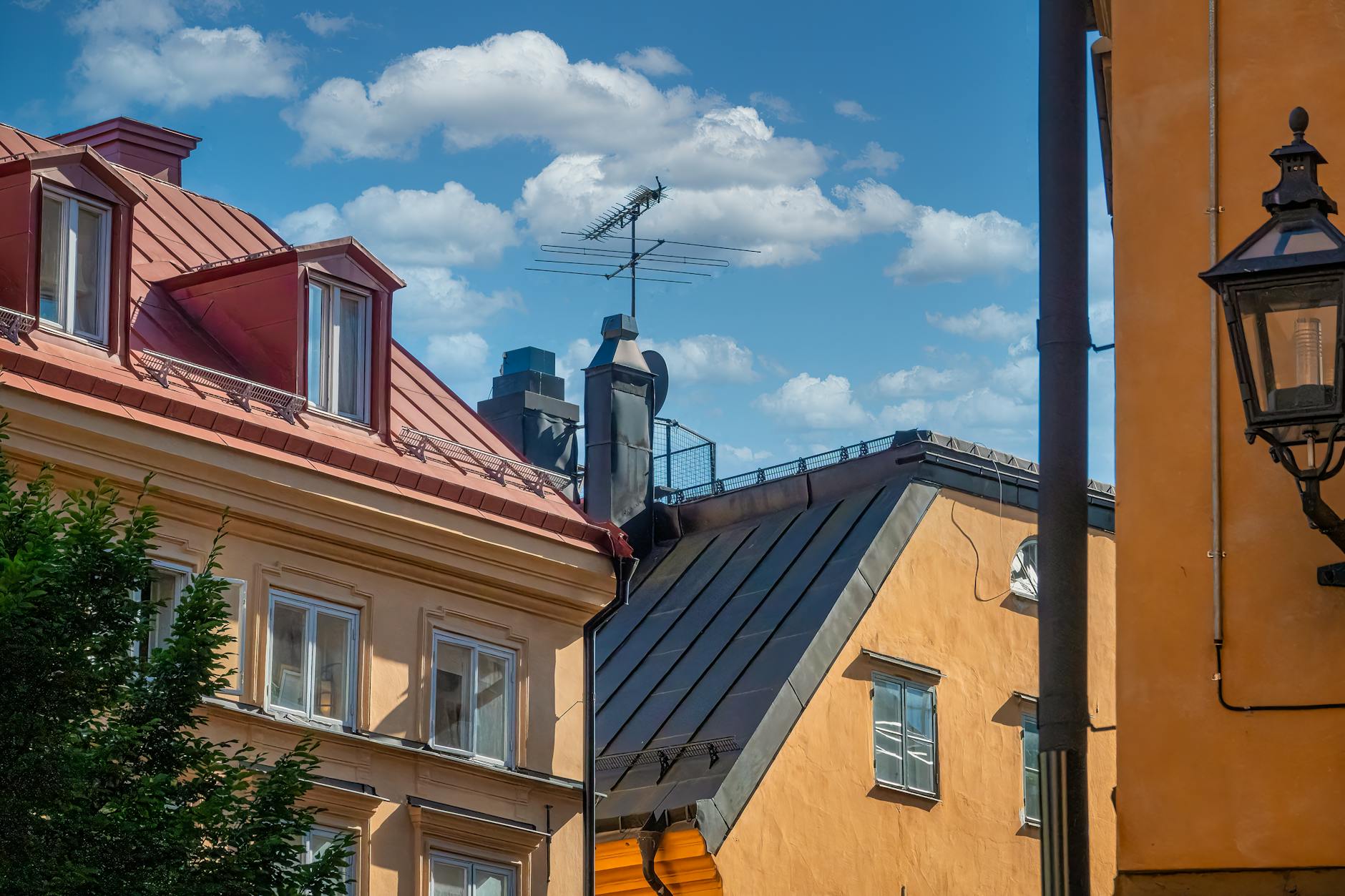
    Elevated panoramic view across Stockholm rooftops and the waterfront under a clear sky
    A classic Stockholm rooftop view — the city is best seen from above.

    Fotografiska is a photography museum housed in a 1906 red-brick customs warehouse on Stadsgårdskajen, and since it opened in 2010 it has become one of the most internationally respected photography institutions in the world. Rotating shows have featured Annie Leibovitz, David LaChapelle, Mandy Barker, Anton Corbijn, and most of the names you’d hope to see. The top-floor restaurant and bar have a killer view across the harbour towards Gamla Stan. Fotografiska is open until 23:00 most nights, making it a rare evening museum option.

    8. The Royal Palace and Changing of the Guard
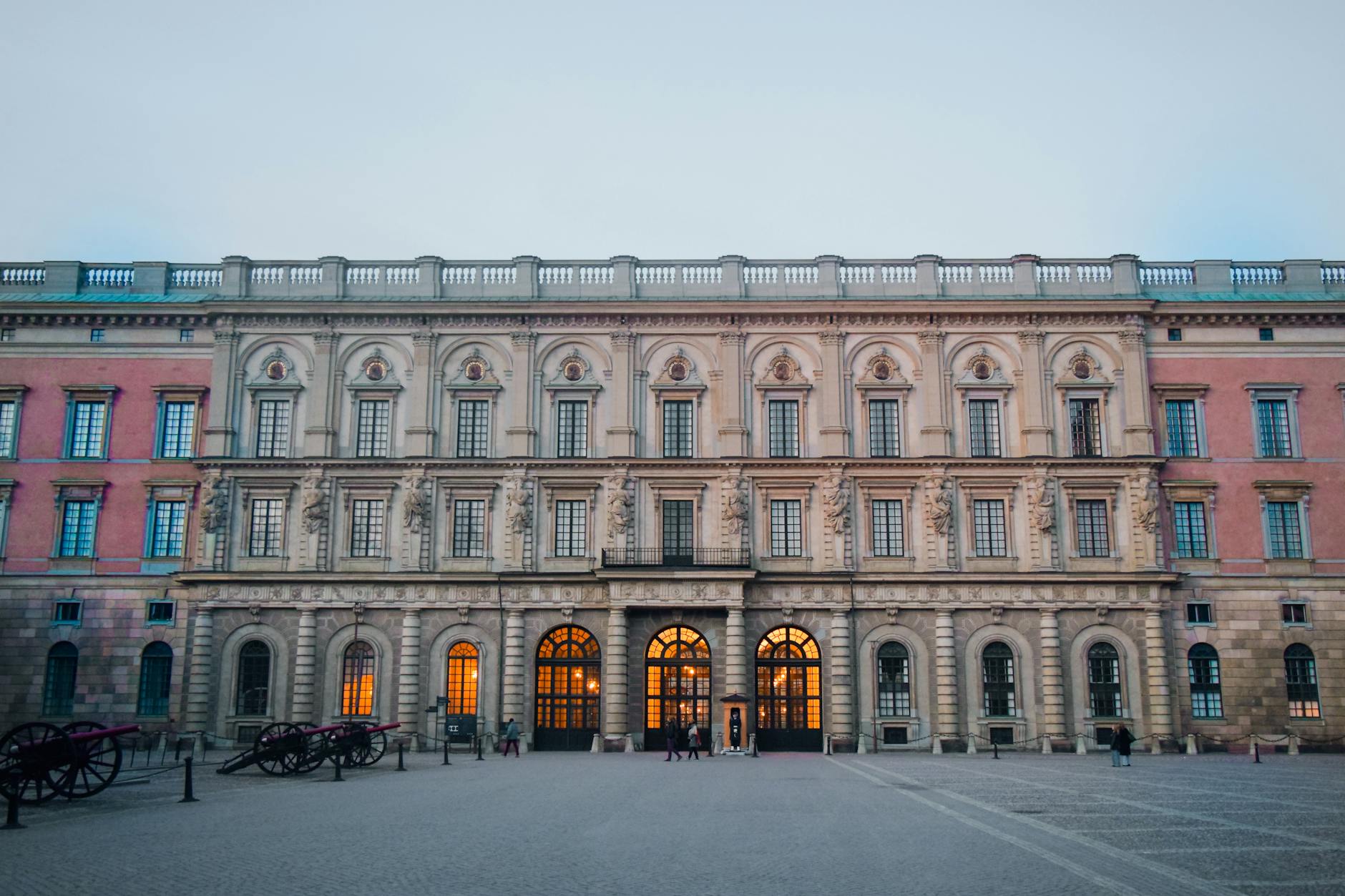
    The grand facade of the Royal Palace of Stockholm (Kungliga slottet) in soft sunlight
    The Royal Palace — one of Europe’s largest royal residences.

    The Royal Palace (Kungliga slottet) in Gamla Stan is one of Europe’s largest still-functioning royal residences, with 600 rooms across five museums — the State Apartments, the Royal Armoury, the Treasury (where you’ll see the crown jewels), the Tre Kronor Museum (the medieval castle that burnt down in 1697), and Gustav III’s Museum of Antiquities. A single combination ticket gives you all five.

    The Changing of the Guard ceremony takes place in the outer courtyard, is free to watch, and runs daily between late April and late August (12:15 on weekdays, 13:15 on Sundays and public holidays). Arrive 20 minutes early for a good viewing spot.

    9. ABBA The Museum

    You don’t have to be a fan to enjoy ABBA The Museum — it’s an extremely well-made interactive exhibit in the same Djurgården cluster as the Vasa and Gröna Lund. The costumes and Polar Studio recreation are the highlights, and the “sing with ABBA” karaoke booths are a guilty pleasure. Ticket prices are steep (almost double the Vasa), but entry is timed and includes a dedicated ABBA audio guide. For hardcore fans, the nearby AVICII Experience at Space Stockholm does the same thing for Swedish electronic music.

    10. Monteliusvägen and Skinnarviksberget

    Stockholm is a city of islands and bridges, which means its skyline only really makes sense when you climb something. The best two free viewpoints are both on Södermalm. Monteliusvägen is a 500-metre clifftop walking path along the north edge of Söder, with a continuous head-on view of City Hall, Riddarholmen, and the spires of the old town. Skinnarviksberget is a wild rocky outcrop, popular with locals for summer picnics; the path up is short but can be slippery in winter. Come for sunset. Bring a snack. This is the Stockholm view that will stay with you.

    Best museums in Stockholm beyond the icons

    Stockholm has more than 80 museums and most are free on at least one evening per month. Beyond the Vasa, Skansen, and Fotografiska, these are the most worthwhile — and for the full museum breakdown, see our Stockholm museums guide.

    • Moderna Museet — modern and contemporary art on Skeppsholmen, with a permanent Picasso, Dalí, Rauschenberg, and Warhol collection. Free admission to the permanent collection; paid exhibitions rotate. The terrace café has one of the quietest harbour views in the city.
    • Nationalmuseum — Sweden’s national art museum, 700+ years of European painting and Nordic design. Renovated in 2018 and now one of the most beautiful museum interiors in Northern Europe.
    • Nordiska Museet — the museum of Swedish cultural history since 1520, housed in an enormous Nordic Renaissance palace on Djurgården. Surprisingly engaging exhibits on Sami life, Swedish fashion, food traditions, and Lapland.
    • Swedish History Museum (Historiska) — Sweden’s Viking Age is here, including the Gold Room (gold treasures from the Bronze Age onwards). Free admission.
    • Nobel Prize Museum — on Stortorget in Gamla Stan, telling the story of every Nobel Laureate since 1901. Small, but smart. Ask to see the Alfred Nobel chair signatures on the undersides.
    • Viking Museum — on Djurgården, a newer, more immersive take on Viking history with a mini-train ride narrated through a fictional Viking saga. Fun for kids.
    • Medeltidsmuseet (Medieval Museum) — free, underground, and built around a preserved section of 13th-century Stockholm city wall. Deeply underrated.
    • Spritmuseum — the Swedish museum of spirits (Absolut vodka, aquavit culture) on Djurgården. Includes a tasting at the end of the visit.

    Best neighborhoods to explore
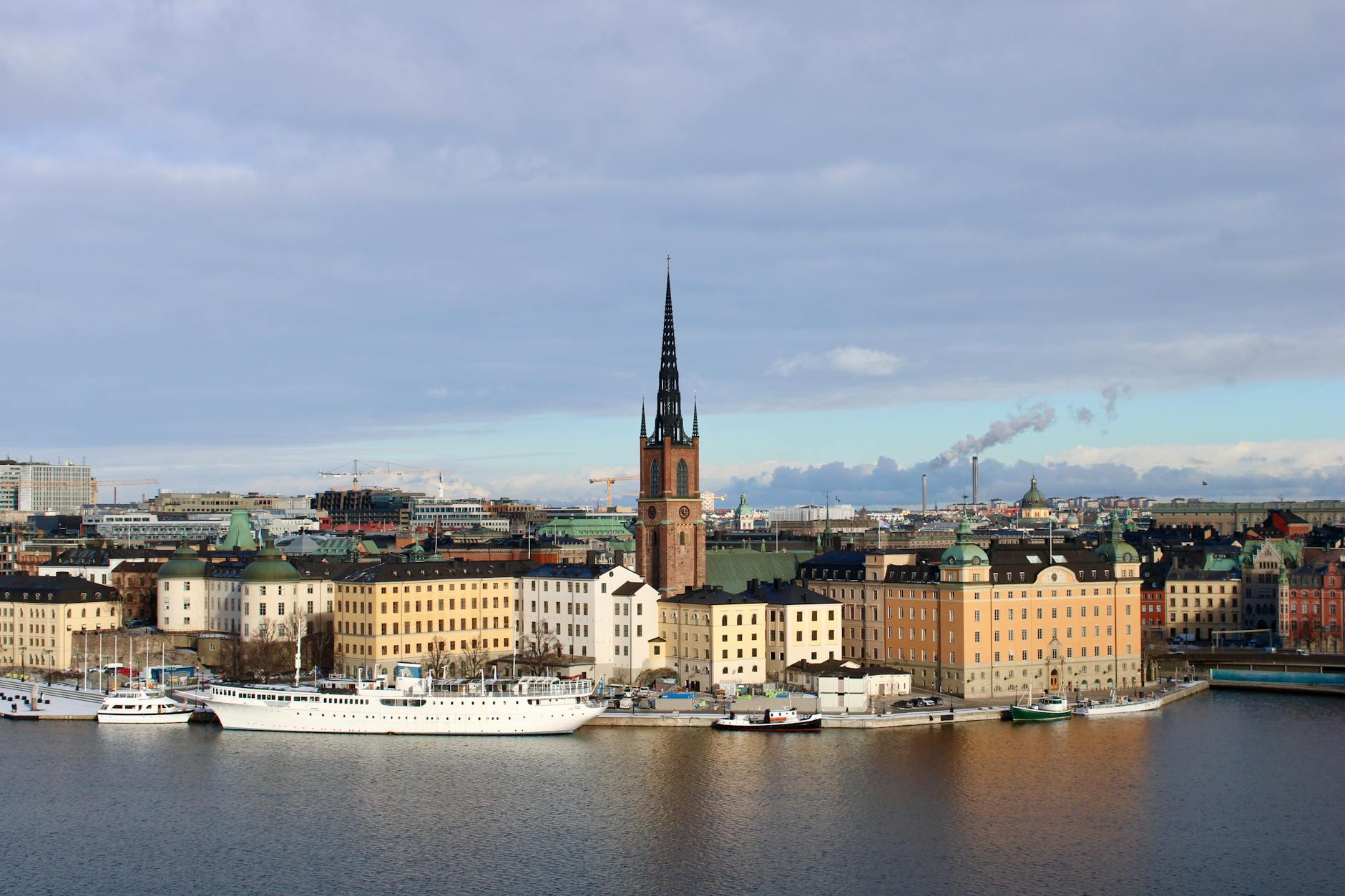
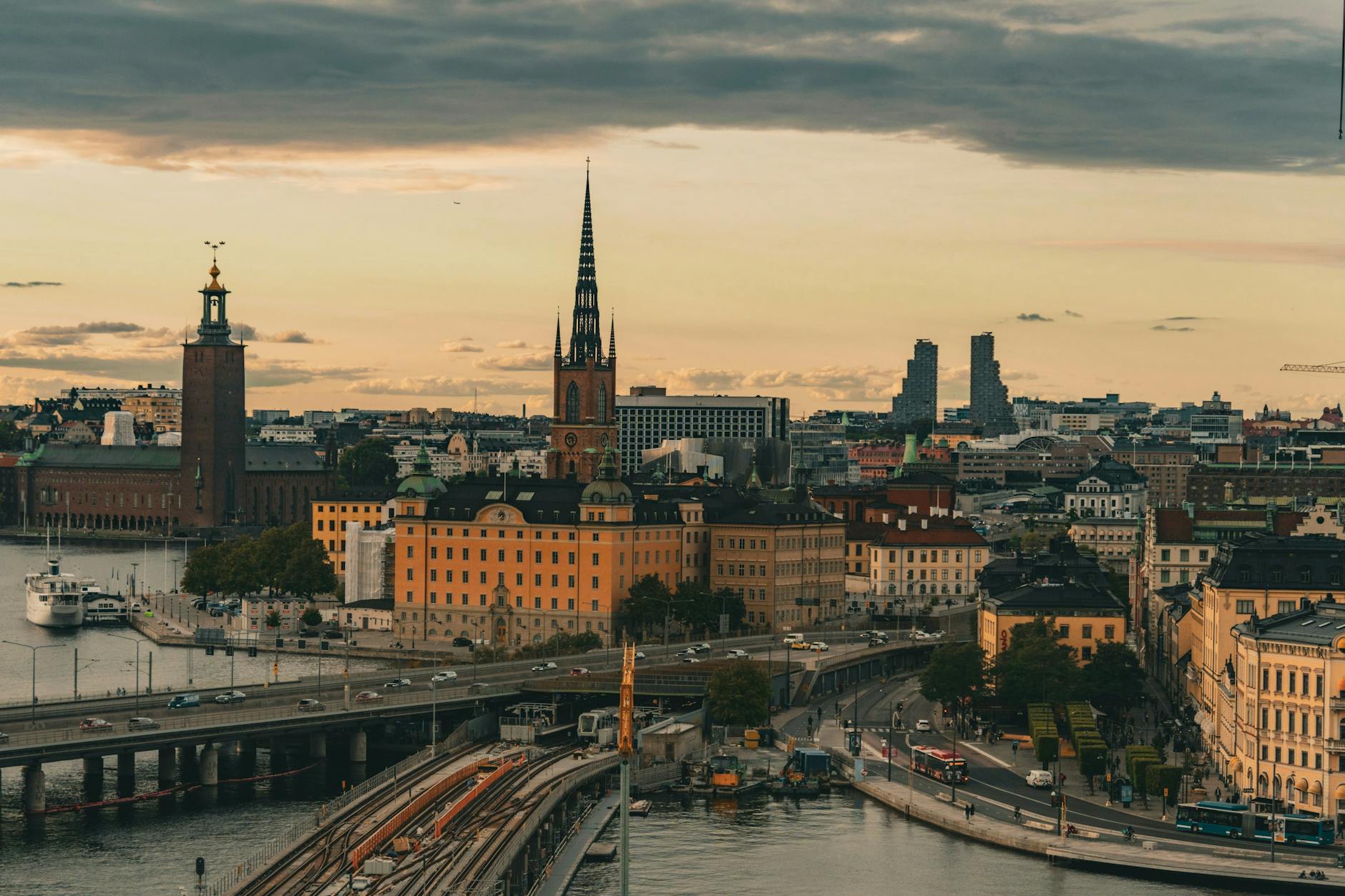
    Scenic view of Riddarholmen Church and surrounding Stockholm buildings from Sodermalm
    View across Riddarfjärden from Södermalm’s heights.

    Walking Stockholm’s neighborhoods is itself one of the best things to do in the city. Each island has a different character — for a full breakdown with itineraries, see our where to stay in Stockholm guide, or jump into the neighborhood articles below:

    • Gamla Stan — medieval old town, souvenir-heavy but beautiful. See our Gamla Stan guide.
    • Södermalm — the creative, stylish heart of the city, packed with independent shops, vintage stores, ramen bars, natural-wine spots, and views. See our Södermalm guide.
    • Östermalm — the most upscale district; think boutiques, embassies, Saluhallen, and beautiful turn-of-the-century architecture. See our Östermalm guide.
    • Norrmalm — the central commercial district with Central Station, the main shopping streets, and Kungsträdgården park. See our Norrmalm guide.
    • Djurgården — the royal green island, home to the Vasa, Skansen, ABBA, Gröna Lund, and several kilometres of forested walking paths. See our Djurgården guide.
    • Vasastan and Kungsholmen — quieter residential islands with beautiful parks, local cafes, and excellent lakeside walks (Norr Mälarstrand is world-class at sunset).

    If you only walk two: Gamla Stan by day, Södermalm at sunset.

    Best views and viewpoints in Stockholm
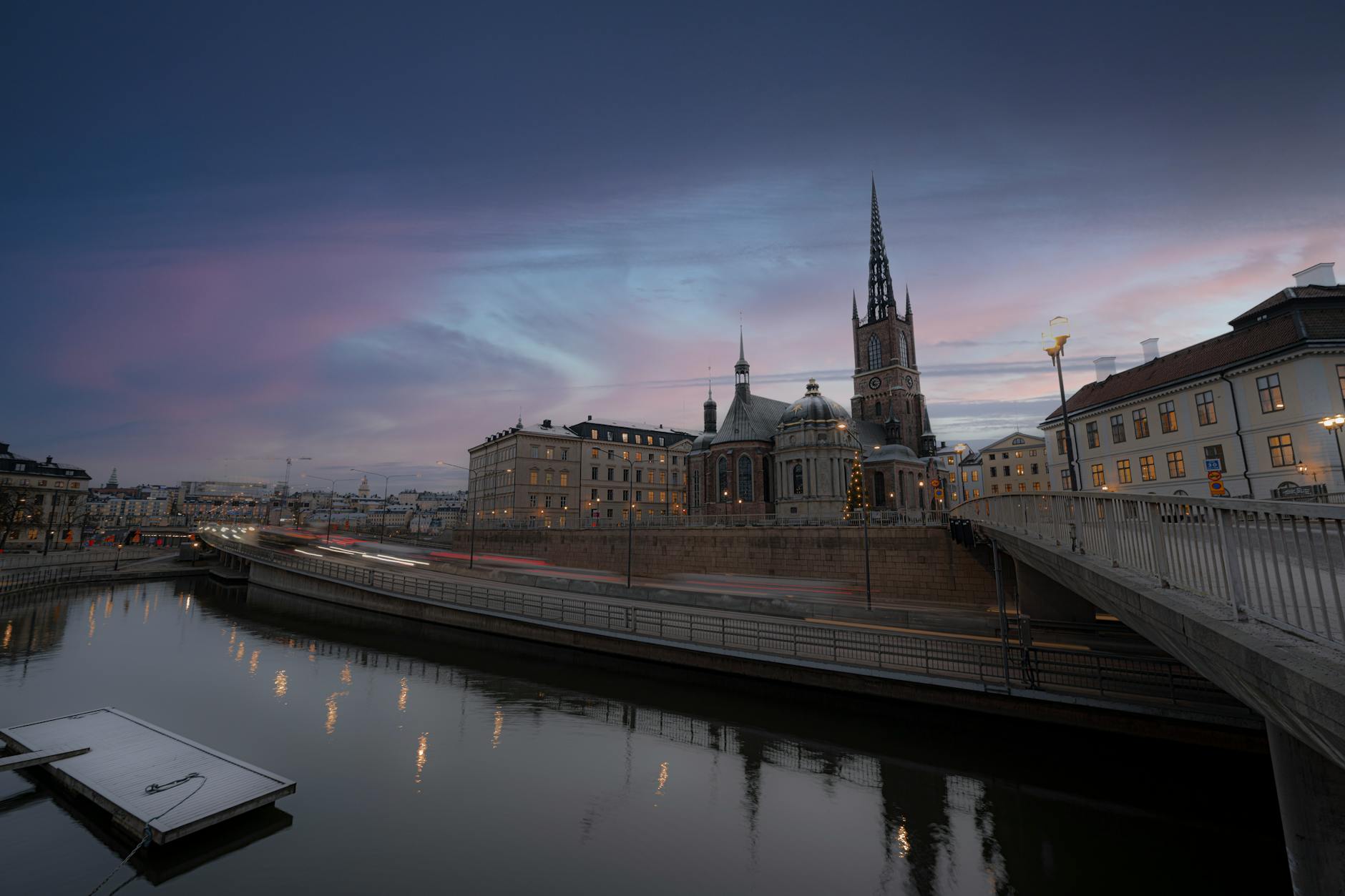
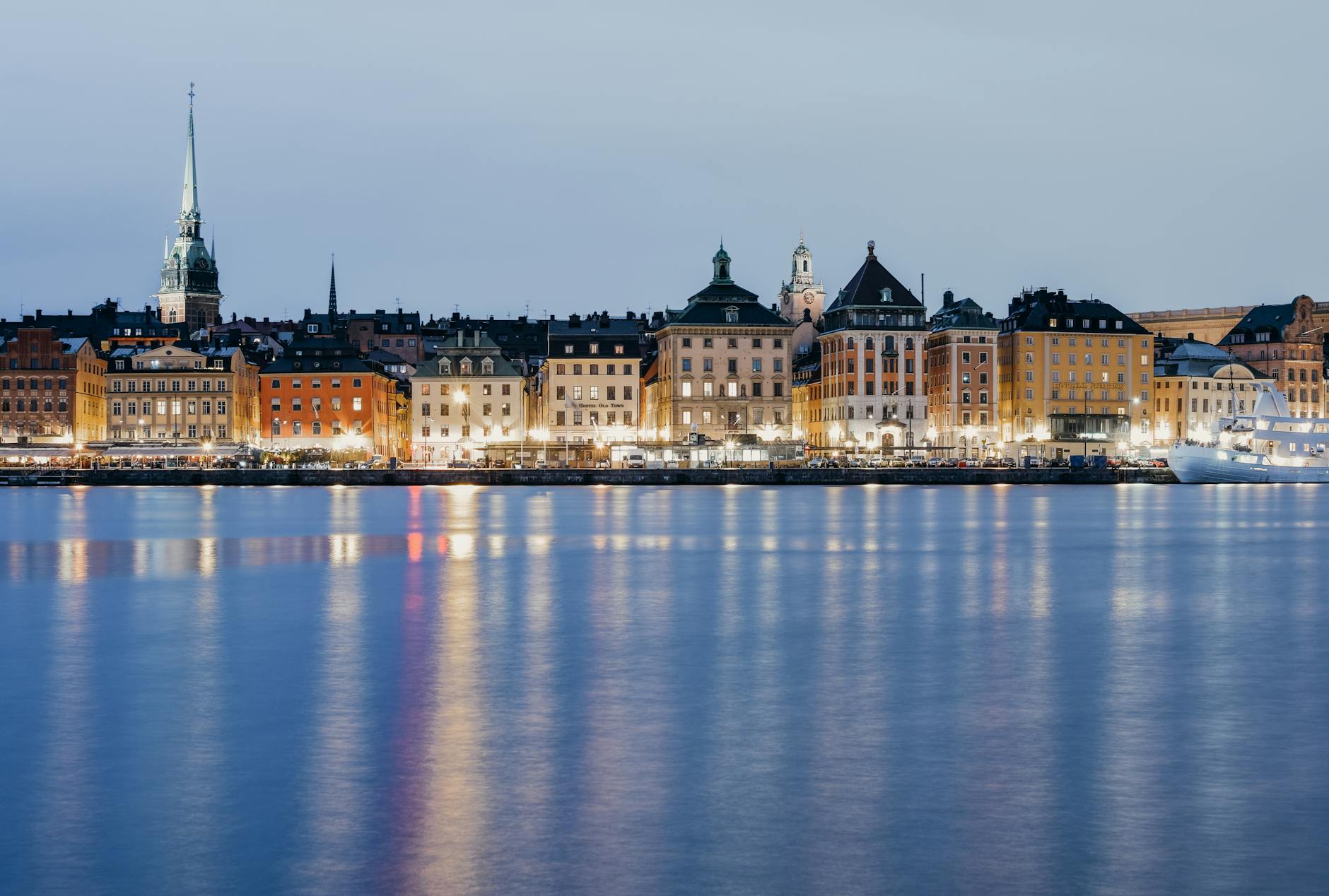
    Twilight view of Riddarholmen Church and the Stockholm waterfront with a bridge in the foreground
    Stockholm’s waterfront at blue hour.

    Stockholm is built on 14 islands with almost no tall buildings, which means panoramic views come from elevated natural ground rather than skyscrapers. These are the best vantage points:

    • Stockholm City Hall tower — 106 m; the highest public viewpoint, only open May-September. Reserve ahead.
    • Skinnarviksberget — 53 m; a rocky outcrop on Södermalm, completely free, and a local sunset ritual.
    • Monteliusvägen — a 500 m cliffside path on Södermalm with an uninterrupted view of City Hall and Riddarholmen. Free, open year-round.
    • Katarinahissen — the elevator at Slussen offering a high walkway view across the harbour to Gamla Stan. Free at the top.
    • Fjällgatan — a clifftop street in Södermalm with a wide harbour view; a favourite of postcard photographers.
    • Riddarholmen waterfront — not technically elevated, but the view across Riddarfjärden to City Hall is iconic. Best at dusk.
    • Tv-tornet Kaknästornet — Stockholm’s 155 m radio tower with an observation deck; currently closed for renovation but check for reopening.
    • Himla Bar (Scandic Continental) or Tak (Hotel At Six) — rooftop bars with sweeping city views; come for the view, not the value-for-money.

    Free things to do in Stockholm

    Stockholm has a deserved reputation for being expensive, which makes its long list of free attractions especially welcome. For a deeper dive see our 17 free things to do in Stockholm guide.

    1. Walk Gamla Stan. The old town is entirely free and arguably the best single experience in the city.
    2. Watch the Changing of the Guard at the Royal Palace (April-August).
    3. Tour the metro art on a single 43 SEK ticket (or free if you already have a day pass).
    4. Enter the Royal Armoury (Livrustkammaren) — part of the Royal Palace, free admission.
    5. Visit the Swedish History Museum (Historiska) — free permanent collection including the Gold Room.
    6. Walk Djurgården — the island itself is free, including its forested paths and the Rosendal gardens.
    7. Moderna Museet’s permanent collection — free, with a world-class modern art collection.
    8. Climb Skinnarviksberget or Monteliusvägen at sunset — free, and a defining Stockholm experience.
    9. Stroll Kungsträdgården — Stockholm’s central park, free year-round, famous for cherry blossoms in late April.
    10. Visit Storkyrkan — Stockholm’s cathedral; small donation appreciated but entry is free.
    11. See the Medieval Museum (Medeltidsmuseet) — free and built around original city wall remains.
    12. Walk across all three major bridges — Västerbron at sunset is one of the great free walks in the city.
    13. Hornstulls Strand on a summer evening — free public swimming jetties, buskers, food trucks.
    14. People-watch at Stortorget in Gamla Stan over a takeaway coffee.
    15. Visit the Östermalms Saluhall food hall — free to browse even if you don’t buy.
    16. Sit by Riddarholmen waterfront at any time and simply look at the view.
    17. Explore the Royal National City Park — the world’s first urban national park, entirely free.

    Food, fika, and Swedish food experiences
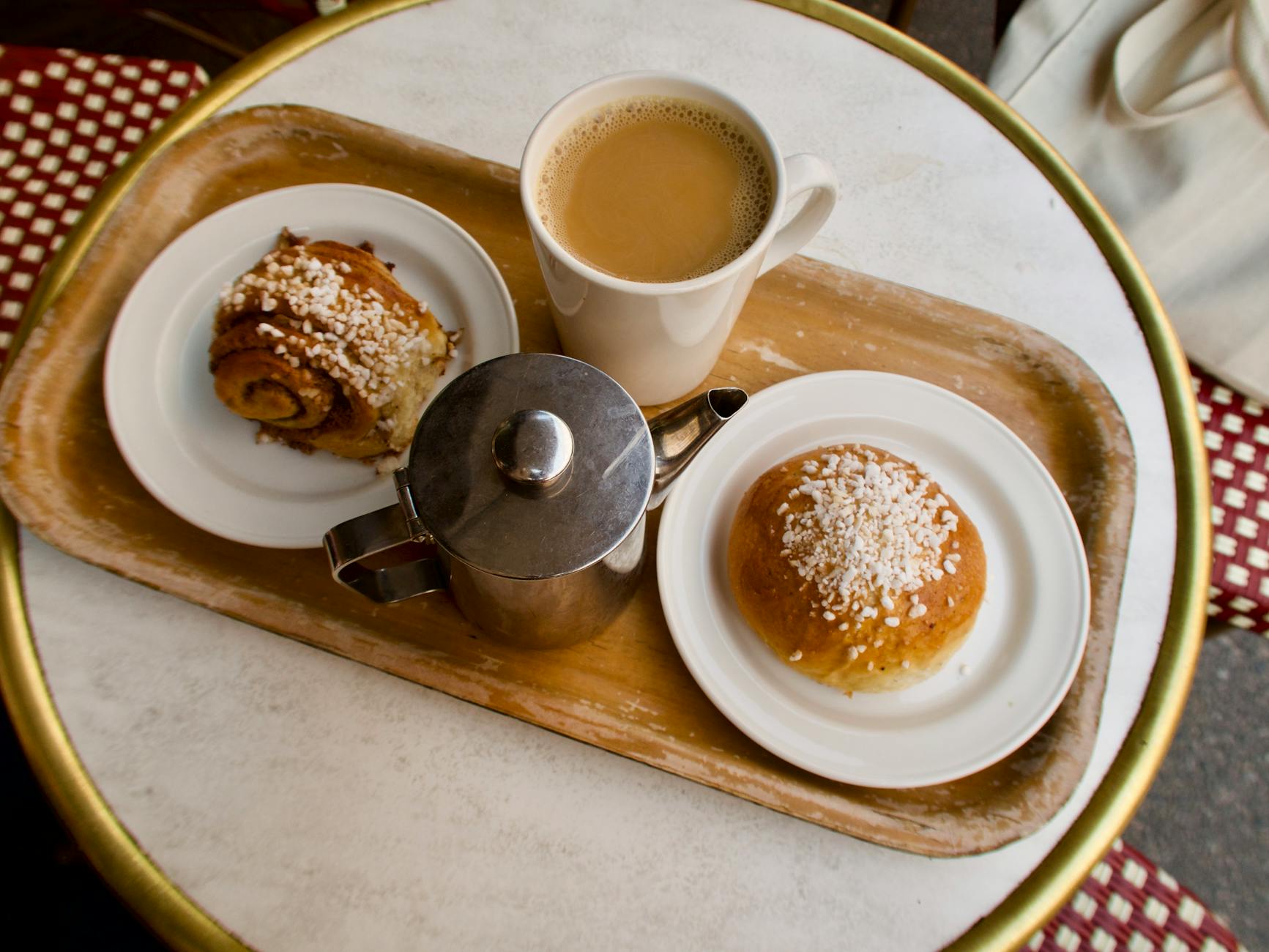
    A Swedish fika setup with a cup of filter coffee and a freshly baked cardamom cinnamon bun (kanelbulle)
    Fika — the Swedish ritual of coffee and a kanelbulle.

    Eating in Stockholm is itself a long list of things to do. The full deep dive is in our Stockholm restaurants guide, but these are the essential food experiences you can build around any trip:

    • Have a proper fika. Not a coffee-to-go — a sit-down coffee break with a kanelbulle (cinnamon bun) or kardemummabulle (cardamom bun). Classic spots include Vete-Katten (since 1928), Sundbergs Konditori (since 1785), and Rosendals Trädgård on Djurgården.
    • Swedish meatballs done right. Skip the tourist-trap Gamla Stan versions and try Pelikan (a century-old working-class beer hall on Söder), Tennstopet (classic krog near Odenplan), or Under Kastanjen.
    • Eat at Östermalms Saluhall. Stockholm’s grand 19th-century food hall, renovated in 2020. Sit at the counter for Baltic herring, open sandwiches with shrimp, and smoked mackerel.
    • Try the archipelago herring lunch. Many ferry-stop restaurants serve the Swedish husmanskost lunch with pickled herring, crispbread, boiled potatoes, and aquavit.
    • Eat ramen (really). Stockholm has quietly become a world-class ramen city; Kapibara and Ramen Ki-mama are both cult favourites.
    • Fine-dining splurge. Stockholm has three Michelin-starred restaurants (Aloë, Ekstedt, Frantzén) and a long list of one-stars. Book 30-60 days ahead.
    • Try a midsummer or Christmas julbord if your timing lines up — the seasonal buffet is a national tradition.
    • A natural-wine evening on SoFo. South of Folkungagatan on Söder has become Stockholm’s natural-wine district. Try Punk Royale’s cheaper sister Punk Royale Café, Shibumi, or Bobergs Matsal.

    Outdoor and active things to do

    Person paddling a kayak through calm blue water past low forested shores near Stockholm
    Kayaking — one of the best active things to do in Stockholm in summer.

    Stockholm is built on and around water, which means you can do more active outdoor things inside the city limits than in most European capitals.

    • Kayak or paddleboard around Kungsholmen or Djurgården. Rental is easy from Kayakomaten or Djurgårdsbrons Sjöcafé.
    • Cycle the Royal National City Park. Bike-rental at Sjöcafé takes you on a flat, scenic loop around Djurgården.
    • Swim from Långholmen. The former prison island in the west of the city has rocky beaches and small grass lawns with lake swimming on hot summer days.
    • Hike the Stockholm Archipelago Trail. Launched in 2024, a 270 km multi-island trail linked by public ferries — walk any single stage as a day hike.
    • Run the Djurgården loop. The circuit around Djurgården is 10 km of car-free, wooded, waterside path — a local favourite for a morning run.
    • Visit a lakeside sauna. Hellasgården in Nacka Nature Reserve is the classic — sweat in the public sauna, run out, dunk in the lake. Open year-round.
    • Ski at Hammarbybacken. In winter, Stockholm has a city ski hill reachable in 40 minutes by metro from T-Centralen. Short runs, but absurd to ski with a skyline view.
    • Ice skate at Kungsträdgården. Free public rink in the central park, mid-December through February (skate rental on-site).
    • Cross-country ski. After fresh snow, the Hagaparken and Djurgården paths get classic-track cross-country trails.

    Boat tours and ferries
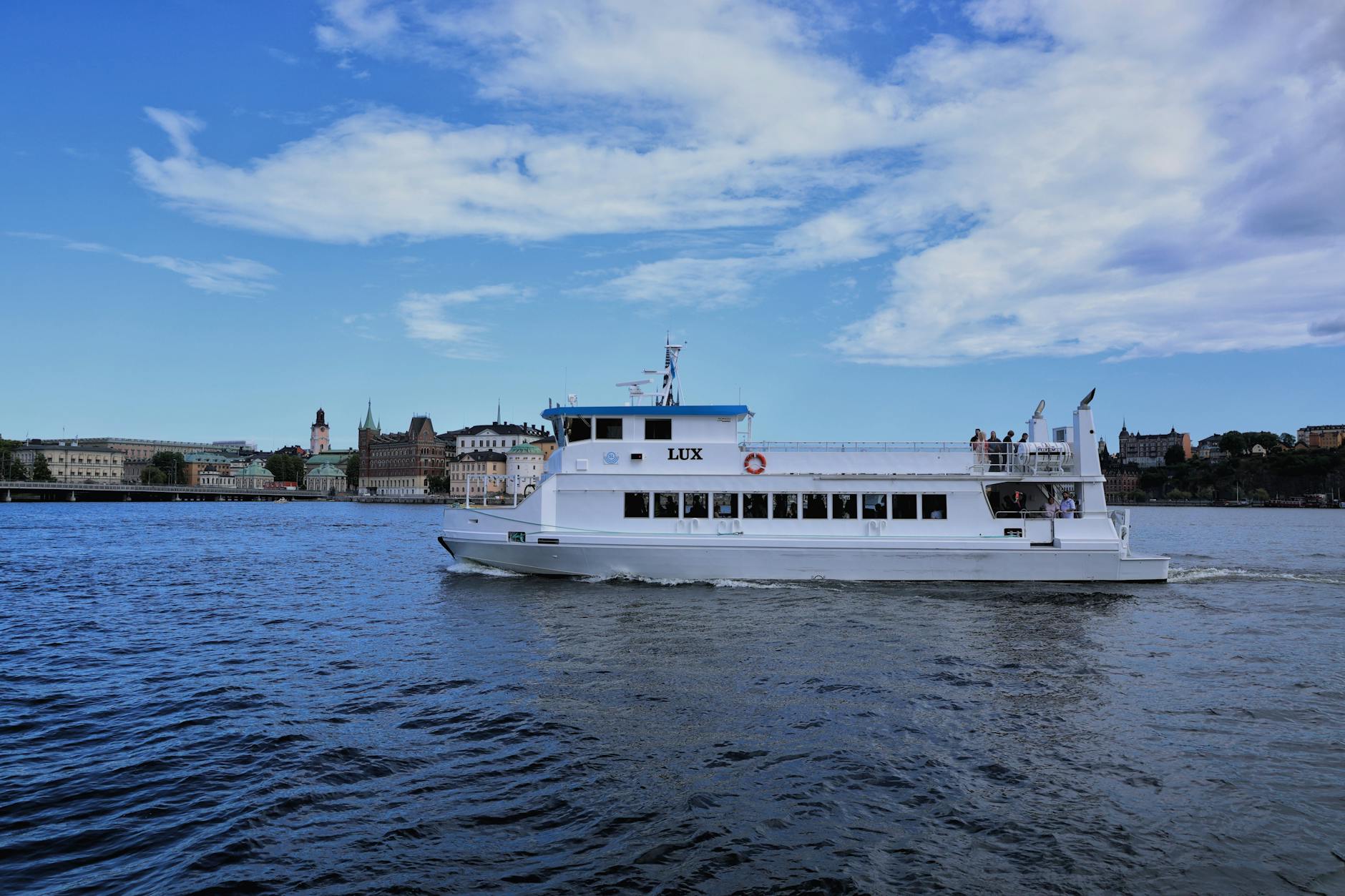
    A sightseeing boat cruising along the Stockholm waterfront past historic buildings
    A sightseeing boat tour — Stockholm is built on 14 islands, so a boat trip is mandatory.

    Because Stockholm is water, a boat trip is mandatory — and you have a huge range of options from “single ferry ticket” to “sunset dinner cruise.”

    • Under the Bridges tour — Stromma’s classic 2-hour loop under 15 bridges and through Hammarby canal locks. The single best paid sightseeing cruise if you only do one.
    • Royal Canal tour — a shorter 50-minute Djurgården loop that covers the highlights, good for families and those short on time.
    • Public ferry 82 (Djurgården-Skeppsholmen-Slussen) — takes 20 minutes, covered by the SL card, and doubles as a mini sightseeing trip for the price of nothing.
    • Electric hydrofoil Nova to Ekerö — the world’s first electric hydrofoil public ferry, running May-October, uses 20% of the energy of a conventional boat.
    • Waxholmsbolaget to Vaxholm — the classic archipelago day trip on one of the traditional steamers, 90 minutes each way.
    • Archipelago dinner cruises — multiple operators run 3-hour sunset dinner cruises in summer. Book ahead.
    • SUP stand-up paddle tour — guided 2-hour tours departing from Kungsholmen, beginner-friendly, a genuinely unusual Stockholm photo op.

    See our dedicated Stockholm boat tours guide for comparison and booking tips.

    Seasonal things to do (month by month)
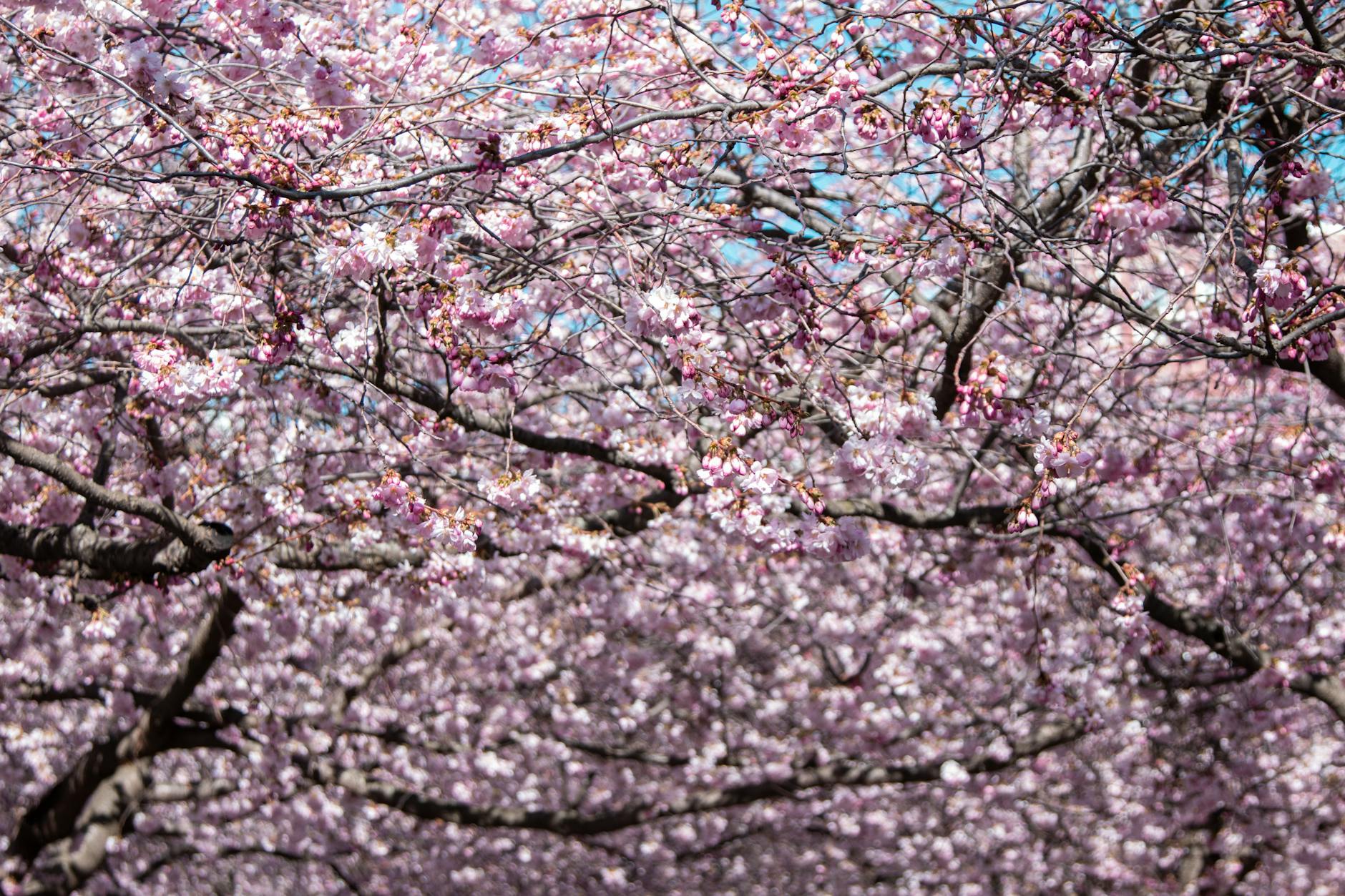
    Pink cherry blossom trees in full bloom along a walking path in Stockholm's Kungsträdgården park in spring
    Cherry blossoms in Kungsträdgården — late April is peak bloom.

    Stockholm is, by Northern European standards, dramatically seasonal. What you do in Stockholm in February looks nothing like what you do in July — plan accordingly. For the full weather and festival breakdown, see our best time to visit Stockholm guide.

    Spring (March-May)

    Stockholm comes out of hibernation in April. The cherry blossoms in Kungsträdgården peak in the last week of April and draw big local crowds for hanami-style picnics. By May, Djurgården’s paths are dry, the outdoor cafes reopen, and the ferry seasons to Vaxholm, Grinda, and Sandhamn start up again. Valborg (April 30) is celebrated with bonfires across the city.

    Summer (June-August)

    The best time to be in Stockholm: long days (sunset after 22:00 in June), warm evenings, outdoor swimming, open archipelago ferries, open-air concerts at Gröna Lund, and the Midsummer holiday (the Friday nearest 21 June). Kungsträdgården hosts a free summer music series. Swedish locals leave town for July, which can make the city feel emptier than usual — pleasant for tourists.

    Autumn (September-October)

    September is the shoulder-season sweet spot: temperatures still mild, hotels noticeably cheaper, the archipelago still accessible, and the city’s cultural calendar (theatre, dance, museum openings) in full swing. Elk-season dinners at traditional krogs are an overlooked autumn pleasure. Autumn foliage in the Royal National City Park is real and spectacular.

    Winter (November-February)
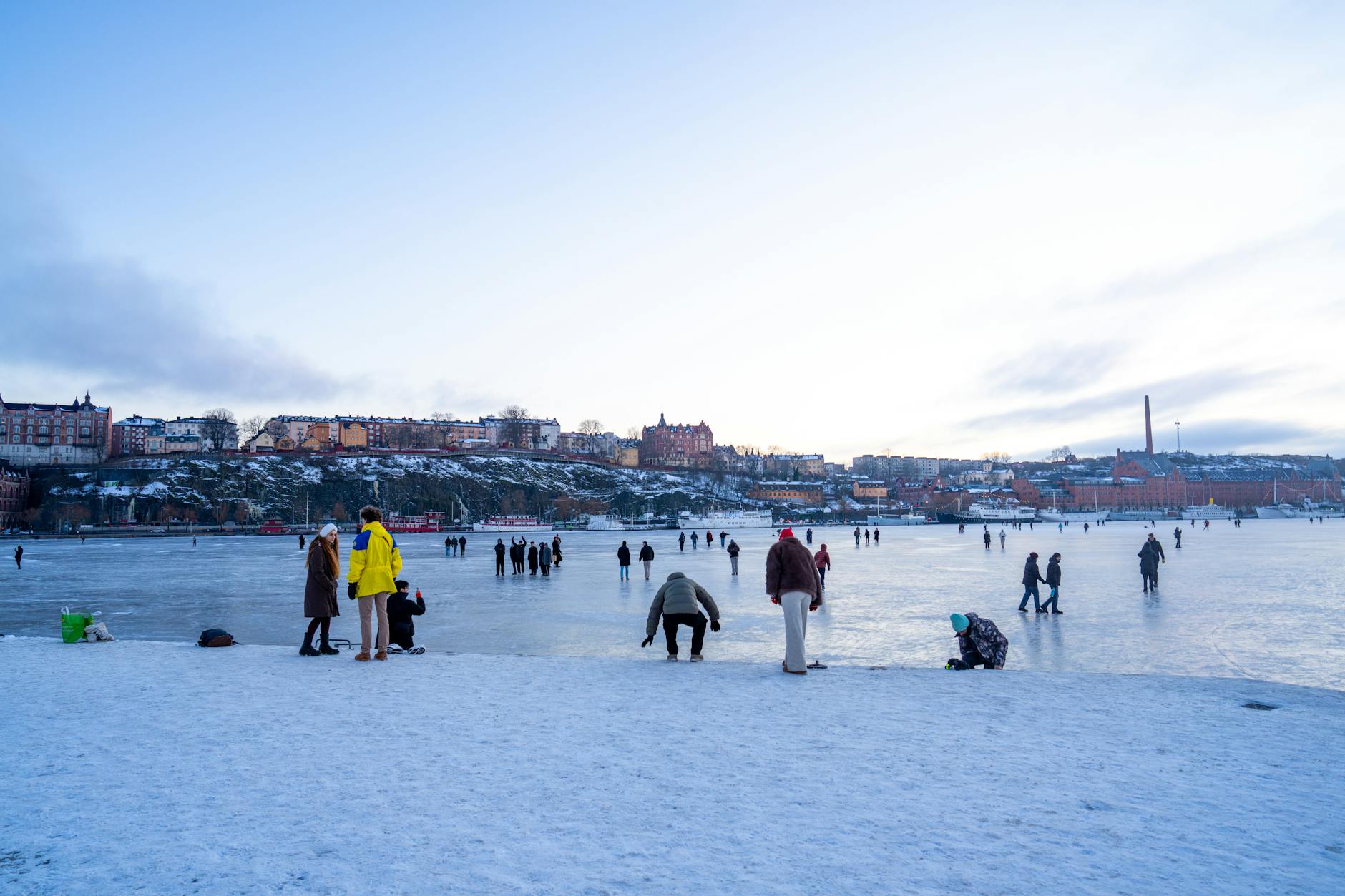
    Outdoor ice skating rink in Stockholm with snow-dusted surroundings in winter
    Free public ice skating at Kungsträdgården runs from December to February.

    Stockholm in winter is short on daylight (sunset around 15:00 in December) but long on atmosphere. The Christmas market season starts in late November; the largest market is at Skansen, the most atmospheric is in Stortorget (Gamla Stan), and the most underrated is at Rosendals Trädgård on Djurgården. Ice skating is free at Kungsträdgården. The Nobel Banquet is held at City Hall on 10 December. If you’re lucky, snow sticks for days and the whole city looks like a fairy tale.

    Unusual and hidden-gem things to do
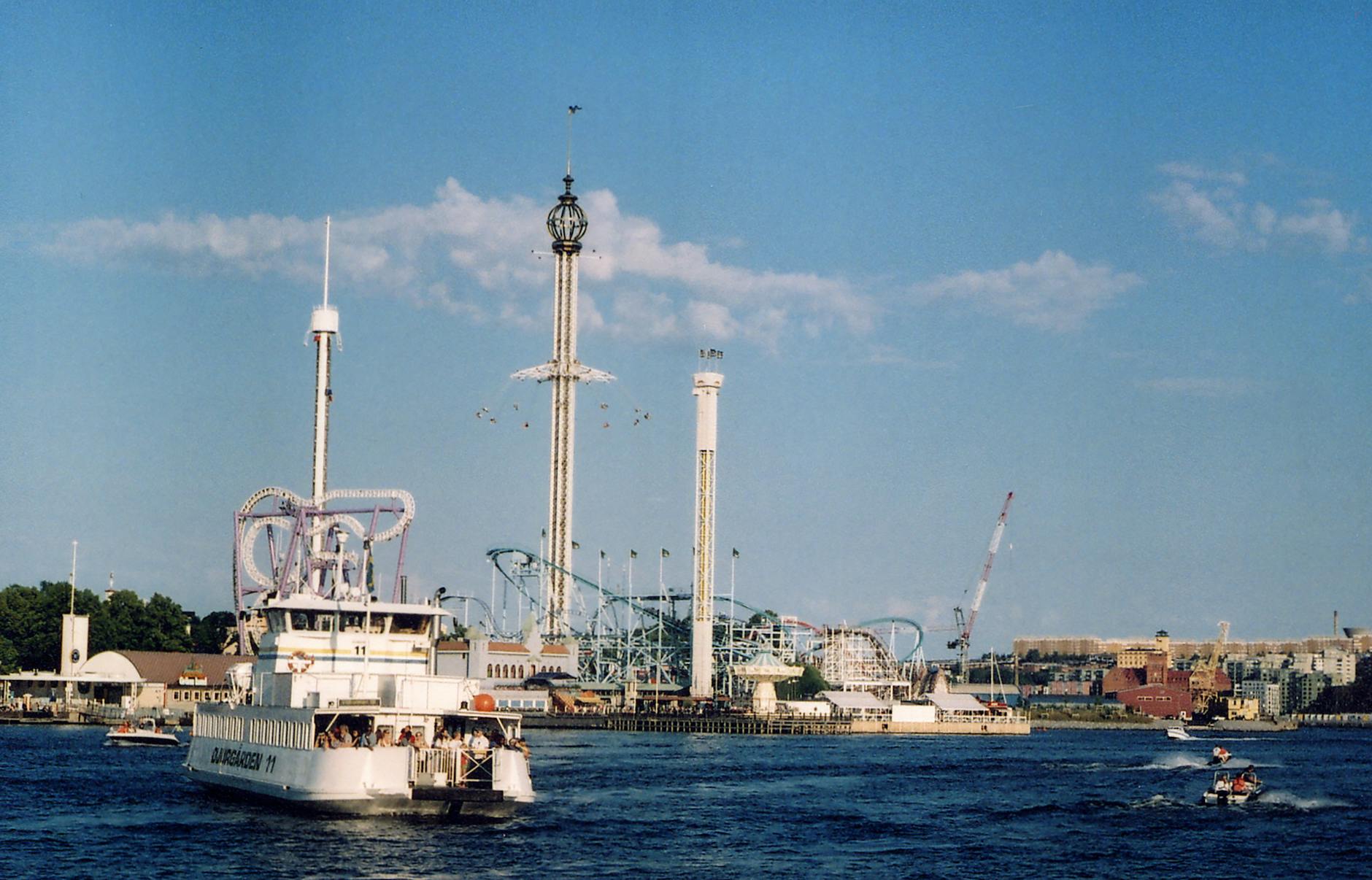
    Tree-lined walking path through Djurgården, Stockholm's royal park and national city park
    Djurgården — Stockholm’s royal island and the world’s first urban national park.

    Beyond the famous attractions, there’s a whole layer of Stockholm that even many locals don’t know well. For a deeper selection see our unusual things to do in Stockholm guide.

    • Rosendals Trädgård — a biodynamic garden on Djurgården with a café in a 19th-century orangery, serving open sandwiches and cakes made from the garden itself.
    • Telefonplan tower — the Konstfack design school’s tower has interactive coloured windows controlled by the Colour by Numbers app. After dark, you can change the lights from your phone.
    • Tantolunden allotment gardens — 100+ brightly painted tiny cottages and their gardens on a south-facing hillside on Söder. A surreal, flower-filled maze.
    • Oxenstiernska Malmgården — a 17th-century estate garden on Södermalm, open to the public and free.
    • Beckholmen — a tiny industrial island next to Djurgården with old shipyards, decommissioned dry docks, and a cliff-edge café.
    • Sofiakyrkan — a picturesque hilltop church on Söder, surrounded by 19th-century red wooden cottages that look transplanted from the countryside.
    • Östra Varvsgatan & Breda Gatan — hidden lanes of preserved wooden houses near Djurgården.
    • Skogskyrkogården — a UNESCO World Heritage-listed woodland cemetery designed by Gunnar Asplund. Poetic, quiet, and architecturally important.
    • Drottningholm Palace — a UNESCO-listed palace and baroque theatre, still the private residence of the Swedish royal family. Reached in 50 minutes by bus-and-ferry from the centre.
    • Lucy’s Flower Shop — an award-winning speakeasy cocktail bar accessed through an unmarked flower shop door on Söder. Book weeks ahead.
    • Millesgården — the hillside sculpture garden and former home of Swedish sculptor Carl Milles, on the island of Lidingö. One of the most peaceful art experiences in the city.
    • Ulriksdal Palace Park — a large, quiet royal park north of the city with a greenhouse, orangery, and year-round walking trails.

    Best things to do in Stockholm with kids

    Stockholm is an easy city with children. Nearly every attraction has a kids’ ticket, transport is stroller-friendly, and the distances are short. See our full Stockholm with kids guide.

    • Junibacken — an Astrid Lindgren children’s world on Djurgården, with a flying train that takes you through Pippi Longstocking’s world.
    • Skansen zoo and open-air museum — a full day’s entertainment. The playgrounds are excellent.
    • Gröna Lund — Stockholm’s historic amusement park, in operation since 1883, open late April to late September. A mix of mild family rides and several intense coasters.
    • Tom Tits Experiment — a huge interactive science museum in nearby Södertälje (30 minutes by commuter train).
    • Vasa Museum — surprisingly child-friendly; most under-tens end up engrossed in the story of a ship that fell over.
    • Boat tour under the bridges — an easy, air-conditioned, kid-sized introduction to the city.
    • Kungsträdgården — ice skating in winter, fountain splashing in summer.
    • Fjärilshuset butterfly house — a tropical greenhouse with free-flying butterflies, fish, and small animals, in Haga park.

    Romantic things to do for couples

    Stockholm is a deeply romantic city, especially if you lean into the water and the light. For more ideas see our romantic things to do in Stockholm guide.

    • Sunset picnic at Monteliusvägen with a bottle of sparkling wine and the City Hall view.
    • Dinner on the archipelago — Fjäderholmarna (25 minutes from Slussen) has sit-down summer restaurants on the water.
    • Evening canal boat cruise with a glass of aquavit.
    • Spend a night at a spa hotel — Yasuragi, Hotel Skeppsholmen, or Grand Hôtel’s spa suite.
    • Rosendals Trädgård on a slow Sunday with brunch and a wander.
    • Cocktails at Tak (Hotel At Six rooftop) with the skyline in front of you.
    • Early-morning kayak around Djurgården before the city is awake.
    • See Drottningholm Baroque Theatre — a UNESCO-listed 18th-century theatre still used for performances, with original stage machinery.

    Things to do in Stockholm at night

    Stockholm has a quiet, civilized nightlife rather than a loud one — intimate bars, craft-cocktail spots, late-night museums, and stylish clubs. Full details are in our Stockholm nightlife guide and our things to do in Stockholm at night article.

    • Fotografiska after dark — photography galleries + rooftop bar, open till 23:00.
    • Rooftop bar at Hotel At Six (Tak), Himla Bar (Scandic Continental), or Skybar (Radisson Blu Waterfront).
    • Pelikan — the classic century-old beer hall on Söder. Meatballs, lager, and no frills.
    • Lucy’s Flower Shop — one of the World’s 50 Best Bars, hidden behind a florist door. Reserve ahead.
    • Midsummer and white nights in June — in late June the sky never fully darkens; plan a late-evening archipelago trip.
    • Nightclub district on Stureplan — Sturecompagniet, Berns, and other Östermalm clubs run late.
    • Operakällaren — dinner and opera at Stockholm’s historic 17th-century restaurant in the Royal Opera building.

    Things to do in Stockholm when it rains

    Stockholm sees about 170 days of measurable precipitation a year, so rain is not “bad luck” — it’s a planning factor. For a dedicated list, see our Stockholm when it rains guide.

    • Do the metro art tour. Completely indoors and genuinely fascinating in bad weather.
    • Spend a half-day at Moderna Museet or Nationalmuseum. Both are free for the permanent collection.
    • Book a Fotografiska morning and stay for coffee.
    • Visit Östermalms Saluhall food hall and make lunch into a slow event.
    • Vasa Museum — it’s always a good idea, but especially when the sky is grey.
    • Spa half-day at Yasuragi or Centralbadet (Art Nouveau public baths in central Stockholm).
    • Classical music at Berwaldhallen or opera at the Royal Opera.
    • Long café sitting session — in Sweden, lingering is not just tolerated, it’s normal.

    Day trips from Stockholm

    Stockholm is a good base for day trips — the trains are quick and reliable, and even a full day out of the city can be done comfortably without a car. For details, see our best day trips from Stockholm guide.

    • Drottningholm Palace — UNESCO-listed royal palace and baroque theatre, 50 minutes by bus-and-boat.
    • Uppsala — historic university city, Sweden’s fourth-largest, 40 minutes by commuter train. Cathedral, castle, Carl Linnaeus’s garden.
    • Sigtuna — Sweden’s oldest town, founded around 980 AD, 50 minutes by bus from Uppsala. Charming one-street old town on Lake Mälaren.
    • Vaxholm — the archipelago’s “capital,” 60 minutes by ferry. Historic wooden town and fortress island.
    • Birka — Viking-era trading settlement on Björkö island. Combine with a guided tour.
    • Mariefred and Gripsholm Castle — a 16th-century castle by Lake Mälaren, 75 minutes by train-and-steamboat.
    • Sandhamn — far-out archipelago island famous for white sand and sailing. 3 hours each way by ferry — really a full-day trip.

    Stockholm tourist passes — are they worth it?

    Two passes dominate:

    • Go City Stockholm Pass — includes 60+ attractions (including Vasa, Skansen, Fotografiska, most boat tours, ABBA, and City Hall tours). Works well if you plan to do 3+ major attractions per day. Costs roughly 800 SEK for 1 day and 1,500 SEK for 3 days.
    • SL travel card (not an attractions pass) — covers all metro, bus, tram, and commuter ferry rides. 175 SEK for a 24-hour pass, 350 SEK for 72 hours. Almost every traveller will want this one.

    The tourist attractions pass only breaks even if you’re packing your day. If you prefer one or two attractions plus long walks, skip it and pay admission individually.

    Sample Stockholm itineraries

    These short itineraries string the best things to do together into practical plans. For longer versions, see our Stockholm itinerary guide.

    1 day in Stockholm (cruise-ship or layover)

    1. Morning: walk Gamla Stan, watch the Changing of the Guard at noon.
    2. Lunch at Under Kastanjen or Pelikan.
    3. Afternoon: Vasa Museum, followed by a short walk through Djurgården.
    4. Late afternoon: Monteliusvägen for sunset.
    5. Dinner in Södermalm.

    2 days in Stockholm

    Day 1 as above. Day 2: Fotografiska in the morning, food-hall lunch at Östermalms Saluhall, afternoon at Skansen, sunset cocktail at Tak rooftop bar, dinner.

    3 days in Stockholm

    Days 1-2 as above. Day 3: public ferry to Fjäderholmarna for a long archipelago lunch, City Hall tour and tower (May-Sept) in the afternoon, evening at a late-night museum (Fotografiska) or an early dinner followed by walking the Söder clifftops.

    Rainy-day itinerary

    Fotografiska at opening (stay for coffee) → metro art tour (indoor, 90 minutes) → lunch at Östermalms Saluhall → Nationalmuseum → fika at Vete-Katten → evening spa or classical concert.

    Winter one-day itinerary

    Gamla Stan in the morning → Nobel Prize Museum or Royal Palace → lunch at Den Gyldene Freden (one of the world’s oldest continuously operating restaurants, open since 1722) → Skansen Christmas market in the afternoon → ice skating at Kungsträdgården → glögg and a warm dinner.

    Practical booking and planning tips

    • Book timed tickets online for the Vasa, City Hall tower, ABBA, and Fotografiska. Walk-up wait times in summer can exceed 90 minutes.
    • Check seasonality. The City Hall tower, many archipelago ferries, and Gröna Lund are all seasonal — always verify opening dates the year you travel.
    • Book restaurants ahead. Stockholm is not a walk-in city in the evenings. Reserve a day or two in advance, particularly for Michelin-star venues (30-60 days).
    • Everything is card-payable — you virtually never need cash.
    • Don’t underestimate ferry travel. Waxholmsbolaget timetables run differently in winter vs. summer and are published only in Swedish (though legible — use Google Translate if needed).
    • Mornings are underused. Because Sweden has late-evening habits, 09:00 openings at most major attractions are genuinely empty for 60-90 minutes.
    • Long lunches are normal. Most sit-down places offer a dagens lunch (daily lunch) for 130-180 SEK that includes a dish, salad, bread, coffee, and sometimes a beer — a great value trick.

    Frequently asked questions about things to do in Stockholm

    What is the number one thing to do in Stockholm?

    If we had to pick one: the Vasa Museum. It’s the single most memorable attraction in the city and the most-visited museum in Scandinavia. Pair it with a walk through Gamla Stan and you have a complete day.

    How many days do you need to see Stockholm’s main attractions?

    Three full days covers the top 10 comfortably. Two days works if you skip the archipelago. Five days lets you add the archipelago, a day trip to Uppsala or Drottningholm, and several of the lesser-known museums.

    Is Stockholm worth visiting in winter?

    Absolutely — just go with the season rather than against it. Late November through early January is Christmas-market season, ice skating is free in Kungsträdgården, and the city looks genuinely magical under snow. Accept that daylight is short (sunset around 15:00 in December) and plan for two indoor activities and one short outdoor walk per day.

    What are the best free things to do in Stockholm?

    The highlights: walk Gamla Stan, watch the Changing of the Guard, tour the metro art on a single ticket, visit the Royal Armoury and Swedish History Museum (both free), climb Monteliusvägen or Skinnarviksberget at sunset, and wander Djurgården. See our free things to do in Stockholm guide for the full list.

    Is the Stockholm Pass worth it?

    It pays off if you plan to do three or more major paid attractions per day (for example Vasa + City Hall + a boat tour + Fotografiska). If you’re building your trip around walking, parks, and free attractions, it’s not worth it. The SL public transport card is almost always worth buying.

    What can you do in Stockholm for free?

    A huge amount. See our dedicated 17-item free things to do in Stockholm article, but the short answer is: all the walking routes, Gamla Stan, Djurgården, the metro art, the changing of the guard, the Historiska and Medeltidsmuseet, and any of the natural viewpoints.

    What is the best month to visit Stockholm?

    June for the longest days and warmest evenings; September for the shoulder-season sweet spot (mild weather, fewer tourists, cheaper hotels, archipelago still open); December for Christmas markets and snow. See the full breakdown in our best time to visit Stockholm guide.

    Can you see Stockholm in one day?

    You can see its headline attractions in one day if you’re efficient: Gamla Stan (morning), Vasa Museum (afternoon), Monteliusvägen at sunset. You’ll miss everything else. Plan two or three days whenever possible.

    Is Stockholm good for couples?

    Extremely. It’s one of the more romantic cities in Europe: water on all sides, long summer evenings, beautiful food halls, great spas, archipelago weekend trips, and small-scale intimate dining rather than loud party venues.

    What is the best time of day to visit Gamla Stan?

    8:00-10:00 in the morning (quiet, photographer-friendly) or after 20:00 in the evening (day-trippers gone, lanterns on). Between 11:00 and 17:00 in summer, the main alley Västerlånggatan can be uncomfortably crowded.

    What is unique about Stockholm compared to other European capitals?

    Three things. First, it’s a genuine archipelago capital — the water is not decorative, it’s structural. Second, it has one of the most design-forward public transport systems in the world (the metro art is a civic project, not a novelty). And third, the balance of nature and city: you can kayak, swim, hike, and ski inside the city limits, which is rare in Europe.

    Final thoughts

    Stockholm is a slow-burn city. Its best moments tend to be the small ones: a cinnamon bun in a 200-year-old konditori, a ferry ride that becomes a sightseeing tour by accident, a sunset from a rocky clifftop where nobody is selling you anything. The big attractions are genuinely excellent — the Vasa, Skansen, Fotografiska, City Hall — but if you build your trip around them and leave no time for wandering, you’ll miss what makes the city stick.

    Our advice: pick three of the headline attractions, book them in advance, then leave every morning and every evening open. Walk. Take a random public ferry. Sit in a park. Eat a long lunch. Climb something and look at the water. That’s how Stockholm reveals itself.

    For the deep dives on anything mentioned here, start with our complete Stockholm travel guide, our neighborhood guide, and our archipelago guide. Or just pick a single thing from this page and do it properly. Stockholm rewards depth.
  • Stockholm Travel Guide 2026: The Complete Resource for Planning Your Trip

    Stockholm Travel Guide 2026: The Complete Resource for Planning Your Trip

    Stockholm is Scandinavia’s most beautiful capital — a city of fourteen islands, pastel old-town alleys, world-class museums, and a 30,000-island archipelago that begins where the pavement ends. This complete Stockholm travel guide is built for real travelers: honest, opinionated, and deep. Whether you have a weekend or a full week, it walks you through when to go, how many days to plan, what everything costs, where to sleep, what to eat, how the transport system actually works, and the attractions, neighborhoods, and day trips that make Stockholm worth the flight. Every section links to a deeper dive so you can go as light or as granular as you want.

    This page is the hub of our Stockholm travel library. Bookmark it, share it, and use it as your planning command center. If you’re pressed for time, the TL;DR summary below gives you the headline advice in 60 seconds.

    Stockholm Travel Guide: The TL;DR

    • Best time to visit: Late May to early September for warmth and daylight; late November to early January for the Christmas markets and snow.
    • How many days: 3 full days is the sweet spot; 5 days is ideal if you want an archipelago trip.
    • Budget: Plan roughly 70–115 USD/day on a shoestring, 180–260 USD/day mid-range, 400+ USD/day for luxury.
    • Where to stay: Gamla Stan for atmosphere, Norrmalm for convenience, Södermalm for cool.
    • Getting around: The SL public transport network (metro, buses, trams, ferries, commuter trains) is excellent; use the SL app or a contactless card.
    • Currency: Swedish krona (SEK), but Stockholm is functionally cashless — bring a contactless card.
    • Language: Swedish, though virtually everyone speaks fluent English.
    • Safety: Stockholm is one of the safest capitals in Europe; use ordinary city common sense.
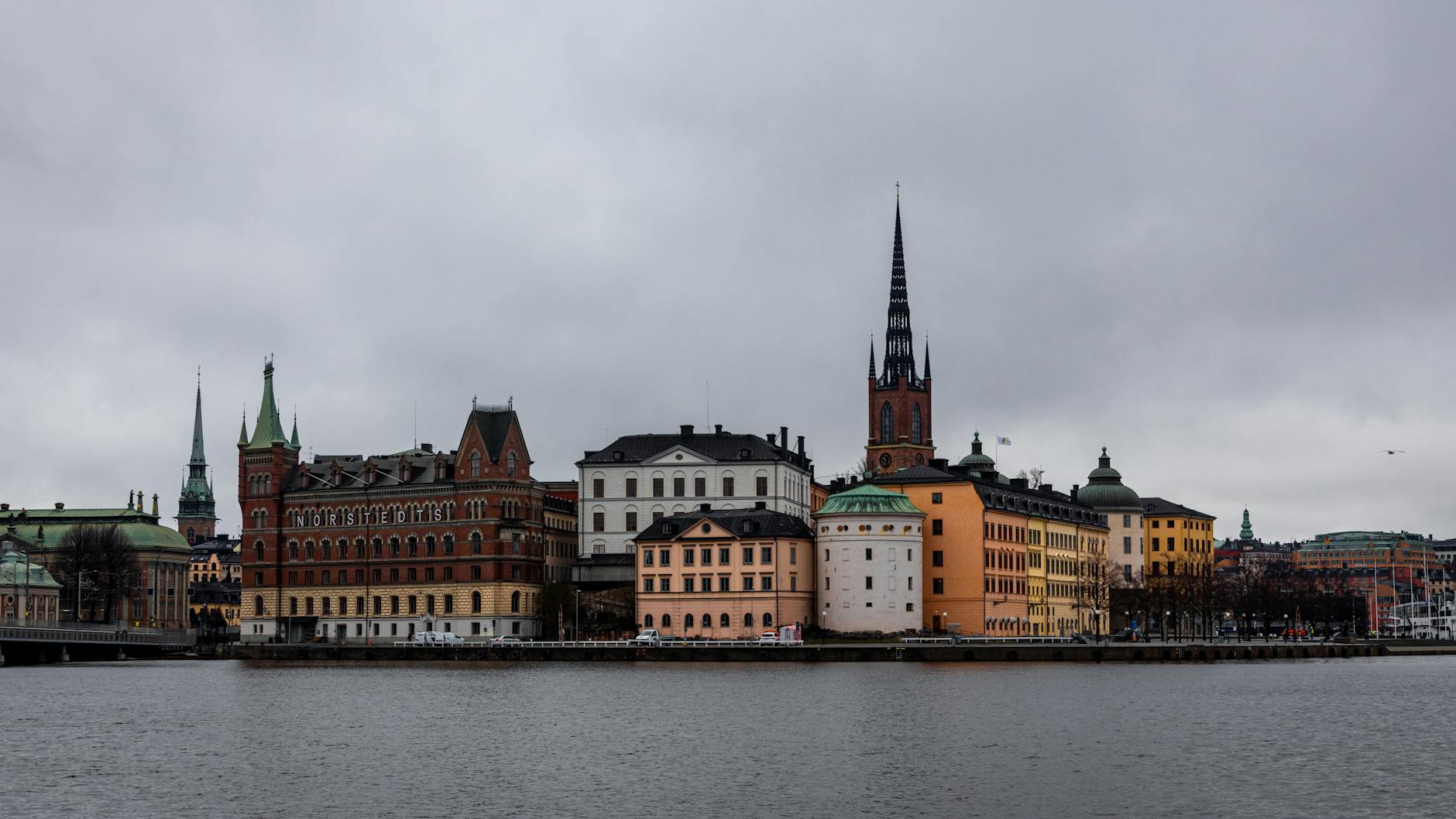
    Stockholm skyline and waterfront cityscape showing historic buildings along the harbor
    Stockholm’s signature waterfront skyline from across the harbor.

    About Stockholm: A 60-Second Introduction

    Stockholm, Sweden’s capital, sits at the exact point where the freshwater of Lake Mälaren meets the Baltic Sea. The city is draped across fourteen islands connected by more than 50 bridges, which is why you’ll see it called “the Venice of the North.” Around a million people live in the city proper and about 2.4 million in the greater metropolitan area, making it the largest city in the Nordics.

    What surprises most first-time visitors isn’t the architecture, even though the medieval core of Gamla Stan is spectacular. It’s how much water and green is woven into the city. Clean swimmable harbors run right through downtown; royal parks frame the royal palace; and you can hop a public commuter ferry from the city center to a working fishing village in under two hours. Stockholm is also a design powerhouse — home to IKEA, H&M, Spotify, Klarna, and a long tradition of furniture, textile, and product design that shapes everything you’ll touch on your trip.

    Stockholm is welcoming, orderly, quietly confident, and unusually livable. The public spaces are clean, the transit is punctual, the cafés are everywhere, and the pace is humane. If you’re used to frantic European capitals, Stockholm will feel like a pleasant reset.

    Is Stockholm Worth Visiting?

    Short answer: yes, for almost every type of traveler. Stockholm earns its place on a Scandinavia itinerary because it combines a walkable medieval old town, an absurd density of serious museums, a modern food scene, and a unique archipelago — all inside one extremely clean, safe city. Couples come for the romance of sunset boat rides; families come for Skansen, Junibacken, and the archipelago; design lovers come for the flagship stores, galleries, and Scandinavian minimalism; food travelers come for both traditional Swedish classics and the new Nordic restaurants. The main downside is cost — Stockholm is expensive by European standards — and the short winter days, which can surprise visitors who don’t plan around them.

    For a deeper, pros-and-cons style argument, see our dedicated piece: Is Stockholm worth visiting? An honest take.

    Cobblestone alleys and mustard-colored 17th-century buildings in Stockholm's Gamla Stan old town at twilight
    Gamla Stan — Stockholm’s medieval old town, founded in 1252.

    Best Time to Visit Stockholm

    There’s no single “best” season in Stockholm — just different versions of the city, each with a distinct feel. Here’s the honest breakdown.

    Summer (June to August) — The Obvious Winner

    Summer is why most people come. Temperatures sit in a civilized 18–24 °C (65–75 °F), the islands are in full leaf, and the city is tumbling with outdoor café seating. The magic, though, is the light. In late June you’ll have about 18 hours of daylight, plus several more hours of soft dusk; the sun rises before 4 a.m. and the sky never fully darkens. Summer is the best time for swimming harbors, archipelago day trips, and rooftop bars. It’s also peak season — hotel prices rise and the most famous attractions queue up by mid-morning.

    One quirk: Midsummer weekend (the Friday closest to 24 June) is Sweden’s most sacred unofficial holiday. Locals flee the city for cottages in the archipelago, and many shops, restaurants, and attractions close for two or even three days. The city doesn’t shut down, but the texture changes. If Midsummer falls during your trip, plan to go out to the archipelago and join the tradition rather than fight it.

    Shoulder Seasons (May, September, Early October) — The Sweet Spot

    For many travelers, late May and September are actually the best times. You get long days (about 15–17 hours of light in May, still 12+ in September), noticeably lower hotel prices, thinner queues, and very walkable weather. September’s early autumn color is spectacular in the archipelago and in city parks like Djurgården. Pack layers — mornings can be brisk.

    Autumn & Early Winter (Mid-October to Early December)

    This is the quiet, moody Stockholm: short days, dramatic skies, and cozy cafés. It’s also one of the best windows for museums, design shopping, and restaurant reservations. The city really earns the word mysigt — Sweden’s equivalent of Danish hygge — at this time of year.

    Christmas & Winter (Mid-December to February) — The Fairytale

    From late November, Christmas markets open across the city — Stortorget in Gamla Stan, Skansen, and Kungsträdgården are the big three. Expect mulled wine (glögg), saffron buns, and gingerbread in the cold air. Daylight is short (as few as 6 hours in late December), but the city is enchanting. January and February bring reliable snow, ice-skating rinks in the center, and the lowest hotel rates of the year. Dress for real cold — routinely -5 to -10 °C (23 to 14 °F), occasionally much colder.

    Early Spring (March to Mid-May)

    This is the hardest season to recommend. March can still feel wintry, but by mid-April the light is returning fast and the city starts to un-clench. Early May is lovely if you catch a warm weekend.

    For a month-by-month breakdown, including events, average temperatures, and what to pack, see Best Time to Visit Stockholm: Month-by-Month Guide.

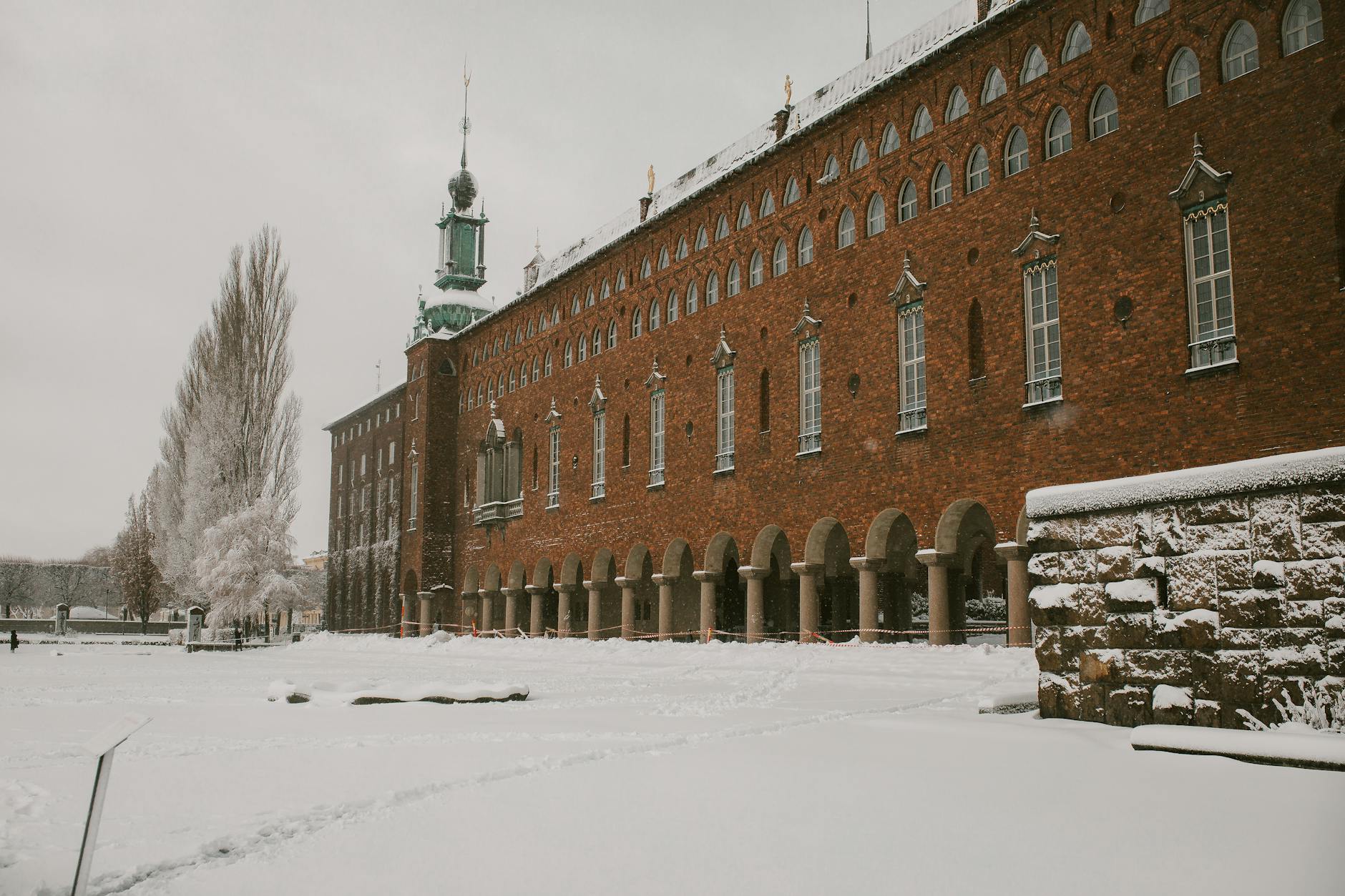
    Stockholm City Hall (Stadshuset) covered in fresh snow on a winter morning
    Stockholm City Hall in winter — the city becomes a Christmas-market fairytale.

    How Many Days Do You Need in Stockholm?

    The honest answer depends on how much you like museums, how important the archipelago is to you, and whether you’re combining Stockholm with other Scandinavian cities. Here’s our quick prescription:

    • 1 day (layover): Gamla Stan, the Royal Palace changing of the guard, and either the Vasa Museum or City Hall. It’s a taste, not a meal.
    • 2 days: Add a half-day for Djurgården’s museums, plus an evening in Södermalm. The minimum for “felt like I visited Stockholm.”
    • 3 days (the sweet spot): A proper city visit with time for a neighborhood crawl, two major museums, a fika afternoon, and a sunset boat cruise.
    • 5 days: Add a full day in the archipelago (Vaxholm, Grinda, or Sandhamn), plus Drottningholm Palace.
    • 7 days: A relaxed week covering everything in the 5-day plan plus day trips to Uppsala and Sigtuna, a deeper Södermalm and Kungsholmen wander, and room to repeat anything you loved.

    We’ve built day-by-day itineraries for each trip length at The Perfect Stockholm Itinerary: 1 to 7 Days, and we dig deeper into trip-length philosophy at How Many Days in Stockholm?

    How Much Does a Trip to Stockholm Cost?

    Stockholm has a reputation for being eye-wateringly expensive. The truth is more nuanced: transport is cheap, museums are reasonably priced, and the quality of free public amenities (parks, swimming harbors, the metro “art gallery”) is exceptional. What gets expensive quickly is alcohol, restaurant dining, and any taxi you take.

    Typical Daily Budgets (per person, 2026 prices)

    • Shoestring: 700–1,100 SEK / 70–115 USD — hostel dorm, SL 72-hour pass, grocery lunches, one museum, free walking.
    • Mid-range: 1,800–2,600 SEK / 180–260 USD — 3-star hotel, sit-down lunch, a casual dinner out, two museums, a few fikas.
    • Luxury: 4,000+ SEK / 400+ USD — design hotel, tasting-menu dinners, guided private tours, spa time.

    What Common Things Cost

    • Coffee and cinnamon bun (kaffe och kanelbulle): 60–80 SEK
    • Lunch special (dagens lunch): 115–160 SEK
    • Sit-down dinner main: 220–380 SEK
    • Beer in a bar: 75–95 SEK
    • Glass of wine: 95–140 SEK
    • SL single ticket: 43 SEK
    • SL 24-hour travel card: 175 SEK
    • Museum admission (major): 170–220 SEK
    • Go City / Stockholm Pass day: 929+ SEK

    The single most effective budget lever is eating lunch at noon: almost every mid-range restaurant serves a generous dagens lunch for 115–160 SEK that would cost 280+ SEK at dinner. The second biggest lever is skipping taxis — public transport goes everywhere you want to be.

    For a full cost breakdown by traveler type, see How Much Does a Trip to Stockholm Cost?

    Getting to Stockholm: Flights and Airports

    Stockholm is served by four airports, but almost everyone you meet will fly into Arlanda (ARN).

    • Stockholm Arlanda (ARN): The main international hub, 40 km north of the city. Roughly 190 nonstop destinations.
    • Stockholm Bromma (BMA): A small in-town airport, mostly domestic. Tiny and fast.
    • Stockholm Skavsta (NYO): 100 km south of Stockholm, served mainly by Ryanair. Called “Stockholm” but very much isn’t.
    • Västerås (VST): 110 km west, very limited service.

    If your ticket says Skavsta, know that you’re committing to a 75–90 minute bus into Stockholm after you land.

    Arlanda Airport to the City Center

    1. Arlanda Express (train): 18 minutes to Stockholm Central. Fastest option. Adult one-way is 340 SEK (significant online-booked and youth discounts). Trains every 10–15 minutes.
    2. SL Commuter Train (Pendeltåg): 38 minutes to Stockholm City station. Costs an SL ticket (43 SEK) plus the Arlanda station access fee (around 157 SEK). Best value if you’re already going to buy an SL card.
    3. Flygbussarna Airport Coach: 35–45 minutes to City Terminal (next to Stockholm Central). About 129 SEK online. Comfortable and no station transfers.
    4. Fixed-price taxi: 500–720 SEK depending on company. Always confirm the fixed city-center price before getting in.
    5. Uber / Bolt: Available and typically 450–600 SEK. The fastest curb-to-hotel option at off-peak hours.

    We go deeper on every airport-to-city option, including which to pick for families, late flights, and luggage, in Getting Around Stockholm: Transportation Guide.

    Getting Around Stockholm

    Stockholm’s public transport is one of the best in Europe. The system, run by SL (Storstockholms Lokaltrafik), covers:

    • Tunnelbana (metro): Three color-coded lines (red, green, blue) covering most of the city. Frequent — usually every 3–10 minutes.
    • Buses: Extensive, clean, and surprisingly punctual.
    • Trams: Notable for line 7 (Spårväg 7), which connects the city center to Djurgården’s museums.
    • Commuter trains (Pendeltåg): For the suburbs and Arlanda Airport.
    • Commuter ferries: Yes, the ferries are part of the SL network. Ferry 80 connects the city center to Djurgården and is one of the best “free” harbor cruises in Europe (included with an SL ticket).

    How to Pay for SL

    You have three options, in rough order of convenience:

    1. Contactless card or phone: Just tap your Visa, Mastercard, Amex, or Apple/Google Pay at the blue readers on turnstiles, buses, and platforms. It auto-caps at 175 SEK per 24 hours (a day pass).
    2. The SL app: Buy single tickets or 24/72-hour/7-day passes in seconds. Activate right before boarding.
    3. An SL Access card: A reloadable smartcard available at SL Centers. Best for long stays.

    A single SL ticket is 43 SEK and is valid for 75 minutes across any combination of metro, bus, tram, train, and ferry.

    The Tunnelbana: The World’s Longest Art Gallery

    Don’t treat the metro as just transport. Over 90 of Stockholm’s 100 metro stations feature commissioned art — painted cave walls at T-Centralen, mosaics at Stadion, ghostly carvings at Solna Centrum. SL runs free guided art tours in English during summer. Even if you skip the tour, plan to step off at T-Centralen, Rådhuset, Kungsträdgården, and Solna Centrum just to look.

    Vivid painted blue leaf patterns on the rock walls of a Stockholm Tunnelbana metro station
    The Stockholm metro is the world’s longest art exhibit.

    Walking, Cycling, and Ferries

    Stockholm’s central islands are compact enough that you’ll walk most of your trip. Between April and October, the city’s public bike scheme is a lovely way to cover ground — lanes are well-marked and drivers are bike-aware. In summer, city-run hop-on-hop-off boat tours and the public commuter ferries together form a waterborne circuit that’s scenic, cheap, and relaxing.

    Stockholm’s Neighborhoods at a Glance

    Stockholm’s personality lives in its distinct central islands and districts. Here’s a tourist-friendly overview; we unpack them in more depth at Where to Stay in Stockholm: Neighborhood Guide.

    Gamla Stan — The Old Town

    Founded in 1252 and still one of Europe’s best-preserved medieval city centers, Gamla Stan is a dense, mustard-and-ochre warren of alleys, cobbles, churches, and tiny squares. It’s home to the Royal Palace, Stortorget (the main square), and two notable cathedrals. First-timers sleep here for the atmosphere, but know that it’s busy during the day and restaurants can skew touristy. Evenings, once the day-trippers leave, it becomes magical.

    Norrmalm — The Modern Center

    Home to Stockholm Central Station, the shopping streets of Drottninggatan and Kungsgatan, and the city’s biggest concentration of hotels. It’s not beautiful, but it’s convenient, well-connected, and central for first-time visitors who want everything at their feet.

    Östermalm — Old-Money Elegance

    Tree-lined boulevards, grand late-19th-century apartment blocks, fine dining, the flagship shops of most European luxury brands, and the reborn Östermalms Saluhall (food hall). This is also where many design-forward hotels sit. Ideal for couples and style-first travelers.

    Södermalm — The Creative Island

    “Söder,” Stockholm’s artiest, most eclectic district, has coffee shops, vintage stores, and small-batch everything. The SoFo micro-district is the creative heart, while the cliff-top Monteliusvägen viewpoint gives you one of the best free views in Europe. Stay here for a cooler, neighborhood-local trip.

    Scenic view of Riddarholmen Church and surrounding Stockholm buildings from Sodermalm
    View across Riddarfjärden from Södermalm’s heights.

    Djurgården — The Museum Island

    Technically still downtown, but so green and calm it feels like a royal park (because most of it is). Home to the Vasa Museum, Skansen, ABBA The Museum, Nordiska Museet, and Gröna Lund amusement park. Few people sleep here, but nearly every visitor spends a day or two.

    Kungsholmen — Local and Waterfront

    West of the center, Kungsholmen is where real Stockholmers live. It’s dotted with waterside paths, good neighborhood restaurants, and — most famously — Stockholm City Hall (Stadshuset), where the Nobel banquet is held each December. Pick this area for a quieter, less touristy base.

    Vasastan — Quiet Sophistication

    North of the center, Vasastan is residential, leafy, and full of excellent neighborhood restaurants. Great for slow travelers, food lovers, and anyone who wants a local atmosphere with easy access to downtown.

    Top Attractions You Shouldn’t Miss

    Even with a limited trip, there’s a short list of Stockholm experiences that are almost universally worthwhile. The deep-dive is at Best Museums in Stockholm, but here are the highlights.

    The Vasa Museum

    The most visited museum in Scandinavia, and for very good reason. The Vasa was a 17th-century royal warship that capsized and sank in Stockholm harbor on her maiden voyage in 1628. Salvaged essentially intact in 1961, she now stands in a custom-built hall, 98% original timber, dominating the room like a cathedral. Plan at least 90 minutes; guided tours are included in admission and are excellent.

    Skansen

    The world’s first open-air museum, founded in 1891 on a hill on Djurgården. Skansen is part living history museum (relocated 18th- and 19th-century buildings from all over Sweden, staffed by costumed artisans), part Nordic zoo (brown bears, wolves, moose, lynx), and part seasonal party (Midsummer, Walpurgis, Christmas market). Give it a half day; bring a picnic in summer.

    Gamla Stan and the Royal Palace

    Wander the old town’s lanes — Mårten Trotzigs Gränd is the narrowest at just 90 cm — and duck into Stortorget with its famous gabled pastel buildings. The Royal Palace is one of Europe’s largest royal residences, with five separate museums inside it; the changing of the guard outside happens daily, usually around 12:15 p.m. in summer.

    The grand facade of the Royal Palace of Stockholm (Kungliga slottet) in soft sunlight
    The Royal Palace — one of Europe’s largest royal residences.

    Stockholm City Hall (Stadshuset)

    The red-brick, copper-roofed icon of the Stockholm skyline, and the site of the Nobel Prize banquet every December. The only way to see the interior is on a guided tour; the Golden Hall, with its 18 million mosaic tiles, is genuinely breathtaking. Climb the 106-meter tower for one of the best city views.

    The red brick tower of Stockholm City Hall (Stadshuset) reflecting in calm water at sunset
    Stockholm City Hall — host of the Nobel Prize banquet each December.

    Fotografiska

    Stockholm’s contemporary photography museum on Södermalm’s waterfront. Rotating exhibitions are consistently strong; the top-floor café has one of the city’s best views. Open late — a good evening stop.

    ABBA The Museum

    A surprisingly well-designed interactive tribute to Sweden’s biggest pop export. Buy online — it sells out.

    The Nobel Prize Museum

    Small, but excellent, on Stortorget in Gamla Stan. Stories of laureates from Marie Curie to Malala. A rewarding hour.

    Fika at Vete-Katten or Pascal

    Not a museum, but arguably an attraction. Stockholm’s fika — a coffee-and-pastry break raised to a cultural institution — is best experienced in a proper konditori. Vete-Katten (since 1928) and Pascal are two of many legendary options.

    Stockholm Food & Drink Essentials

    Stockholm’s food scene has quietly become one of the most interesting in Europe. The traditional Swedish repertoire — meatballs, pickled herring, cured salmon, cinnamon buns — is very much alive, but the city also hosts an inventive new Nordic fine-dining scene with multiple Michelin stars, an excellent coffee culture, and strong international cuisines.

    Classic Swedish Dishes to Try

    • Köttbullar — Swedish meatballs, traditionally served with mashed potatoes, cream gravy, lingonberry jam, and pickled cucumber.
    • Gravad lax (gravlax) — salt- and dill-cured salmon, usually sliced paper-thin.
    • Toast skagen — brown-buttered toast topped with cold shrimp, dill, mayo, and roe. A classic lunch.
    • Sill (pickled herring) — in half a dozen styles, typically with boiled potato, rye bread, and a shot of aquavit.
    • Ärtsoppa med pannkakor — split-pea soup with pancakes, traditionally a Thursday dinner.
    • Janssons frestelse — a potato, onion, anchovy, and cream gratin; a Christmas standard.
    • Kanelbullar — cardamom-and-cinnamon buns, the heart of fika.
    • Semla — a cream-and-almond-paste bun, traditionally eaten on Shrove Tuesday but now sold January to March.
    A Swedish fika setup with a cup of filter coffee and a freshly baked cardamom cinnamon bun (kanelbulle)
    Fika — the Swedish ritual of coffee and a kanelbulle.

    How to Do Fika Properly

    Fika is less a meal and more a pause. You order a coffee (usually filter, very strong), a pastry (kanelbulle is the default), and you sit. For at least fifteen minutes. Don’t work, don’t scroll urgently, don’t rush. That’s the whole ritual, and it’s a real cultural touchstone — Swedish workplaces famously schedule two fikas a day.

    Where to Eat: A Quick Guide by Style

    • Traditional Swedish (classic): Pelikan (Södermalm) and Tennstopet (Vasastan) are legendary beer halls with classic husmanskost.
    • Modern Nordic (tasting-menu): Frantzén (three Michelin stars), Oaxen Krog, Aloë, Aira. Book weeks in advance.
    • Food halls: Östermalms Saluhall (classic), Hötorgshallen (casual, lunches), Teatern at Ringen (modern court).
    • Fika classics: Vete-Katten, Pascal, Gateau, Rosendals Trädgård (in Djurgården).

    For hand-picked restaurants across every budget, neighborhood, and cuisine, see Stockholm Restaurants: Where to Eat.

    A Note on Alcohol and Systembolaget

    You can buy beer up to 3.5% ABV in any grocery store. For anything stronger — wine, spirits, strong beer — you have to go to Systembolaget, Sweden’s government alcohol monopoly. Opening hours are famously limited (closed Sundays, early closing Saturdays), so plan ahead if you want to bring wine to a picnic. Bars and restaurants, of course, serve normally.

    Where to Stay in Stockholm

    The short version: pick your neighborhood based on what kind of trip you want.

    • First-time visitor who wants atmosphere: Gamla Stan or Norrmalm.
    • Design-forward couple: Östermalm or the waterfront between Östermalm and Djurgården.
    • Cool local vibe: Södermalm.
    • Family: Norrmalm (near the station) or quieter streets in Vasastan.
    • Quiet slow-travel week: Kungsholmen or Vasastan.

    A small, curated hotel shortlist:

    • Luxury: Ett Hem, Grand Hôtel, Bank Hotel, At Six.
    • Boutique: Hotel Skeppsholmen, Miss Clara, Hotel Diplomat.
    • Mid-range reliable: Hotel Kungsträdgården, Scandic Grand Central, HTL Kungsgatan.
    • Budget: Generator Stockholm, City Backpackers, STF af Chapman (a hostel on a 19th-century sailing ship).

    Full property comparisons and deal-finding tips at Best Hotels in Stockholm.

    Twilight view of Riddarholmen Church and the Stockholm waterfront with a bridge in the foreground
    Stockholm’s waterfront at blue hour.

    The Stockholm Archipelago: Don’t Miss It

    The Stockholm Archipelago is the city’s not-so-secret weapon. Roughly 30,000 islands, islets, and skerries stretch east from the city into the Baltic, and the inner islands are less than an hour by public ferry from the city center. If the weather is good and you have even half a day, go. If you have a full day, go further out. The archipelago is the single most distinctive thing about a Stockholm trip.

    Three Archipelago Day Trips by Difficulty

    1. Fjäderholmarna (25 minutes): The closest archipelago island, reachable year-round by commuter ferry. Restaurants, art studios, swimming rocks. A gentle taster.
    2. Vaxholm (60–75 minutes by ferry): The “capital of the archipelago,” a proper 19th-century seaside town with wooden houses, a fortress museum, and good seafood. Accessible by public ferry or Waxholmsbolaget.
    3. Grinda or Sandhamn (2–2.5 hours): Real archipelago. Pine forests, beaches, small inns, quiet ports. Stay overnight if you can.
    A red wooden cottage on a quiet Stockholm archipelago island surrounded by calm Baltic water
    The Stockholm archipelago — 30,000 islands, skerries, and rocks east of the city.

    Full island-by-island comparison, ferry schedules, tours, and sample archipelago itineraries at Stockholm Archipelago: Complete Guide.

    Day Trips from Stockholm

    If you have more than three days, or you just want a break from urban touring, Stockholm is perfectly set up for day trips by train or ferry.

    • Drottningholm Palace (1 hour by ferry or metro + bus): The UNESCO-listed royal residence, often called Sweden’s Versailles. Beautiful gardens and a perfectly preserved baroque court theatre.
    • Uppsala (40 minutes by train): Sweden’s ancient university city. The twin-spired cathedral is the largest in Scandinavia; the Gustavianum museum has a 17th-century anatomical theatre.
    • Sigtuna (45 minutes by bus): Sweden’s oldest town, dating to 980 AD. A tiny, lakeside tea-room kind of place.
    • Birka (a full day, seasonal): A Viking-age UNESCO World Heritage site on an island in Lake Mälaren.
    • Gripsholm Castle (Mariefred, 1 hour): A photogenic red-brick Renaissance castle reached by a historic steamboat in summer.

    We rank and map these at 15 Best Day Trips from Stockholm.

    Stockholm Travel Tips Every Visitor Should Know

    A short, high-yield list. For the full 50-tip version, including visas, SIM cards, tipping percentages, and common tourist mistakes, see Stockholm Travel Tips: 50 Things to Know.

    Practical Essentials

    • Stockholm is cashless. You can go the whole trip without touching SEK. Some places even refuse cash. A contactless card (Visa or Mastercard) or Apple/Google Pay covers 99% of situations.
    • Tap water is excellent. Don’t buy bottled water — Stockholm tap is among Europe’s cleanest.
    • Tipping is optional. Restaurant service is included. Round up the bill or add 5–10% for excellent service.
    • English is universal. Everyone under 60 speaks it fluently, and most signage is bilingual.
    • Power plugs: Type C and F (the round European two-pin). 230 V, 50 Hz.
    • SIM cards: Easy to buy at any 7-Eleven, Pressbyrån, or phone shop. eSIMs work seamlessly.
    • Visa: Sweden is a Schengen country. Most Western travelers get a visa-free 90-day stay; check your country’s rules.

    Cultural Notes

    • Swedes are quiet in public. Keep phone calls discreet on the metro. Loud conversations stand out.
    • Queues are sacred. Many shops, bakeries, and government offices use numbered ticket machines (nummerlapp) — don’t skip the line.
    • Take your shoes off indoors. If you’re invited to a Swedish home, leave shoes at the door.
    • Punctuality is real. “See you at 19:00” means 19:00, not 19:10.
    • The weekend starts early. Many offices close by 15:00 on Fridays in summer.
    • Midsummer: If you’re visiting the weekend of Midsummer Eve, many city shops and restaurants close. Plan around it.

    Safety

    Stockholm is one of Europe’s safest capital cities. Violent crime against tourists is rare. The most common issues are pickpocketing in dense tourist areas (Gamla Stan, T-Centralen, the Vasa Museum queue) and occasional bike theft. Solo and female travelers generally report feeling very safe at night in central neighborhoods. Emergency number: 112. Full safety breakdown at Is Stockholm Safe for Tourists?

    The red brick tower of Stockholm City Hall (Stadshuset) reflecting in calm water at sunset
    Stockholm City Hall — host of the Nobel Prize banquet each December.

    A Sample 3-Day Stockholm Itinerary

    This is the compressed version — for fully annotated day-by-day plans including 1-, 2-, 5-, and 7-day versions, see The Perfect Stockholm Itinerary.

    Day 1 — Gamla Stan & the Heart of the City

    Morning: Walk Gamla Stan at opening hour; start at Stortorget and wind down through Västerlånggatan and Prästgatan. Visit the Nobel Prize Museum (45 min). Catch the Changing of the Guard at the Royal Palace around 12:15.

    Lunch: A classic Swedish lunch at Den Gyldene Freden or Pelikan.

    Afternoon: Tour Stockholm City Hall, then walk the Kungsholmen waterfront or take Ferry 80 across the harbor.

    Evening: Sunset drinks on Södermalm’s Monteliusvägen viewpoint, then dinner in SoFo.

    Day 2 — Djurgården Museum Day

    Morning: Vasa Museum at opening time, then Nordiska Museet next door.

    Lunch: Outdoor lunch at Rosendals Trädgård (in summer) or the Djurgården café of your choice.

    Afternoon: Skansen for a half day — longer in summer. Alternatively, ABBA The Museum if music is your thing.

    Evening: Walk back into the city along Strandvägen at golden hour, dinner in Östermalm.

    Day 3 — Neighborhoods & Archipelago Taste

    Morning: Slow start with a proper fika somewhere design-forward in Södermalm. Visit Fotografiska.

    Lunch: Food-hall lunch at Östermalms Saluhall.

    Afternoon: Public ferry to Fjäderholmarna for an archipelago afternoon.

    Evening: Farewell dinner somewhere memorable — Aloë, Ekstedt, or an old-school establishment in Vasastan.

    Stockholm with Kids, Nightlife, and Shopping

    If you’re traveling with a specific theme, jump straight into the dedicated guides:

    What to Pack for Stockholm

    Packing for Stockholm is mostly about planning for layered weather and a lot of walking. The quick list:

    • A genuinely waterproof outer layer (jacket in winter, light shell in summer)
    • Comfortable walking shoes — you’ll cover 15,000+ steps a day easily
    • Warm hat, scarf, and gloves from October to April
    • A swimsuit, even in early autumn — many hotels have saunas, and locals swim in the harbor
    • A power adapter (Type C / F)
    • A contactless credit card as your primary payment
    • A reusable water bottle — drink the tap water
    • Sunglasses — the summer sun is low-angled and bright until late evening

    The full season-by-season checklist is at Stockholm Packing List: Every Season.

    Stockholm Travel Guide: Frequently Asked Questions

    Is Stockholm expensive?

    Yes, but manageable. It’s roughly on par with Copenhagen, Oslo, and central London. Budget travelers can do Stockholm for 70–115 USD/day by using hostels, grocery lunches, and the SL network. Mid-range travelers typically spend 180–260 USD/day. Alcohol and taxis are the two big cost traps.

    Do I need cash in Stockholm?

    Almost never. Stockholm is one of the most cashless cities in the world. A contactless Visa or Mastercard, or Apple/Google Pay, covers 99% of purchases. A few food-truck stalls and very small churches still take cash; most businesses explicitly don’t.

    Is English widely spoken in Stockholm?

    Yes — fluent English is the norm among Swedes under 60, and most signage (metro, museums, restaurant menus) is bilingual. You can visit Stockholm with zero Swedish and be perfectly fine. That said, learning “tack” (thank you) and “hej” (hello) is appreciated.

    What’s the best area to stay in Stockholm for first-timers?

    For a first trip, base yourself in Gamla Stan (for atmosphere) or Norrmalm (for convenience). Both put you within easy walking distance of the old town, the Royal Palace, and the main transit hubs.

    How many days do I need in Stockholm?

    Three full days is the sweet spot for a first visit. Two is enough to hit the highlights; five days lets you add the archipelago and Drottningholm; seven is ideal for a calm, complete trip with day trips and neighborhood exploration.

    When is the absolute best time to visit Stockholm?

    Late May through early September for sunshine, long days, and the archipelago. Late November through early January for Christmas markets and snow. Shoulder seasons — May and September — give you most of the summer benefits with fewer crowds and cheaper hotels.

    Is Stockholm safe for solo and female travelers?

    Very. Stockholm is regularly ranked among the world’s safest capital cities. Use the same common-sense you would anywhere — watch for pickpockets in crowded tourist areas and on the T-Centralen metro platform — and you’ll be fine. The emergency number is 112.

    Do I need a car in Stockholm?

    No. In fact, a car is a liability in the city center. Public transport goes everywhere, parking is expensive, and Stockholm has a congestion charge. Rent only if you’re planning day trips off the train network.

    What should I definitely not miss in Stockholm?

    Four things almost everyone should experience: wander Gamla Stan, visit the Vasa Museum, take a public ferry out into the harbor, and sit down for a proper fika. Those four, in any order, are the heart of a Stockholm trip.

    What’s the currency in Stockholm?

    The Swedish krona (SEK). Sweden is an EU member but is not part of the eurozone. You almost never need physical krona — everything is card- and phone-based. See Stockholm Currency & Money for a deeper breakdown.

    Final Thoughts: Why Stockholm Belongs on Your List

    Stockholm is the kind of city that rewards slow attention. It’s unusually photogenic — old town lanes, red-brick city hall, copper roofs against the Baltic — but the texture is in the small things: the ritual of fika, the unhurried competence of the public transport, the sudden appearance of a swimming harbor in the middle of downtown, the clean quiet of a pine-scented island you reached on a public ferry for a few dollars.

    Three days is the minimum that will do it justice. A week lets you breathe. Go in summer for the long light; go in December for the markets and snow; go in May or September for the quiet sweet spot. Bring layers and a contactless card, walk more than you think you need to, and do everything Swedes do — especially fika.

    When you’re ready to go deeper, our Stockholm library has you covered. Start with our full itineraries, zero in on things to do, pick a neighborhood to stay in, and plan your archipelago day. Safe travels — or as Swedes say, trevlig resa.

    Last updated: April 2026. This guide is maintained as an evergreen resource and updated regularly with new prices, new openings, and seasonal changes.